Have you ever found yourself standing in a field, maybe far from the hustle and bustle of city life, when something glints just right in the corner of your eye? Perhaps it’s a curiosity about the value locked within those enchanting rocks that draws you—or perhaps you wonder if they could enhance your personal collection and, yes, your bank account. If the stone you’re gazing at is agate, that curiosity might just have some merit.
Agate rocks, with their striking bands and incredible colors, have long been prized for their beauty and uniqueness. But the question remains: Are these stones actually worth any money?


What Are Agate Rocks?
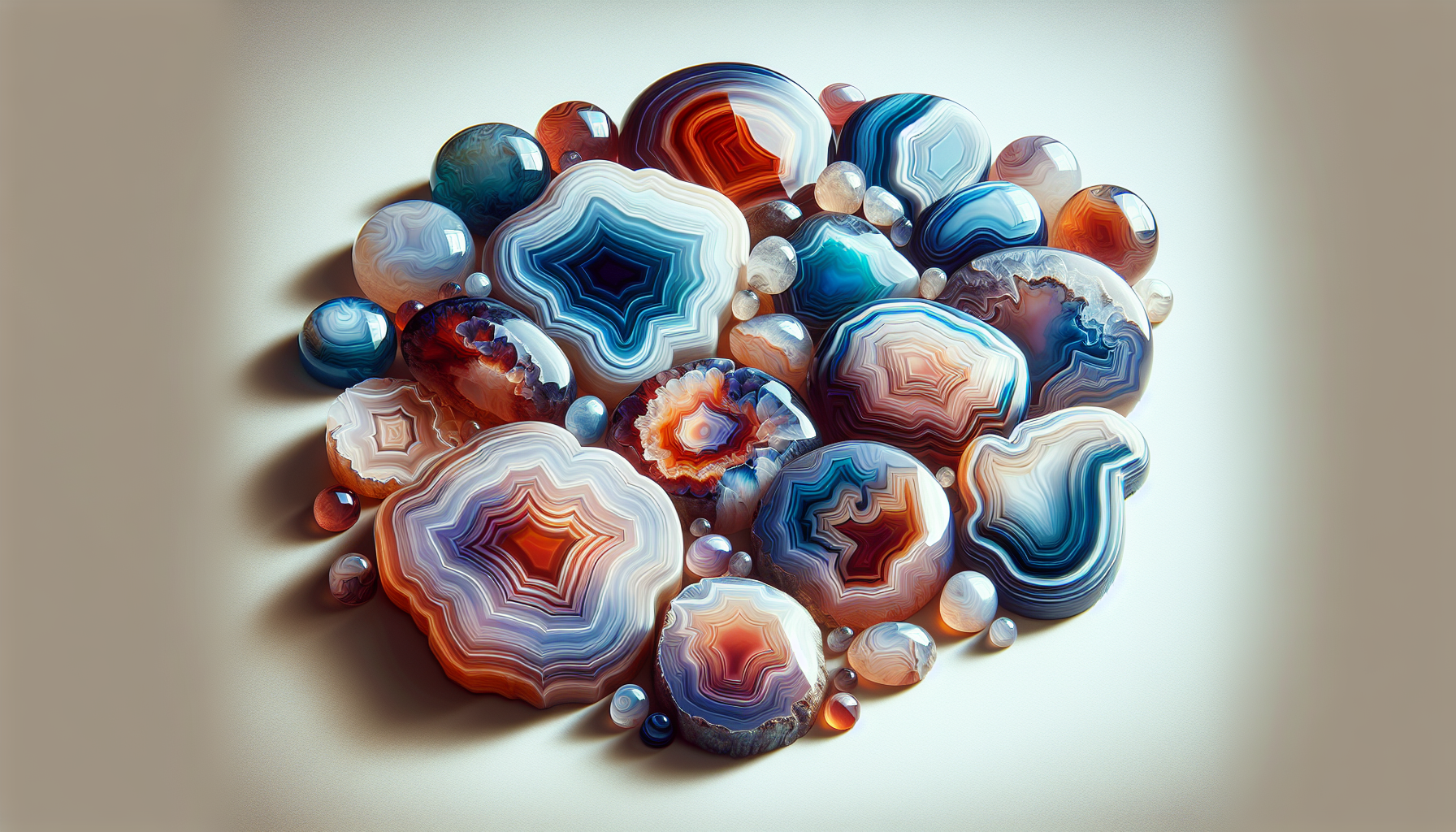
Agate is a variety of chalcedony, characterized by its fine grain and bright colors. Often found in volcanic rocks, agate’s stunning appearance results from deposits of silica from groundwater that fill the cavities of decaying rock. Over centuries, this accumulation forms breathtaking patterns and colors.
Understanding Agate’s Composition
Agates belong to the quartz family, primarily made from silicon dioxide. This composition gives agate its durability and brilliance. Their banding patterns, which often resemble tree rings, tell stories of the flow and evolution of geological processes over millions of years. Isn’t it fascinating how something so ancient can be held delicately in your hand?
Common Forms and Varieties of Agate
Agate comes in an astonishing array of types, each with its distinct charm and color palette. Some popular varieties include:
Moss Agate: Named for its greenish, plant-like inclusions, this type doesn’t have a banded appearance typical of other agates.
Fire Agate: Its iridescence mimics the flicker of flames and can be quite mesmerizing.
Tree Agate: Featuring green dendritic inclusions that resemble trees or branches.
Crazy Lace Agate: Known for its complex swirling patterns and bright colors.
Each variety’s uniqueness can significantly affect its value, so a bit of knowledge can help discern whether you’re holding a common pebble or something more special.
The Historical Appeal of Agate
From the ancient Egyptians to modern-day collectors and jewelry makers, people have been spellbound by agate for centuries. Initially used in ceremonial and decorative objects, agate’s durability has kept many of those artifacts intact for millennia—a testament to its timeless appeal.
Agate in Ancient Cultures
In Mesopotamia, agate was used to craft seals and amulets, believed to have protective powers. Ancient Greeks and Romans often carved agate into brooches and rings, and during the Renaissance, it was highly prized as a material for carving intricate cameos.
Today, while not considered as potent in spiritual attributes, agate’s historical allure and storied past add a patina of value that collectors find irresistible.

Factors Influencing Agate’s Worth
Several key components determine the value of agate rocks. As you might expect, not all agate pieces you come across will equate to a small fortune, but understanding these elements can shed some light on agate’s market value.
Color and Pattern
While beauty is subjective, the vibrancy of color and intricacy of pattern can significantly influence an agate’s allure and therefore its value. Rich, intense hues like deep reds, vibrant blues, or lush greens are often more prized. Unusual band patterns, like stark contrasts or vibrant, chaotic swirls can also drive up value.
Clarity and Size
Larger, flawless pieces of agate or those free of fractures are considerably rare and thus more valuable. Just imagine, in a world where pristine agates are precious, finding a large, transparent specimen feels like discovering a treasure trove.
Origin and Rarity
Certain locations are renowned for producing particularly beautiful agate, such as the Lake Superior region, Botswana, and Brazil. Agates from these areas could fetch higher prices due to their reputation and quality.
Current Market Demand
Just like precious metals or antiques, agate’s value can fluctuate with market demand. Trends in jewelry or stone collecting can greatly influence prices, so let’s venture to always keep an eye on the market if you’re considering buying or selling.
Agate in Jewelry
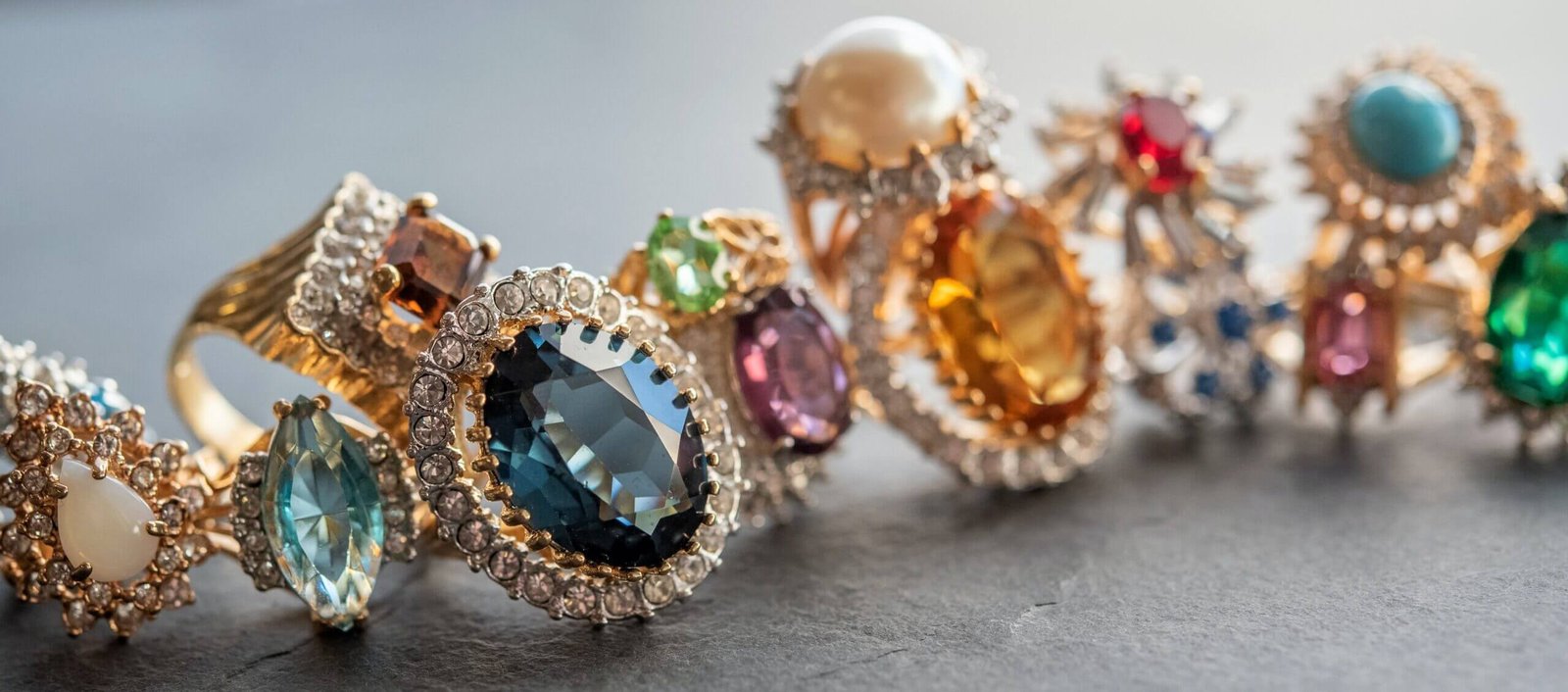
To truly appreciate agate’s worth, consider its use in jewelry, where its stunning beauty often takes center stage. Agate necklaces, earrings, bracelets, and rings are a staple in the world of adornment. However, you’ll find its worth extends beyond mere decoration.
The Appeal of Agate Jewelry
Agate is frequently incorporated into jewelry because of its durability and unique aesthetic. Each piece can captivate the eye with colors and patterns that are as diverse as a sunset. The stone’s historical legacy and perceived properties, like promoting balance and harmony, add a layer of desirability as well.
Factors Affecting Jewelry Pricing
When it comes to jewelry, aesthetics aren’t the only thing to consider. The cut of the stone, the skill of the jeweler, the type of metal setting, and the brand’s reputation can all influence the price significantly. Therefore, authenticity and originality can make an enormous difference in what price an agate piece might fetch.

Caring for Agate
To maintain its beauty and potential value, caring for your agate properly is essential. Agate doesn’t demand high maintenance but handling your stones with a little caution will preserve their splendor.
Cleaning and Preservation Techniques
Agate stones should be cleaned gently with warm soapy water and a soft cloth or brush. Avoid harsh chemicals or ultrasonic cleaners, which can damage the stone. Always ensure your agate is completely dry before storing it to prevent moisture damage.
Protective Storage
When not in use, store agate jewelry in a soft cloth pouch to prevent scratches and keep them separate from harder stones or metals. Our sometimes chaotic lives might not allow for pampering our jewelry daily, but taking these small steps can safeguard your collection’s long-term worth.
Buying and Selling Agate
Whether you’re looking to buy agate stones or sell a piece from your collection, understanding the market can dramatically impact your success in either scenario.
Tips for Buying Agate
When purchasing agate, understanding the four Cs—color, cut, clarity, and carat—is invaluable. It may seem overwhelming at first, as if you’re traversing a labyrinth of shiny goods, but this knowledge is the compass that will guide you to a worthy piece.
Check Authenticity: Be cautious of synthetic or imitation stones. Seek authenticated dealers or those with a reputable history.
Compare Prices: Don’t rush your purchase. Compare prices across different sellers and consider getting a third-party appraisal.
Consider the Source: Knowing a stone’s provenance can add value and provide insight into its authenticity and quality.
Selling Agate Successfully
Selling agate can be a rewarding process if approached wisely. Here are a few strategies to ensure you get the best possible return:
Research Market Value: Familiarize yourself with current trends and valuations. This knowledge can prevent you from undervaluing your stones or expecting unrealistic returns.
Professional Appraisal: A professional appraisal can lend credibility to your stone’s descriptions and valuation.
Choose the Right Venue: Online marketplaces, auction houses, or gemstone fairs might offer different audiences and value propositions.
Collecting Agate: A Hobby with Perks
For some, collecting agate becomes more than just a pastime—it’s a pursuit of art, history, and maybe even a dash of profit. The joy of discovering a rare agate specimen, with its unique patterns and colors, is an experience like no other.
Building a Collection
Just as an art collector accumulates masterpieces, collecting agate stones can be just as rewarding with its mix of personal interest and potential financial gain. Building a collection may involve hunting for unique stones, understanding their origins, and connecting with like-minded collectors.
Long-Term Investments
While not all agate collectors focus on profit, those who do may be rewarded for their patience and discerning eye. High-quality agate can appreciate over time, especially rare and unique pieces, making it a long-term investment that adds zest to both your collection and portfolio.
The Future of Agate
As with many natural commodities, the availability and trends concerning agate continue to evolve. With growing interest in personal expression through unique jewelry and natural elements, agate remains a popular choice.
Environmental Considerations
Sustainability is increasingly becoming a concern across all industries, including gemstones. Ethically sourced agate not only supports ecological health but also resonates with many modern consumers who value sustainability.
Market Trends
Innovations in cutting and setting techniques further elevate agate’s status in the jewelry world. Its increasing use in various types of ornaments and décor signifies a lasting appeal that blends past and present beautifully.
Conclusion
So, are agate rocks worth money? If you consider their historical significance, aesthetic appeal, and diverse applications, the answer is a resounding yes. But it’s not merely their monetary value that sets agate apart—it’s the stories they tell, the beauty they hold, and the joy they bring that truly make them priceless. Whether you stumble upon one in nature or acquire it through a less serendipitous method, having an agate in your possession means holding a piece of history, art, and wonder, all rolled into one. So next time you see that glint in a field or browse a market stall, remember this: That tiny rock might just be worth more than you could imagine, in more ways than one.