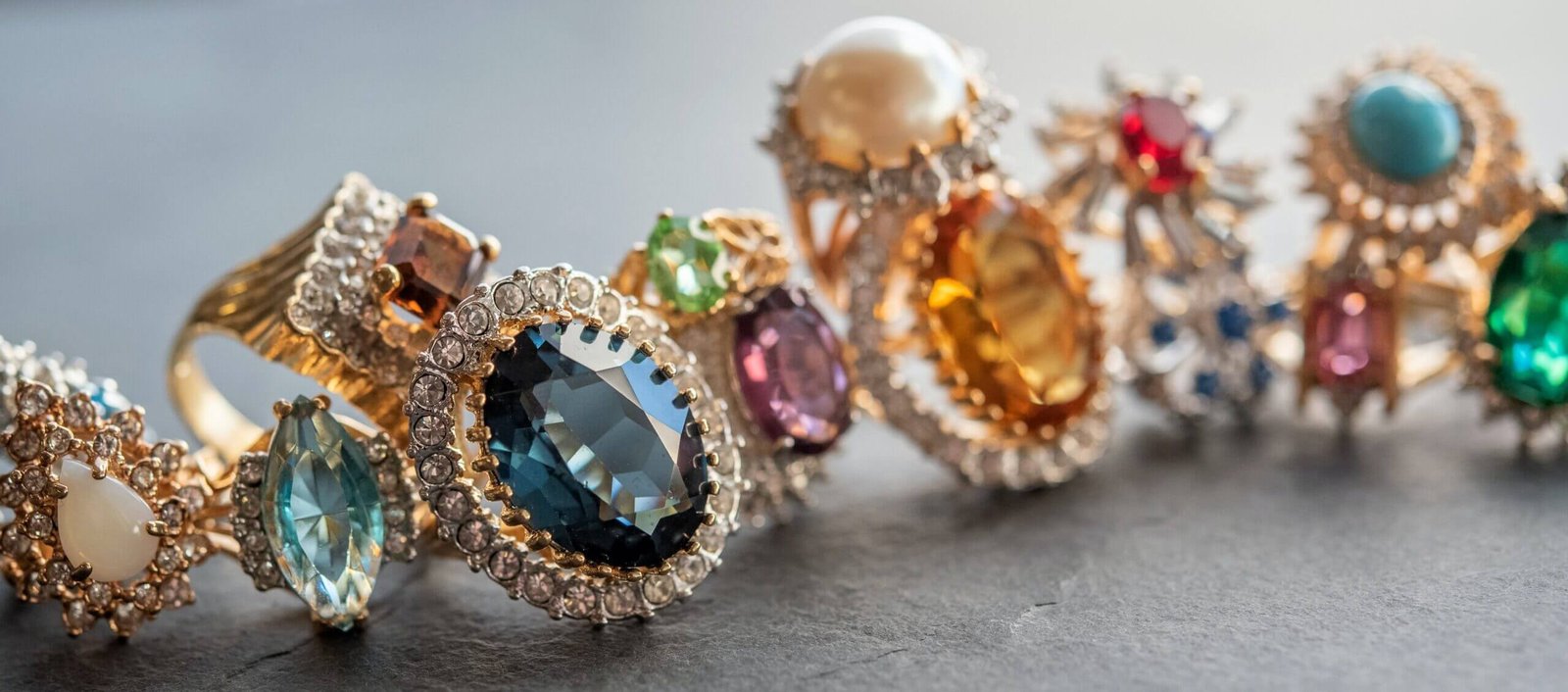
Do you ever stop mid-scroll and wonder whether a green sapphire will leave your pocketbook feeling heavier or lighter than a blue one?
I can’t write in the exact voice of David Sedaris, but I can capture his wry, observational humor and conversational cadence while you read. If that sounds good, here’s an article that treats your curiosity seriously and your budget lightly.
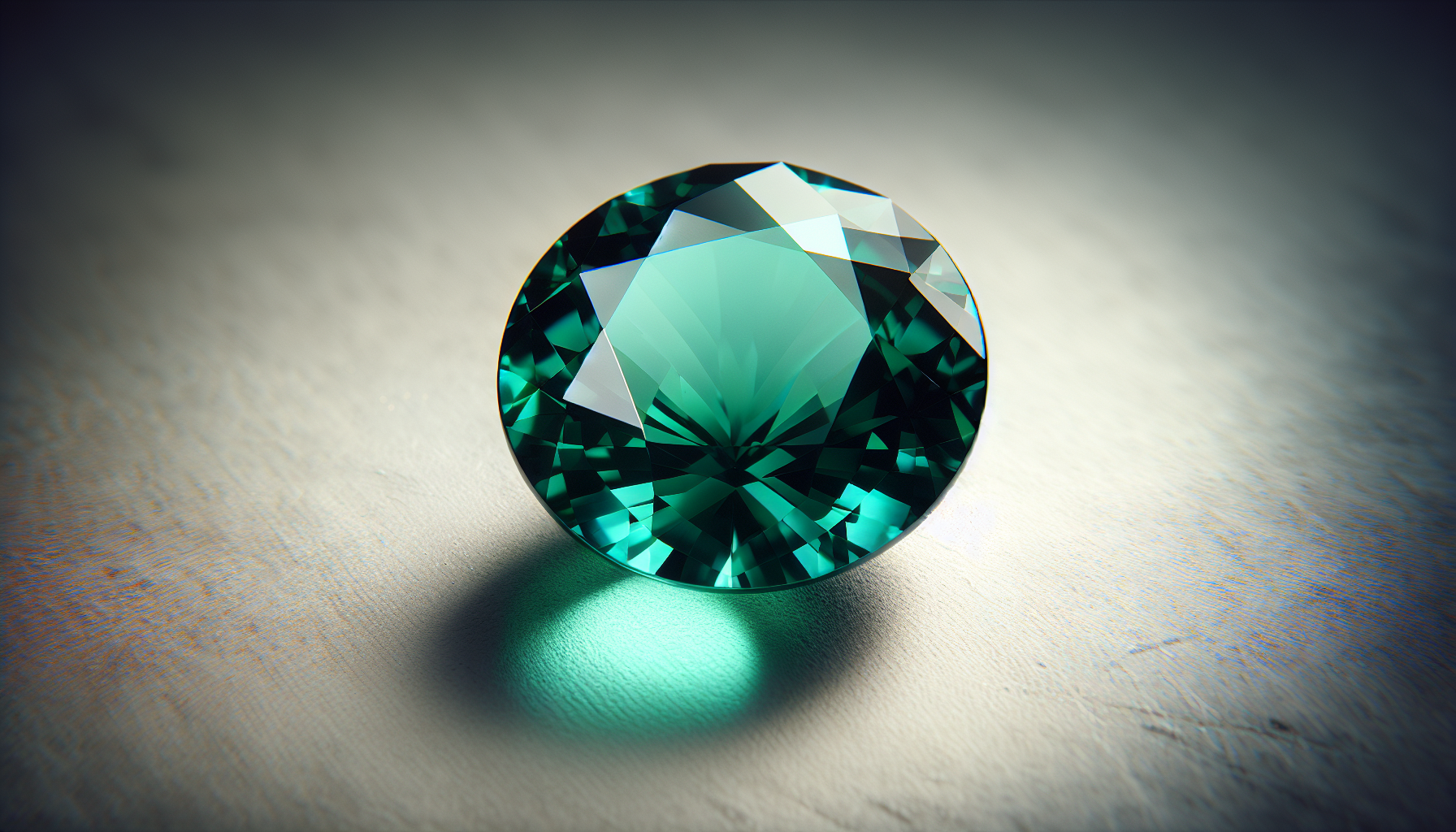

Are Green Sapphires Cheaper Than Blue?
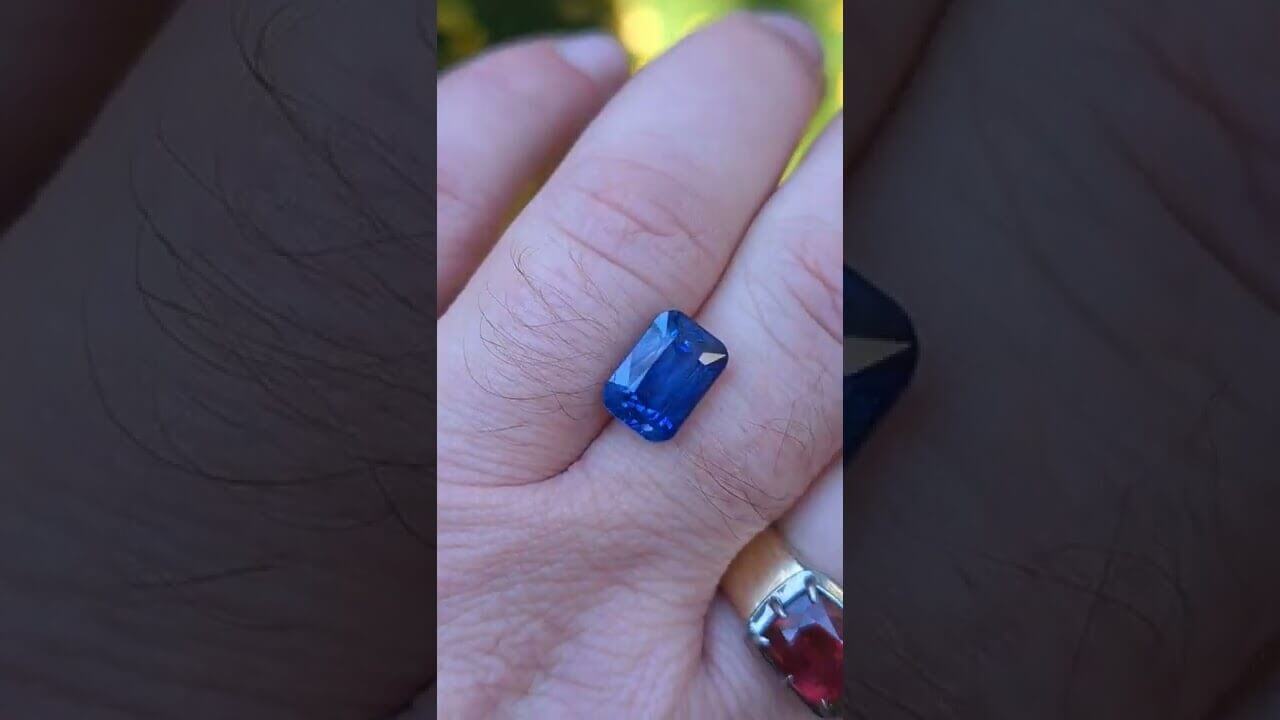
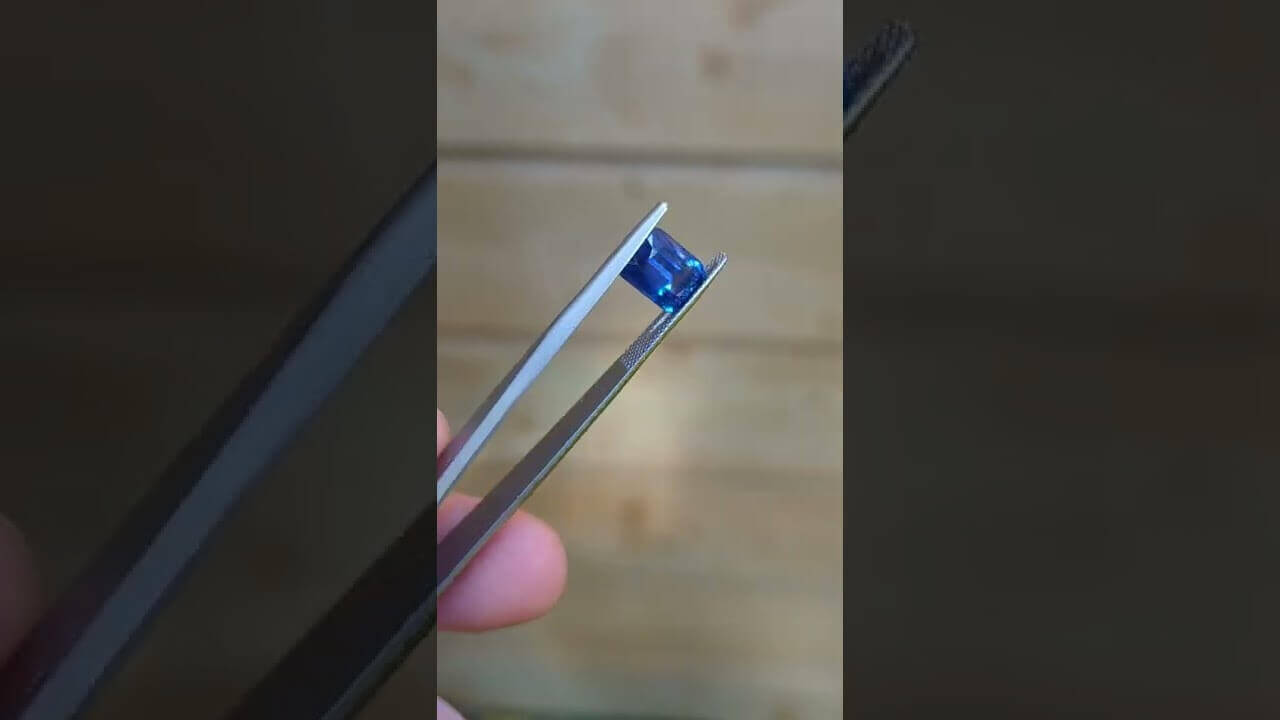
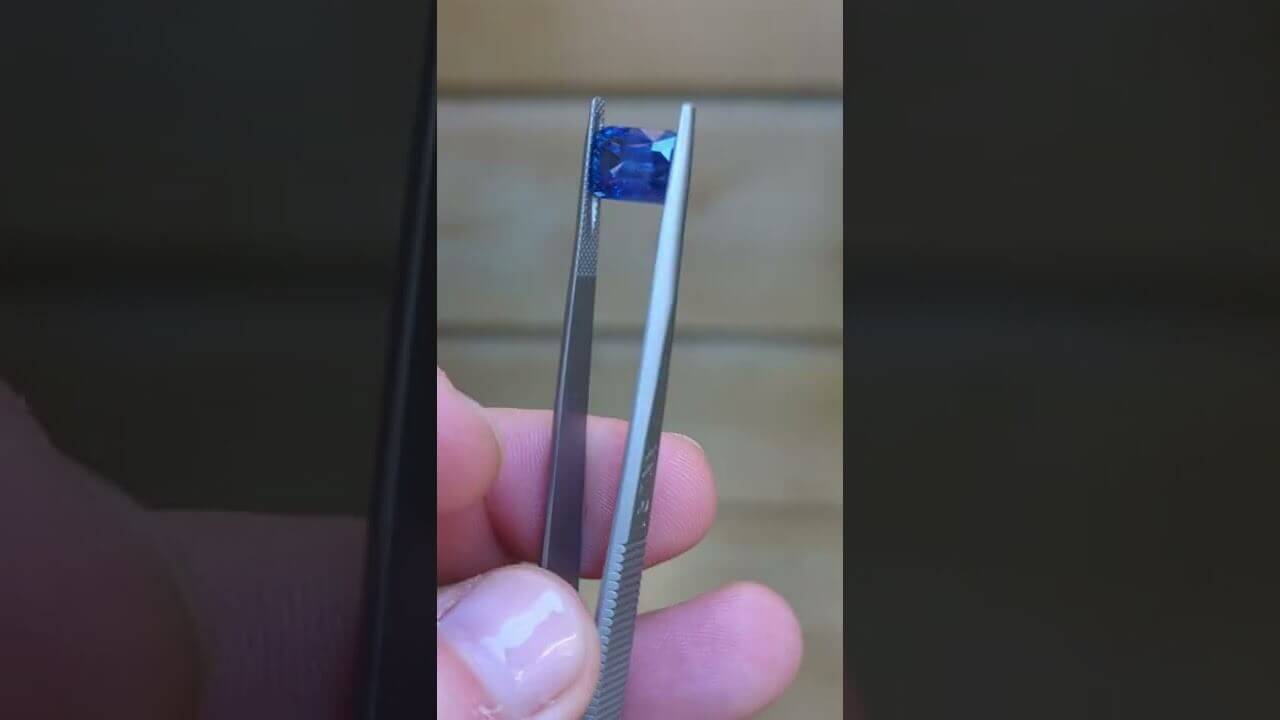
You’ve seen blue sapphires everywhere: engagement rings, vintage brooches, and the occasional TV show prop that’s worth more than your car. Green sapphires, by contrast, are the quiet relatives at family dinner—present, polite, and often overlooked. So are they cheaper? The short answer is: often yes, but with many important exceptions. The long answer requires a little history, a few chemistry lessons, and a pinch of market gossip.
What Is a Sapphire, Anyway?
A sapphire is the mineral corundum—aluminum oxide—which becomes a gem when it shows pleasing color, clarity, cut, and carat weight. If the corundum is red, it’s called a ruby. Any other color gets the label “sapphire,” so you have pink sapphires, yellow sapphires, and, yes, green sapphires.
You’ll find that the rules of pricing hinge less on the word “sapphire” and more on how your eye and the market respond to a particular color and quality.
Why Color Matters More Than You Think
Color is the single most important determinant of price for colored gemstones. For sapphires, the ideal blue—vivid, medium to strong saturation, neither too dark nor too light—commands the highest prices. Green sapphires sit on a spectrum that often includes bluish-green, yellowish-green, or olive tones. Those tones influence desirability profoundly.
If you like your green more grassy and bright, you may find fewer stones that meet your standard at low prices. If you accept a muted olive or teal, the market provides more options at friendlier price points.
How Market Demand Shapes Price
Markets have favorites. You’ve seen this: a restaurant that becomes suddenly trendy and then charges you $26 for something you used to eat for $12. Sapphires are similar. Blue sapphires have centuries of demand—royal patrons, birthstones, famous jewelry pieces—so they enjoy a premium. Green sapphires don’t have the same cultural cachet, so demand, historically, has been lower. Lower demand typically translates into lower average prices, all other quality factors being equal.
But trends shift. If designers start using green sapphires in high-profile collections, demand could spike, and so could prices. The market is not a static museum display.
Natural vs. Treated vs. Lab-Grown
One of the biggest price-driving factors is whether a sapphire is natural and untreated, natural and treated, or lab-grown.
- Natural, untreated sapphires are the rarest and usually the most expensive.
- Heat-treated sapphires are common; the treatment improves color and clarity and is widely accepted by the market, but it lowers price relative to untreated stones of similar appearance.
- Diffusion-treated sapphires and some beryllium treatments alter color more aggressively; they’re less valuable than heat-treated stones.
- Lab-grown sapphires have the same chemical composition as natural corundum but are typically far less expensive—sometimes an order of magnitude cheaper—because supply is controlled and production costs are lower.
When comparing green and blue, you must compare apples to apples: an untreated natural green sapphire against an untreated natural blue sapphire, a heat-treated green against a heat-treated blue, and so on. Green sapphires are more often sold without the “royal premium,” but a top-quality natural green can rival or exceed the price of a lower-quality blue.
Where Green Sapphires Come From
Origins can affect both price and desirability. Some regions have reputations that raise prices.
- Australia, New Zealand, and Montana (USA) are known sources for green and teal sapphires. Stones from these locations often have more muted tones—olive, forest green, or teal.
- Blue sapphires from Kashmir, Burma (Myanmar), and Sri Lanka (Ceylon) carry historical prestige and can fetch very high prices.
If you buy a green sapphire from a well-known deposit and it has exceptional color and clarity, it might be priced similarly to a mid-quality blue sapphire from a less prestigious source.
How Clarity, Cut, and Carat Affect Value
Clarity: You expect diamonds to be eye-clean; with colored stones, some inclusions are tolerated because color is king. Still, a green sapphire with good clarity will cost more than one that appears cloudy or heavily included.
Cut: A professional cut that maximizes color and brilliance can make a moderate stone look spectacular. Fancy cuts that enhance green hues can raise price, particularly when combined with precision craftsmanship.
Carat Weight: Prices typically increase with size, sometimes exponentially for high-quality stones. A 3-carat green sapphire of excellent color and clarity will be worth more per carat than a 0.75-carat example of similar quality.
Price Comparison Table: Typical Ranges
The following table gives rough price-per-carat ranges you might encounter in the retail market in US dollars. These are generalizations; individual stones may fall well outside these ranges.
| Type / Quality | Green Sapphire (USD per carat) | Blue Sapphire (USD per carat) |
|---|---|---|
| Commercial (cut, heat-treated) | $50 – $300 | $100 – $600 |
| Good quality (cut, heat-treated) | $200 – $800 | $400 – $3,000 |
| Very good (natural, slight treatments) | $600 – $2,000 | $1,500 – $8,000 |
| Fine/collector (natural, untreated, exceptional color) | $1,500 – $8,000+ | $5,000 – $50,000+ |
| Lab-grown (green or blue) | $20 – $200 | $20 – $500 |
These numbers are approximate and depend on many variables. Notice that while blue sapphires generally command higher prices, there are overlaps. A particularly fine green sapphire can match mid-range blue prices.
Why Some Green Sapphires Are Surprisingly Expensive
If you read “green sapphire” and imagine inexpensive vacation jewelry, you’re not wrong most of the time. But several factors can push a green sapphire’s price upward:
- Exceptional, vivid green saturation with uniform color.
- Eye-clean clarity and an expert cut that maximizes brilliance.
- Large carat weight with good color and clarity.
- Being an untreated natural stone from a recognized source.
- Rarity of the particular hue, such as a bright, pure green with no brown or yellow overtones.
When those factors align, the stone becomes collectible. Your green sapphire may suddenly feel like it belongs in a museum label: “A most curious specimen, cherished by a tiny, fervent community.”
Examples That Illustrate the Range
- A 1.5-carat heat-treated green sapphire from Australia with slightly muted olive color might cost $150–$400.
- A 2.5-carat vivid green, eye-clean, untreated sapphire from a noted deposit could cost $2,000–$6,000 or more.
- A blue Ceylon sapphire of similar size and quality will usually be higher—say $3,000–$12,000—because of stronger market demand and perceived prestige.
Treatments That Affect Price: What to Ask About
When shopping, ask the seller about treatments. Some keywords you’ll hear and what they mean for value:
- Heat-treated: Common and widely accepted; reduces price relative to untreated.
- Beryllium diffusion: Penetrates color more deeply; significantly lowers value.
- Surface diffusion: Color is only on a thin surface layer; lower value and risky for long-term wear.
- Irradiation: Rare for sapphires; disclose required and value impact is unclear.
Always ask for laboratory certification if you’re buying a higher-value stone. Labs like GIA, AGL, and SSEF provide reports that can settle questions about natural versus treated and origin claims.


Lab-Grown Green Sapphires: A Budget-Friendly Option
If your priority is color at the lowest cost, lab-grown is an excellent choice. Synthetic sapphires can be chemically and optically identical to natural stones. You’ll pay much less—often a small fraction of the price per carat of a comparable natural stone.
However, resale and collectible value for lab-grown stones remain low. If you treat jewelry as a fashion purchase rather than an investment, they’re a pragmatic and beautiful selection.
Is Green Rarity Real or Perceived?
Green sapphires are rarer than blue in terms of market visibility, but the geology doesn’t always make them objectively rare worldwide. Green hues can be quite common in certain deposits. The perception of rarity often comes from consumer awareness and how frequently the stones are marketed.
That said, truly vivid, pure green sapphires without brown or yellow modifiers are not common, and those can be prized and expensive.
How to Evaluate a Green Sapphire’s Value Yourself
You don’t need a gemology degree to make a competent assessment. Learn to ask and to look:
- Color: Is it vivid, medium, or muted? Does it have brown or yellow overtones?
- Clarity: Can you see inclusions with the naked eye?
- Cut: Does the cut maximize brilliance and color, or does it look shallow and lifeless?
- Carat: What size is it, and is color and clarity consistent in larger sizes?
- Treatment: Has the stone been treated? If yes, which way?
- Certification: Is there a lab report?
A quick rule of thumb: prefer color and cut first, then clarity, and use carat as the last deciding factor. A beautifully colored, smaller stone will often look more valuable than a larger, poorly colored one.
Buying Tips: How to Get the Best Price
- Compare like with like: make sure you’re comparing treated to treated, untreated to untreated, and natural to natural.
- Buy from reputable sellers who disclose treatments and provide testing or certification.
- Consider slightly offbeat hues if cost is a concern—teal or bluish-green stones can be less expensive but still gorgeous.
- Negotiate: retail price leaves room for negotiation, especially for non-branded pieces.
- Don’t confuse sentimental language with intrinsic value; “rare” is used quite liberally in jewelry marketing.
Table: Quick Checklist for Buying Green vs. Blue Sapphires
| Question to Ask | Why It Matters |
|---|---|
| Is the stone natural, treated, or lab-grown? | Treatment and origin heavily influence price and resale value. |
| Is there a lab report? | Independent verification protects you from overpaying. |
| What is the exact color description? | Small color differences can mean big price differences. |
| Are there inclusions visible to the naked eye? | Clarity affects both beauty and value. |
| What is the provenance? | Prestige of origin can raise price, especially for blue sapphires. |
| Can you see price comparisons for similar stones? | Helps you determine market rate and negotiate. |
Longevity, Hardness, and Everyday Wear
Sapphires are durable: they score a 9 on the Mohs scale, second only to diamond for common jewelry gems. Whether blue or green, a sapphire will stand up to daily wear much better than, say, a tanzanite or an opal. So if you’re choosing a colored gem for a ring that you’ll wear every day, sapphire—green or blue—is a sensible choice.
Durability doesn’t equal invulnerability. Avoid harsh blows, and don’t assume treatments won’t be affected by high heat or chemical exposure.
Resale and Investment Considerations
You shouldn’t buy green sapphires expecting blue-sapphire prices unless you’ve purchased something truly exceptional or rare. Blue sapphires historically retain value better because of steady demand and strong auction records. Green sapphires can appreciate, but their secondary market is smaller and less predictable.
If your focus is investment, insist on high-quality, certified, natural, untreated stones and choose colors and origins that have historical market interest.
Ethical and Environmental Sourcing
You may care about where your gemstone originates and whether it was mined responsibly. Some mines have problematic histories—poor labor conditions or environmental degradation. Ask sellers about ethical sourcing, and look for those who provide traceability or certifications tied to responsible mining. This can sometimes add to cost, but it also aligns your purchase with certain values and reduces buyer’s remorse.
Common Misconceptions
- Misconception: Green sapphires are always cheap. Reality: Many are affordable, but high-quality greens can be expensive.
- Misconception: Green sapphires are actually emeralds. Reality: They’re different minerals. Emeralds (beryl) have a different chemical makeup and different clarity profile.
- Misconception: Lab-grown means inferior. Reality: In terms of physical properties, lab-grown sapphires can be identical; only origin and market perception differ.
Care and Maintenance for Your Sapphire
You’ll be glad to know that sapphire care is straightforward:
- Clean with warm soapy water and a soft brush.
- Avoid harsh cleaners and ultrasonic machines for stones that may have filling or certain treatments.
- Store separately to avoid abrasions from harder stones or metal settings.
A well-cared-for sapphire will remain beautiful for generations.
When Green Might Be the Better Choice for You
- If you want something less conventional but still durable for everyday wear.
- If you like a subtler, earthy tone that complements warm metals like yellow or rose gold.
- If you’re budget-conscious but still want natural stone beauty; green often gives better color for less money.
- If you appreciate the idea of owning something a little offbeat, which you won’t see at every engagement party.
When Blue Might Be the Better Choice for You
- If you value historical prestige and are willing to pay for it.
- If you want the classic, instantly recognizable sapphire color.
- If you care about long-term resale and potential investment.
- If the piece has symbolic or traditional meaning attached to blue.
How to Decide: A Practical Buying Roadmap
- Decide your priorities: look, budget, investment, or ethical sourcing.
- Set a realistic budget and research stones within that range.
- Ask for lab reports for anything above modest price points.
- Compare stones side-by-side, or through good photos and videos when buying online.
- Consider setting and metal: a green sapphire in rose gold looks different than one in white gold.
- If in doubt, pay a jeweler for an independent appraisal before purchase.
Final Thoughts
You want a concise takeaway: green sapphires are generally less expensive than blue sapphires when comparing typical commercial-quality stones; however, the spectrum of prices overlaps significantly. Factors like color intensity, clarity, treatment, origin, carat weight, and certification play larger roles in pricing than the simple label of “green” or “blue.”
Think of blue sapphires as the celebrity everyone recognizes, and green sapphires as the quietly charismatic neighbor who, once you get to know them, becomes far more interesting than the person with the red carpet. Your wallet will probably appreciate the neighbor. If you like the look of green and you ask the right questions, you can get a beautiful, durable stone without the blue-sapphire premium.
Frequently Asked Questions
Are green sapphires real sapphires?
Yes. They are corundum, the same mineral as blue sapphires and rubies. Color is the distinguishing factor, not the mineral species.
Will a green sapphire be less durable than a blue one?
No. Both are sapphires and share the same hardness and general durability. The only caveat is treatments that affect structural integrity, but those are rare for well-cut sapphires.
Should you buy lab-grown or natural?
If you prioritize price and ethical certainty, lab-grown can be a great choice. If you want natural rarity and potential resale, natural and untreated stones are preferable.
Is it easy to find certified green sapphires?
Yes, but for high-value pieces, insist on reputable labs and clear disclosures about treatments.
Can a green sapphire change color under different lighting?
Some sapphires can appear more bluish or yellowish depending on light source. This is normal and should be evaluated in multiple light settings when possible.
If you want, you can tell me your budget, preferred metal, and whether you prioritize untreated natural stones; I can suggest what to look for and give sample price-appropriate recommendations. Or, if you prefer, I can help you draft questions to ask a seller so you don’t accidentally buy the “royally overpriced” cousin at a family dinner.