Have you ever found yourself lost in the vibrant colors of sapphires, wondering about the differences between green and blue? You might be considering a new piece of jewelry or just curious about why one hue could be more affordable than the other. It’s a topic that combines a love for beauty, a keen interest in geology, and a dash of economics. Let’s embark on this journey to uncover the nuances between the green and blue varieties of sapphires and see which might be friendlier to your wallet.


What Gives Sapphires Their Color?
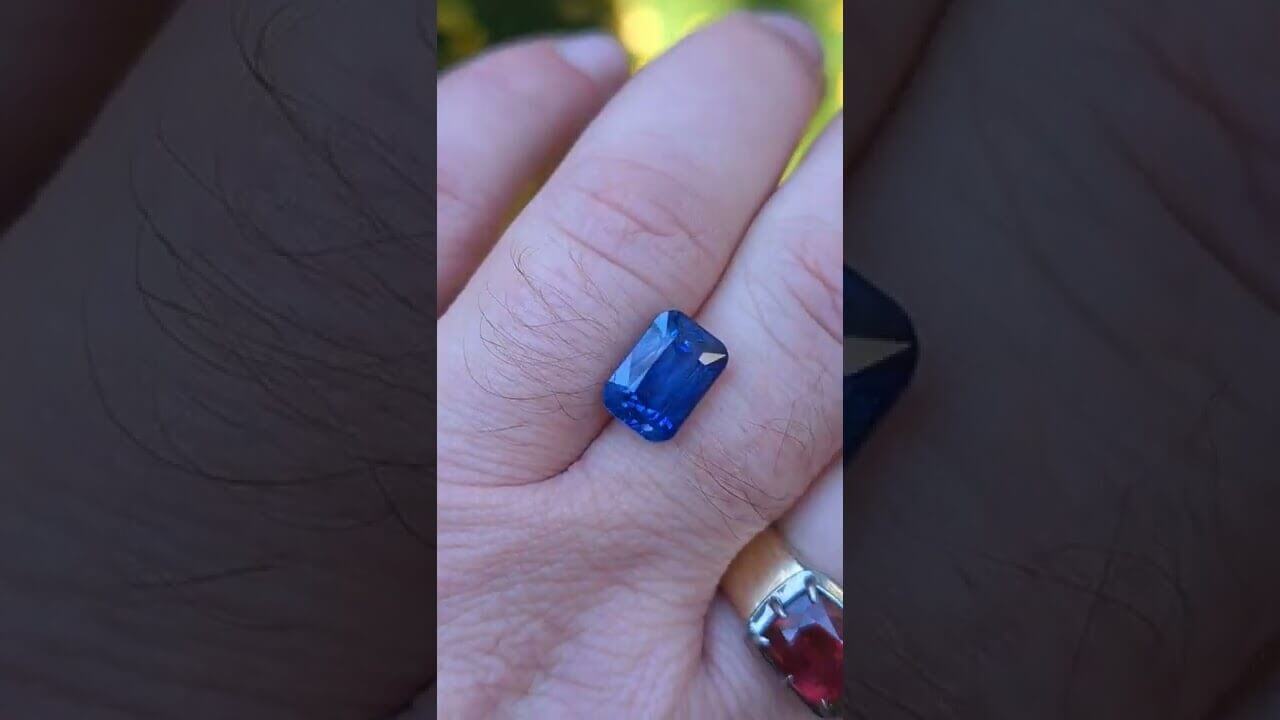
Sapphires, the captivating gemstones beloved by many, derive their colors from trace elements present during their formation. Think about them like nature’s own mood ring, minus the gaudy 1970s setting. The blue sapphire owes its iconic hue to corundum mixing with elements like titanium and iron. This creates the mesmerizing blue that has been adored by royalty and commoners alike for centuries.
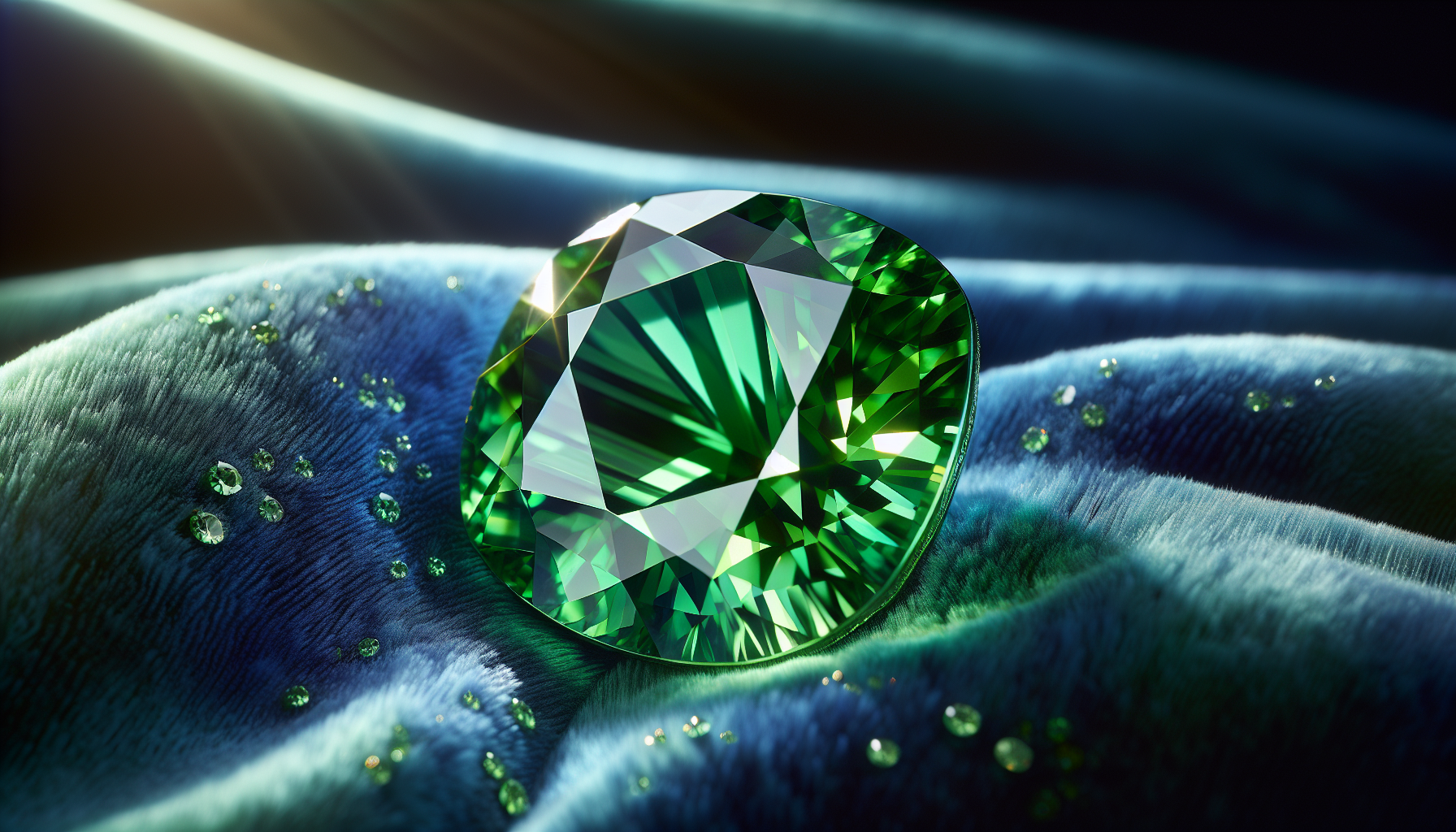
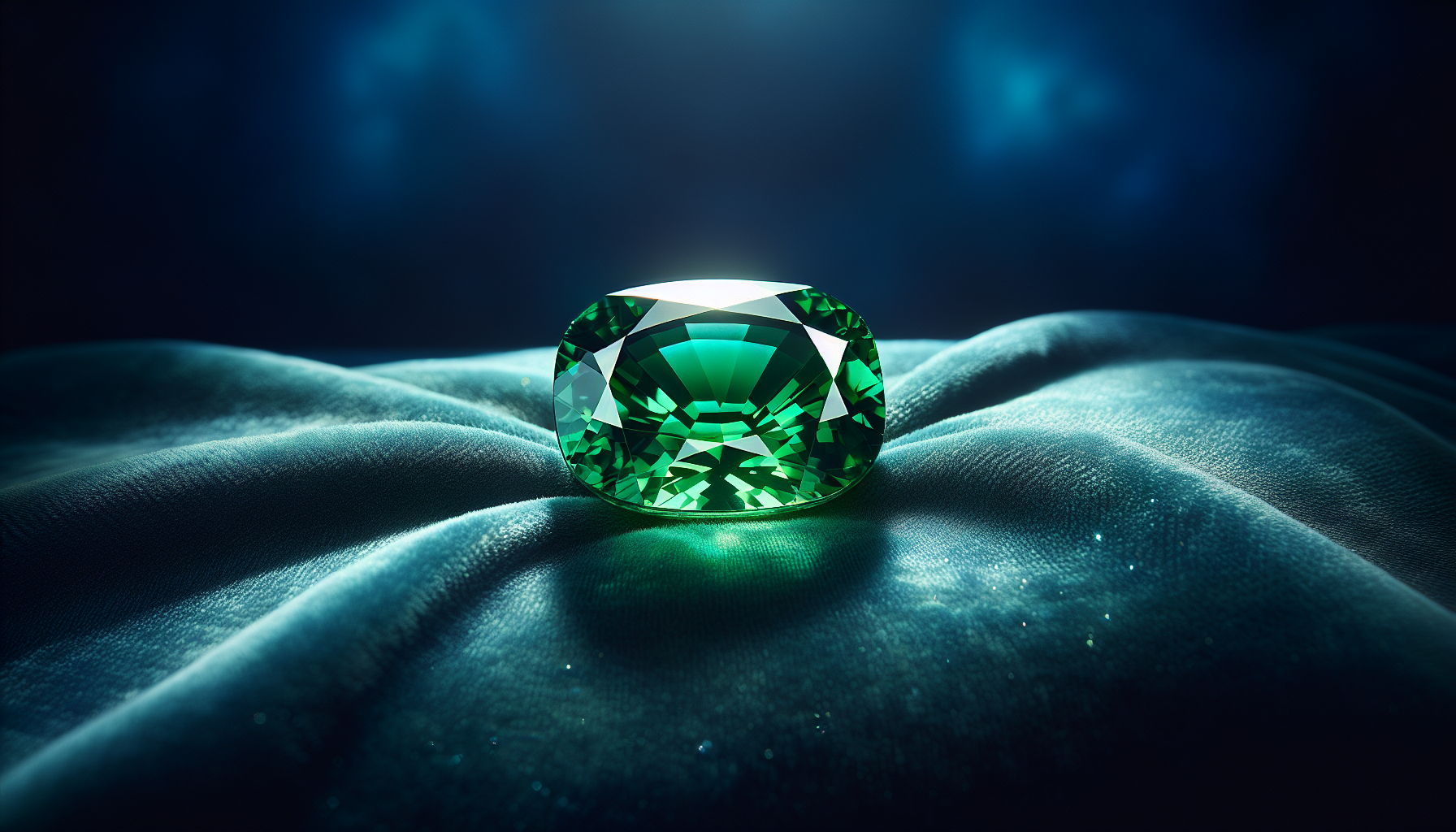
On the other hand, green sapphires are not shy in showing off their individuality either. Their verdant tones come from a different mix, prominently involving iron and often vanadium in conjunction. The concoction of these elements variably results in lush greens that resemble the rich foliage of an untouched forest.
Rarity and Value: How Does Color Play a Role?
Value often hinges on rarity—an age-old principle that definitely applies to sapphires. Blue sapphires are classic; their saturated color and brilliance have made them a timeless favorite and by extension, often associated with royalty and wealth. These factors increase their desirability in the gemstone market, driving both demand and prices up.
Green sapphires, while beautiful and vibrant, often sneak into the scene with a bit less fanfare. It turns out, they are generally available in larger quantities compared to their blue cousins, which means they usually come with a narrower price tag attached. They linger in the shadow of the blue but offer a unique charm reminiscent of emeralds—without the bank-breaking price point.
| Feature | Blue Sapphire | Green Sapphire |
|---|---|---|
| Iconicity | Classic and renowned | Unique and underrated |
| Primary Trace Elements | Titanium, Iron | Iron, Vanadium |
| Market Demand | High | Moderate |
| Typical Pricing Tier | Higher | Lower |

A Closer Look at Mining and Sources
Where sapphires are sourced can hugely impact both price and perception. The most famous blue sapphires come from locales in Sri Lanka, Myanmar, and Madagascar. These regions are essentially the ‘cool kids’ in the gemstone schoolyard, with an air of prestige that adds to value and rarity perception.
Green sapphires predominantly hail from Australia, Thailand, and Kenya. Although not exactly on the royal gemstone circuit, these regions offer stones with an exciting color palette and notable availability. So, while blue sapphires may travel with a celebrity entourage, green ones take a refreshing route with more sustainable quantities.
The Consumer’s Perspective: Style and Preference
Preferences are subjective, just like our taste in coffee or the music you involuntarily dance to when no one’s looking. Blue sapphires, thanks to their historical association with purity, loyalty, and royal fascination, often take the center stage at elegant soirées, drawing eyes with a cool yet majestic allure.
Green sapphires, however, cater to a crowd that relishes standing out. The stones offer a fresh alternative to more common gems like emeralds, at times providing superior durability and richness in the green spectrum. For someone looking to defy tradition or make a statement, green might just be your hue.
Quality Standards and What Affects Pricing
Not all sapphires are created equal, which is generally comforting when contemplating serious purchases. The value of any sapphire, regardless of color, largely depends on its color, clarity, cut, and carat weight—the well-touted Four Cs of gemstone valuation.
Colors: Beyond the Blues and Greens
Color might be king, but you’ve always got to meet the in-laws in gemstone parlance. For both green and blue sapphires, the less undertones (like the yellow in green sapphires or the gray in blue ones), the more vibrant and desirable the stone becomes. Green sapphires, for instance, are particularly valued when they resemble the rich green of a rolling hill under sunlight.
Clarity: Is It as Clear as Day?
Clarity assesses the inclusions within a gemstone. A sapphire much like your wardrobe, benefits from minimal distractions. Green sapphires often boast superior clarity compared to their blue counterparts, which might hint at inclusions even in high-quality stones. This can make green sapphires more appealing at a fundamentally structural level to those bent on clarity.
Cut: Shape Matters
The ability of a gem to ‘wow’ onlookers heavily relies on its cut. Both green and blue sapphires, to best exhibit their color, require skilled cutting to maximize brilliance. A well-executed cut can turn a potential wallflower sapphire into the belle of the ball.
Carat Weight: Bigger Isn’t Always Better
Carat weight influences value, but much like with cakes, bigger doesn’t always mean tastier or more desirable. Large blue sapphires with ideal clarity and cut are exceptionally rare and costly. Green sapphires can provide opportunities to purchase larger stones with appealing color and clarity, without the price reaching orbit.
Treatment: Enhancing Nature’s Craft
To improve quality, some sapphires undergo treatments like heat treatment—a process that ought to be disclosed by ethical sellers but isn’t always the villain it’s made out to be. People may often frown upon it like it’s an overrated Hollywood movie, but it’s actually been approved for achieving enhanced color and clarity without damaging the stone’s natural beauty, and can help balance cost.
Ethical Considerations: Choosing the Right Path
With the world becoming more globally conscious about sustainable practices—and you definitely not wanting to support any dodgy dealings—ethical sourcing of sapphires is a crucial factor to consider. Both green and blue sapphires carry ethical mining practices, largely dependent on their country of origin. Ensure your dazzling new adornment isn’t helping fund practices that don’t align with your values.
The Final Verdict: Your Choice
If you value historical significance and coated elegance, and don’t mind splurging a bit, blue sapphires will unlikely disappoint you. However, if you lean towards unique hues and are drawn to the idea of affordable allure, green sapphires await like an earthy dream. They bring a refreshing vigor that can stand shoulder to shoulder with pricier siblings.
Ultimately, your choice of sapphire is an intimate reflection of your personality and values, echoing what attracts you, represents you, and what you wish to showcase to the world. Whether you lean towards the mystical blue or fresh green, your selected sapphire will undoubtedly bring a twinkle to your entourage. Whatever your choice, it’s sure to be a gem among gems.