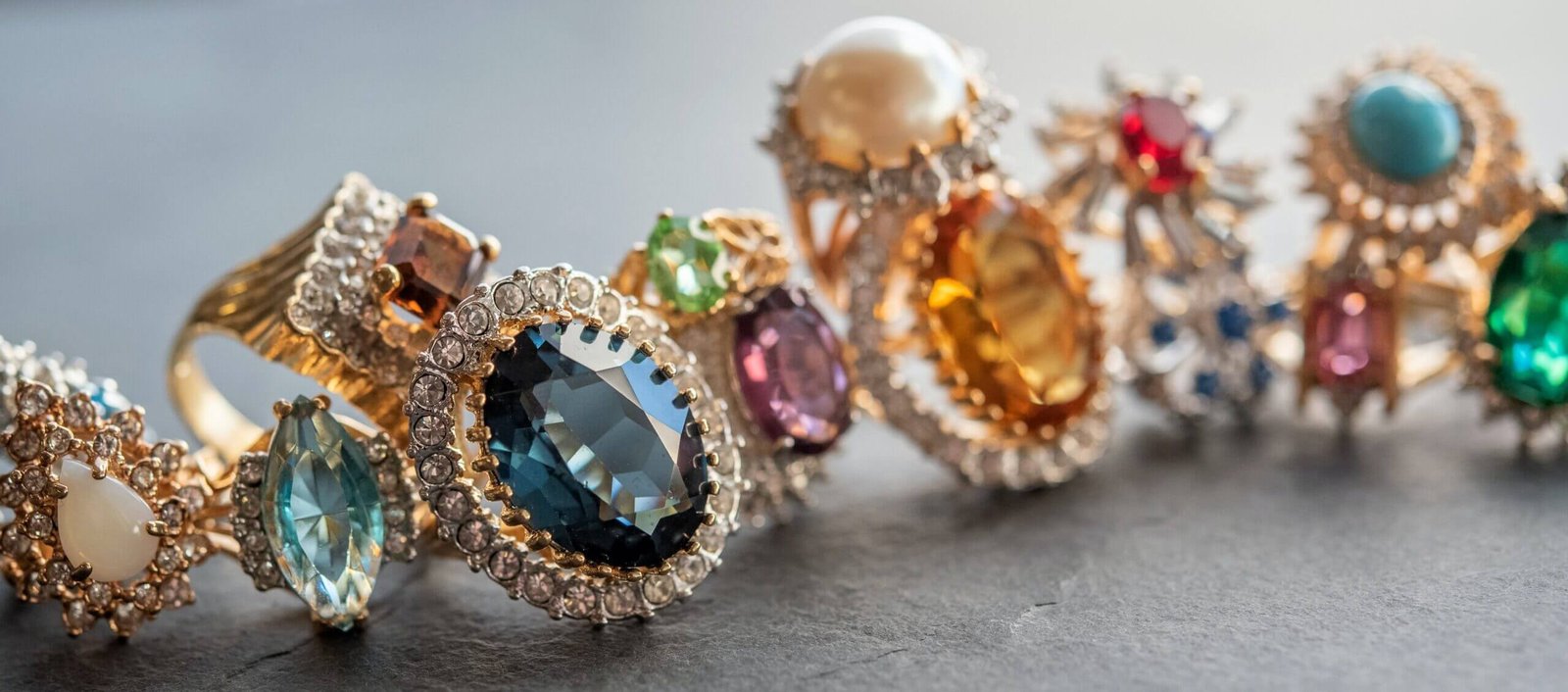
Have you ever paused to wonder if the value of a sapphire might surpass that of a diamond? It’s a question that people often muse about, particularly when gazing at the varied shades of blue that sapphires offer, as opposed to the sparkling clarity of a diamond. Both gemstones hold distinct places in the world of jewelry, yet their appeal is more complex than simply determining which one is more valuable.


Understanding Gemstone Value
When you begin to assess gemstone value, it’s essential to consider the concept of value itself. Is it solely a monetary measure, or does sentimental value count for something as well? Generally, gemstone value is measured by several factors, including rarity, demand, beauty, and even cultural significance. Unlike an algebraic equation, where you can neatly sum up variables for a final score, gemstone valuation requires a more nuanced approach.
The Criteria for Evaluating Gemstones
There are four basic criteria used in the evaluation of gemstones, often referred to as the Four Cs: Color, Clarity, Cut, and Carat Weight. Of course, factors like where a gemstone is mined or whether it has historical significance or celebrity allure can further influence value. Let’s break down the four fundamental elements to better understand what each brings to the table:
Color: This is often the most crucial factor, especially for colored gemstones like sapphires. The range from the deep blues of sapphires to the clear brilliance of diamonds provides endless fascination and sometimes frustration for buyers and sellers alike.
Clarity: This involves how free a stone is from internal blemishes, known as inclusions. Diamonds are especially rated on clarity because their inherent value lies in their sparkle and brilliance.
Cut: A well-cut stone can dramatically impact its overall beauty and value. Have you ever seen a poorly cut gemstone? It doesn’t do justice to the precious material it comes from.
Carat Weight: Often the most straightforward aspect to grasp, carat weight refers to the size of the gemstone. Larger stones generally fetch higher prices, but the other three Cs must also contribute favorably for a gemstone to truly be valuable.
Sapphires: A World of Color
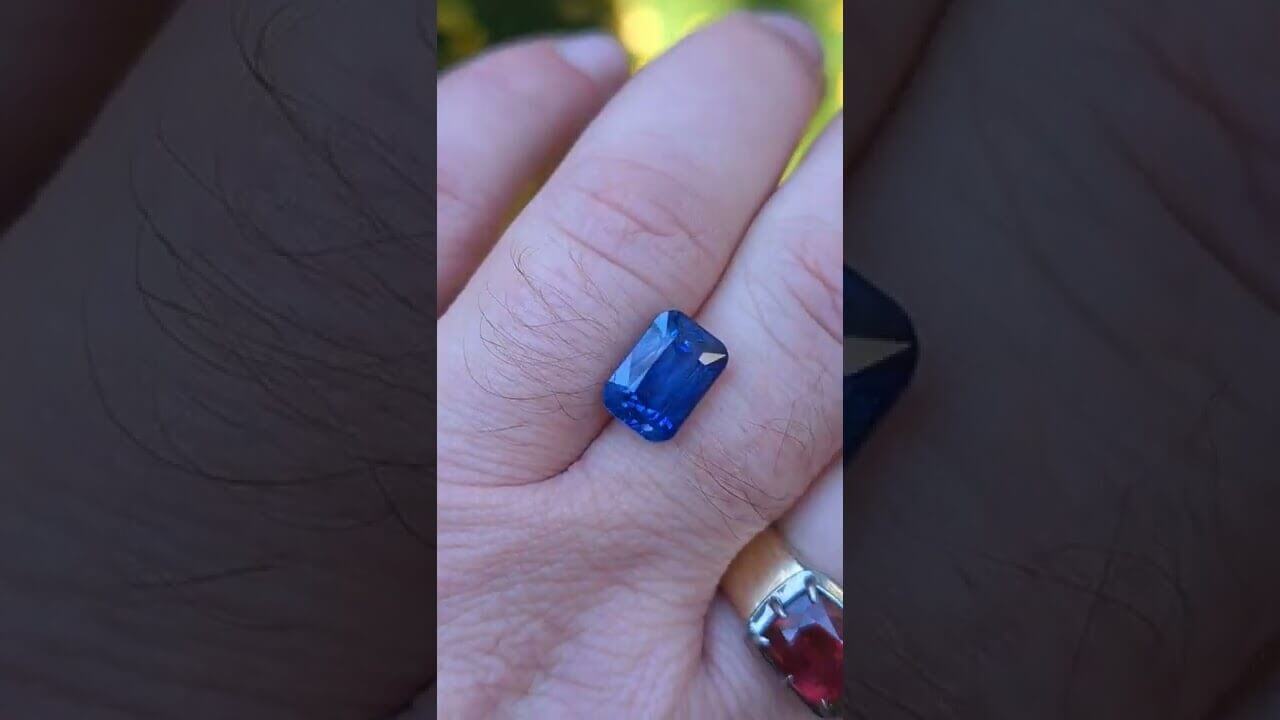
If you’ve ever been captivated by sapphires, you’re not alone. These gemstones come in various colors, although the deep blue variety is typically what comes to mind. From Montana to Kashmir, and Madagascar to Sri Lanka, sapphires offer a global story. Despite their varied hues and locations, they share a common allure that draws collectors and enthusiasts alike.
The Allure of Blue Sapphires
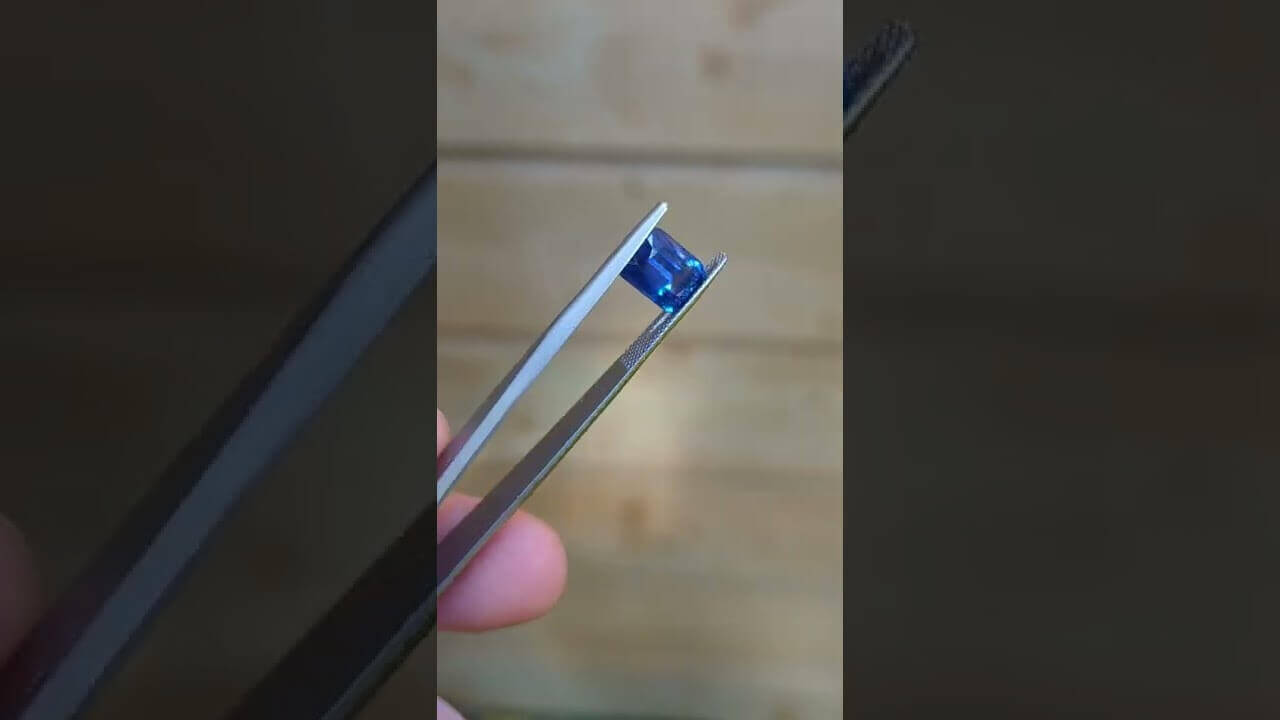
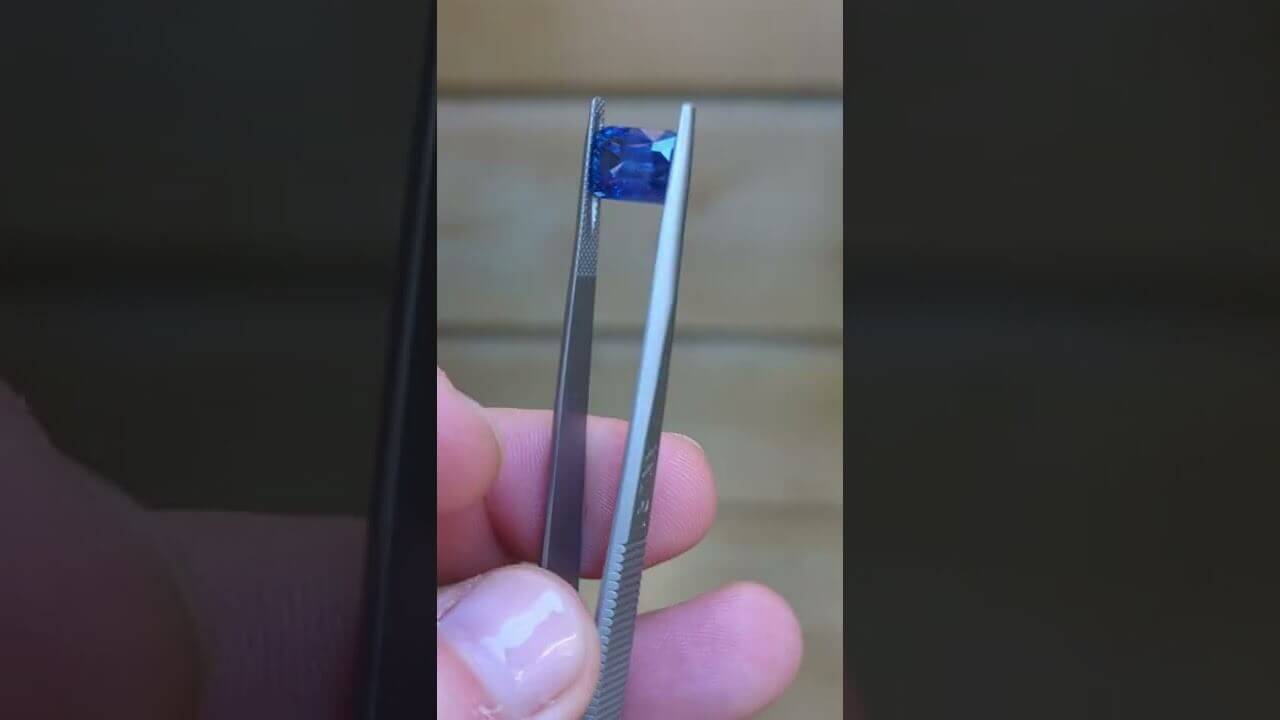
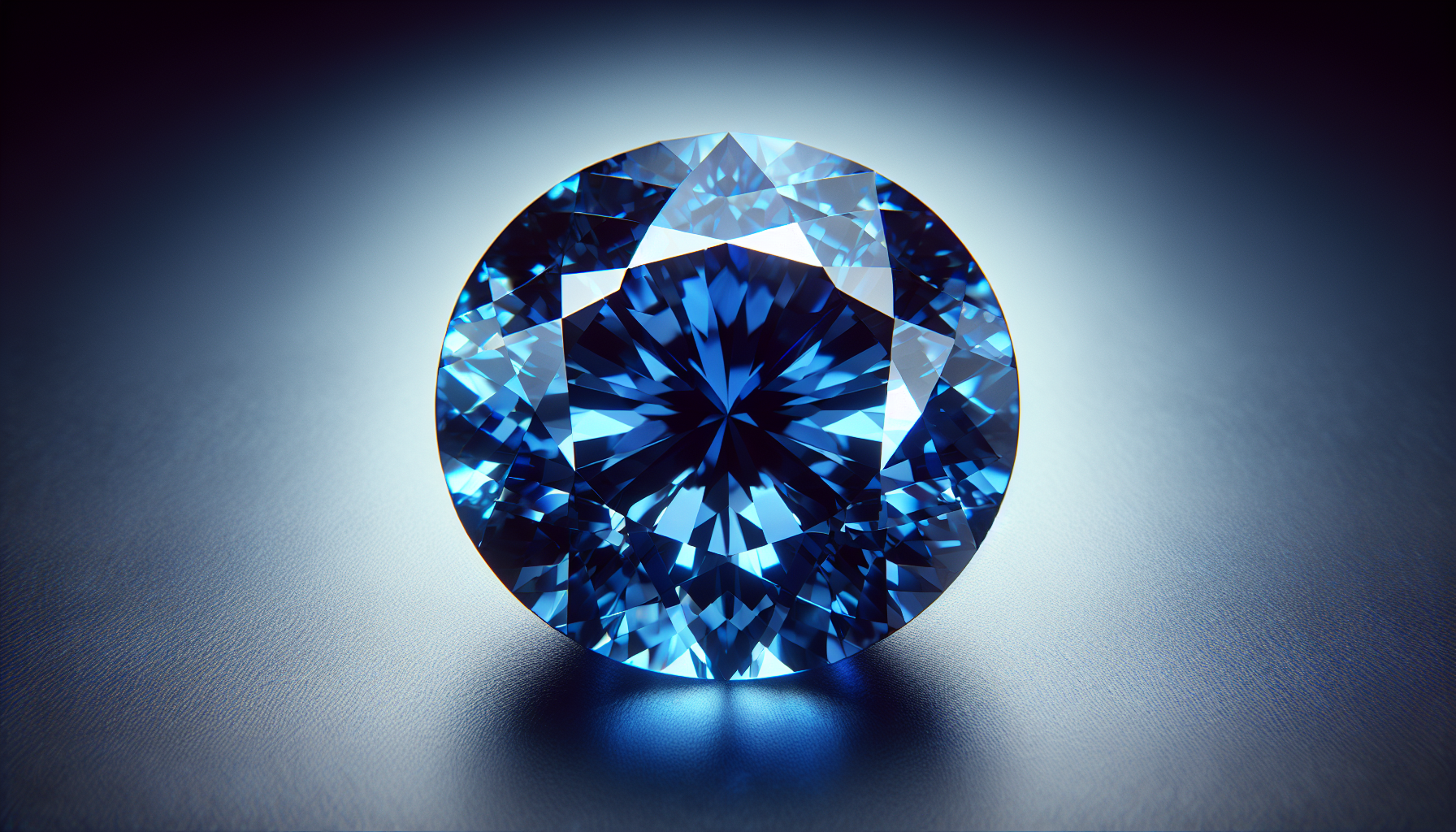
The vividness of a blue sapphire is unlike that of a diamond. Its rich, mesmerizing hue often reminds people of the ocean or the deep twilight sky. In terms of value, blue sapphires are the most sought after, but they must have vivid, even color and few inclusions to be considered truly valuable.
Rare Sapphires and Their Unique Appeal
Sapphires also appear in a range of exotic colors, from yellows to pinks, and even more elusive padparadscha sapphires, which boast a unique mix of pink and orange hues. The rarity of these colors can increase their value significantly. Ask any gemologist, and they will tell you about the value added by a sapphire’s color zoning and pleochroism—distinctive characteristics that make each stone uniquely captivating.

Understanding Diamond Value
Now consider the diamond. For many, diamonds symbolize purity, social status, and everlasting love. Diamonds might lack sapphires’ color variety, but they make up for it in brilliance.
The Unmatched Brilliance of Diamonds
Diamonds sparkle like no other gemstone. This unmatched brilliance results from their incredible light dispersion properties that create the fire and scintillation often associated with these stones. If brilliance is your priority, diamonds have little competition.
Historical Milestones
The “Diamond is Forever” campaign from the mid-20th century played a pivotal role in shaping our current perception of diamond value. Though diamonds have ruled the engagement ring market for decades, it’s crucial to understand that their perceived value is not solely based on their inherent worth.
Rarity and Availability: A Comparison
Rarity often dictates value, but availability also plays a part. If you imagine a gemstone like a rare wine, sapphires might be akin to a limited vintage collector’s bottle, whereas diamonds seem to flood the market, albeit in exquisite glory.
The Distribution of Sapphires
While sapphires aren’t exceedingly rare, specific colors or origins can make them highly sought after. Particularly rare sapphires from places like Kashmir and Myanmar can command prices equal to or greater than diamonds.
The Abundance of Diamonds
Misunderstanding surrounds the diamond market; while diamonds are marketed as rare, they are mined in large quantities and stored by major companies to maintain exclusivity perception. You might find this aspect surprising, but it’s a well-established business model that sustains their allure.
Cultural and Sentimental Value
In the context of cultural and sentimental significance, the intrinsic value of gemstones becomes intensely personal. Both sapphires and diamonds carry rich histories and emotional narratives, rendering them priceless beyond their economic value.
The Historical Journey of Sapphires
Sapphires historically have adorned royalty and continue to captivate the public imagination. From the British Crown Jewels to royalty around the world claiming this gem as part of their heritage, the sapphire’s tale is both fascinating and timeless.
Diamonds: A Universal Symbol of Love
From Hollywood royalty to real-life aristocratic engagements, diamonds have held their ground as the premier gemstone for celebrating love and unity. The deep-rooted tradition fortifies their prominence and keeps them perpetually popular.
Price Point Considerations
If you’re sulking through gemstone catalogs, it’s worth noting that you can often find a sapphire that meets your needs for an engagement or any special occasion at a lesser price point than diamonds. Here, flexibility matters.
Standard Pricing Models
Consider requiring a breakdown of pricing based on common market data. Here’s a simplified table to guide your understanding:
| Gemstone | Price Range (per Carat) | Factors Affecting Price |
|---|---|---|
| Sapphires | $600 – $6,000+ | Color, origin, clarity |
| Diamonds | $2,500 – $18,000+ | Cut, clarity, color, weight |
The relative price difference can impact your choice more than you might initially assume.
Potential Investment Value
If you’re contemplating gemstones from an investment perspective, consider the long-term value expansion. Some rare sapphires have seen significant value appreciation over the years, turning them into desirable assets. However, keep in mind the cyclical and unpredictable nature of market demand.
Making a Personal Decision
Ultimately, the value of a gemstone may well depend on what it means for you personally. Your choice might not hinge on which gem might fetch a higher price at auction but rather which stone resonates more with your spirit.
Sapphires for the Artistic Soul
You may find sapphires more appealing if you are drawn to vibrant colors or places a historical or emotional touch on gems. Their varied palette offers something to satisfy even the most eclectic tastes.
Diamonds for Tradition and Brilliance
If tradition and brilliance are significant factors in your decision-making, diamonds remain the classic choice. From engagement rings to heirlooms, diamonds have a unique way of conveying a timeless quality that remains unmatched.
Final Thoughts
Is it possible to declare sapphires as more valuable than diamonds outright? The answer lies not in a straightforward yes or no but rather in the multifaceted charms each gemstone harbors. Both offer unique attractions that can alter their perceived and actual worth. Deciding between the two isn’t solely about numbers; it’s an invitation to appreciate beauty, rarity, and the emotional resonance they bring into our lives. So when considering if sapphires are more valuable than diamonds, maybe the real question is: What’s more valuable to you?