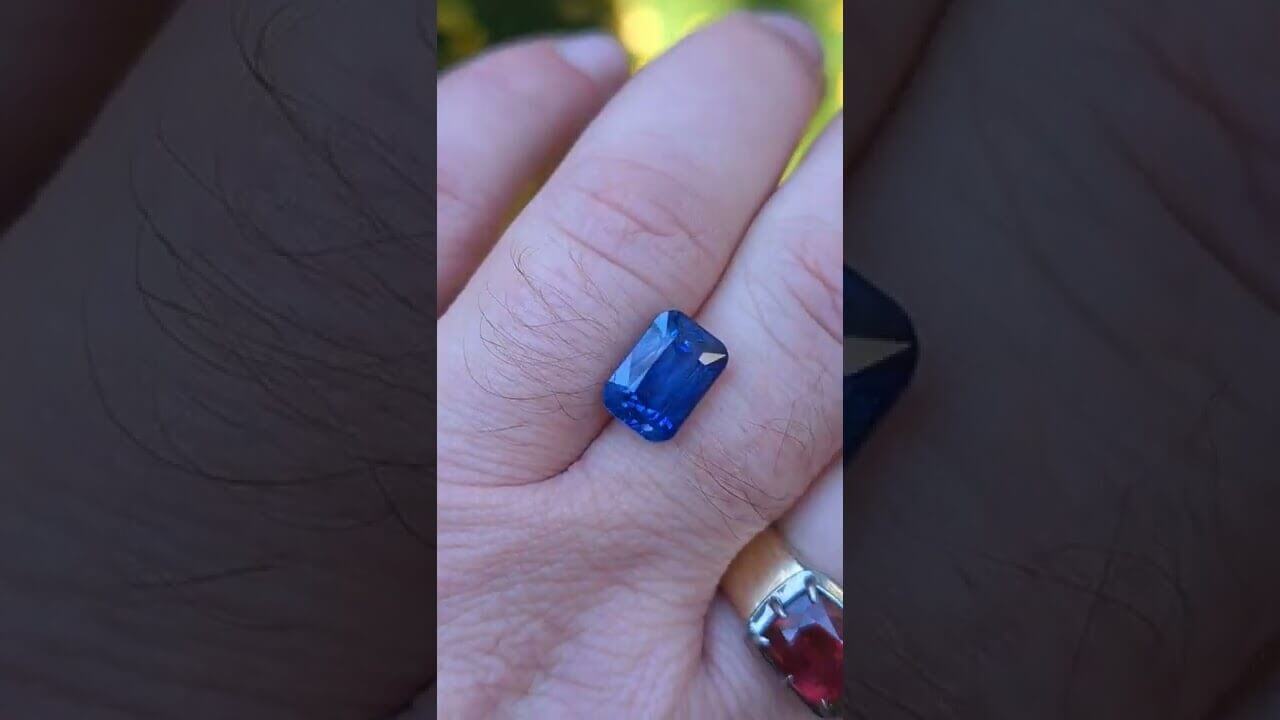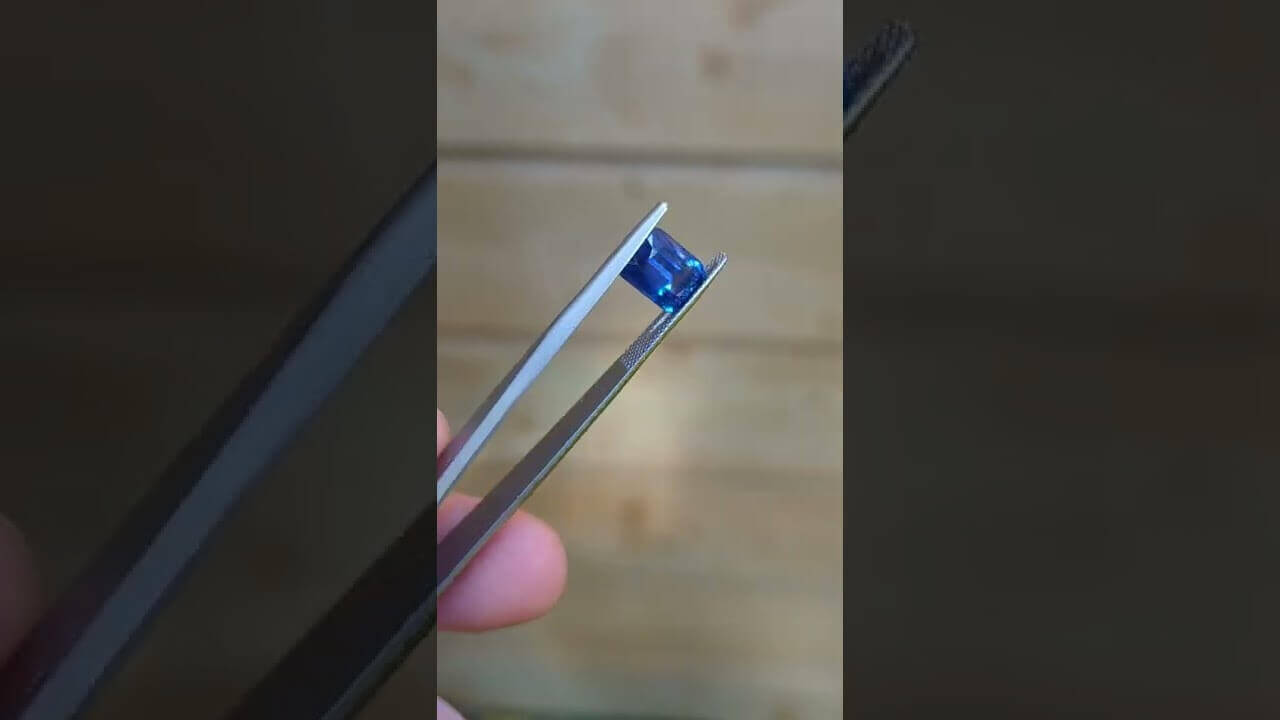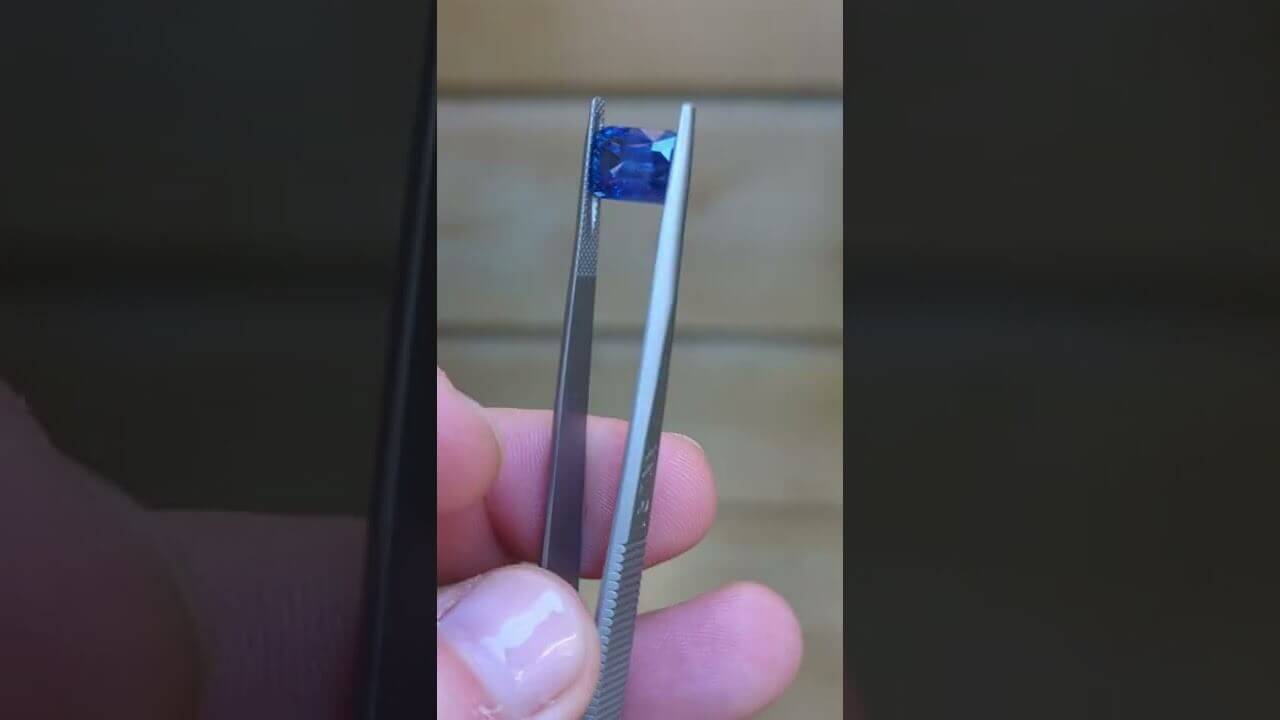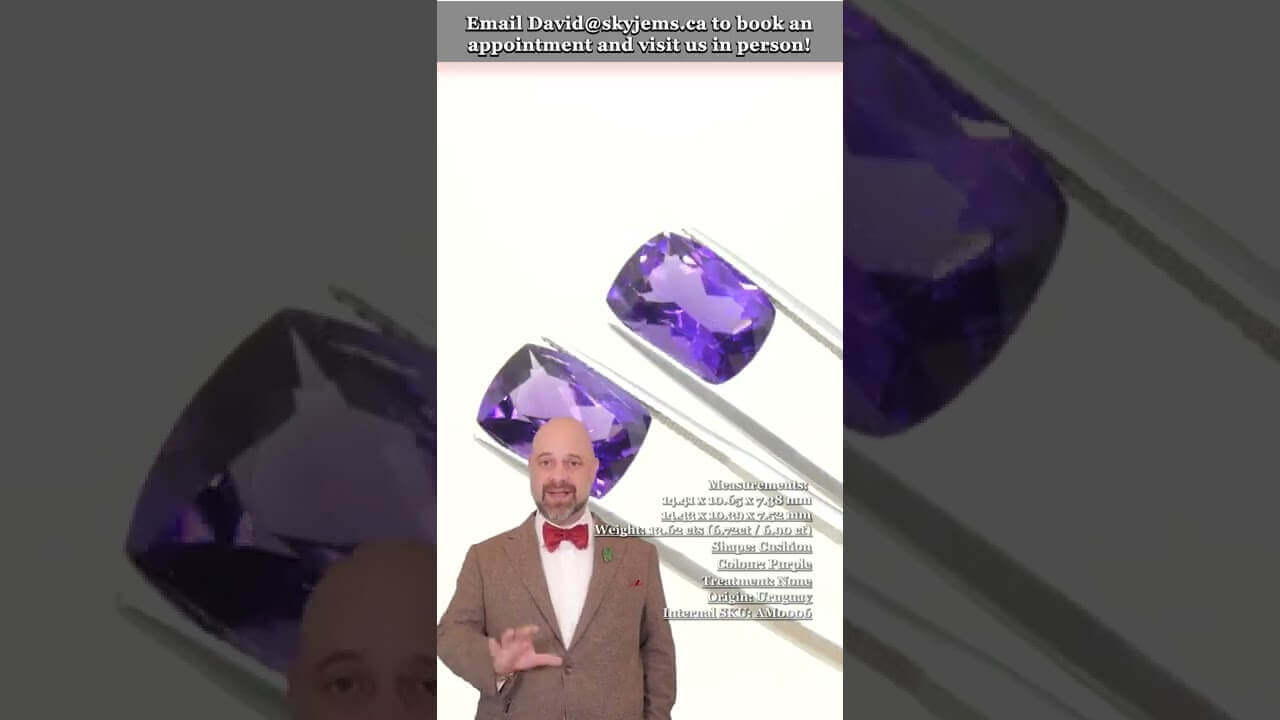
Have you ever held a sapphire and wondered whether its color tells the whole story — or whether that color is just one chapter in a book you haven’t read yet?


Do Sapphires Come In All Colours?
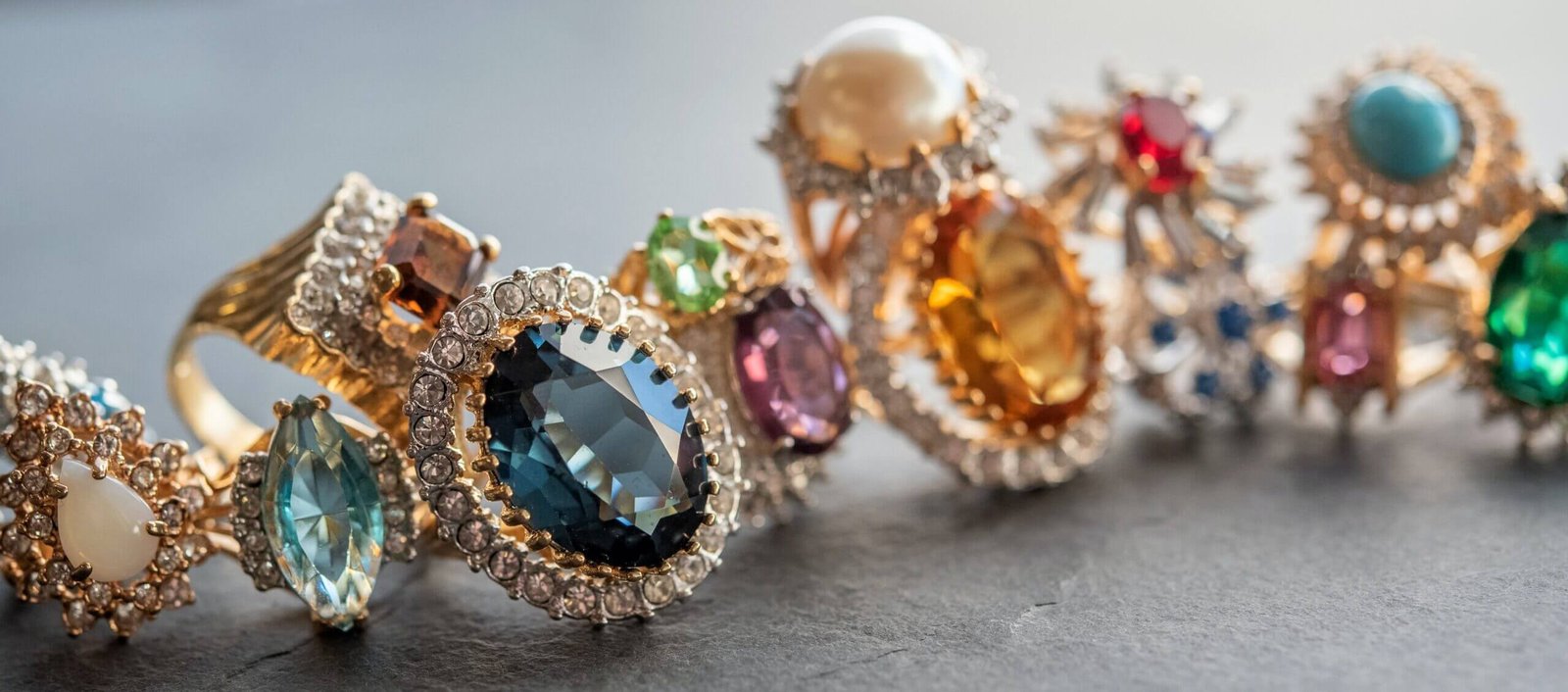
You probably learned as a child that sapphires are blue, because that’s the picture on birthday cards and in fairy tales. The truth is more nuanced, and much more amusing: sapphires are like people at a party — they turn up in almost every outfit you can imagine, and a few you thought were impossible. In the gem world, “sapphire” refers to corundum that isn’t red (red corundum is called ruby), but in practice corundum can present in virtually every color of the visible spectrum.
What Is a Sapphire?
You might think a sapphire is a precious stone that smiles politely from jewelry shop windows. In geological terms, it’s a variety of the mineral corundum, which is aluminum oxide (Al2O3). When trace elements substitute into corundum’s crystalline lattice, they give it color.
Sapphires are prized for their hardness (9 on the Mohs scale), brilliance, and the intensity of their color. Your ability to tell one from another depends mostly on color, clarity, cut, and whether the gem has been treated or grown in a lab.
Corundum: The Mineral Family
The corundum family includes both sapphires and rubies. Corundum itself is colorless in pure form, but it rarely exists without impurities. Those impurities — atoms of other elements — are what make corundum wear a variety of colors.
If you imagine the corundum crystal as a marching band, aluminum atoms march in perfect rows. When a few trumpet players (trace elements) show up, the sound (color) changes. That’s how you get blue, pink, yellow, and every other hue you’ll read about below.
Chemical Composition and Structure
Pure corundum is aluminum oxide, Al2O3. Its crystal structure is trigonal, and the atomic arrangement is what gives it both hardness and the capacity to accept trace elements. Common trace elements are iron (Fe), titanium (Ti), chromium (Cr), vanadium (V), and occasionally magnesium (Mg) or manganese (Mn).
Those trace elements absorb and transmit light differently, producing the spectrum of colors you can find in sapphires. The way light interacts with those atoms — sometimes switching electrons between two different elements, sometimes being absorbed by a single element — determines the exact tone and saturation.
Why Sapphires Come in Different Colors
The colors of sapphires are not random; they’re caused by specific chromophores and interactions in the crystal. Understanding this helps you know why some colors are common, others rare, and why certain treatments change things so drastically.
Color results from two main mechanisms: substitution of trace elements into the lattice, and charge transfer interactions (where electrons move between atoms). For example, blue sapphires commonly owe their color to an Fe-Ti intervalence charge transfer. Pink and red hues come mainly from chromium. Green or purple tones often involve vanadium.
Chromophores and Color Origins
Here’s a quick reference to what causes many of the sapphire colors you’ll see in jewelry stores and museums:
| Color | Main Cause (Chromophore) | Effect on Appearance |
|---|---|---|
| Blue | Fe + Ti (charge transfer) | Rich blue to steel blue; tone depends on concentration and distribution |
| Pink / Red (Ruby) | Cr (chromium) | Pink through pigeon’s blood red; ruby is the name given to red corundum |
| Yellow / Orange | Fe, sometimes Cr + Fe interactions | Pale yellow to vivid orange; padparadscha has pink-orange mix |
| Green | V, sometimes Fe | Olive green to teal; often muted unless heat-treated |
| Purple / Violet | V, Cr combinations | Lavender to deep violet, sometimes mixed with blue |
| Color-change | V, Cr, Fe | Shifts under different lighting (daylight vs incandescent) |
| Brown / Gray | Iron oxides, structural defects | Often less valued, but can be attractive in certain cuts |
| White / Colorless | Absent chromophores | Looks clean and bright; used as diamond substitute |
| Black | Numerous inclusions or dense coloration | Often opaque; more about texture than pure color |
That table will help you when you pick up a stone and ask yourself, “Why does this look like Earl Grey tea and not the Mediterranean?”
Pleochroism
You’ll notice some sapphires seem to wear two colors, depending on the angle. That’s pleochroism — the stone shows different colors along different crystallographic directions. In blue sapphires this might mean strong blue from one angle and greenish-blue from another.
Pleochroism matters when cutting the stone. A cutter might orient the cut to show the best color face-up, or to create a dramatic change when the gem is moved.
Color Zoning and Growth Features
Sapphires often show color zoning — bands or patches of different colors due to uneven distribution of trace elements during growth. You might find a sapphire that’s blue on one side and greenish on the other, or one with an interior ring of deep color.
Color zoning can reduce value, but can also create character. In some pieces, the banding is the whole point. If you like personality in your stones, zoning is endearing rather than annoying.

Fancy Sapphires: Colors Beyond Blue
If you’re picturing a sapphire-only-blue-only world, you’re in for a pleasant correction. “Fancy sapphire” is the industry term for non-blue sapphires, and they come in a glorious array of colors.
You’ll encounter pink, yellow, green, purple, orange, multi-colored (parti sapphires), color-change, and padparadscha (a flamboyant pink-orange that gets more attention than you might expect for a stone named after a lotus flower).
Pink Sapphires
Pink sapphires range from delicate pastel pink to a vivid, high-saturation pink that flirts with the ruby spectrum. Pink comes mainly from chromium, the same element that yields rubies.
Pink sapphires can be affordable or surprisingly pricey. The finest, deeply saturated pink stones — especially if untreated — can command high prices. You’ll see lots of pinks in engagement rings, because they’re romantic without shouting.
Padparadscha: The Pink-Orange Rarity
Padparadscha is a special, culturally adored pink-orange sapphire. The name comes from the Sinhalese word for lotus blossom. Padparadscha has a very particular hue — a harmonious pink-laced orange — and collectors pay a premium for authentic, natural stones with classic color.
Color standards for padparadscha are strict. If it’s a plain orange or plain pink, it’s not padparadscha. If it’s heavily treated, it’s often discounted or labelled differently.
Yellow and Orange Sapphires
Yellow sapphires, caused by iron, can be lemon-bright or rich and golden. Orange sapphires can range to the deep, pumpkin tones that are sometimes mistaken for sapphires of African origin.
The intensity and saturation decide value. Pale mustard yellows might be inexpensive, while vivid golden yellows and saturated oranges can be quite desirable.
Green and Teal Sapphires
Green sapphires are sometimes called teal or chartreuse in jewelry descriptions. Vanadium plays a role here, and the green can lean blue or yellow depending on trace composition.
Green sapphires are less common in mainstream jewelry but have a dedicated following. They make bold rings and look especially striking in antique settings.
Purple and Lavender Sapphires
Violet and purple sapphires range from soft lavenders to deep, regal purples. These stones are elegant and often used as accent stones or in colored gemstone markets.
Depending on the mix of elements, purple sapphires can interact with light in surprising ways, showing flashes of blue or pink at certain angles.
Color-Change Sapphires
These are the chameleons. Under daylight they might look bluish, while incandescent light makes the same stone appear purplish or pinkish. The cause is a delicate balance of chromophores, and collectors prize good color-change sapphires for the magic they seem to possess.
Parti Sapphires
Parti sapphires contain two or more colors in a single stone — blue and yellow, pink and green, and various stripes or patches. They can be boldly patterned and are increasingly fashionable in artisan jewelry.
Parti sapphires show what nature thinks about symmetry: it usually prefers improvisation.
Are There Truly All Colours?
You’re probably wondering whether “all colours” literally means every human-vision hue, from neon lime to a peculiar dishwater beige. The short answer: corundum can appear in nearly every color you can name, including colorless, but not every conceivable fluorescent or artificially brilliant shade occurs naturally.
Certain highly saturated or unusual fluorescent neon tones are rare or unlikely naturally. However, natural sapphires have been found in nearly every distinct color family: blue, pink, red (ruby), orange, yellow, green, purple, brown, gray, black, and white (colorless).
The distinction between “could” and “does” matters. Corundum’s chemistry allows almost any color if the right trace elements and conditions are present. But in the wild, the exact combination required for some exotic hues might be vanishingly rare.
Special Types Worth Knowing
There are some sapphire varieties that are special enough to deserve their own section. You’ll meet them on labels and little museum cards.
Star Sapphires (Asterism)
Star sapphires display asterism — a star-shaped reflection that appears when light hits the cabochon surface. The star is caused by needle-like inclusions (usually rutile) oriented along consistent directions in the crystal.
A six-rayed star is most common, though you might find four- or twelve-rayed specimens. The best star sapphires have sharp, centered stars and deep body color.
Color-Change Sapphires
Mentioned earlier, these change color under different light. Natural color-change sapphires can be quite valuable, and they are thrilling to own because they surprise you during dinner conversations and candlelit arguments.
Parti and Bi-Color Sapphires
These stones show two distinct colors — perhaps blue and yellow in one piece. Parti sapphires are native to Australia and Madagascar frequently, though they’re found elsewhere too. They’re loved for bold, modern jewelry.
Padparadscha (again)
Because people ask about padparadscha more than any other fancy sapphire, it gets repeated. It’s rare, it’s expensive, and if you see one in a ring, be sure to admire the owner from a socially acceptable distance.
Treatments and Enhancements Affecting Colour
If you buy gemstones, you’ll see terms like “heated” and “diffused.” These treatments alter color and are common in the marketplace. You should know what they mean so you can make informed choices.
Heat Treatment
This is the most common treatment. Heat can improve color and clarity by redistributing trace elements or changing oxidation states. Most commercial blue sapphires are heat-treated, and that’s accepted in the trade when properly disclosed.
If you’re after untreated stones, expect to pay a premium. Untreated sapphires with excellent color and clarity are the NHL All-Stars of the gem world.
Diffusion (including Beryllium Diffusion)
Diffusion uses high heat and chemicals to force elements into the stone’s surface. Beryllium diffusion, in particular, can create vivid oranges and padparadscha-like colors that weren’t originally present.
Diffusion-treated stones might look spectacular, but they’re less valuable and sometimes unstable under further heat or repair work. Always ask for full disclosure and lab reports.
Irradiation and Dyeing
Irradiation can change color, and dyeing is less common but used for lower-quality material. Both are generally less acceptable than simple heat treatment and are often clearly disclosed. Ask for documentation.
Table: Common Treatments and Their Effects
| Treatment | Common Use | Effect on Color | Permanence & Disclosure |
|---|---|---|---|
| Heat Treatment | Most sapphires | Enhances or stabilizes color | Permanent but should be disclosed |
| Diffusion (e.g., Beryllium) | Create vivid colors | New color on surface and deeper if aggressive | Often permanent but reduces value; must be disclosed |
| Irradiation | Uncommon | Can alter or create colors | Sometimes stable, needs disclosure |
| Dyeing | Low-cost material | Adds or evens color | Not stable; not acceptable if undisclosed |
Natural vs Synthetic Sapphires
You will find lab-grown sapphires in many places, from industry parts to fine jewelry. Synthetic sapphires are chemically identical to natural ones, but they form under controlled conditions. That means they lack many of the telltale inclusions and growth patterns of natural stones.
How Synthetics Are Made
Methods include flame fusion (Verneuil), flux growth, and hydrothermal synthesis. Flame fusion tends to produce highly saturated, often flawless looking stones — and for that reason, experienced gemologists can spot them because natural stones are rarely so perfect.
Identifying Synthetics
You can look for curved growth lines (a signature of flame-fusion material), gas bubbles, and unusual concentrations of certain elements. However, you shouldn’t expect to do this by naked eye; laboratory testing and certificates are your friends if you’re spending significant money.
Value Differences
Lab-grown sapphires are usually much cheaper than natural ones, all else equal. That’s not a moral judgment — synthetic stones are brilliant, stable, and excellent for everyday wear — but if you want natural history embedded in your gem, you’ll pay for it.
How Colour Affects Valuation
Color is the primary driver of value in sapphire grading. Four attributes matter: hue (the main color), tone (how light or dark), saturation (intensity), and uniformity (how evenly the color is distributed).
Price Drivers
- Hue: Pure, vivid hues are most prized (e.g., velvety blue, classic padparadscha).
- Saturation: Highly saturated stones are rarer and more valuable.
- Tone: Neither too dark nor too light generally yields the best prices.
- Clarity: Transparent stones with few inclusions are more valuable; however, certain inclusions can create a desirable effect (star sapphires).
- Treatment: Untreated stones command premiums; diffusion-treated stones usually cost less.
- Origin: Stones from Kashmir, Burma (Myanmar), or Ceylon (Sri Lanka) often fetch higher prices due to historical desirability, though origin alone isn’t everything.
Table: Relative Price Influence of Factors
| Factor | Influence on Price |
|---|---|
| Color (hue/saturation/tone) | Very High |
| Treatment status | High |
| Origin | Moderate to High (if documented) |
| Clarity | Moderate |
| Carat weight | High (size boosts value non-linearly) |
| Cut quality | Moderate |
If you want to prioritize where your money goes, color and treatment status are where you must be picky. A larger, poorly colored sapphire will often be less valuable than a smaller, richly colored one.
Buying Tips
Purchasing a sapphire should be pleasant, not traumatic. Here are practical things you can do to make smarter choices.
- Ask for a lab report for expensive stones. Good certificates come from GIA, AGS, or reputable labs and will state whether a stone is natural, treated, or synthetic.
- Request full disclosure of treatments. If a seller is cagey, consider walking away.
- Look at the stone in different lighting. Natural daylight and incandescent light can change your perception of color.
- Consider the setting: some colors look better in certain metals — warm colors in yellow gold, cool colors in white gold or platinum. But personal taste is the final arbiter.
- If you want ethical sourcing, ask about origin and chain of custody.
- If you love the color more than the statistics, let your heart lead — but verify what you’re paying for.
Caring for Colored Sapphires
You own a durable stone, but it’s not invincible. Sapphires are tough, but they can get scratched (by diamonds and other sapphires), damaged by rough knocks, or discolored by extreme heat or chemicals.
- Clean with warm soapy water and a soft brush. Ultrasonic cleaners are generally safe for untreated or heat-treated sapphires, but check with your jeweler if the stone is heavily included or treated.
- Remove rings during heavy labor. Sapphire can chip on impact, especially at shallow angles.
- Store separately from diamonds and other gems to avoid abrasion.
Misconceptions and FAQs
You’ll have questions. Here are answers to the common ones you’ll want when deciding whether to buy a colorful sapphire or simply admire one.
- Are rubies sapphires? Yes. Both are corundum. “Ruby” is the term used for red corundum, while “sapphire” usually refers to non-red corundum in trade terms. But technically, a ruby is a sapphire because both are corundum.
- Is every blue stone a sapphire? No. Blue topaz, aquamarine, tanzanite, and other gems can be blue. Always confirm identification.
- Are treated stones less beautiful? Not necessarily. Heat treatment is standard and widely accepted. The ethical issue is disclosure. Be sure you know what you’re buying.
- Can a sapphire be colorless? Yes — colorless corundum exists and is used as a diamond substitute or in certain jewelry designs.
- Are black sapphires common? They’re not uncommon, but they’re often opaque or heavily included. They can be dramatic in fashion jewelry.
Table: Quick Reference — Sapphire Colors, Causes, and Typical Uses
| Color | Cause | Typical Use / Appeal |
|---|---|---|
| Blue | Fe + Ti | Classic engagement rings; mainstream appeal |
| Pink | Cr | Romantic jewelry; alternative engagement rings |
| Ruby (Red) | Cr | High-end jewelry; historically prized |
| Padparadscha | Cr + Fe mix / specific conditions | Rare and collectible; premium pricing |
| Yellow / Orange | Fe | Bold, vintage-style settings |
| Green / Teal | V | Modern, unique pieces |
| Purple / Lavender | V / Cr combos | Elegant, feminine designs |
| Parti (multi) | Zoning | Artistic and modern jewelry |
| Star (asterism) | Rutile inclusions | Collectible cabochons |
| Color-change | Mix of chromophores | Novelty and collector interest |
Final Summary: Do Sapphires Come in All Colours?
Yes — with nuance. Corundum (the mineral family that includes sapphires and rubies) can appear in almost every color your eye can see. In trade usage, “sapphire” typically means non-red corundum, but that still leaves a vast color range from colorless to deep blue, and every shade between. Some colors are common, others rarer and more valuable. Treatments expand the palette further, and lab-grown sapphires give you consistent, affordable options in colors that might be scarce in nature.
If you want a one-sentence answer you can tuck into your pocket and show to a skeptical friend at the next jewelry party: sapphires wear most of the rainbow, although not every conceivable neon shade, and provenance, treatment, and saturation will dictate how much you pay and how much you’ll fall in love.
If you decide to buy a fancy-colored sapphire, ask for a certificate, compare stones in multiple lights, and choose what makes you smile when you glance at your hand in a restaurant. After all, a gem’s best job is to make you feel something — and color is the easiest way to do that.