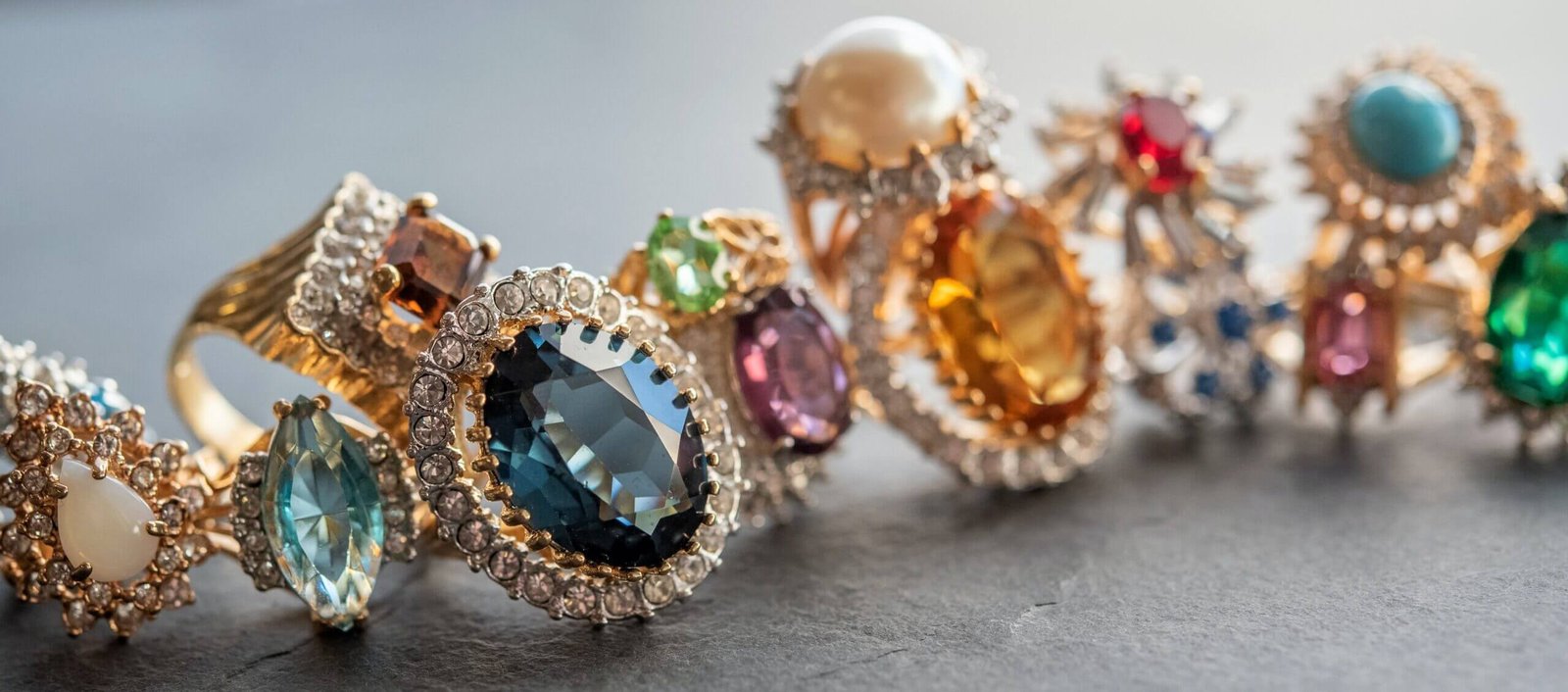
Have you ever found yourself enchanted by the alluring sparkle of a sapphire, leading you to wonder whether sapphires come in a kaleidoscope of colors? If your curiosity has been piqued, you’re in good company. The journey through the world of sapphires is as colorful as the gemstones themselves, offering a dazzling array of hues beyond the classic deep blue. Let’s embark on this colorful journey together and discover the spectrum of sapphires, a wonder that perhaps you hadn’t fully imagined.

Understanding the Basics: What Are Sapphires?
Sapphires, known for their captivating beauty and often associated with royalty, have charmed humans for centuries. You might know them best by their classic blue color, but there’s a vivid spectrum to explore. Let’s start with a basic understanding of what sapphires really are.
The Mineralogy of Sapphires
At their core, sapphires are a stunning variety of the mineral corundum. Corundum is a crystalline form of aluminum oxide and, on the Mohs scale of hardness, scores a solid 9, making it second only to diamonds in terms of durability. The presence of trace elements like iron, titanium, chromium, and vanadium can influence the specific color of a sapphire. Through this fascinating chemistry, nature paints with her mineral palette, offering hues to suit every taste.
The Birthplace of Sapphires
The creation of these jewels begins deep within the earth under extreme heat and pressure. They are formed over millions of years, emerging in parts of the world such as Sri Lanka, Madagascar, and Australia. Each location imparts its unique characteristics to the sapphires mined there, resulting in subtle differences in color and quality.
The Rainbow of Sapphires
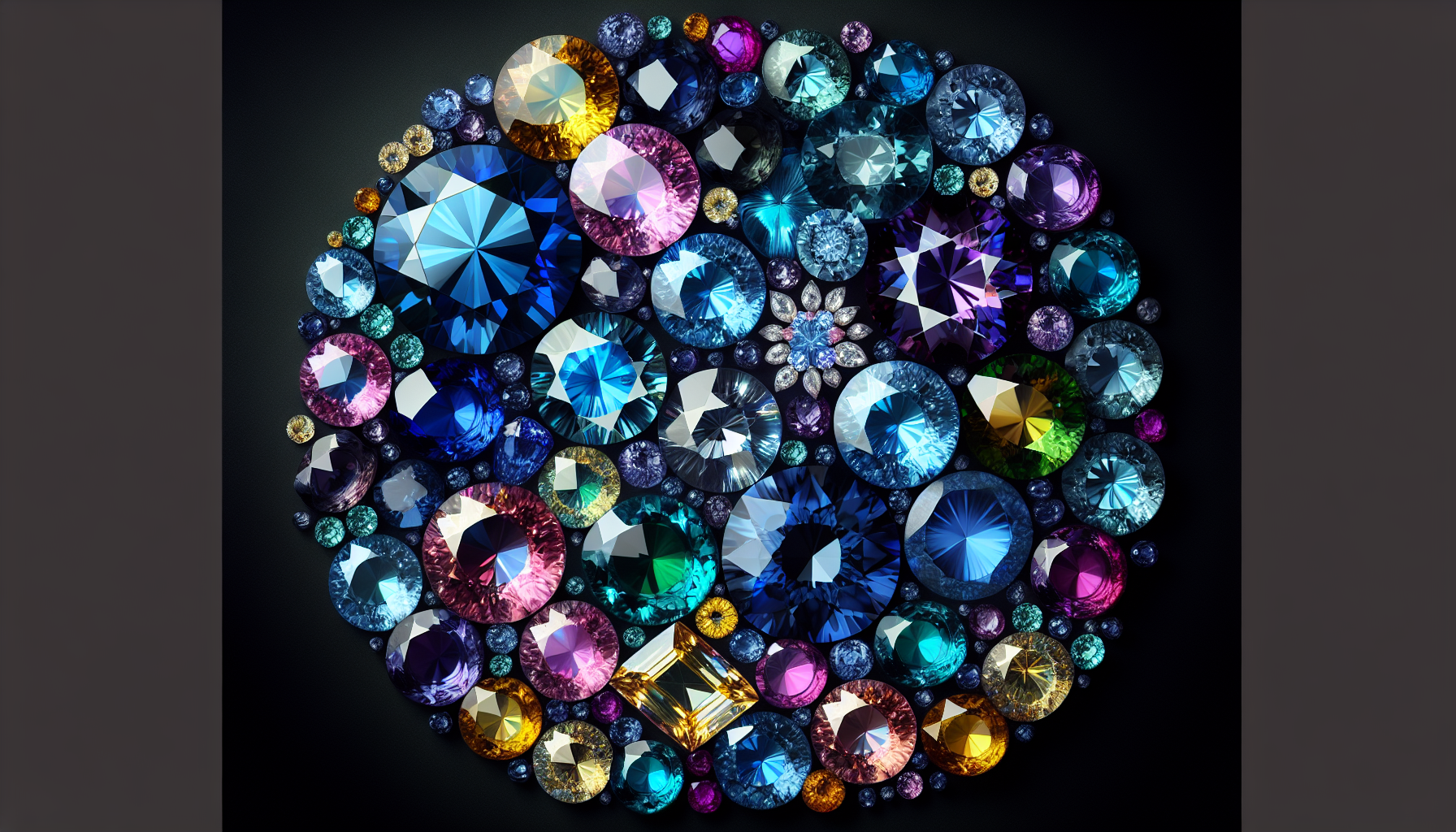
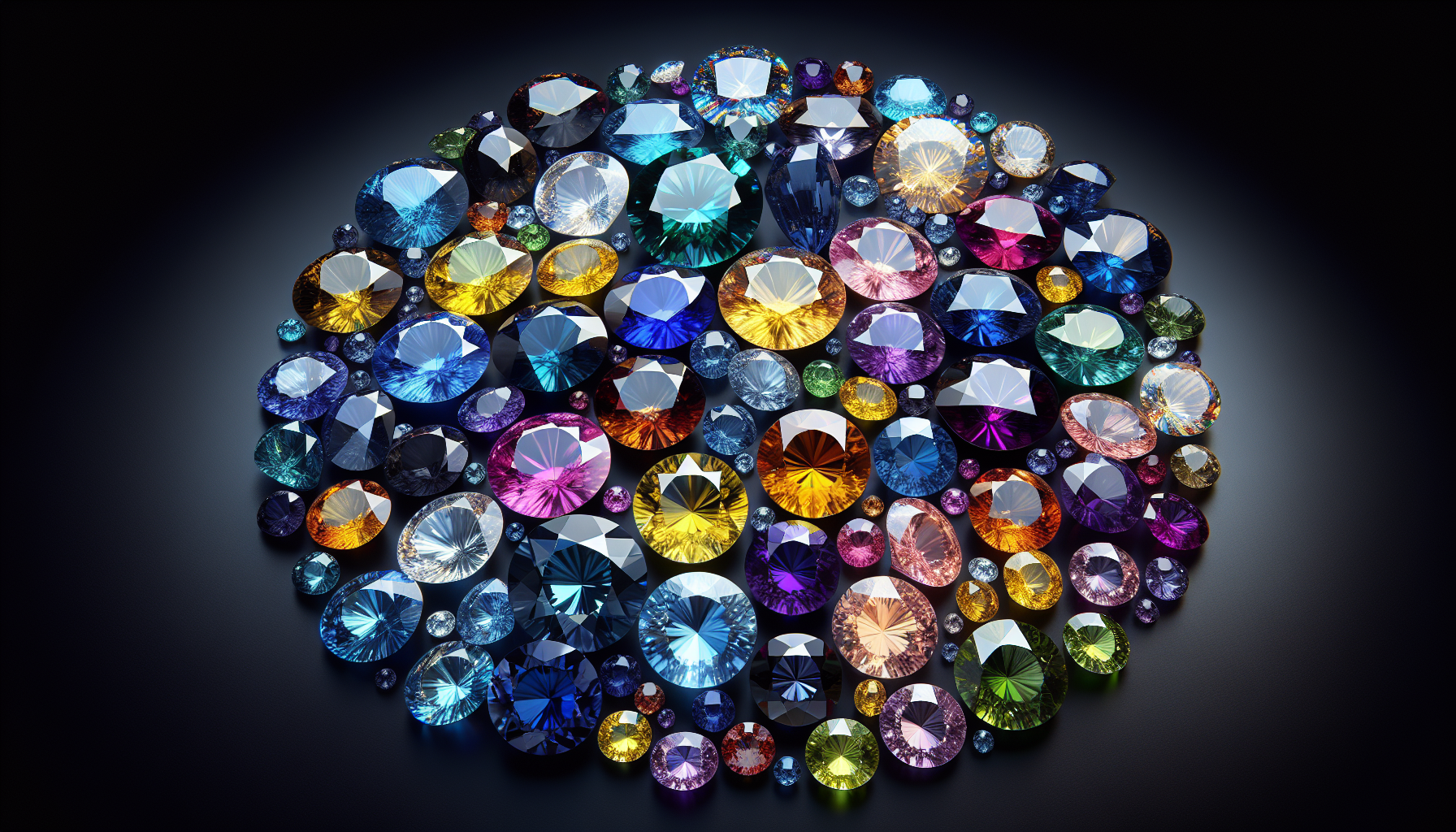
Despite the popular belief that sapphires are solely blue, they actually come in a wide variety of colors, each one unique and captivating in its own right. From lush greens to radiant oranges, the rainbow of sapphires is something truly to behold.
Blue Sapphires
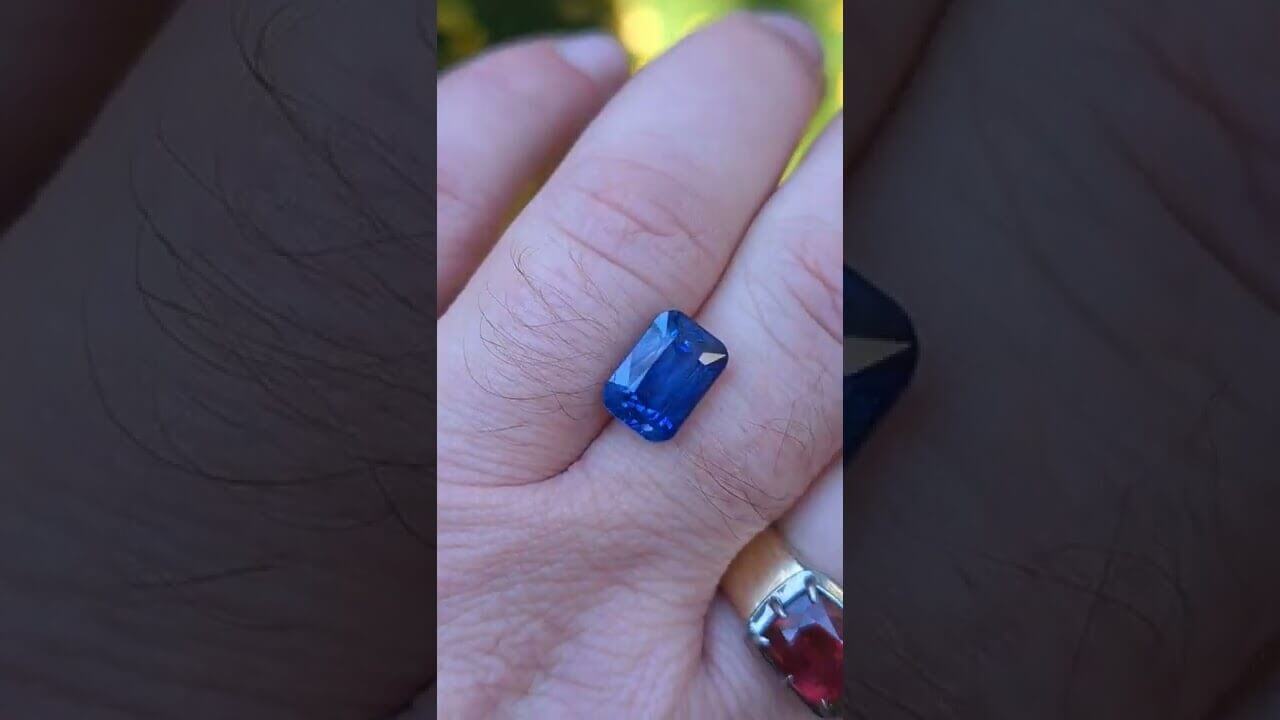
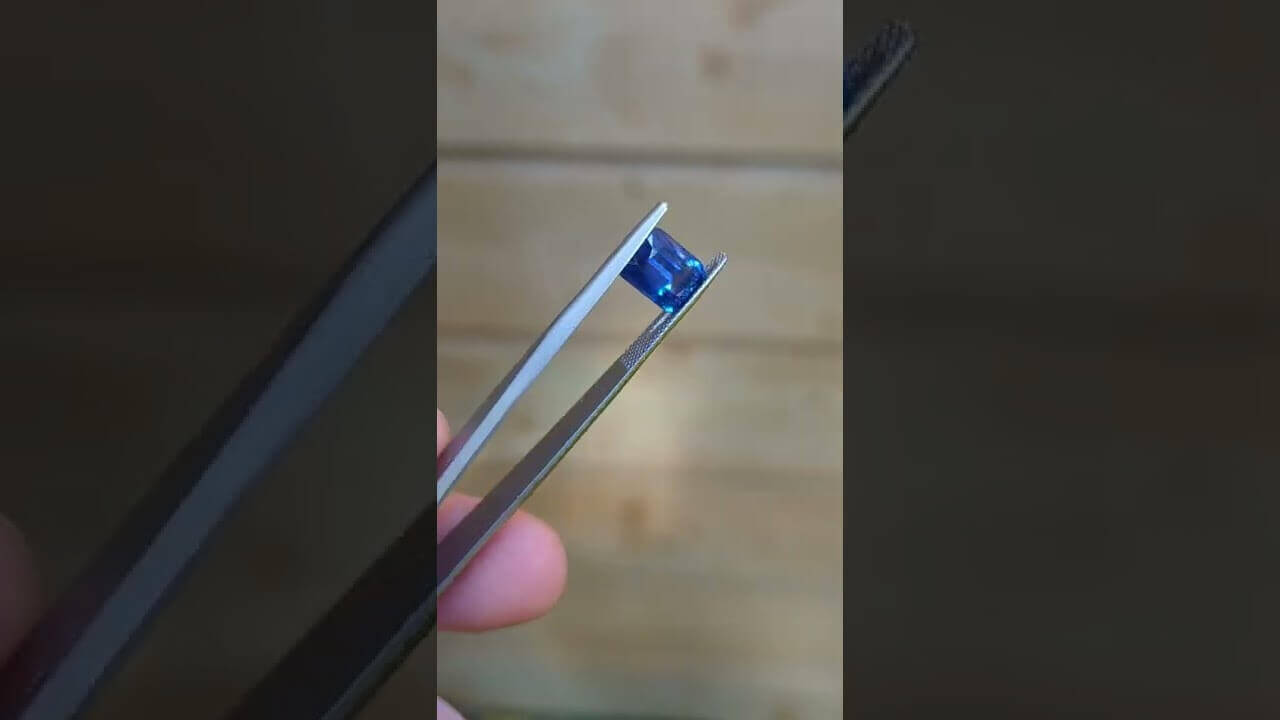
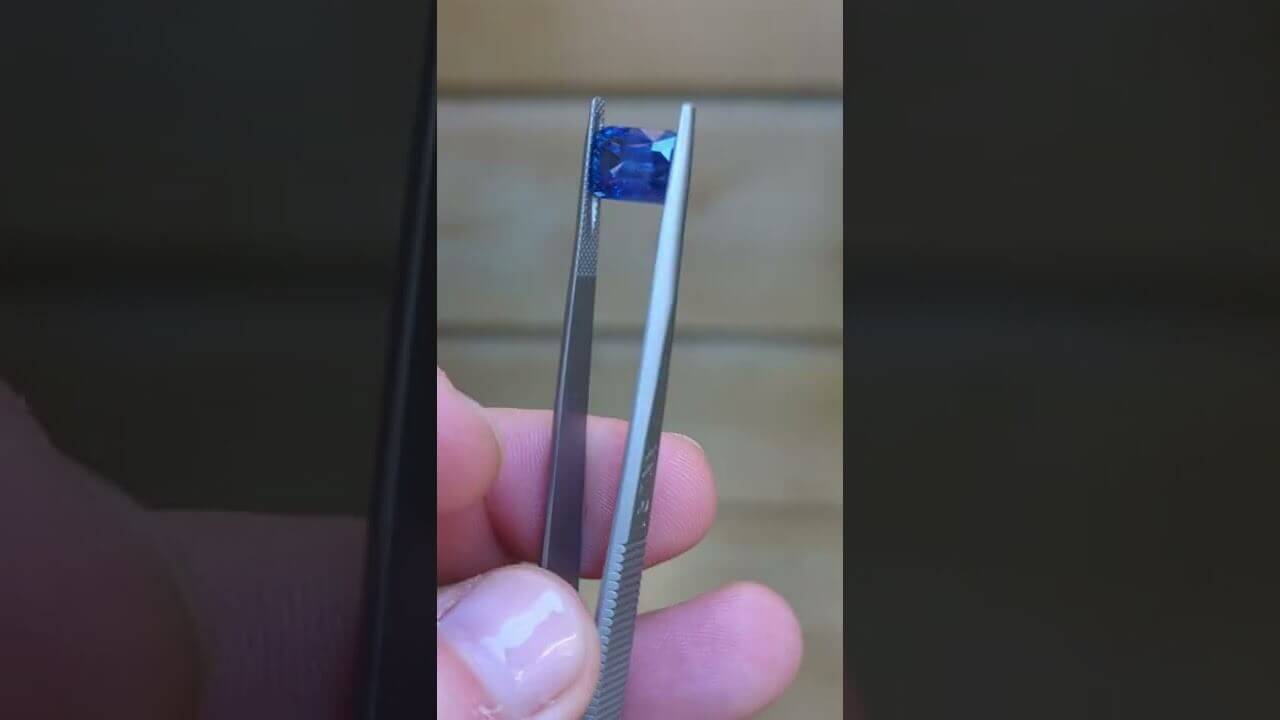
Let’s begin with the most classic of them all – the blue sapphire. This variety is beloved for its rich, deep blue hue, reminiscent of a serene evening sky just before twilight envelopes the world. The intensity of the color can vary, offering a range of options from light blue to an almost velvety midnight shade.
The Perfect Pink
While blue might hold the spotlight, pink sapphires certainly know how to charm. They’re versatile, ranging from faint blushes to shocking pink, rivaling the allure of rubies. Their delicate hue is frequently sought after for romantic occasions, exuding a sense of delicate sophistication.
Captivating Yellow and Golden Sapphires
Yellow sapphires are like tiny pockets of sunshine, key to adding warmth and happiness wherever they go. They’re treasured in many cultures for their supposed ability to bring prosperity and luck. The shades can vary from pale canary to a rich golden yellow.
Padparadscha Sapphires: The Rarest of Them All
If rarity is what you seek, then the padparadscha sapphire is a gem not to be missed. Named for the lotus blossom, this variety is a blend of pink and orange that creates a sunset glow that is truly rare and mesmerizing. It’s one of the most sought-after colors, with mere whispers of availability due to its uniqueness.
The Magic of Green Sapphires
Green sapphires, much like a cool forest in the early morning, offer a tranquil escape. Their shades range from light mint to deep forest, each standing firm for nature’s diversity and tranquility. Though not as common as their blue counterparts, they provide a unique choice for jewelry enthusiasts.
Purple Sapphires: Regal and Luxurious
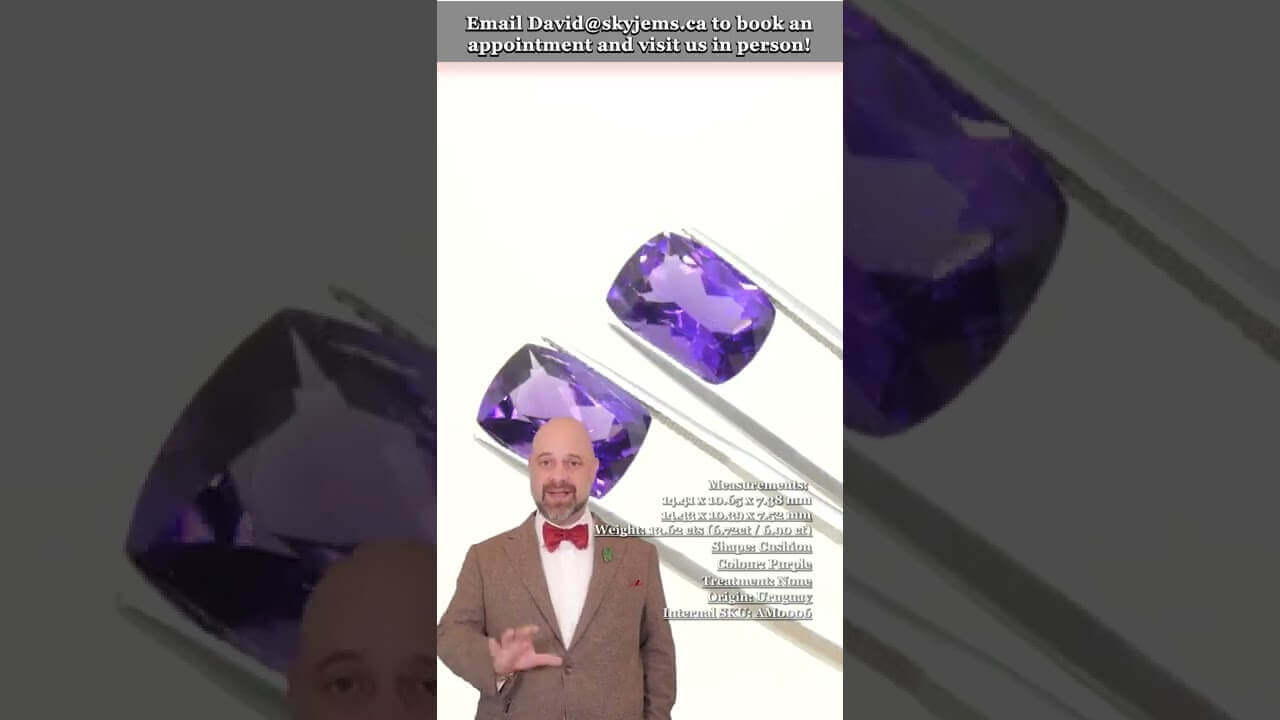
Purple sapphires are like the royalty of the sapphire family. Exuding elegance and sophistication, they range from a light lavender to an opulent violet reminiscent of a royal cape. Their regal tone possesses an enigmatic quality that is difficult to resist.
Exotic Orange Sapphires
Orange sapphires are bursts of energy in gem form. They encapsulate the enthusiasm of a bright autumn day, offering a vibrant flair that’s hard to overlook. They may not be everyone’s first thought for a sapphire, but those who choose them enjoy embodying the spirit of excitement and creativity.
White Sapphires: Pure and Pristine
For those who appreciate the understated elegance of a clear gem without the hefty price tag of a diamond, white sapphires offer clarity and brilliance. Their lack of color allows them to exude a pure, unfiltered reflectiveness, highlighting the many facets of light like a freshly cut diamond.


How Color Affects Value
The value of sapphires is influenced significantly by their color, akin to how you might judge a painting or a sunset. The most valued colors tend to be vivid, saturated, and consistent throughout the gem.
Factors in Color Valuation
- Saturation: How intense the hue is. More saturated colors often indicate a higher value.
- Hue: The overall color family (blue, pink, yellow, etc.), with certain hues being more desirable.
- Tone: The lightness or darkness of the color, with neither extreme being necessarily better.
The Mystical Padparadscha
Among all the shades, padparadscha has managed to capture both hearts and wallets. Its unique color blend and remarkable rarity make it highly prized, often competing in value with the finest blue sapphires. However, beauty is in the eye of the beholder, and ultimately, your perfect sapphire is one that captivates you.
Lab-Created vs. Natural: What’s the Difference?
In your quest for the perfect sapphire, you might encounter both natural and lab-created options. Understanding the distinctions between these two can empower your decision-making process.
Natural Sapphires
Mined from the earth, natural sapphires have charming imperfections that tell the story of their formation. Each stone is unique, showcasing the intricacies of nature’s craftsmanship. Due to their natural rarity and the effort required to extract them, natural sapphires tend to be more expensive.
Lab-Created Sapphires
Sometimes referred to as synthetic or cultured sapphires, these are man-made in a controlled environment. Identical in physical and chemical properties to their natural counterparts, lab-created sapphires offer both cost efficiency and sustainability. While some purists may prefer natural stones, lab-created options provide an appealing alternative for those mindful of budget and environmental impact.
Caring for Your Sapphires
Just like you’d nurture a loved plant or polish a cherished piece of silver, sapphires require a touch of care to keep their sparkle alive.
Routine Cleaning
Simply dab your sapphire gently with a soft cloth and warm water mixed with a mild detergent. Remember, gentleness is key. Avoid harsh chemicals or abrasive materials that might dull the shine.
Professional Check-ups
Every now and again, it’s wise to take your sapphires to a jeweler for a professional cleaning and inspection. This not only restores their beauty but also checks for any damage or loose settings.
Proper Storage
When not dazzling on your finger or adorning your neck, sapphires love a bit of privacy. Store them in a soft cloth or jewelry box to prevent scratching and tangling. A quiet drawer away from sunlight and harsh conditions works wonders.
Let’s Summarize This Journey
It turns out that the spectrum of sapphires is as varied and colorful as the personalities they delight. From the striking blue to the rare padparadscha, each color tells a unique story. Value is influenced by hue, saturation, and tone, and your choice between natural and lab-created gems should reflect your personal preferences and values. As you nurture your sapphires with care, they promise to light up countless moments in your life, both big and small.
By uncovering the questions of color, you’re now armed with knowledge about sapphires, ready to make informed jewelry choices that reflect not just trends but your personal flair. Who knew a stone could be so versatile and enthralling? The next time you gaze into the depths of a sapphire, you’ll see beyond its surface beauty, recognizing a world that is as storied and diverse as a gemstone can be.