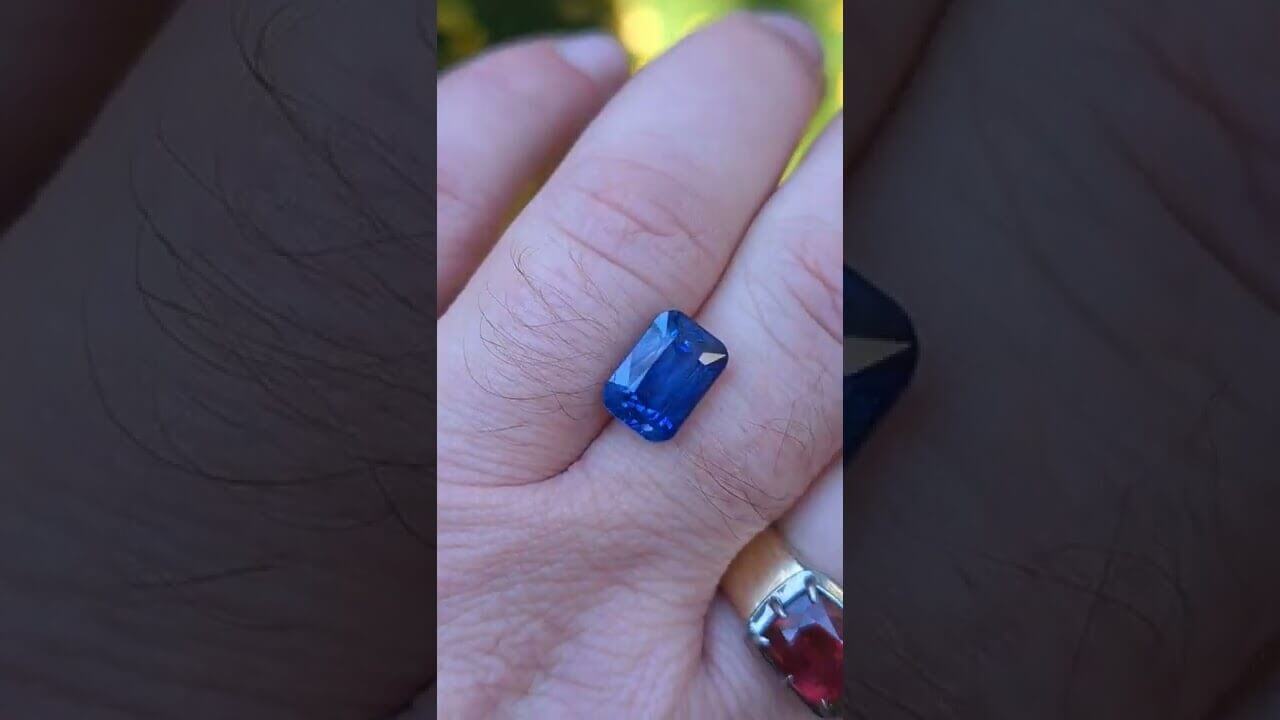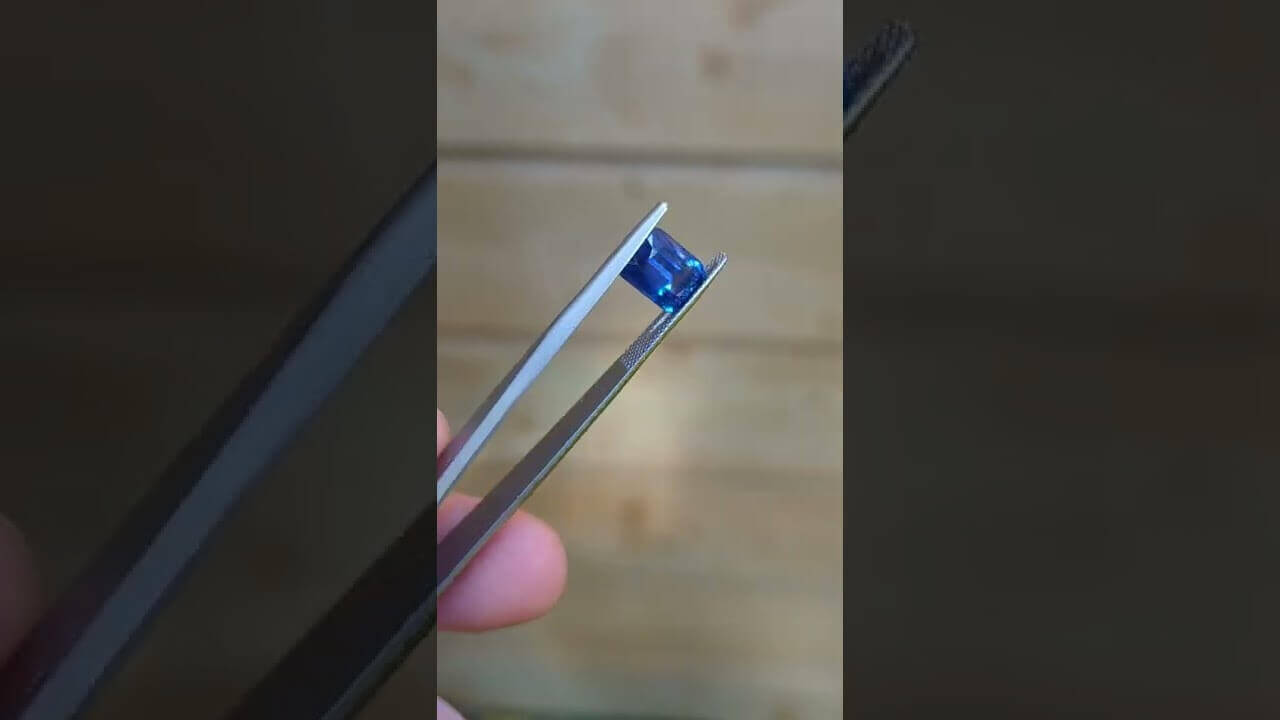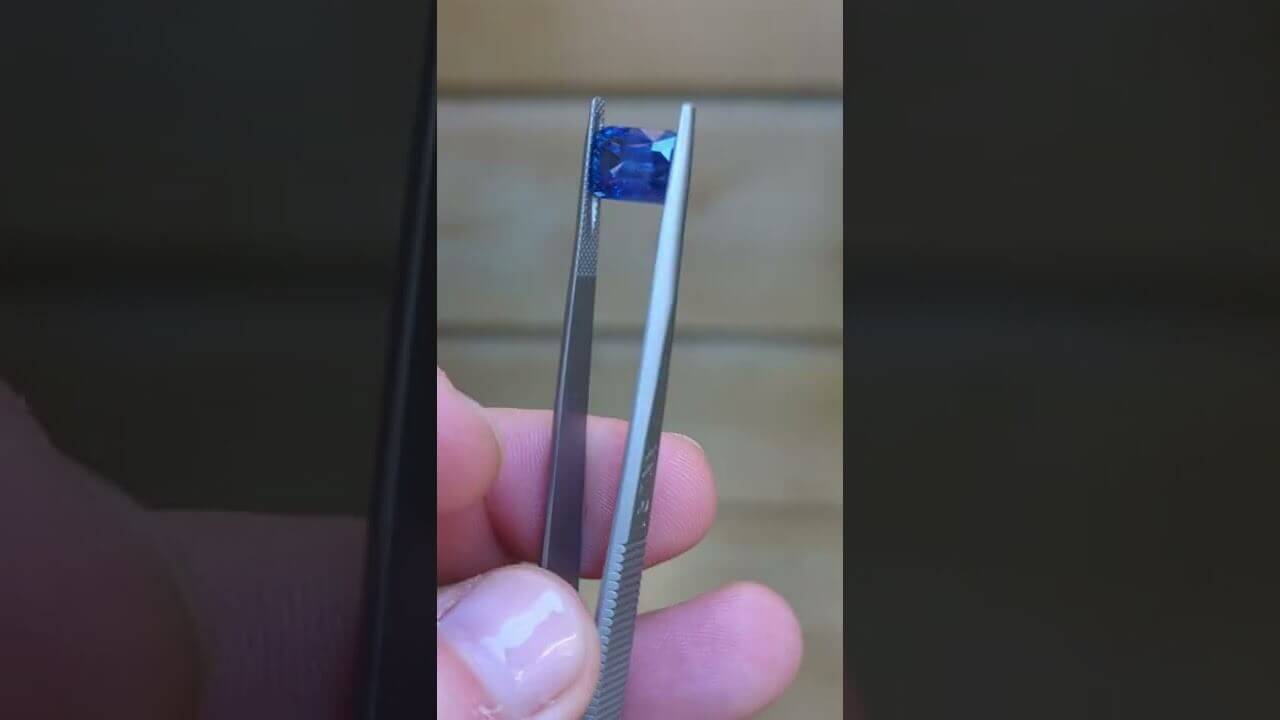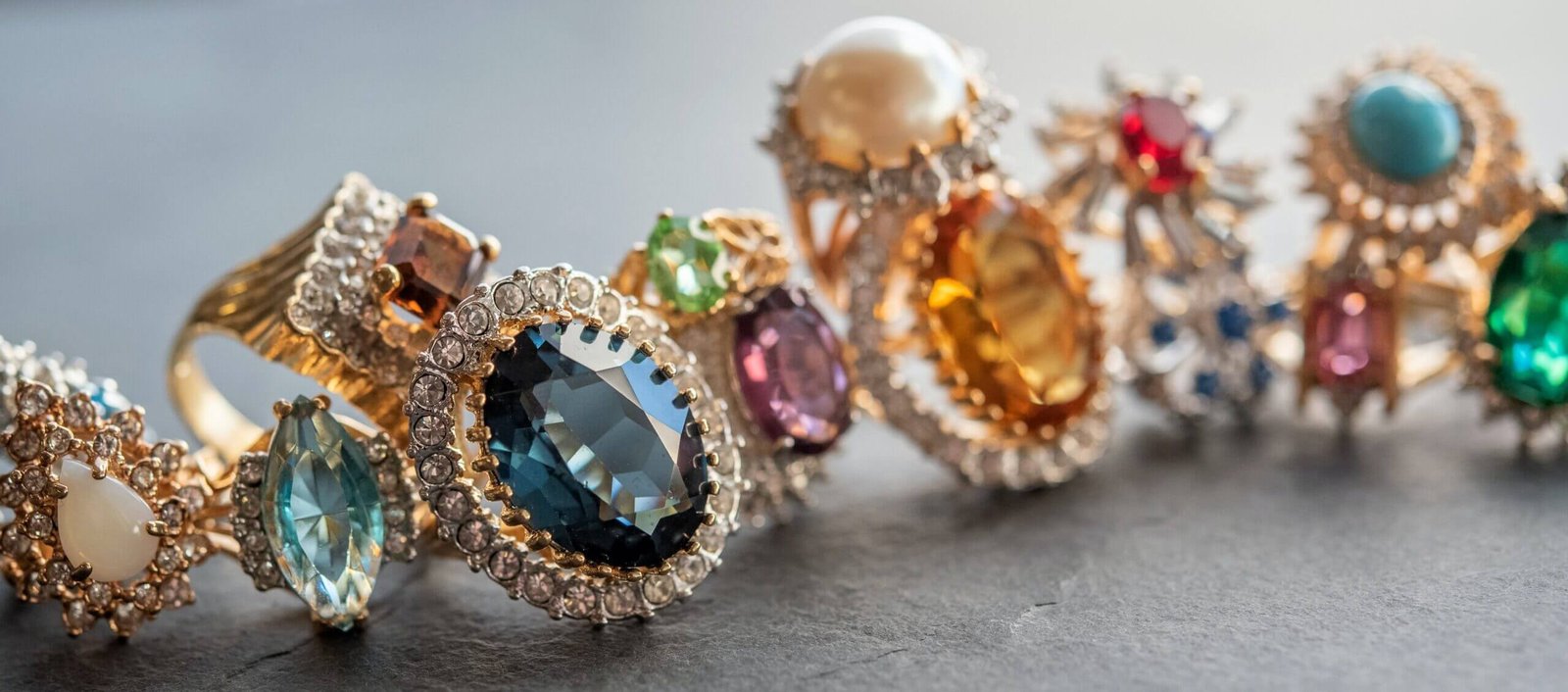
?Have you ever caught yourself staring at a sapphire in a shop window and wondering whether it would ever cough up some cash if you needed it to?


Do Sapphires Have Resale Value?
You’re asking a sensible question. Sapphires look like they should be monetary allies — dense, old, and solemn the way relics are — but the marketplace for gemstones has moods. This article treats sapphires not as mystical rocks but as assets with quirks: some preserve value, some don’t, and some will trade hands for less than the price you paid while you convince yourself you weren’t emotionally attached to the mounting anyway.
Below you’ll find clear explanations, practical tables, selling strategies, and little observations that might make you snort tea out of your nose at 2 a.m. if you are the sort of person who reads about gemstones then unexpectedly laughs.
Quick answer
Yes, sapphires can have resale value — sometimes excellent value — but it depends heavily on color, origin, treatment, certification, and the route you use to sell. You shouldn’t expect retail prices back; expect a discount unless you own top-tier, well-documented stones.
What is a sapphire?
You should treat a sapphire as a type of corundum, a crystalline form of aluminum oxide. Most people think “blue” when they hear sapphire, but sapphires come in many colors. If it’s red, it’s a ruby — same family, different name.
There are natural sapphires (formed in the Earth), lab-created sapphires, and treated sapphires (commonly heat-treated). Each type carries different expectations when it comes to resale.
Types of sapphires and how that affects resale
You’ll want to know exactly what type you own. The market does not treat all sapphires equally.
- Natural, untreated sapphires: these are the premium items. If they have excellent color and clarity and a desirable origin, they’re the first class passengers when it comes to resale.
- Natural, treated sapphires: most sapphires are heat-treated to improve color or clarity. That’s acceptable to the market, but treated stones sell for less than comparable untreated stones.
- Synthetic sapphires: these are created in labs and can be very beautiful. They have little to no resale value compared with natural stones; they’re worth what a collector of lab gems will pay.
- Imitations: glass or other imitations have negligible resale value beyond sentiment.
Table: Types of sapphires and typical resale outlook
| Type | Typical resale outlook |
|---|---|
| Natural, untreated (Kashmir/Burmese/Kashmir-like) | Highest resale potential if color/clarity/cut are excellent and certified |
| Natural, treated (heat-treated) | Moderate resale potential; common and cheaper than untreated |
| Synthetic (lab-grown) | Low resale value; must be disclosed and often sold at a fraction of natural stones |
| Imitation (glass, cubic) | Very low resale value; often worthless beyond decorative use |
The 5 C’s for sapphire resale
You already know about the 4 C’s for diamonds; sapphires benefit from a similar checklist, though with emphasis shifted toward color.
Color (most important)
Color drives the market. You’re going to hear phrases like “cornflower blue,” “royal blue,” and “padparadscha” — different colors attract different buyers. The most valuable blues are vivid, medium-dark, and saturated without being too dark. Rare colors (padparadscha — a pink-orange) and velvety royal blues (Kashmir origin) demand premiums.
Clarity
Sapphires are commonly included. Eye-clean stones (no inclusions visible to the naked eye) sell better. Extremely clean stones at high carats command higher prices — clarity matters once color is excellent.
Cut
A well-cut sapphire showcases color and hides unflattering inclusions. Cuts that maximize color while maintaining symmetry will fetch better prices.
Carat weight
Value increases with weight, but prices per carat escalate at certain thresholds. A 3-carat stone is not just three times the price of a 1-carat; rarity pushes per-carat prices upward for larger clean stones.
Certification
A credible lab report from GIA, SSEF, or AGL increases buyer confidence and resale value. Certification that specifies origin and treatment is a major asset.
Origin matters — sometimes
You’re going to encounter a lot of exotic place names. Kashmir, Burma (Mogok), and Sri Lanka (Ceylon) are household names with high premiums attached. Kashmir blues historically command huge prices because of their velvety quality and rarity.
But origin claims matter more when documented. A label that says “Kashmir” without scientific certification is weak sauce. Buyers pay for documented provenance.
Treatment: the market punishes secrecy
Most sapphires are heat-treated to improve color and clarity. That’s broadly accepted, but undisclosed treatments are anathema. You should always know and disclose whether your stone has been treated, and whether it is diffusion-treated (where color is artificially introduced near the surface). Diffusion-treated stones carry much lower resale value than heat-treated ones.
Table: Treatment types and resale implications
| Treatment type | What it is | Resale implication |
|---|---|---|
| Heat treatment | Common, stable enhancement | Acceptable; moderate impact on price |
| Diffusion treatment | Alters color by adding elements to surface | Substantial reduction in resale value |
| Fracture filling | Filling surface-reaching fractures | Low resale value; often rejected by high-end buyers |
| Unheated (untreated) | No enhancement | Highest resale value if other qualities strong |
Certification: your best friend
Imagine you’re selling a sapphire and the buyer is an appraiser with a skeptical squint. A certificate from GIA, SSEF, or AGL tells the buyer exactly what they’re getting: natural or synthetic, treatment status, weight, cut, measurements, origin (when determinable), and sometimes color description. That certificate can mean the difference between a quick sale at a good price and a slow sale at a bad price.
If you don’t have certification, consider getting it before selling. The cost of a credible lab report is often worth it.
How resale actually works — practical paths to sell
You have options, each with trade-offs of speed, price, and convenience.
1. Auction houses
If your sapphire is top-tier — rare origin, high color, large carat weight — auction houses like Sotheby’s and Christie’s are a good bet. They connect you with collectors who will pay premiums.
Pros: Potential for top prices; marketing to global buyers. Cons: Fees can be high; auction outcomes are unpredictable; minimum reserves may be required.
2. Retail trade-in or consignment
Some jewelers consign pieces: they’ll place your sapphire in their store and take a commission. Other jewelers offer trade-in credit toward a new purchase.
Pros: Less hassle; physical showroom. Cons: Lower net proceeds; long consignment periods; risk of bad appraisal.
3. Private sale
You find a buyer privately through networking, online marketplaces, or social channels.
Pros: Potentially higher returns if buyer is informed and willing. Cons: Risk, scams, legalities, and the grind of negotiation.
4. Wholesale dealers or gem traders
Dealers buy stones for resale at wholesale prices. They may offer the fastest cash but the lowest return.
Pros: Fast, straightforward if you accept dealer offer. Cons: Low payout compared to retail.
5. Pawnbrokers
Emergency option. Pawnbrokers offer quick cash but at steep discounts, and you might forfeit the stone if you don’t repay.
Pros: Immediate liquidity. Cons: Very low returns, high interest if loaned.
Table: Selling channels compared
| Channel | Typical net return vs retail | Speed | Best for |
|---|---|---|---|
| Auction | High (for exceptional stones) | Slow to medium | Top-tier, rare sapphires |
| Consignment | Moderate | Medium | Retail-quality stones |
| Private sale | Variable (can be high) | Variable | Sellers willing to market and negotiate |
| Wholesale dealer | Low to moderate | Fast | Quick liquidity |
| Pawnbroker | Very low | Immediate | Emergency cash needs |

Typical resale ranges (guideline)
You’ll want numbers, even if the market resembled an opinionated cat and not a spreadsheet. These are broad estimates and will vary widely based on the factors above.
- Untreated, high-quality sapphire (small to medium size, certified): 40–70% of original retail.
- Treated, good-quality sapphire: 20–50% of original retail.
- Large, exceptional, rare-origin stones (Kashmir, Burmese): can fetch close to retail or sometimes more at auction, but that’s rare.
- Lab-grown sapphires: 5–30% of the retail price of a comparable natural stone; often sold at a flat low price.
These ranges assume you sell through normal markets. If you sell to a dealer or pawnshop, subtract another 10–40%.
Investing in sapphires — will your stone make money?
You probably shouldn’t think of most sapphires as investments unless you know what you’re doing. Collectible stones (high-quality, documented origin like Kashmir or Burmese) can appreciate, but the market is niche and illiquid. Jewelry as an asset is complicated by design, setting, and retail markups.
If you’re aiming to invest:
- Buy high-quality, certified, untreated stones.
- Prefer documented origin and strong provenance.
- Keep them loose or in simple settings to avoid losing value to fashion.
- Be prepared for long holding periods and downturns.
If you wanted inflation protection, gold or diversified investments are generally less fuss.
How to prepare a sapphire for sale
You’d be surprised at how often good stones sell for mediocre prices because the seller neglected basics. Do this before listing or taking it to a buyer:
- Gather documentation: receipts, certificates, and appraisals.
- Get an up-to-date lab certificate if your stone lacks one.
- Clean the stone carefully; a sparkling sapphire photographs better.
- Photograph the stone under even light and include measurements and close-ups.
- Know the treatment status and be ready to disclose it.
- If it’s set in jewelry, decide whether to sell the stone loose or as a piece.
Pricing strategy: setting a realistic expectation
You cannot assume retail = resale. Retail includes markups for design, showroom, and sales commissions. Expect a discount. When you set a price, consider:
- Replacement value vs resale value: insurers often pay replacement value, which is retail; buyers won’t pay that.
- Offering a reserve in auctions can protect you from low sales.
- If you need a quick sale, price below market to attract buyers.
Pitfalls and scams to avoid
You’ll encounter people who call themselves “experts” and then quote fairy-tale values. Protect yourself:
- Don’t accept verbal offers only; get written offers detailed with terms.
- Be cautious with online buyers asking for unusual payment formats or upfront fees.
- Avoid “we’ll send it to an overseas buyer” schemes that disappear.
- If a buyer pressures you to sell quickly at an outrageous discount, consult another professional.
Emotional value vs market value
You may have inherited a sapphire ring worn by your grandmother for decades. Its value to you can be immeasurable. That doesn’t change market reality. You can honor sentimental attachment by documenting provenance and including story with sale listings; sometimes, buyers pay a premium for well-documented, treasured pieces, but often they do not.
Taxes and legalities
When you sell a sapphire, you may have tax implications. Keep records of the purchase price and sale price. If you make a profit, capital gains taxes may apply depending on your jurisdiction. If the stone is part of a business inventory, different rules apply. Consult a tax professional in your area.
Insurance and replacement value vs liquidation value
Your insurance policy probably lists a replacement value — what an insurer will pay to replace the item at current retail. That is not the price you’ll receive if you sell it. If you plan to insure a sapphire, ensure the appraisal is recent and that the replacement value aligns with current retail pricing. If you intend to sell, a separate appraisal for sale value can be helpful.
Case studies (short stories to make this human)
You like stories, so here are a couple.
You bought a 2.5-carat vivid cornflower blue sapphire set in a ring at a boutique. It was certified as natural and heat-treated. After five years of careful ownership and a few good-cleaning episodes with a toothbrush, you consign it. A buyer who appreciates classic color buys it for roughly 45% of what you paid retail. You feel bittersweet but relieved.
You inherited a small padparadscha brooch with a documented history and a GIA report. You consign to an auction house. The bidding gets spirited, and the brooch sells above estimate. Your excitement outweighs the auction fees.
You bought a large synthetic sapphire online because the price was hypnotic. When you try to resell, you learn it’s lab-grown and that buyers in your market won’t pay what you hoped. You chalk it up to a lesson about reading certificates.
Checklist before selling your sapphire
- Do you have a credible certificate? If not, get one.
- Do you know whether the stone is treated? Can you disclose that?
- Is the stone loose or set? Would selling it loose fetch more?
- Have you cleaned it and photographed it well?
- Do you know which selling channel you’ll use and the fees involved?
- Are you prepared for a potential 30–70% haircut from the original retail price?
- Do you need the money right away, or can you wait for the best buyer?
Negotiation tips
When you negotiate:
- Start slightly higher than your bottom line; buyers expect room.
- Don’t rush. Silence is often a negotiation weapon.
- Use your documentation (certificate, receipt, provenance) as leverage.
- If you’re selling privately, ask for proof of funds for large transactions.
- If selling internationally, be mindful of customs and import restrictions.
Final thoughts — the short, truthful answer
Yes, sapphires have resale value, but the value varies widely. The best-case scenario is a top-quality, well-documented, rare-origin, untreated sapphire — that can retain much of its value and even appreciate. For most sapphires, expect to receive significantly less than retail: the market rewards rarity, documentation, and condition, not sentiment.
You should approach selling like someone with attachments but not illusions: do your homework, gather paperwork, choose the right channel, and be honest about treatment and origin. If you do those things, you’ll maximize what the market will give you, and you’ll sleep better at night knowing you tried.
If you want, you can tell me about your specific sapphire — color, carat, certificate, and origin — and I’ll help you estimate a realistic resale range and the best way to sell it. You might end up with a polite little profit or at least a story better than the time you tried to resell an heirloom tie at a garage sale.