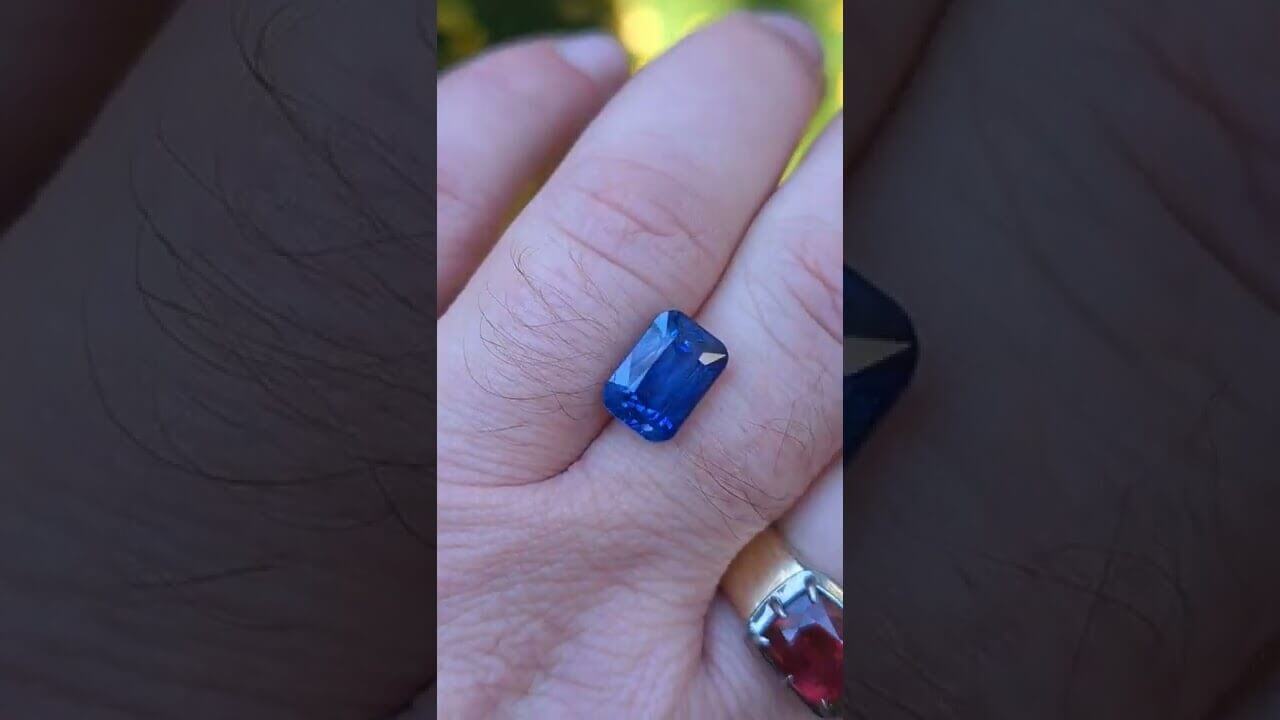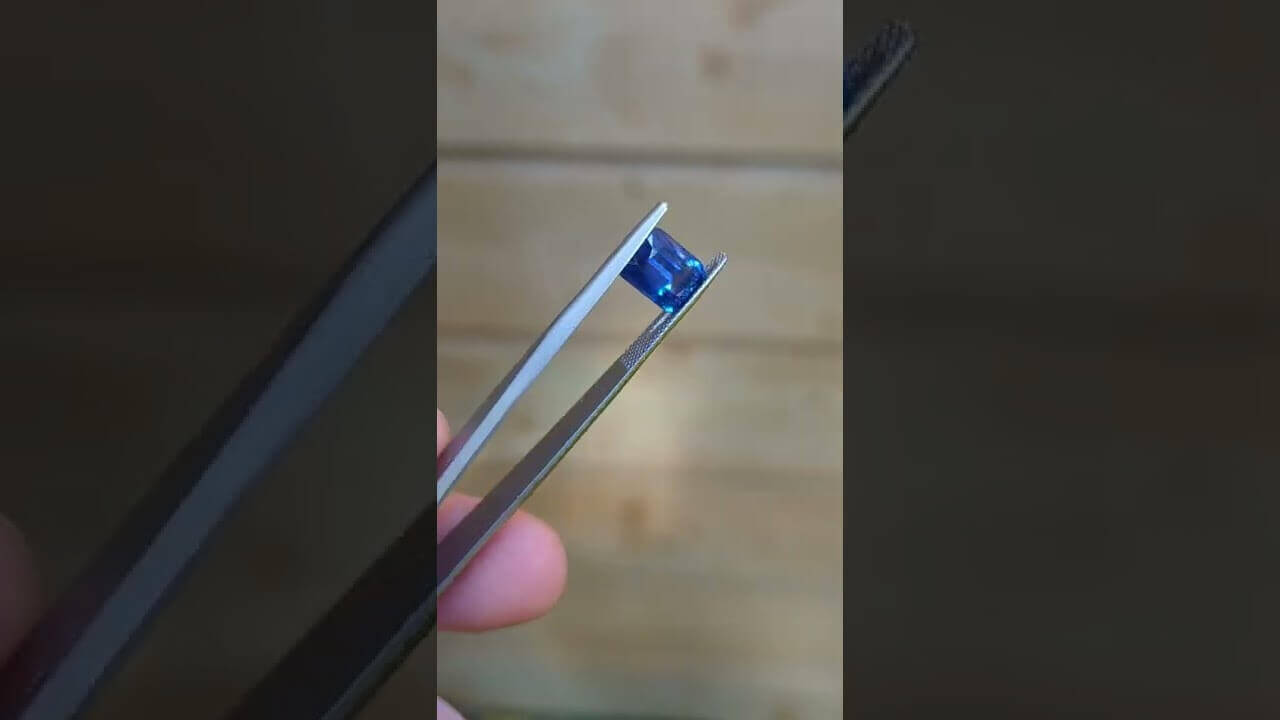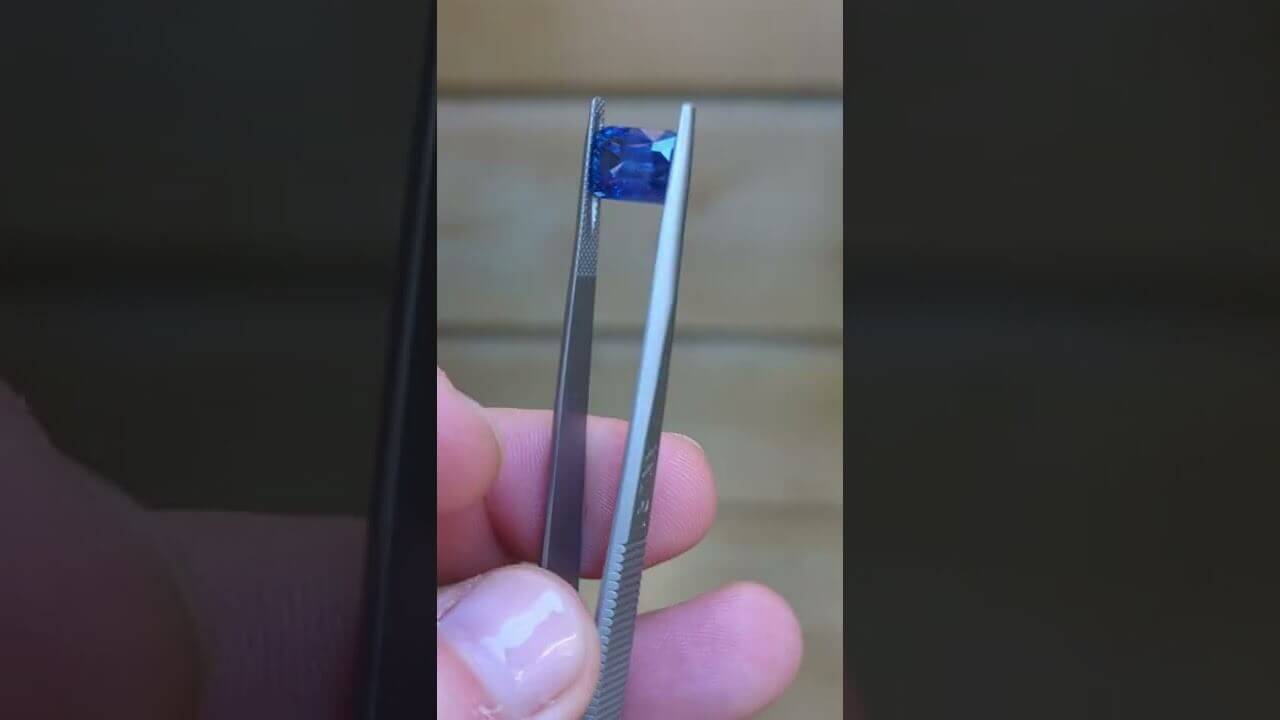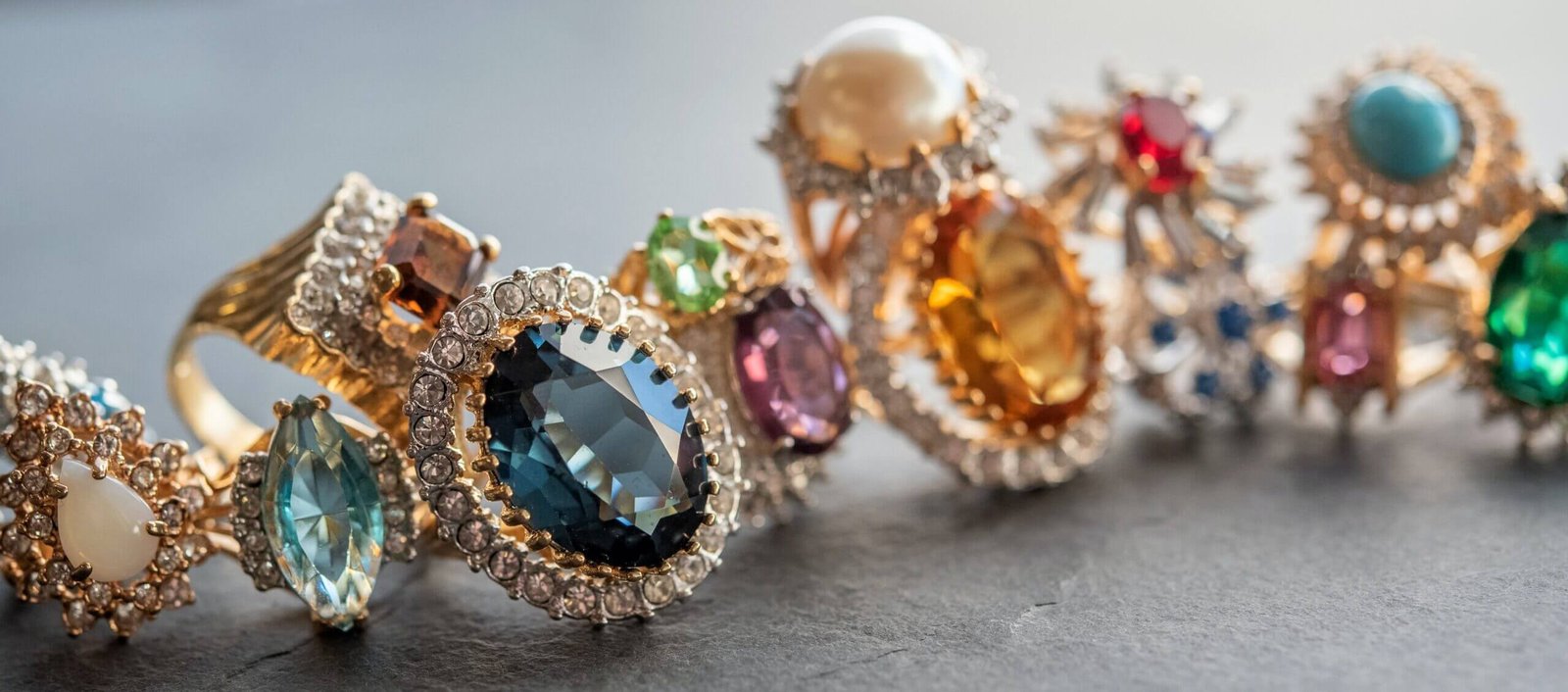
Have you ever wondered just how big a 1 carat ruby really is? You might imagine that each ruby, glittering with its own unique fire, is like a tiny universe of passion and stories. In fact, when it comes to rubies, the size can often be misunderstood, especially when one’s knowledge of carats is primarily aligned with diamonds. Let’s unfold the tale of the 1 carat ruby, unraveling its mysteries like an intricate treasure map, carefully detailing both size and allure.


Understanding Carat Weight in Gems
One might initially ask, “What’s a carat, anyway?” This is the beginning of our adventure. The term “carat” is a unit of mass used for gemstones, and ever since 1907, it’s been standardized to represent exactly 200 milligrams. Beyond its chilly mathematical precision, carats are the soul’s measure of the gem’s weight. However, weight and size aren’t hand-in-glove partners. Equal weight doesn’t equal equal size, and here lies one of the most intriguing puzzles of gemology.
How Carat Weight Differs Across Gemstones
Every gemstone has its own distinct density, much like every chili pepper has its own degree of spiciness. The density, or specific gravity, of corundum (the mineral from which rubies come) is higher than that of a diamond. This means that a one-carat ruby is heftier, pound for pound, than a one-carat diamond and may appear smaller to the untrained eye, a delightful, mischievous secret shared among gem lovers. It’s like staring at the ocean and realizing that its blue gloss is a surface layer to its profound, unmatched depth.
Size Versus Weight: A Gemstone Conundrum
Imagine weighing two identical scoops of cake batter—one is dense and rich, while the other is fluffy and light. The dense one appears smaller, yet both weigh the same. Something similar happens with rubies when compared to other stones, especially diamonds. So as you picture a luscious ruby, remember it’s like looking at a dense symphony of atoms playing their most secretive notes.
Here is a table to paint a clearer picture:
| Gemstone | Specific Gravity | Apparent Size of 1 Carat Stone |
|---|---|---|
| Ruby | ~4.00 | Smaller due to higher density |
| Diamond | ~3.52 | Larger due to lower density |
| Emerald | ~2.75 | Largest among these three |
The Artistry of Ruby Cutting
Now, let’s explore another layer of complexity—how a ruby is sculpted and cut. How are these precious jewels cut from the earth’s embrace and fashioned into pieces of wearable art?
The Influence of Cutting on Perceived Size
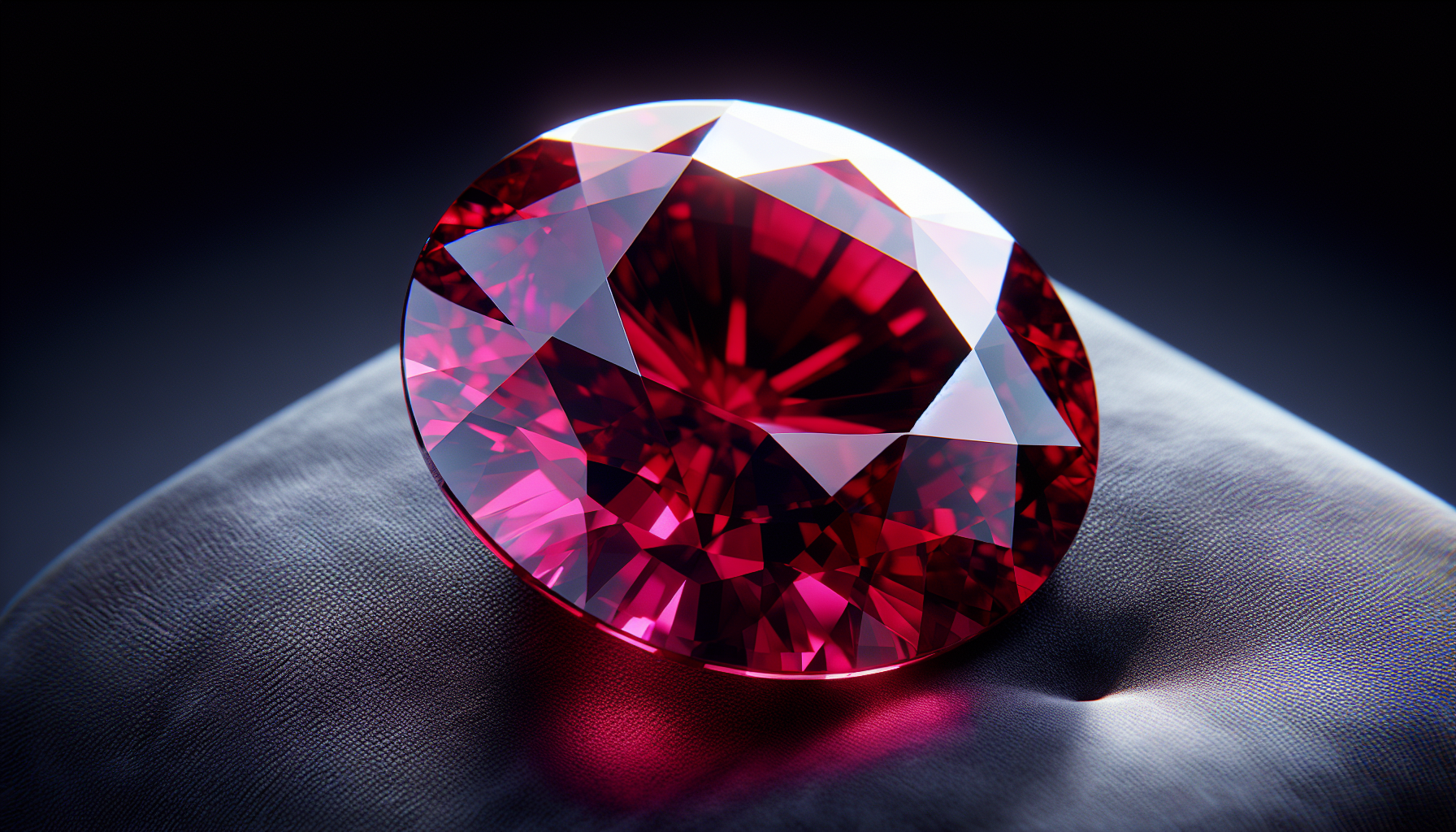
A ruby’s cut is like the intersection of science and music; each angle and facet contributes to how bright and large the jewel appears. A well-cut ruby doesn’t just reflect light, it sings with it. The interplay between light and ruby results in its famed “pigeon’s blood” red glow. Yet, the more intricate the cut, the greater the amount of rough stone that must be sacrificed. Hence, ruby cutters often face the great existential dilemma: To cut for carat weight or for optical splendor.
Popular Ruby Cuts and Their Effect on Appearance
From round cuts to princess cuts, each shape captures light differently and emphasizes various features. Round rubies typically maximize brilliance, whilst oval rubies can sometimes appear larger than their carat weight might suggest. The shape of a ruby isn’t just an aesthetic choice, it’s part of the gem’s identity, like the lines on your palm or the way your smile tilts slightly to one side.

The Optical Illusion of Depth and Color
The wonder of rubies extends beyond mere measurements and into the sphere of how our senses perceive them. Color, for instance, can significantly alter a ruby’s appearance. A deeply saturated red may give the appearance of a larger stone. Suddenly, you realize that even within a single carat, there exists a spectrum of possibilities, much like the hidden tracks on an old vinyl record.
The Impact of Lighting and Background
Imagine holding a ruby under the relentless sun, then watching it reveal another personality under the soft glow of candlelight. Similarly, placing a ruby against different backgrounds can trick the eye into misjudging its size. Without our consent, the environments where rubies live and breathe craft an illusion, proving that perception indeed is nine-tenths of reality.
Market Mysteries: The Value of a Ruby
Value—a concept as elusive as the cat who refuses to come when called. Knowing the size of a ruby in carats barely scratches the surface of what defines its worth. It’s not unlike listening to a symphony and reducing its value to the duration of its notes rather than their harmony.
Factors Influencing the Price of 1 Carat Rubies
Finding the price tag for a 1 carat ruby is akin to evaluating a painting not simply by its dimensions but by its color palette, the texture of the brushwork, and the artist’s signature. Here are some elements influencing a ruby’s price:
- Color: Strong, vivid reds fetch the highest prices.
- Clarity: Rubies usually contain inclusions; their visibility can affect the value.
- Origin: Certain origins, like Myanmar, cast an exotic, valuable shimmer.
Ruby Pricing Table
Here is an illustrative table to offer a glimpse into the world of ruby pricing:
| Ruby Origin | Quality Grade | Price Range per Carat |
|---|---|---|
| Myanmar | Top Quality | $10,000 – $15,000 |
| Thai | Medium Quality | $1,000 – $3,000 |
| Mozambique | Varying Grades | $500 – $5,000 |
Conclusion: The Multitude Housed in a Single Carat
So, how big is a 1 carat ruby? In physical dimensions, it is a touch smaller, denser than your average diamond, but in its story, its spirit? Immeasurable. A 1 carat ruby carries the weight not just of its atoms but of its vibrant color, the craftsman’s skill, the dance of light, and the symphony of value.
Next time you have a ruby in hand, think of it as holding a tiny world—a phantasmagoria—echoing with tales of Earth’s molten heart and human craftsmanship. It’s not just a presence; it’s a saga nestled conveniently in a carat. How do you see it now?