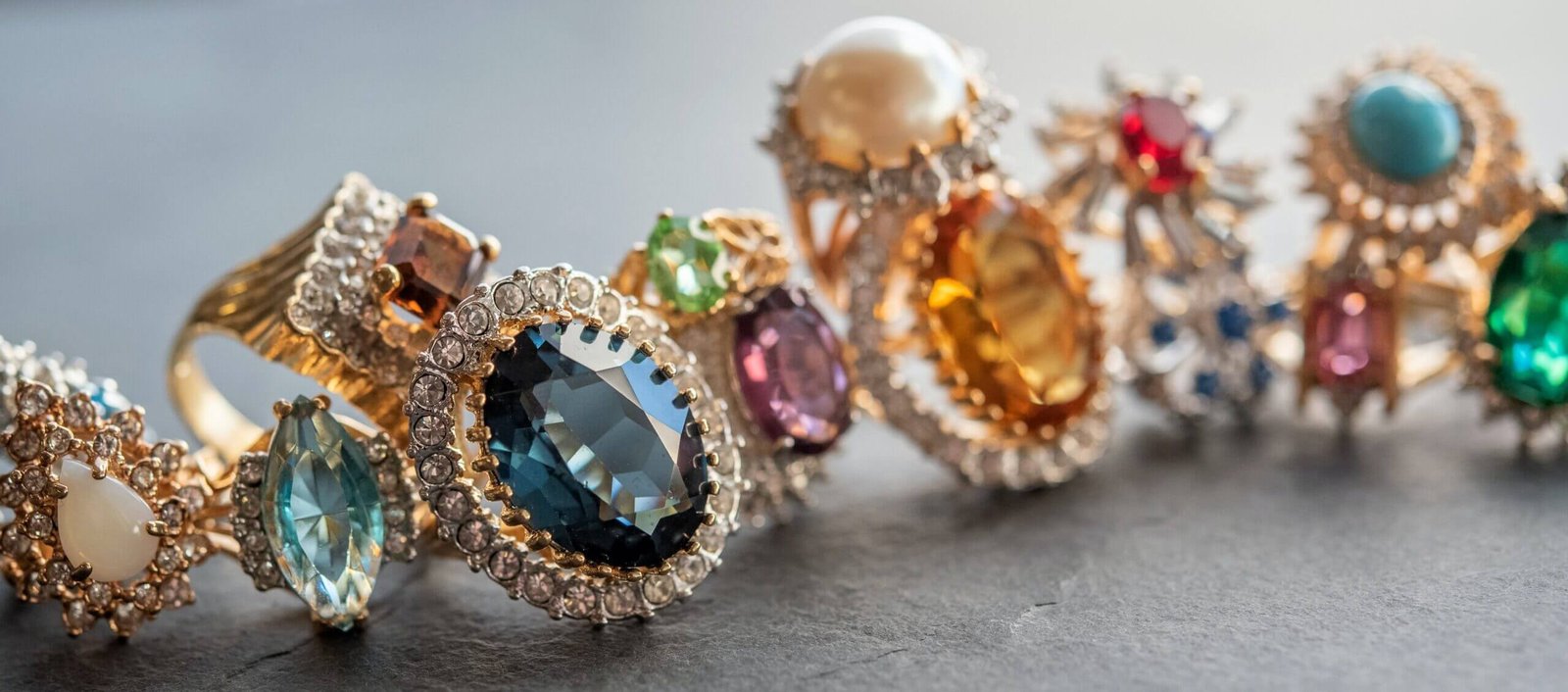
Have you ever plucked a small red stone from a flea market tray and wondered whether you just found a family heirloom or a talented piece of costume jewelry?


How Can You Tell If A Ruby Is Valuable?
You want to know whether a ruby is truly valuable, or whether it’s a convincingly pretty impostor. This article guides you through what professionals look for, what you can test at home, and the questions you should ask before handing over your credit card — all in plain language with a few wry observations because, frankly, jewelry stores can be theatrical and you deserve a little company while you learn.
What Exactly Is a Ruby?
A ruby is the red variety of the mineral corundum, which is aluminum oxide. When chromium replaces some of the aluminum in corundum, the result is the red color you call ruby; without that chromium, the same mineral can be a clear crystal or any color of sapphire.
Ruby vs. Other Red Stones
You’ll meet plenty of red gems that look like rubies but aren’t: garnet, spinel, tourmaline, and synthetic materials all impersonate ruby at various price points. Distinguishing them requires attention to color, refractive properties, inclusions, and sometimes lab reports, because appearances alone can be treacherous.
Mineralogy and Birthplaces
Rubies form under high pressure and heat in specific geological environments; the best-known sources are Myanmar (Burma), Mozambique, Thailand, Sri Lanka, and Madagascar. Origin matters to value, because historical reputations (like “Burmese”) and geological rarity can add a premium beyond the gem’s physical qualities.

The Four Cs — and Why They’re Not the Whole Story
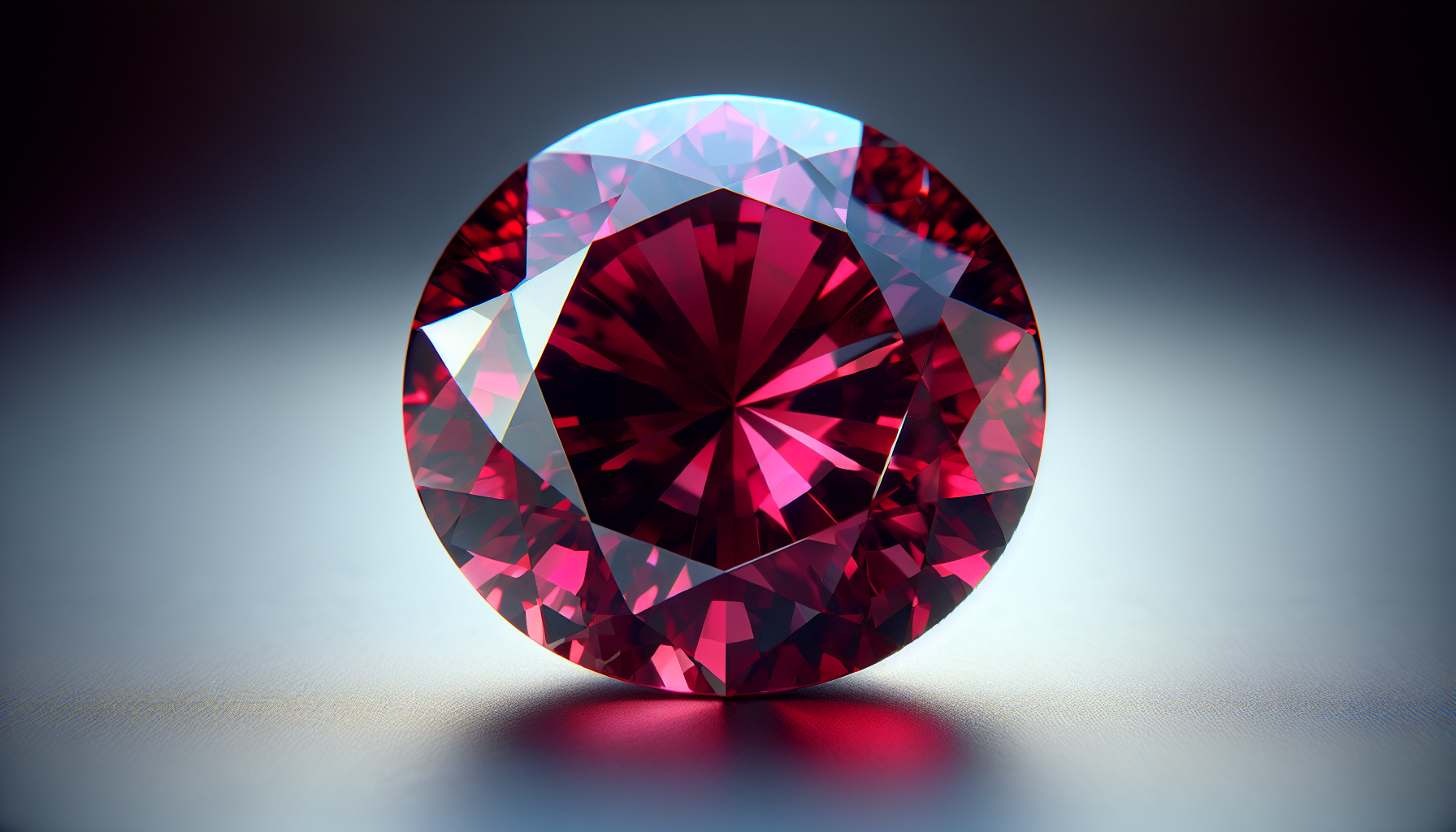
You’ve probably heard of the Four Cs for diamonds: color, clarity, cut, and carat. Rubies use similar categories, but with important differences. Color overrides most other factors in ruby valuation, and treatments or origin can change value dramatically even when the Four Cs look good.
Color: The Single Most Important Factor
Color is the dominant driver of value in rubies. You should pay attention to hue (red, purplish red, orangey red), tone (light to very dark), and saturation (how vivid the color is). A medium to medium-dark tone with strong, vivid saturation is generally the most desirable.
Color Descriptions and “Pigeon Blood”
The term “pigeon blood” gets tossed around like an ancient family recipe — it refers to an intensely saturated, pure red with a hint of blue, historically associated with the finest Burmese rubies. You should treat the phrase as a shorthand rather than a guarantee; it’s useful but subjective, and labs will describe color numerically or with standardized terms.
Clarity: Inclusions and Their Stories
Most natural rubies contain inclusions — thin fractures, mineral crystals, silk-like rutile needles — and those inclusions can help tell the gem’s origin or treatment history. Some inclusions actually increase desirability because they prove the gem is natural; others, like large fractures filled with glass, reduce value significantly.
Cut: Beauty and Light Performance
The cut affects how the ruby interacts with light, which influences its apparent color and brilliance. Because rubies are rarer in larger sizes, cutters often prioritize retaining carat weight, so proportions vary widely. You should be wary of very shallow or overly deep cuts that make a ruby look off-color or lifeless.
Carat: Size Matters, But Context Is King
Carat weight is important, but a 2-carat dull, brownish stone will typically be worth much less than a 1-carat vivid red from a premium origin. Larger rubies are exponentially rarer and command higher per-carat prices, especially when combined with excellent color.
Other Critical Value Drivers
Beyond the Four Cs, you must consider origin, treatments, certification, and market trends. These factors often decide whether a stone is an investment or merely a decorative purchase.
Origin and Rarity: Burmese vs Mozambique vs Others
Rubies from Myanmar (formerly Burma) have historically fetched the highest prices due to their color and scarcity, but top-quality rubies now come from Mozambique and other locations. Origin can be a shorthand for particular color and inclusion signatures, and it frequently affects collector demand and pricing.
Treatments: Heating, Glass-Filling, Diffusion
Most rubies on the market are heat-treated to improve color and clarity. More invasive treatments — like glass filling — can dramatically lower a stone’s value and complicate care. You should understand what treatment has been applied because it affects price, durability, and how you care for the gem.
Table: Common Treatments and Their Effects
| Treatment | What It Does | How Common | Effect on Value | Detectability |
|---|---|---|---|---|
| Heat treatment | Enhances color and reduces inclusions | Very common | Little to moderate negative effect if only heating | Often not visible without advanced testing |
| Lead-glass filling (composite) | Fills fractures to improve clarity | Common in lower-quality rubies | Significant negative effect on value; reduces durability | Visible under magnification; labs report it |
| Lattice/element diffusion | Introduces color-causing elements near the surface | Less common, controversial | Lowers value, often considered unacceptable | Detected by lab testing |
| Coatings | Surface enhancement for color | Rare and temporary | Lowers value; easily damaged | Visible on careful inspection |
How to Detect Treatments Yourself
You can spot some treatments with a loupe: glass-filled fractures often look like round, flash-frozen surfaces or bubbles, and glass tends to show flow structures. Heating alone is invisible without lab equipment. If you suspect treatment, ask for a lab report — reputable dealers will provide one or let you get independent testing.
Natural vs Synthetic Rubies
Synthetic rubies — including flame-fusion (Verneuil), flux-grown, and hydrothermal — are chemically and optically similar to natural rubies, and they’ve been made for over a century. Synthetics can be beautiful and affordable, but they should be clearly identified as such because market value differs substantially.
Table: Natural vs Synthetic Rubies — Key Differences
| Feature | Natural Ruby | Synthetic Ruby |
|---|---|---|
| Formation | Formed in nature over millions of years | Manufactured in controlled labs |
| Inclusions | Natural inclusions; silk, crystals, twinning | Growth structures, curved striae, flux inclusions |
| Price | Generally higher (if untreated) | Lower; sometimes high for gem-quality synthetics |
| Value for resale | Higher for untreated natural | Lower; clarity and size are less prized |
| Certification | Natural reports from labs | Labs report synthetic when applicable |
Certification and Lab Reports
A trustworthy lab report adds transparency: it will state whether the ruby is natural, its treatment history, its measured properties, and sometimes its origin. Labs like GIA, AGL, SSEF, and GRS have reputations for rigorous reports that you can generally rely on when making a significant purchase.
Table: Major Gem Labs and What They Offer
| Lab | Reputation | Typical Services |
|---|---|---|
| GIA (Gemological Institute of America) | Very high | Identification, treatment disclosure, color and weight |
| SSEF (Swiss Gemmological Institute) | High for colored stones | Origin analysis, treatment detection |
| GRS (GemResearch Swisslab) | Known for colored gems | Detailed treatment reports, origin |
| AGL (American Gemological Laboratories) | Respected for colored stones | Identification and detailed treatment notes |
Practical Tests You Can Do
You don’t need a PhD to make smart assessments. With a few simple tools and questions, you can filter out obvious fakes and spot potential trouble before you spend serious money.
Visual Inspection with a Loupe or Magnifier
Use a 10x loupe to inspect inclusions, surface features, and how light plays across the stone. You’ll look for telltale signs of glass filling (round bubbles, flow lines) and distinctive natural inclusions like rutile needles (silk).
Using a UV Light and Fluorescence
Under long-wave ultraviolet light, many rubies fluoresce red because of chromium. That fluorescence can make a ruby look more vivid under certain lighting conditions, but it isn’t a definitive test of value or authenticity; some curve balls exist, including synthetics and heat-treated stones with varying fluorescence.
Refractive Index and Specific Gravity (Lab Tools)
If you can access a gem tester or a gem lab, refractive index and specific gravity help confirm corundum and differentiate it from imitation materials. These measurements are quick for professionals and give you definitive identification when combined with inclusion analysis.
Spectroscopy and Advanced Tests
Infrared, Raman, and photoluminescence spectroscopy are advanced methods used by labs to detect treatments, determine trace elements, and sometimes pinpoint origin. These tests aren’t practical for casual buyers but are worth the expense for high-value purchases.
Pricing and Market Considerations
Ruby pricing moves with rarity, origin demand, and fashion. Unlike some consumer goods, gem prices don’t always fall logarithmically with size; instead, they can jump as a stone crosses size or quality thresholds.
Price Per Carat Examples (Approximate)
Prices range dramatically. A small, commercial-quality heated ruby might cost tens to a few hundred dollars per carat, while an untreated, vivid 1-carat Burmese ruby could command tens of thousands per carat. Always treat quoted numbers as rough guides and ask for current market comparables.
Table: Very Rough Price Ranges by Quality and Origin (per carat)
| Quality & Origin | Approximate Range (USD per carat) |
|---|---|
| Commercial heated ruby (mixed origins) | $50 – $500 |
| Good quality heated ruby (Mozambique/Thailand) | $500 – $3,000 |
| Very good quality heated or minor-treated ruby | $3,000 – $10,000 |
| Top-quality untreated Burmese “pigeon blood” | $20,000 – $100,000+ |
Note: These ranges shift with market demand and are intended as a starting point rather than guaranteed values.
Investment vs Jewelry Value
If you’re buying a ruby to wear, choose something durable and beautiful; treatments like glass-filling might not ruin the aesthetic but reduce resale and investment value. If you’re investing, insist on top-quality, untreated gems with solid lab documentation and be prepared to hold long-term.
Buying Advice and Red Flags
You’ll do well to be inquisitive and slightly skeptical. A polished salesperson and a dramatic box are not a substitute for a lab report or a clear return policy.
Where to Buy: Retailers, Auctions, Private Sellers
Authorized retailers and reputable auction houses offer legal protections and often reliable documentation, though they charge for convenience and trust. Private sellers can offer bargains, but you bear greater responsibility to verify authenticity and condition.
Questions to Ask the Seller
Ask for written documentation about treatment, origin (if claimed), return policy, and grading or lab reports. Ask whether the ruby has been fracture-filled, dyed, or mounted in a heated setting that could complicate later testing.
Common Scams and How to Avoid Them
Beware of unstated treatments, mismatched descriptions in receipt and report, and stones sold without a documented right of return. If a price feels too good to be true for a “pigeon blood” ruby, it probably is — or it’s missing some crucial disclosure.
Caring for Your Ruby
Rubies are hard (9 on the Mohs scale) and durable compared to many gems, but they aren’t invincible. Treatment type affects how you care for your stone, and even hard gems need gentle handling.
Cleaning and Storage
Clean rubies with warm, soapy water and a soft brush, then rinse and dry. Avoid ultrasonic or steam cleaning for glass-filled stones or when treatment is unknown, because those methods can damage or remove enhancements.
Resizing, Setting, and Repair
When a jeweler resizes a ring or tightens a setting, heat and mechanical force can stress treated rubies. Tell your jeweler if a ruby is treated so they can choose appropriate techniques. Keep receipts and documentation for any modifications.
How Appraisals Work and When To Get One
An appraisal gives you an insured value for replacement purposes rather than a market price. You should get an independent appraisal from a certified appraiser whenever you buy a significant ruby to clarify insurance needs and to support future resale.
Quick Checklist Before You Buy
A simple checklist keeps your purchase honest and your expectations aligned. Bring it with you or memorize the essentials — you’ll impress the salesperson and protect yourself.
Table: Buyer’s Checklist
| Item | Why It Matters |
|---|---|
| Lab report from a reputable lab | Confirms natural vs synthetic and treatment |
| Clear return policy | Lets you test and verify after purchase |
| Loupe inspection | Spot visible treatments or damage |
| Price comparisons | Ensures fair market value |
| Seller reputation | Reduces risk of misrepresentation |
| Insurance appraisal | Protects your investment once bought |
| Care and maintenance instructions | Ensures longevity of the stone |
Final Thoughts
You can learn to spot red flags and identify the features that make a ruby valuable, but nothing replaces clear documentation and reputable sellers. If you buy with curiosity, patience, and a loupe, you’ll either walk away with a beautiful stone you’ll enjoy for years or with the peace of mind that you didn’t get scammed.
If you don’t yet feel brave enough to handle a negotiation, bring a friend who’s meticulous or hire an independent gemologist — your future self, polishing the ring before a reckless night out, will thank you.