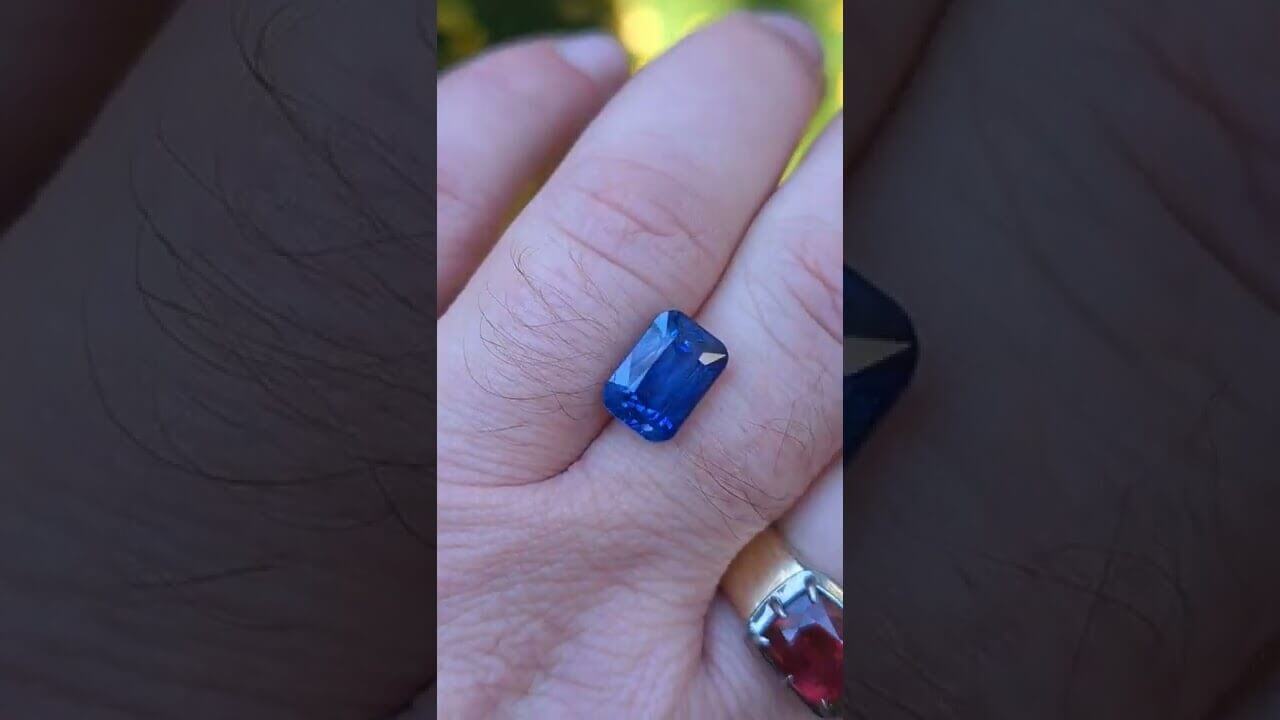
Have you ever wondered about the true value of that glittering ruby you admire, either in a piece of jewelry or perhaps in a collector’s display? There’s something captivating about rubies—their fiery red hues, their storied history, and their mystique. But not all rubies are created equal, and determining their value can be a bit of a conundrum. In this friendly little rendezvous with the world of gemstones, we’re going to untangle that very question. How can you tell if a ruby is valuable?


Understanding the Basics: What is a Ruby?
To embark on this journey, we ought to begin with the essentials. A ruby is a variety of the mineral corundum, which when red due to the presence of chromium, earns its distinguished title. Other colors of the corundum mineral you may know as sapphires. Yes, rubies and sapphires are siblings from the same mineral family; it’s a small world, isn’t it?
A Brief History of Rubies
The allure of rubies stretches back through centuries, with ancient cultures regarding these stones as symbols of passion, protection, and prosperity. Warriors adorned themselves with rubies for protection, and rulers believed in their capacity to endow wisdom and power. While we’ve evolved past some of these ideas (most don’t wear armor anymore, sadly), the value we place on these dazzling gems has not waned.
The Source Matters
Location, location, location! The origin of a ruby can greatly influence its market value. Burmese rubies, for example, are often seen as the epitome of quality. Known for their rich, pure reds that seem to burn with an inner fire, these gems can demand quite the price. Consider a ruby’s provenance like a wine’s vintage—sometimes, it makes all the difference.
Identifying Ruby Value: The 4 Cs
Rubies might be mysterious, but evaluating them doesn’t have to be. Let’s break down the mystique into the tangible: the trusty “4 Cs”—Color, Clarity, Cut, and Carat weight. These criteria can help you determine whether you’re looking at a treasure or a trinket.
Color: The Star of the Show
Color is king when it comes to the allure of rubies. The most prized rubies display a vibrant red with a hint of blue, often referred to as “pigeon blood” red. It’s less macabre than it sounds, I promise. But how do you know if the color is top-notch?
Hue: Essentially the base color of the stone. We want a red hue with minimal influence from other colors.
Tone: This refers to how light or dark the ruby appears. The sweet spot is a medium to dark tone; too light or too dark can diminish its appeal.
Saturation: Think intensity! The more vivid the color, the better. You want a ruby with saturation that screams “Look at me!” rather than whispering shyly.
Clarity: What’s Inside?
While inclusions (or internal imperfections if you fancy less jargon) are natural, the fewer, the better for rubies. Excellent clarity can enhance a ruby’s vibrance, allowing light to pass through elegantly. Nevertheless, remember that some inclusions are acceptable, as they attest to a ruby’s authenticity and natural origins.
Cut: The Perfect Shape
Cutting a ruby is like sculpting a masterpiece; it requires a precise touch. A well-cut ruby should exhibit symmetry and reflect light evenly, enhancing its inherent beauty. Like most things in life, balance is key here. However, due to the nature of rubies, cuts aim to preserve maximum weight, which can sometimes lead to less than ideal shapes.
Carat Weight: When Size Matters
Generally speaking, larger rubies are more valuable. However, a smaller ruby of exceptional color and clarity can outweigh a larger, less vibrant gem. It goes to show, quality truly can trump quantity!

Beyond the 4 Cs: Other Key Considerations
While the 4 Cs provide a solid foundation, several other factors can play a part in a ruby’s value. It’s like adding a surprise twist to a favorite story—it keeps the experience dynamic and interesting.
Origin: Where in the World?
As mentioned earlier, the geographic origin of a ruby can influence its worth significantly. Burmese rubies often steal the spotlight due to their legendary pigeon blood hue, yet rubies from Mozambique and Madagascar have also gained reputations for superb quality. Knowing where your ruby hails from can bolster its story and its value.
Treatments: The Secrets Within
Nearly all rubies undergo some form of treatment to enhance their appearance. Heat treatment is common and generally accepted, but beware of less conventional methods, like coloring or glass-filling, which can significantly reduce a stone’s value. Full transparency from sellers regarding these treatments is a must, so never shy away from asking questions.
How to Verify: Seeking Professional Help
Determining the value of a ruby isn’t just a solo endeavor. Oftentimes, it requires a little help from your friends—or in this case, experienced gemologists.
Certified Gemologists
These professionals are trained to evaluate gems and provide an unbiased assessment of value. A certification from a respected organization, like the Gemological Institute of America (GIA), can add credibility and peace of mind.
Gemological Laboratories
Consider enlisting the expertise of a gemological lab, which can provide detailed reports encapsulating the 4 Cs, origin, and treatment history. Such reports serve as a trusted cornerstone in understanding a ruby’s worth.
Case Study: Comparing Rubies
Let’s imagine you have two rubies before you, both equally beautiful at first glance. How do we compare them?
| Characteristic | Ruby 1 | Ruby 2 |
|---|---|---|
| Color | Pigeon blood red, intense saturation | Slightly pinkish red, moderate saturation |
| Clarity | Minor inclusions, not visible to naked eye | Visible inclusions, affecting transparency |
| Cut | Well-proportioned, excellent symmetry | Slightly asymmetric, some windows |
| Carat Weight | 3.0 carats | 5.0 carats |
| Origin | Burma | Thailand |
| Treatment | Heat-treated, disclosed | Glass-filled, disclosed |
From this table, we can establish that Ruby 1, despite a smaller carat weight, might hold higher value due to its color, clarity, and origin. On the other hand, Ruby 2, though larger, shows diminishing qualities due to its clarity issues and less desirable treatment.
Tips for Prospective Buyers
As you tread the dazzling path toward purchasing a ruby, here are a few tips to help you.
Do Your Homework
Knowledge is power, especially when it comes to valuable investments. Educate yourself on the basics of rubies and stay informed about current market values before making a purchase.
Ask for Documentation
From origin reports to treatment disclosures, always ensure that the documentation accompanying your ruby purchase is thorough and transparent. Think of it like a gemstone’s passport—it legitimizes and authenticates your prize.
Evaluate the Seller
Whom you buy from can be as important as what you buy. Seek out reputable dealers or jewelers who can provide certification and credible assurances of your ruby’s value.
Wrapping Up the Ruby Rendezvous
Turning back to our initial question—how can you tell if a ruby is valuable?—reveals the intricacies of the process. Understanding the many factors, from the 4 Cs to origin and treatment, paves a road to appreciating and determining a ruby’s true worth. Whether you’re a collector, an enthusiast, or someone simply in love with the allure of these fiery stones, this knowledge enlightens every future interaction with rubies. May your journey be as vibrant and captivating as the gems themselves!