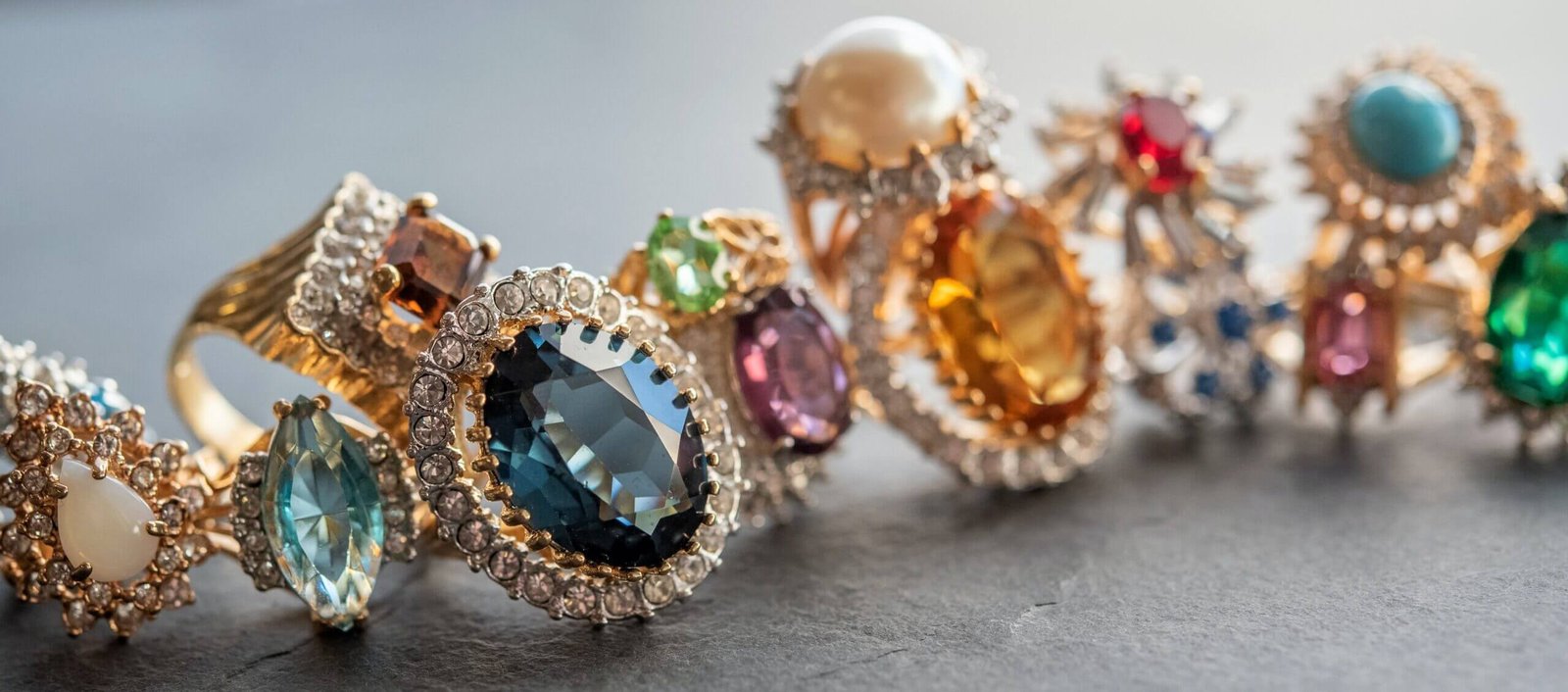
Have you ever found yourself staring into the depths of a gleaming ruby and wondered? “How on earth do you put a price on something so captivating?” Rubies have an allure that can mesmerize anyone, yet valuing one isn’t just about getting lost in its beauty. Imagine trying to put a price on a sunset or a peacock in full bloom. It’s not just about what meets the eye; there’s so much more going on beneath the surface.
Understanding the Enchantment of Rubies
Rubies are more than just red stones; they have fascinated civilizations for centuries. The combination of vibrant color, historical significance, and rarity gives rubies a unique prestige in the world of gemstones. If you’ve ever found yourself curious about what makes a ruby worth its weight in gold—literally—then stick around. You’re about to embark on a fascinating journey.

The Elemental Foundations: What is a Ruby?
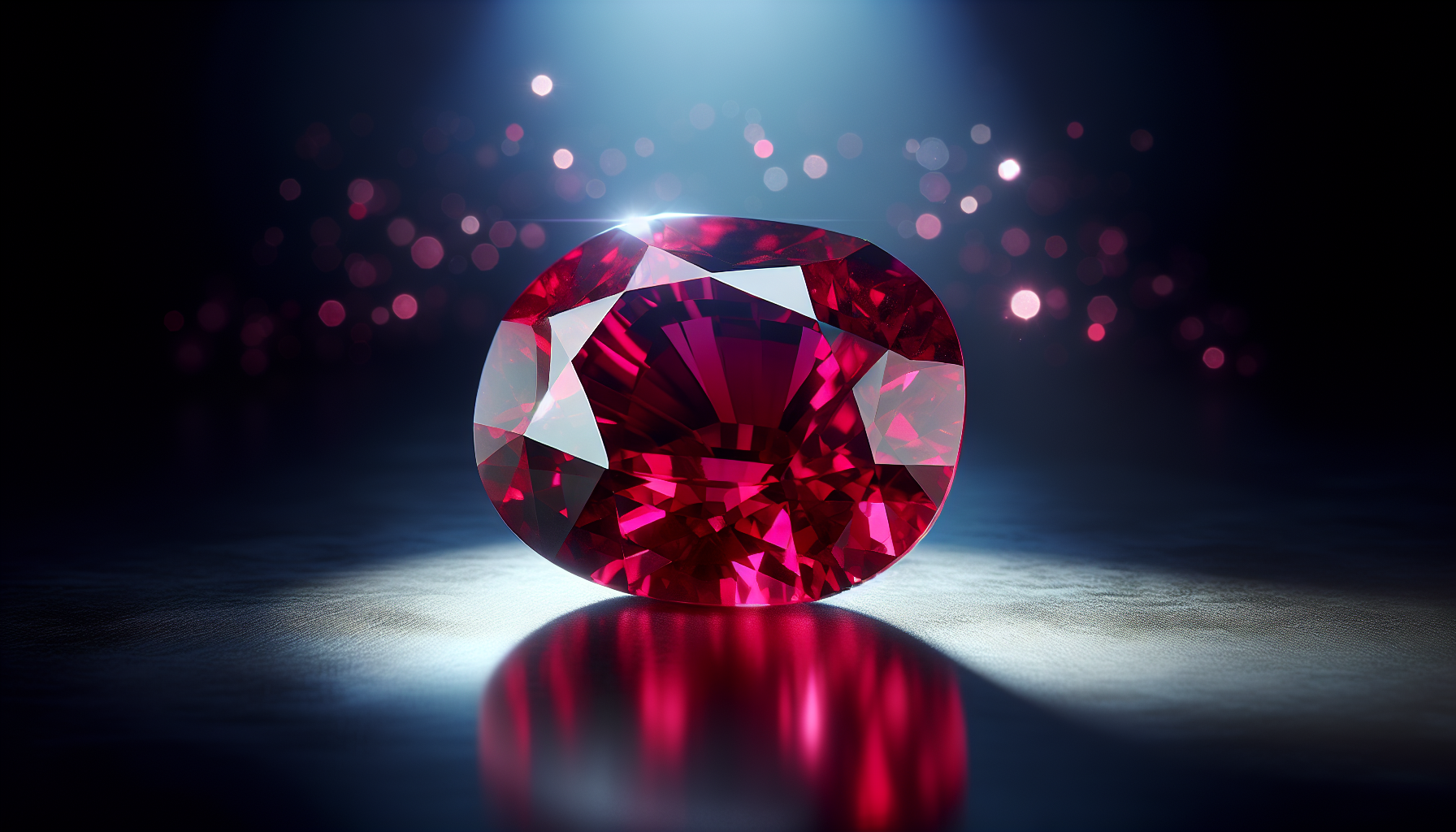
Before you can price a ruby, you first have to understand what a ruby actually is. Scientifically speaking, rubies are a variety of the mineral corundum, and their red color comes from the presence of chromium. While sapphires are blue corundums, rubies are the only red variety. This distinction is crucial because it sets them apart from all other gemstones.
The Color Spectrum: Why Red?
Not all reds are created equal. When it comes to rubies, their shade can vary from light pinkish-red to a deeper crimson. This variation happens due to the different concentrations of chromium within the stone as well as traces of other elements. The red color of a ruby isn’t just a random tint; it’s a complex combination of chemistry and artistry.
Historical and Cultural Significance
Historically, rubies have been associated with power, luxury, and passion. In some cultures, they were even believed to offer protection and bring good fortune. Understanding the historical and cultural context of rubies can give you a deeper appreciation and also assist in understanding why they command such high prices in the market.
Dissecting the Four Cs of Rubies
You may have heard about the Four Cs related to diamonds, but did you know they also apply to rubies? This framework—Color, Clarity, Cut, and Carat weight—is crucial when it comes to determining the price of a ruby. However, the application of the Four Cs differs slightly between diamonds and rubies.
Color: The Heart and Soul
When it comes to rubies, color is the most important factor influencing their value. The best rubies possess a pure, vibrant red to slightly purplish-red color. Anything other than these shades can reduce the ruby’s value significantly. If a ruby is too dark, it can appear nearly black, and if it’s too light, it may be considered a pink sapphire, which typically has a lower market value.
Clarity: The Inner Story
Inclusions, or internal imperfections, are common in rubies and can affect their value. Unlike diamonds, some inclusions are tolerated in rubies as they can indicate the stone’s natural origin. As such, rubies with fewer visible inclusions—especially those that don’t impede the stone’s overall transparency—tend to be more expensive.
Cut: The Craftsmanship Element
A ruby’s cut is all about maximizing brilliance and showing off the stone’s natural beauty. Rubies are most commonly cut into oval and cushion shapes, but round and other fancy cuts can also be found. A well-cut ruby will reflect light evenly across the surface without having any dull spots.
Carat Weight: Size Matters
While larger rubies are indeed rare, their value doesn’t just increase exponentially based on their weight. The other three factors—color, clarity, and cut—should harmonize with the carat weight to form a more fluid valuation. For example, a small, intense red ruby can be more valuable than a larger, paler stone.

The Intricacies of Ruby Origin
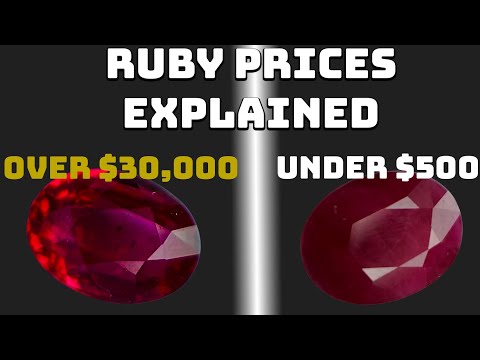
Just as the origin of a fine wine affects its price, the birthplace of a ruby can significantly influence its value. Different geographic regions produce rubies of varied quality and characteristics, which buyers and sellers in the market consider.
Burmese vs. Other Origins
Rubies from Myanmar (formerly Burma) are considered the most precious. Burmese rubies are known for their deep, vibrant “pigeon blood” red color and excellent transparency. However, rubies from other places like Thailand, Sri Lanka, and Africa each have unique characteristics that may appeal to different buyers.
Ethical Considerations
In today’s conscious market, the ethics of gemstone sourcing cannot be ignored. Knowing whether a ruby was ethically sourced is increasingly important for buyers, adding another layer of complexity to pricing. Ethically sourced rubies often fetch higher prices because of the peace of mind they offer to the buyer.
Enhancements and Treatments
In the quest to achieve the perfect gem, many rubies undergo some form of enhancement or treatment. These processes can alter the stone’s appearance and therefore its value.
Heat Treatment
A common treatment, heat enhancement can improve the color and clarity of a ruby. While heat-treated rubies are widely accepted in the jewelry industry, untreated stones fetch higher prices as they are considered more natural.
Lead Glass Filling
A less accepted method of enhancement involves filling rubies with lead glass to improve clarity and appearance. These rubies are significantly more affordable but also less valuable as they don’t hold the same market prestige as natural stones.
| Type of Treatment | Effect on Ruby | Impact on Value |
|---|---|---|
| Heat Treatment | Improves color and clarity | Accepted, minimal impact |
| Lead Glass Filling | Improves clarity | Reduces value significantly |
Certifications and Appraisals
Just as you wouldn’t buy a house without an inspection, you shouldn’t purchase a ruby without some form of certification. Certifications provide an official acknowledgment of the stone’s characteristics, including color, clarity, cut, and any treatments.
Trusted Gemological Laboratories
Certain gemological laboratories are known worldwide for their rigorous grading standards. Examples include the Gemological Institute of America (GIA) and the Swiss Gemological Institute (SSEF). A certificate from a reputable lab can add value and authenticity to your ruby.
Appraisals: Knowing Your Stone’s Worth
An appraisal goes one step further by actually putting a dollar value to your gemstone. It involves a certified gemologist evaluating your ruby and taking into various factors like market conditions, demand, and inherent characteristics. Regular appraisals can keep you updated on the current market value of your jewel.
The Role of Market Trends
Even if you have a flawless ruby, its market value can still fluctuate based on demand and current trends. Market trends often rely on fashion, economic conditions, and even celebrity influence.
Seasonal Influences
The time of year can significantly impact gemstone prices. Holiday seasons may drive up demand and prices, whereas other times of the year may present the opportunity for a better deal.
Celebrity and Fashion Trends
Don’t underestimate the power of celebrities and fashion houses in influencing gemstone prices. A single appearance of a celebrity on the red carpet wearing ruby jewelry can cause a spike in market interest, driving up prices for a short period.
Buying and Selling Rubies
Whether you’re purchasing your first ruby or looking to sell one, having a strategic approach can make a significant difference in your experience and final price.
Research and Education
The best way to make informed decisions is through education. Understanding the intricacies of ruby pricing, from the Four Cs to ethical sourcing, will give you the knowledge you need to navigate the market confidently.
Finding a Reputable Jeweler
A trustworthy jeweler will guide you through the buying process, helping you understand each ruby’s unique features and ensuring there are no hidden treatments or enhancements.
Negotiation Tactics
Don’t be afraid to negotiate. While the price of a ruby may seem fixed, there is often room for negotiation—especially if you can prove an understanding of the stone’s underlying characteristics.
Conclusion
So, how do you price a ruby? It’s not a one-size-fits-all answer, as multiple factors interplay to determine a ruby’s market value. From its color and clarity to its origin and possible enhancements, these elements combine to produce a gem worthy of both admiration and investment. Now that you’re educated about this fascinating gem, the next time you see a ruby, you may just see more than a vibrant red stone; you’ll see a story revealed through its historical, physical, and market intricacies.