Have you ever opened your refrigerator looking for milk and found a mangalsutra on the shelf next to the pickles?
Indian Jeweller and the Woman Who Stashed Her Mangalsutra in the Refrigerator
You might think this story begins with romance, or paranoia, or perhaps a very inventive form of domestic feng shui. It begins instead with a mundane grocery run and a woman who, when asked later, shrugs and says: “It felt safer.” You listen, you file it in your mental catalog of odd but defensible human behavior, and you wonder how something so deeply intimate — a mangalsutra, a sign of marriage and continuity — ends up chilling with leftover curry. This odd domestic vignette is a doorway into a larger conversation about jewellery, culture, retail trends, and how the industry that serves these pieces — Indian Jeweller magazine among them — is adapting to changes you probably sense but haven’t quite named.
The Household Incident: Why the Refrigerator?
You learn the story slowly because no one intends to tell you they’re storing jewellery in the fridge; it comes out in small confessions. She’d just returned from cleaning the chain at the neighbourhood jeweller and didn’t have a safe place to leave it while she went to the market. The refrigerator had a lock. The refrigerator was cold. The refrigerator, she said, was inconspicuous.
You find this both hilarious and oddly sensible. When you start thinking about where people hide things, ordinary household items become the most cunning safes: hollow books, tea tins, old shoe boxes — and, apparently, refrigerators. The logic is pragmatic: temperature stability, unlikely to be the first place a burglar examines, a locked surface in some homes, and in many cases simply closer than the bank.
The immediate, practical reasons people use the fridge
You can list the reasons and still smile — they’re not irrational, just improvisational.
- Security: Not the obvious first stop for a thief.
- Accessibility: Nearby when you’re leaving for work or errands.
- Habit: You may have seen something once and started doing it yourself.
- Superstition: For some, refrigeration may be interpreted as preserving purity.
- Lack of alternatives: No safe, no locker, and trust in relatives is limited.

What a Mangalsutra Means to You
If you wear one, you know it’s not just a necklace. If you don’t, you still recognize the symbol: black beads interspersed with gold, a pendant that can vary from minimalist to ornate. For many, the mangalsutra is a talisman and a social contract wrapped into one object. It’s at once jewelry and identity, worn every day, sometimes in the shower, sometimes at the office, sometimes to funerals and festivals alike.
You’ll find regional variations — design differences across Maharashtra, Bengal, Tamil Nadu, and beyond. Materials change too: some are heavy with gold and polki, others slender with contemporary elements, and a newer shelf of designs incorporate diamonds, colored stones, or even lab-grown alternatives that respond to modern ethical questions.
Mangalsutra: symbolism and forms
You probably already associate the mangalsutra with marriage rituals, but there’s a complex mixture of personal preference, family history, and fashion trends at play. Some view it as mandatory, others as optional, and a growing number of younger wearers treat it as a customizable accessory rather than a uniform obligation.
The Cultural and Emotional Weight of Jewellery
You understand jewellery as more than metal and stones. It’s emotional currency. A mangalsutra might hold a story of a cramped jewel box, of a mother’s nervous hands as she fastens it on a daughter, of a husband’s attempt at a surprise gift. You can smell the curry in your neighbour’s kitchen and still feel the lilt of a whispered promise that accompanied the piece.
When objects carry this much emotional freight, your instincts about safety become creative. You might press it into a pillow or loop it around your neck before bedtime, but ultimately, the strategies people choose reveal much about trust, privacy, and what’s valued more: the material or the meaning.
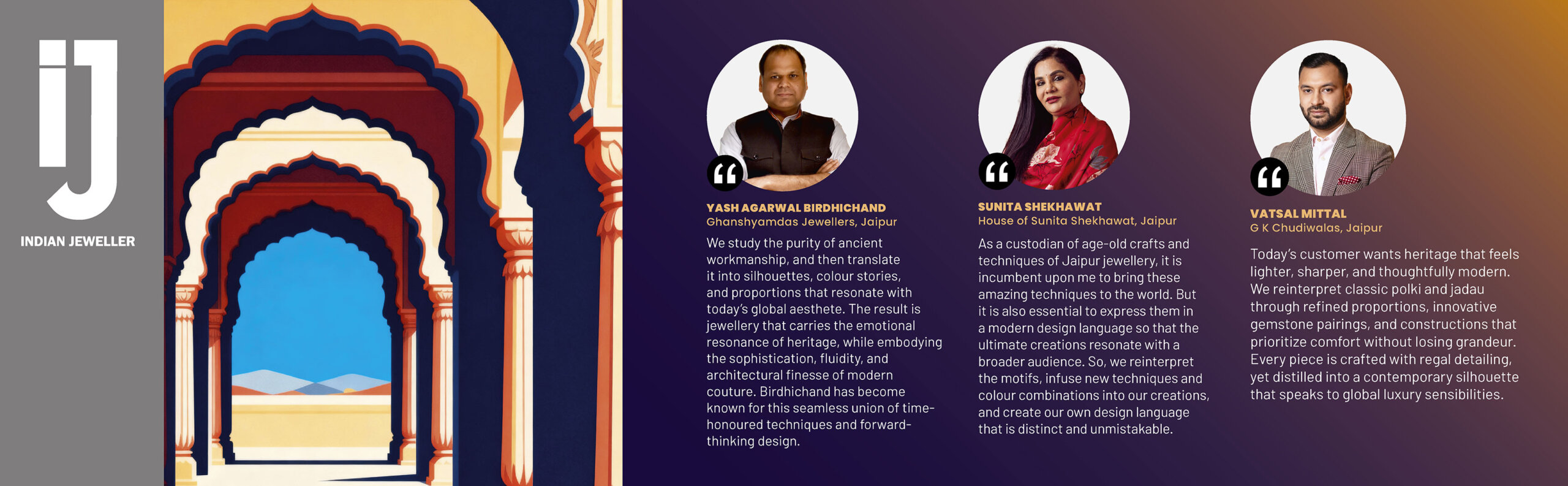
Indian Jeweller Magazine: Your Industry’s Storyteller
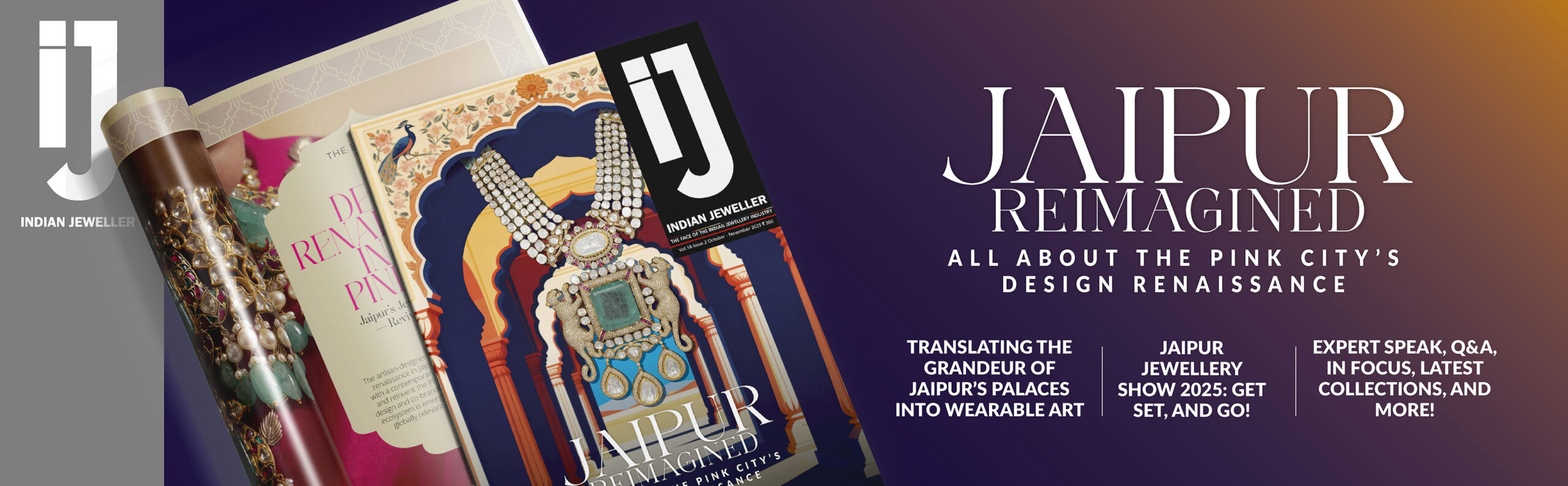
Indian Jeweller (IJ) is not a catalogue. It’s a trade publication that connects jewellers, designers, and retailers to trends, policy shifts, and consumer behavior. If you follow industry news, you’ll note IJ’s role in transmitting insights from trade shows to small-town showrooms, and from the policy corridors of New Delhi to design studios scattered across the subcontinent.
You might have read IJ pieces that explain how taxes affect pricing or how a particular designer is rethinking polki for retail. You trust it for its synthesis of data and anecdotes — the same way you trusted a villager to explain why the mangalsutra ended up in the refrigerator.
Why the magazine matters to you
If you’re a retailer, IJ gives you supply chain intelligence. If you’re a designer, it shows you audience patterns. If you’re a consumer, it offers context for why your engagement ring seems suddenly more expensive, or why a mangalsutra line appears at your favourite boutique.
The Market Pulse: What’s Moving the Industry
You’ll find several core trends shaping your choices and the industry that serves them. Some of these are reflected in recent IJ headlines: Shringar House of Mangalsutra’s 68.4% revenue growth in Q3 FY26, rising exports, and major brand launches around seasonal gifting occasions.
These signals tell you that mangalsutras are not a relic. They’re a category undergoing rapid reinvention. Retailers are launching themed collections — seasonal, bridal, and contemporary — while marketing strategies morph from discounting to storytelling.
Key industry indicators you should note
- Shringar House of Mangalsutra reported 68.4% revenue growth in Q3 FY26 — a sign of concentrated category performance.
- India’s gem and jewellery exports hit $23.19 billion for April–January — an export story that frames domestic dynamics.
- Retailers are shifting away from the discount treadmill toward narrative-driven marketing and value-centric sales approaches.
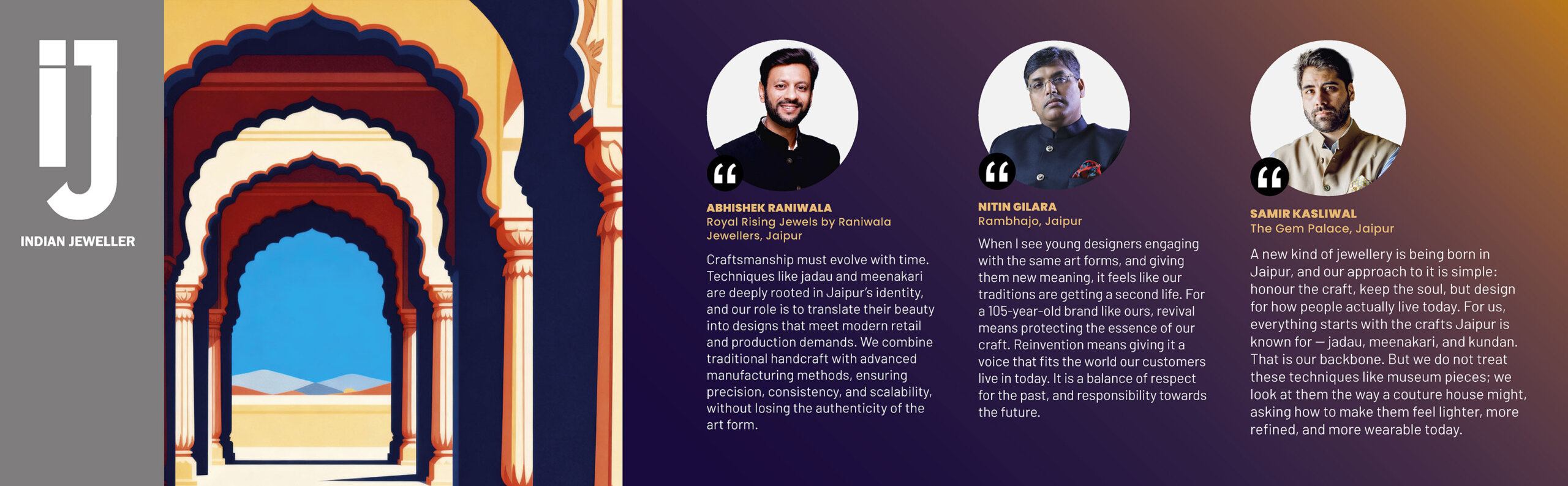
Table: Recent Industry Headlines and What They Mean to You
| Headline | Short Summary | Why You Should Care |
|---|---|---|
| Shringar House of Mangalsutra Reports 68.4% Revenue Growth (Q3 FY26) | Mangalsutra-focused company reports strong quarter. | Indicates demand and opportunities for niche, category-specific producers and retailers. |
| India Gem & Jewellery Exports at $23.19 Billion (April–January) | Exports remain robust, supporting manufacturing and trade. | Suggests global demand and competitiveness of Indian manufacturing. |
| Ethera Raises Rs 25 Crore from BlueStone to Expand Lab-Grown Diamond Retail Footprint | Investment into lab-grown diamonds expansion. | Lab-grown stones are now part of mainstream wedding and bridal jewellery conversations. |
| Dhirsons Jewellers Launches ‘Heartbeats & Heirlooms’ Valentine’s Collection | Retailers are tying emotion to products. | Emotional storytelling as a retail strategy is gaining traction. |
| India–US Interim Trade Framework Reduces Jewellery Duties | Policy easing that could lower costs on certain imports/exports. | You may see pricing shifts and supply chain adjustments. |
Design Trends: From Tradition to Contemporary and Back Again
You’ll notice a pattern if you watch long enough: revival, reinterpretation, reinvention. Traditional forms like polki are finding new life in contemporary silhouettes. Designers rework motifs, slim down pendants, reconfigure bead sizes, and sometimes remove gold from the equation to appeal to minimalists.
IJ has carried pieces on how polki is being reimagined and how retailers are finding new ways to offer value without sacrificing craftsmanship. You should take note because this influences design requests, inventory planning, and consumer expectations.
Popular directions in mangalsutra design
- Minimalists: thin chains, small pendants, and refined black bead arrangements.
- Heritage reinterpretations: polki elements in modern settings.
- Gemstone mixes: small diamonds or coloured stones to personalize tradition.
- Alternative materials: lab-grown diamonds and ethically sourced metals.

Table: Design Types and Typical Consumer Profiles
| Design Type | Typical Buyer | Retail Strategy |
|---|---|---|
| Traditional heavy mangalsutra | Older buyers, ceremonial wearers | Stock for wedding season; highlight craftsmanship |
| Minimal, daily-wear styles | Young professionals, urban consumers | Emphasize functionality and comfort |
| Diamond-accented pieces | Status-concerned buyers, gift purchasers | Bundle with certification and warranty |
| Custom/Designer pieces | Affluent buyers seeking uniqueness | Promote bespoke services and storytelling |
Security and Storage: Where Should You Really Keep Your Mangalsutra?
Now you imagine the fridge and think maybe it’s not such a bad idea. Before you test it, consider more conventional and safer options. Your choices will depend on access, frequency of wear, sentimental value, and local crime conditions.
Table: Storage Options — Pros and Cons
| Storage Option | Pros | Cons |
|---|---|---|
| Bank locker | High security; away from home theft | Inconvenient for everyday wear; can be costly |
| Home safe | Easy access; customizable | Must be fireproof and bolted; burglars know to check safes |
| Inconspicuous hiding place (tea tin, book) | Low visibility to casual intruders | Not secure against determined thieves |
| Refrigerator | Unusual; lower likelihood of search | Possible moisture/tarnish risk; not secure if system is accessible |
| Wear it | Emotional comfort; reduces risk of loss at home | Risk of theft when out; potential damage |
You’ll notice the fridge shows up as low on recommended lists because moisture and condensation can be bad for certain metals and threads. You can mitigate this by storing pieces in airtight bags with silica packets, but then you’re essentially creating a small safe inside a small safe. That takes planning. If you care about the piece enough, you’ll probably favour a bank locker or a well-installed home safe.

Insurance and Certification: Protecting Your Investment
You love the sparkle; you hate the prospect of loss. Insurance is a practical step. For high-value pieces, you should carry certification and photographs in a secure cloud account. If the mangalsutra is priceless because of history, not market value, you still might insure it. Many people don’t; they prefer to keep the story. But your younger self, the one who manages household utilities, knows better.
What to keep on file
- Hallmark and purity certificates
- Gemstone reports, if applicable
- Receipts and invoices
- High-resolution photographs
- Serial numbers for branded pieces
Marketing and Consumer Behaviour: You’re Not Buying the Same Way as Before
A headline in IJ that might have caught your eye: “Why Discounting Is Losing Its Power in Jewellery Retail.” You nod because you already noticed. The sales you once chased with markdowns aren’t translating to sustained loyalty. Jewellery buying is often deliberative; people mull, compare, seek family approval, and return after festivals and salary dates. Your purchase pattern is patient because jewellery is a high-consideration product.
Retailers are becoming storytellers as a result. You react to narrative more than to slashed prices. Collections announced for Valentine’s — like Dhirsons’ “Heartbeats & Heirlooms” or Akoirah’s “Made of Us” — show the shift from price to sentiment.
How retailers are responding
- Emphasizing heritage and storytelling.
- Offering bespoke and limited editions.
- Using loyalty programs and service guarantees.
- Partnering with lifestyle events, sports, and celebrity endorsements.
Sustainability and Innovation: Making Sense of ‘Green’ Jewellery
You may have noticed an increase in sustainable initiatives: recycled gold, lab-grown diamonds, and sustainable design competitions. IJ highlighted events like the Sawansukha Institute’s “From Scrap to Treasure” challenge and Ethera’s funding to expand lab-grown diamond retail footprint. These aren’t token gestures; they respond to a consumer cohort that wants ethics with aesthetics.
Tokenization of silver (DMCC’s initiative) and the growth of lab diamonds signal that the industry is experimenting with how to authenticate, finance, and market jewellery in the 21st century.
Why this should matter to you
If you buy with an eye toward sustainability, these initiatives create options that reduce the ethical cost of indulgence. If you’re a retailer, incorporating sustainable stories can differentiate your brand. If you’re skeptical, you’ll want to ask for clear provenance and certifications.
Retailer Voices and Trade Policy: The External Forces You Can’t Ignore
Policy changes — like the India–US Interim Trade Framework easing jewellery duties — echo through the industry. Reduced tariffs can mean cheaper imported inputs, more competitive exports, or shifting supplier relationships. You shouldn’t expect immediate price drops at the retail counter, but over time supply chains recalibrate, competition intensifies, and margins adjust.
IJ covers these policy ripples. If you run a store, you read them to plan inventory; if you buy, you might see greater variety, or new brands in your city’s showroom.
What policy shifts mean for small retailers and consumers
- Opportunities for import diversification.
- Potential shifts in the source of gemstones and finished goods.
- Pressure to meet international standards in documentation and ethical sourcing.
The Psychology of Stashing Valuables in Odd Places
You enjoy a good rationalization. People who hide jewellery in refrigerators are not necessarily absent-minded or foolish; they’re inventive. The behaviours reveal patterns: a fear of betrayal, an aversion to showing wealth, or a distrust of formal institutions. Sometimes it’s pure expediency — the fridge was locked, so it became the emergency home safe.
You also see performative secrecy: a person who values privacy will pick an unglamorous hiding place because the true ostentation is the act of hiding, not the hiding spot itself. If you think of the refrigerator as a plot hole — a place stories can happen — you’ll appreciate its role in personal mythologies.
The Business of Mangalsutras: Niche Growth and Strategic Opportunities
Shringar’s reported growth indicates a sector-specific boom. You ought to think of mangalsutras as a category with life cycles: classic, seasonal, and experimental. Retailers can exploit these phases by curating assortments and running education-led promotions. Since the category is tradition-bound, bridal seasons remain important, but everyday wear has become a commercially productive sub-class.
Opportunities for you if you’re in the trade
- Curate modular pieces that function as daily-wear alternatives.
- Provide cleaning and repair services — many customers prefer one trusted local jeweller.
- Educate buyers about certifications and modern design options.
- Use storytelling (family histories, craft processes) to reduce the power of discounts.
Practical Care: How You Should Look After Your Mangalsutra
You’re practical, so here’s a basic regimen to make the necklace last: avoid harsh chemicals, remove it before swimming, get periodic cleaning at a trusted jeweller, and if you store it at home, use a dedicated jewellery box with anti-tarnish strips. If you wear it daily, inspect the clasp and thread regularly. Nothing ruins a family heirloom faster than negligence.
Quick maintenance checklist
- Clean with a soft cloth and mild soap (avoid detergents and chlorine).
- Dry thoroughly before storage.
- Check the clasp and bead stringing annually.
- Photograph and insure high-value pieces.
A Few Stories from the Counter: What Retailers Tell You
Retailers you’d overhear at a trade show will tell you the same things: brides increasingly want hybrid styles, younger buyers prefer lighter pieces, and lab-grown diamonds open price-accessible pathways for those who want sparkle without traditional costs. Special campaigns — like P N Gadgil’s foundation-day sales or Palmonas’ reframing of campaigns — show localized retail creativity.
You can see this in the pattern of news: brand launches timed with festivals and cultural calendar moments, a spike in limited editions during Valentine’s, and targeted collections aimed at regional tastes.
Table: Seasonal Retail Strategies and Your Buying Moments
| Season/Event | Retail Focus | How You Typically Respond |
|---|---|---|
| Wedding season | Traditional heavy pieces; mangalsutra emphasis | Bride-focused purchases; family consultation |
| Festive season | Gifting collections; promotional bundles | Value-oriented buying; multiple purchases |
| Valentine’s/Anniversaries | Emotional storytelling collections | Gift purchases; impulse within planned budgets |
| Off-season | Service-based offerings (repairs, custom orders) | Planning and customization |
The Future: What You Should Expect
You’ll see the category continue to fragment. There will be high-luxury heritage pieces, mid-market modern hybrids, and mass-market simplified designs. Policy shifts and international trade frameworks will alter sourcing and pricing slowly. Sustainability narratives will grow louder, and technological advances (like tokenized ownership) may change how you document and trade precious metals and gemstones.
Retailers will need to do more than stock: they’ll curate, educate, and offer services that justify margins without endless discounting. You, as a consumer, will be offered more choice but will also be asked to consider provenance, sustainability, and long-term value.
Closing the Loop: The Refrigerator as a Metaphor
The mangalsutra in the fridge is funny because it’s a small breach of decorum. You chuckle at the domestic incongruity and recognise something deeper: we stash our treasures where life is most chaotic, and in doing so, we make a home of them. Indian Jeweller captures these tensions between heritage and modernity, between sentiment and commerce, and between the safety of the bank locker and the improvisational cunning of a locked refrigerator door.
If the woman who hid her mangalsutra in the refrigerator taught you anything, it’s that objects carry meanings you can’t standardize, and industries — from makers to magazines like IJ — must bend to those meanings. You might never put your mangalsutra in the fridge, but you’ll remember the story when you’re deciding whether to insure an heirloom, to buy a new design, or to trust a retailer with your family’s memories.
Final Practical Notes for You
- If you’re buying: ask for certification, check design options, and consider sustainability credentials.
- If you’re storing: choose a bank locker for high-value items, a good home safe for accessibility, and airtight, dry storage if you improvise (please don’t use the fridge long-term).
- If you’re a retailer or maker: tell stories, offer services, and treat trust as the core product. Your customers aren’t just buying metal; they’re buying continuity.
You’ll leave this article with an amused image and, perhaps, a tiny shiver of recognition. The next time you open the fridge and see a shining curve of gold on the shelf between the yoghurt and the onion, you’ll know there’s a story — and maybe you’ll understand a little better why people guard their hearts in the strangest of places.