Have you ever found yourself gazing at a ruby and wondering just how valuable this sparkling gem might be? You’re not alone. The world of gemstones is a fascinating one, filled with history, science, and mythology. Rubies, in particular, captivate many with their vibrant red hues and shimmering surfaces. Let’s explore why these alluring stones have such enduring appeal and examine whether their value matches their beauty.


The Rich History of Rubies
Rubies have a history that stretches back thousands of years. From ancient civilizations to modern jewelers, rubies have been cherished as symbols of power, passion, and protection. Ancient cultures believed rubies contained the essence of life, akin to blood, and could bestow health, wisdom, and success upon their wearer. Kings and queens throughout history have adorned themselves with ruby-studded crowns and regalia, eager to harness these reputed powers.
Historically, rubies have been mined in locations such as Myanmar (formerly Burma), Thailand, and Sri Lanka. These regions became famous for the quality of their rubies; in fact, the “Burmese Ruby” is considered one of the finest. As you might guess, all this history adds layers of intrigue and demand, contributing to the stone’s significant value.
Symbolic Meanings and Cultural Significance
Beyond their tangible value, rubies carry rich symbolic meanings. In various cultures, they are associated with virtues such as courage, love, and passion. In the Sanskrit language, rubies are called “ratnaraj,” meaning “king of gems.” In medieval Europe, they were cherished for their perceived ability to protect warriors during battle. Even today, gifting a ruby represents a gesture of love and commitment.
Understanding the cultural and historical importance can deepen your appreciation for rubies, not just as a financial asset but as objects imbued with centuries of human emotion and belief.
Understanding the Gemstone Market
The value of a ruby, like any gemstone, is determined by several factors. These involve a mixture of science and subjective appraisal, entwined with market trends and personal opinions. Let’s break down these influences so you can better understand the enchanting world of gemstone valuation.
The Four Cs: Color, Clarity, Cut, and Carat Weight
When it comes to assessing rubies, professionals often turn to the Four Cs, a set of criteria also used to evaluate diamonds:
Color: This is often considered the most critical factor in determining a ruby’s value. The finest rubies display a pure, vibrant red to slightly purplish-red hue. The term “pigeon’s blood” is used to describe the most prized shade of ruby, which is a vibrant, deep red with a hint of blue undertones.
Clarity: Rubies often contain natural inclusions or internal features, and these can affect the stone’s clarity. While some inclusions are expected, fewer visible inclusions generally increase a ruby’s value. However, certain inclusions can add to a ruby’s uniqueness and charm.
Cut: The way a ruby is cut can enhance its color and overall appearance. A well-cut ruby will reflect light internally, enhancing its brilliance and luster. This element is crucial in determining a ruby’s aesthetic appeal.
Carat Weight: Like most gems, rubies are also measured by carat weight. Larger rubies are more uncommon than smaller ones, making them significantly more expensive. However, it’s essential to balance size with the other factors to find a truly valuable stone.
Treatments and Enhancements
It’s not uncommon for rubies to be treated to enhance their appearance. Heat treatment is a standard practice used to improve a ruby’s color and clarity. While this is widely accepted in the gemstone market, it does influence the stone’s value. Natural, untreated rubies with desirable qualities are rarer and, therefore, more valuable.
Other less common treatments can include dyeing or fracture filling. It’s critical for you to be aware of these treatments and ensure any purchase comes with a certification verifying the ruby’s authenticity and the type of treatment it has received.
Global Ruby Markets: Supply and Demand
The gemstone market, like any market, runs on supply and demand. While rubies have been mined for centuries, significant reserves have diminished over time, driving prices higher. Myanmar remains a significant source of high-quality rubies; however, global mining and trade restrictions can affect availability and cost.
A Quick Look at Ruby Prices
To give you a clearer picture, here’s a simple table with some rough estimates based on recent market trends:
| Quality | Carat Weight | Price per Carat (USD) |
|---|---|---|
| Low-Quality | <1.0< />d> | $50-$300 |
| Medium-Quality | 1.0-3.0 | $300-$3,000 |
| High-Quality | 3.0-5.0 | $3,000-$25,000 |
| Exceptional | >5.0 | $25,000+ |
Keep in mind that these figures are approximate and can fluctuate based on numerous factors, including market conditions and the gem’s provenance.

The Science of Ruby Formation
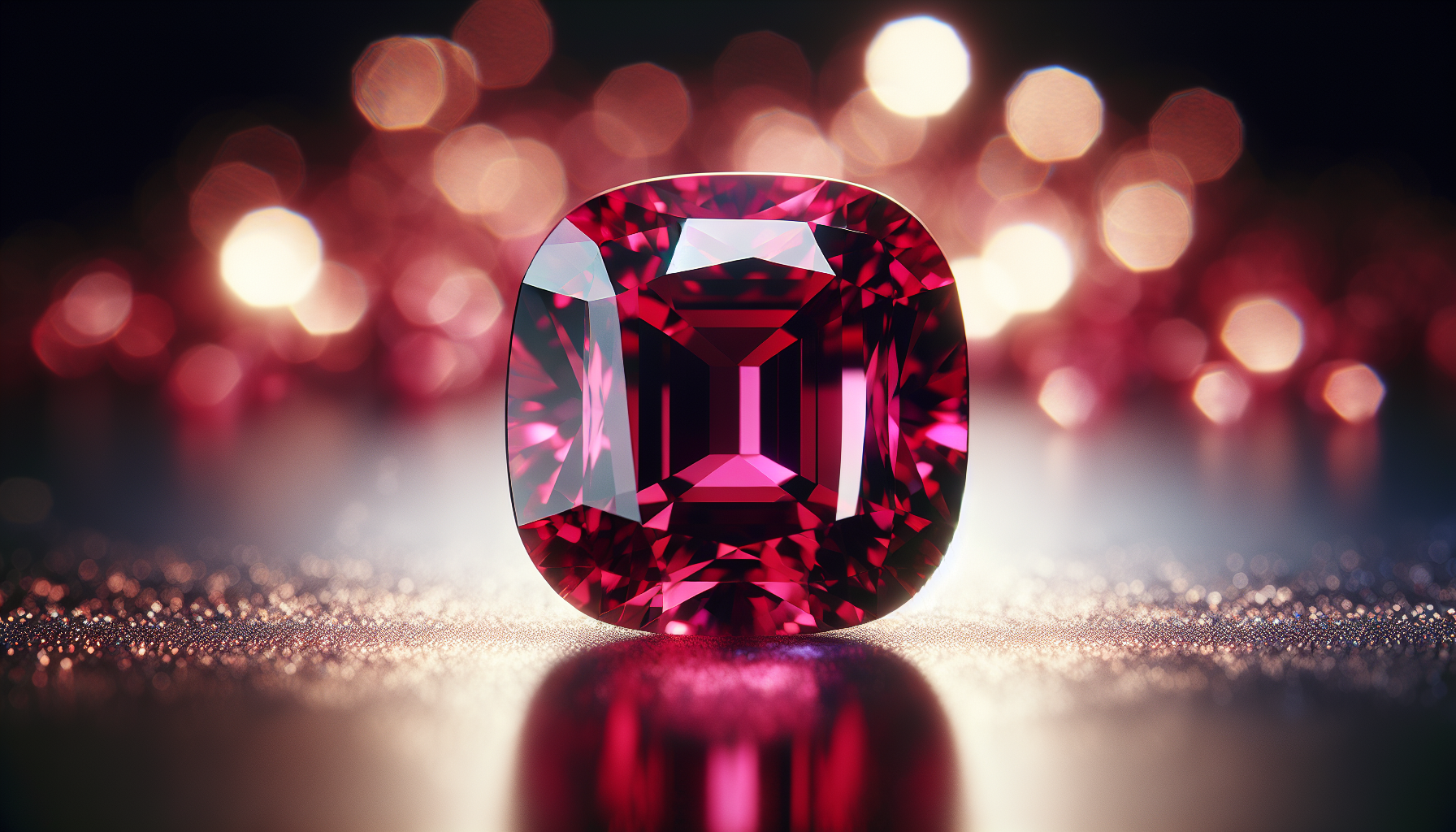
Understanding how rubies form adds another layer of insight into their value and allure. Rubies are a variety of the mineral corundum, a crystalline form of aluminum oxide. The presence of chromium is what gives rubies their signature red color. Interestingly, without chromium, corundum crystals can become sapphires, showcasing yet another fascinating aspect of nature’s handiwork.
Geological Origins
Rubies are generally formed in metamorphic rocks like marble, under conditions of immense pressure and heat. The process takes millions of years, explaining why high-quality rubies are so rare. Geologically speaking, the formation process is as fascinating as the stone’s beauty.
When considering these miraculous origins, it’s no wonder that people often perceive rubies as possessing an almost magical quality.
Rubies in Popular Culture
Rubies have also carved out a niche in popular culture. From the iconic ruby slippers in “The Wizard of Oz” to royal jewelry collections around the world, these gems often symbolize wealth and glamour. In literature, they are often used to evoke themes of passion and intrigue, providing a backdrop to memorable love stories and dramatic adventures.
Celebrity and High Fashion
In the realm of high fashion and celebrity, rubies frequently make appearances on the red carpet. They are favored for their bold color, which adds an undeniable element of drama and elegance. Whether showcased in a glamorous necklace or a striking ring, rubies never fail to make an impression.
Their continued presence in fashion and media only adds to their mystique and desirability, keeping the market buoyant and demand high.
Evaluating Ruby Purchases
When you’re considering purchasing a ruby, several factors come into play. Apart from the Four Cs and treatment awareness, you should also think about your personal preferences and the context of the purchase, such as whether the ruby is for investment, an engagement, or a collector’s item.
Choosing the Right Ruby
Selecting a ruby isn’t solely about choosing the most expensive option. Rather, it’s about finding a gem that speaks to you. Consider the stone’s color, the way it’s set, and how its unique features appeal to you personally. This personal connection is priceless and enhances your enjoyment of the gem.
Investment Potential
Many view rubies as not just a personal purchase but also an investment. Fine rubies have shown a historical trend of increasing in value over time. While the gemstone market can be volatile, high-quality rubies are a relatively stable and valuable asset. If you’re investing, look for certified stones with documented provenance and details on any treatments undergone.
Certification and Authenticity
One crucial step you shouldn’t skip is acquiring a certificate from a reputable gemological lab. This certificate should include detailed information on the ruby’s characteristics, origin, and any treatments. This piece of paper is your assurance of the stone’s authenticity and an essential document if you decide to sell the gem in the future.
Conclusion
When contemplating the question, “Is a ruby a valuable stone?” the answer is an enthusiastic yes. Rubies possess an intrinsic value that is multifaceted, encompassing not just their monetary worth but also their historical significance, cultural symbolism, and natural beauty. Their vibrant color, storied past, and timeless elegance make them a treasure not just of material wealth but of human fascination and desire.
Whether you’re an investor, a collector, or someone entranced by their beauty, rubies offer something for everyone. As you continue your journey through the world of gemstones, remember that their true value often lies not just in dollars and cents but in the joy and wonder they inspire.