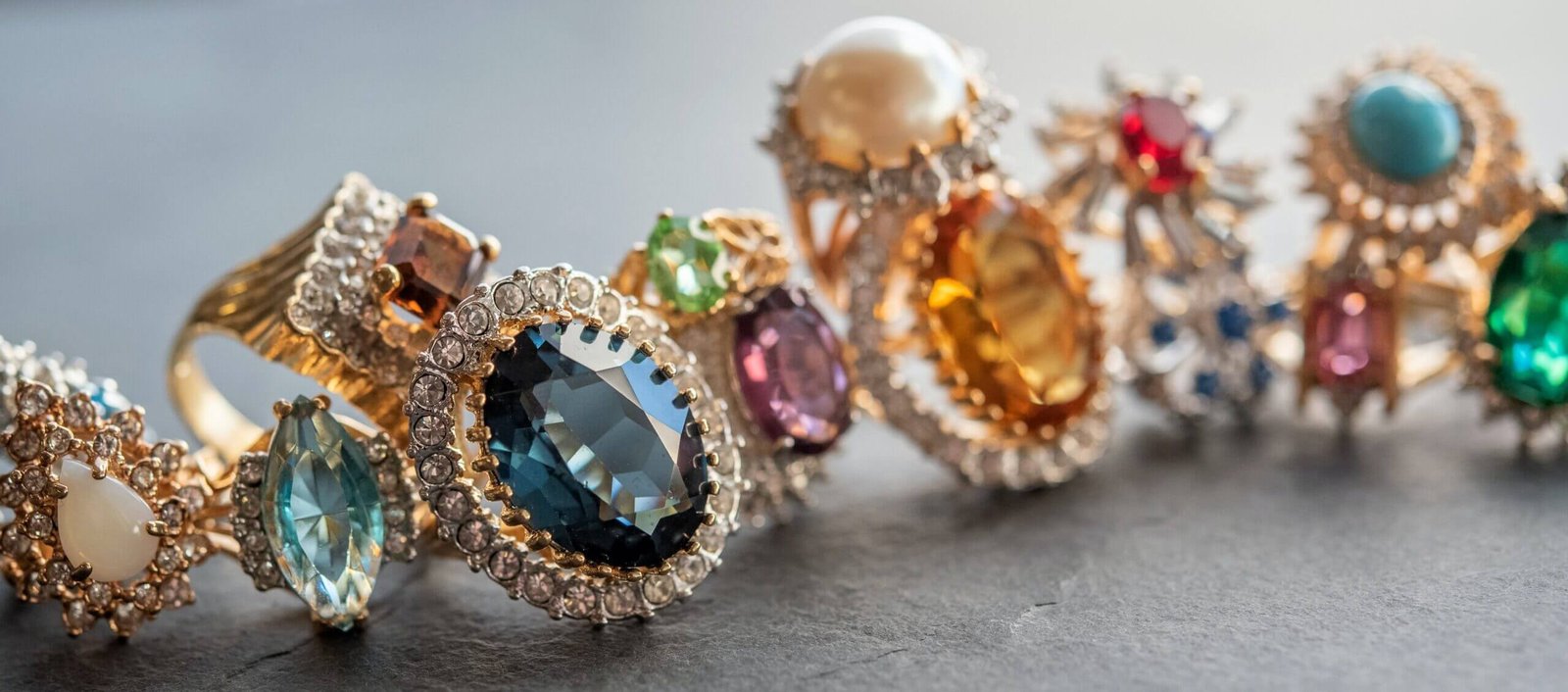
Have you ever found yourself holding a red stone and wondered whether it should be sparking on your finger or simply sitting in a velvet pouch like a guilty secret?


Is A Ruby Rarer Than A Diamond?
You probably want a clear answer: yes or no. The truth, of course, prefers nuance and an annoyingly long explanation that involves geology, marketing, auction houses, and human vanity. You’re about to get all of that, with a little humor to make the facts go down easier.
Short answer up front
You’ll like short answers, because they let you move on to shopping or bragging. Is a ruby rarer than a diamond? In strictly geological and gem-quality terms, fine-quality natural rubies — especially untreated, vivid “pigeon blood” rubies over a few carats — are rarer than the average gem-quality diamond. But the diamond category is huge and contains many rare subtypes (fancy colored diamonds) that can be rarer and far more valuable than most rubies. Rarity depends on the exact category you’re comparing.
What “rarer” actually means
You use the word “rare” like it’s a single thing, when it’s actually a cluster of arguments. Rarity could mean:
- How often does the mineral form in the earth?
- How often gem-quality material forms (clear, richly colored, few inclusions).
- How often do large sizes occur?
- How much of the material reaches the market untreated and desirable?
- How scarce the market supply is after mining, cutting, and treatment.
You need to pick which rarity you mean before deciding whether the ruby or the diamond wins.
How rubies and diamonds form
The story of a gemstone is a story of pressure, heat, and bad manners.
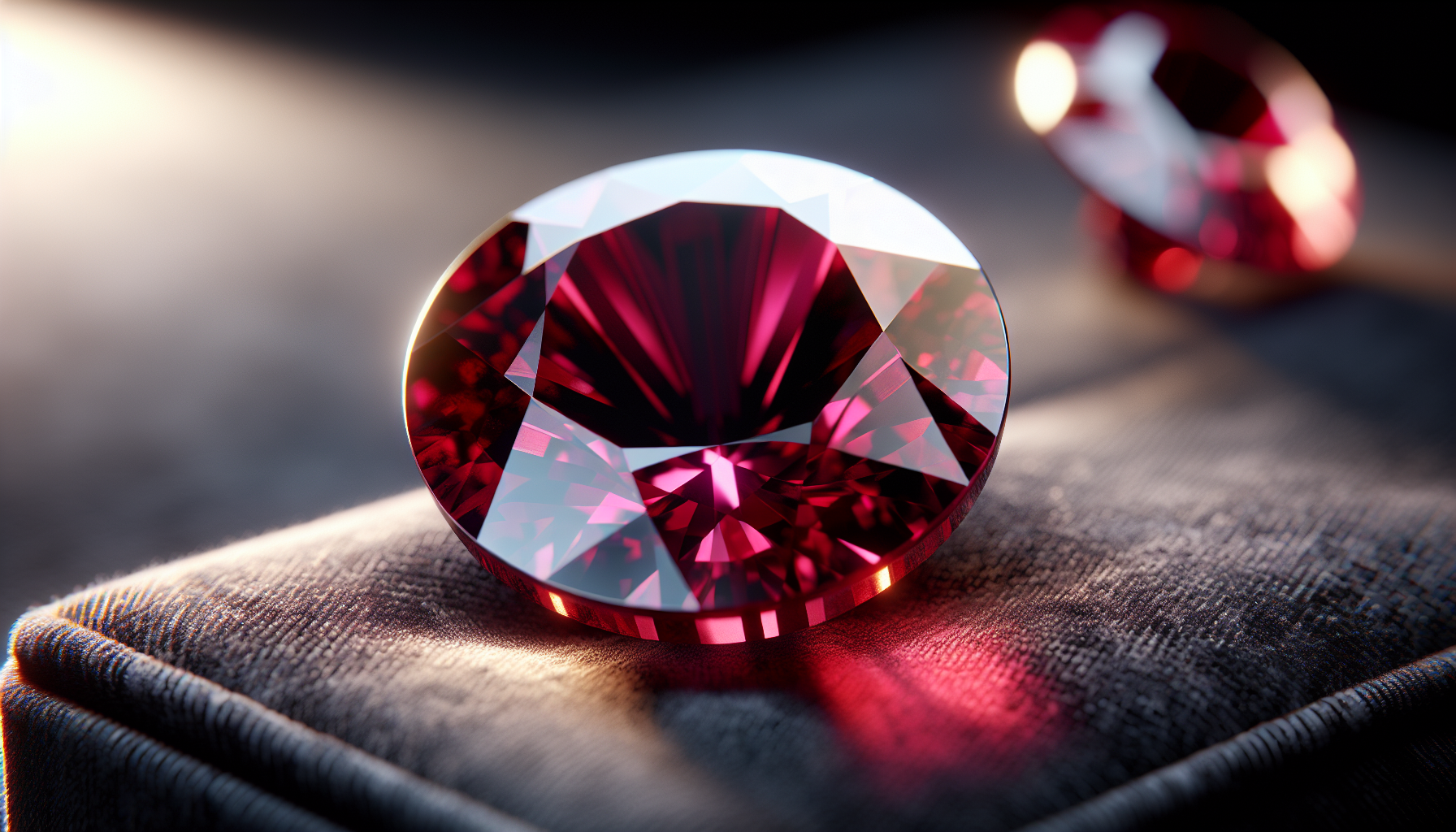
- Rubies are a variety of the mineral corundum (aluminum oxide). Their red color comes from trace amounts of chromium. They form in metamorphic rocks like marble or in some igneous rocks where the chemistry favors aluminum and excludes silica. The conditions that produce a vivid red, transparent crystal are relatively uncommon.
- Diamonds form deep in the Earth’s mantle under extreme pressure and temperature and are brought to the surface by violent eruptions in kimberlite or lamproite pipes. The process is geologically unique and spectacular, but it can and does happen in multiple places and often produces large volumes—most of which are not gem-quality.
In short, both are special, but the geological windows that produce top-tier rubies are narrower.
Where they’re mined — geography matters
A gem’s provenance matters to you because it affects rarity, treatment likelihood, and value. Here’s a simplified snapshot:
| Gem | Major historical & current sources |
|---|---|
| Ruby | Myanmar (Mogok, classic “pigeon blood”), Mozambique, Thailand, Sri Lanka, Afghanistan, Vietnam |
| Diamond | Russia (Yakutia), Botswana, Canada, South Africa, Australia (historically), Brazil |
You’ll hear people whisper “Burmese ruby” like it’s a family secret. That region produced some of the most intensely colored rubies and a reputation that inflates prices. Diamonds, meanwhile, are geographically widespread, which helps supply but doesn’t make every diamond common.
Gem quality versus industrial use
You might be surprised to learn that the majority of diamonds mined are not setting jewelry records; they get ground down by the industry.
- Diamonds: A substantial percentage of mined diamonds are industrial-grade—used for cutting, drilling, and polishing—because their clarity, color, or size isn’t attractive enough for jewelry.
- Rubies: Most rubies that come to market are destined for jewelry, because corundum with that vivid red color is already in the gem category. That skews your perception: rubies often appear rarer because fewer stones are filtered out for industrial use.
So when you compare “gem-quality stones that get set into rings,” rubies can be comparatively scarcer.

Types of rubies and why some are rarer
Not all rubies are equal. You’ll hear collectors and dealers speak of colors and localities like priests murmuring prayers.
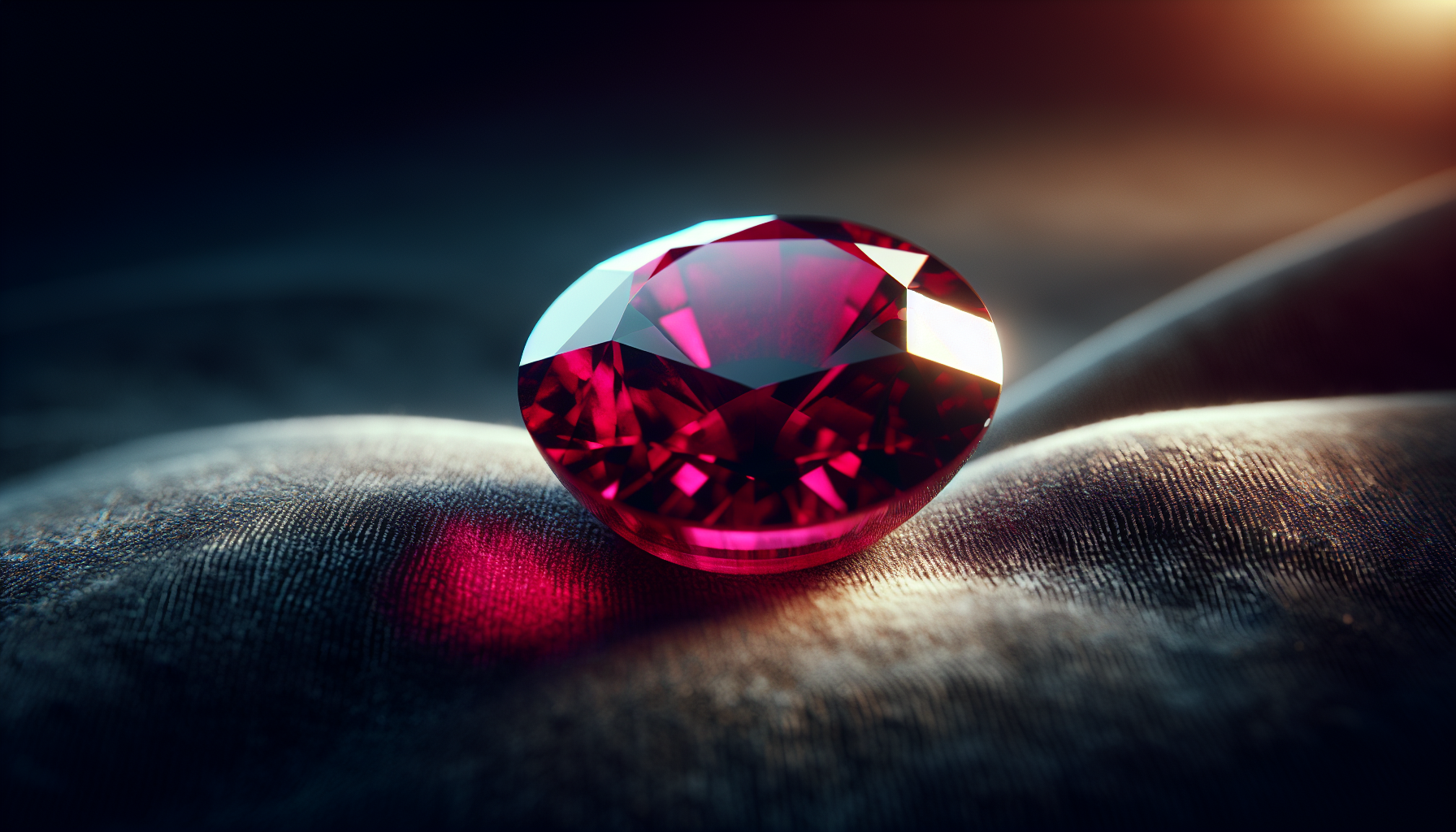
- Burmese (Mogok) rubies: Historically prized for their vivid, saturated red, sometimes called “pigeon blood.” Untreated Burmese rubies are especially rare and command prices accordingly.
- Mozambican rubies: Often found in the last decade and capable of strong color; more supply has come from Mozambique, which softened some price pressure, but fine stones remain limited.
- Heat-treated rubies: Very common. Heat treatment is widely accepted when properly disclosed and improves color/clarity greatly. Untreated rubies with top color are much rarer and more valuable.
- Synthetic rubies: Lab-grown corundum has been around since the early 1900s (Verneuil process) and has colored the market by providing affordable red stones and complicating “rarity” claims.
Large, vivid, untreated rubies over a few carats are rare in a way that makes auction houses say words like “exceptional” and unstitch their masks of reserve.
Types of diamonds and their rarity
Diamonds have a taxonomy that makes jewellers feel intellectual.
- Colorless (D–Z) diamonds: Most common gem diamonds are in this category. A large, high-clarity, D-color diamond is rare and expensive, but not uniformly rarer than top rubies.
- Fancy colored diamonds: Pink, blue, red, and green diamonds are often far rarer than standard colorless diamonds. For instance, intense fancy pink diamonds are extremely scarce and can fetch astronomical prices per carat.
- Industrial diamonds and synthetic diamonds: Like rubies, a big chunk of the diamond world is industrial or lab-grown. Lab-grown gem-quality diamonds are increasingly common and substantially cheaper than natural stones.
So when someone says “diamond,” you have to ask which species of diamond, a faint pink diamond is likely rarer than most rubies; a run-of-the-mill white diamond might not be.
How size influences rarity
You’ll notice a pattern if you like size: large gems are exponentially rarer than small ones.
- A 1-carat ruby of good color might be unusual, but a 5-carat untreated pigeon-blood ruby is exceedingly rare.
- Diamonds have more volume mined globally, so large, flawless diamonds exist more frequently than comparably large untreated top-color rubies—but the number of top-tier, large fancy colored diamonds is tiny.
Size amplifies rarity dramatically. If you want rarity, go big—but you’ll pay for the thermonuclear level of attention that follows.
Treatments, synthetics, and their effect on perceived rarity
You want to know whether something is “real” or “enhanced.” The industry has ways to tinker with a stone to make it look fabulous.
- Ruby treatments: Heat treatment is common and stabilizes color/clarity. Glass-filling, flux-filling, and lead-glass treatments fill fractures and make lower-quality rubies sparkle like the stage lights at an awards show. Treated rubies are more common and less valuable than their untreated counterparts.
- Diamond treatments: Less common for colorless diamonds. Surface coatings, HPHT (high-pressure, high-temperature) treatments, and irradiation can modify color, but disclosure is key. Lab-grown diamonds mimic natural diamonds physically and chemically, which complicates the rarity conversation.
Because treatment can dramatically increase the number of marketable rubies, untreated rubies are scarcer and more sought after.
Grading systems — how rarity becomes a number
You like rules. The market likes grades. Both rubies and diamonds are sorted by criteria that affect price and rarity.
- Diamonds: The “4 Cs” — color, clarity, cut, carat — provide a standardized, widely accepted grading framework (GIA and other labs). This makes comparing diamonds straightforward.
- Rubies: There’s no single universal grading system like the 4 Cs that controls pricing. For rubies, color is the most important factor, followed by clarity, cut, and carat weight. Labs like GIA, AGL, and SSEF offer reports, but nuance and provenance remain critical.
When you want rarity proven, you ask for a lab report. It’s your receipt that says, “Yes, this is scarce.”
A table to help you compare at a glance
| Factor | Ruby | Diamond |
|---|---|---|
| Mineral species | Corundum (Al2O3) | Carbon (C) |
| Typical gem-quality occurrence | Relatively uncommon; fine color rare | Common gem-quality occurrences globally, but high-grade stones vary |
| Large, untreated, vivid stones | Very rare | Large stones exist; fancy, colored large stones are extremely rare |
| Common treatments | Heat, glass-filling, flux | HPHT, irradiation, coatings; lab-grown alternatives |
| Hardness | 9 (very durable) | 10 (hardest natural mineral) |
| Industrial use | Minimal | Significant industrial demand |
| Market control history | Less centralized | Historically controlled by De Beers and others, the modern market diversified |
| Price sensitivity to color | Extremely high | High for fancy colors; moderate for colorless range |
This table gives you the framework you need when comparing two stones across the field, like two opponents in some haute couture boxing match.
Market dynamics and marketing mythology
If you enjoy modern capitalism with a side of mythology, you’ll appreciate how stories sell stones.
- Diamonds benefited massively from mid-20th-century marketing campaigns that turned engagement rings into rituals and “a diamond is forever” into a thesis. That shaped demand and, by extension, perceived rarity.
- Rubies have always been romanticized—royal regalia, ancient talismans—but they haven’t had a single global ad campaign convincing you that your worth increases with carat weight.
Market narratives influence price and perceived rarity almost as much as geology. You’ll see a stone on a red carpet, and suddenly its species becomes “rare” regardless of actual supply.
Famous rubies and diamonds — rarity in the courts of fame
You like stories because they make rarity seem human. Auction houses sell stories as much as stones.
- Famous rubies have attracted royal hands and record prices. When a rare, untreated ruby goes to auction, collectors treat it like a painting by someone with scandalous handwriting.
- Famous diamonds—think Hope, Cullinan, Koh-i-Noor—have histories thick with imperial hands and dramatic provenance. Large, historically significant diamonds are uniquely rare because of their size, color, and story.
A gemstone’s pedigree can make it rarer in the market’s eyes, even if similar geology exists elsewhere.
Price is not the same as rarity, though you’ll confuse them
You might equate price with rarity, and who can blame you? But price is a cocktail made of rarity, demand, fashion, marketing, and liquidity.
- Some rubies have fetched more per carat than many diamonds at auction. A top-quality ruby can outprice a comparable diamond because collectors prize saturated red the way an opera lover prizes a high C.
- Fancy color diamonds—pink, blue—often command higher per-carat prices than the best rubies because they’re rare and subject to intense collector demand.
If you’re buying a stone as a status symbol or an investment, remember you’re paying for more than rarity: you’re buying a set of social signals.
Practical advice if you’re shopping
You asked the question because you might be shopping or because you want to sound wise at cocktail parties. Here is what you should do.
- Ask for lab certification: GIA, AGL, SSEF reports are the gold standard. They tell you origin, treatments, and authenticity.
- Prioritize color for rubies: A vivid, pure red with a slight blue undertone typically commands the highest prices.
- Check for treatments: They should be clearly disclosed. Untreated rubies are rare and should have documentation.
- Compare apples to apples: Don’t compare a treated 2-carat ruby to an untreated 2-carat ruby.
- Consider lifestyle: Diamonds score a 10 on hardness; rubies are 9. Either is durable for jewelry, but know how you live and whether you’ll be banging the stone against countertops.
- Think about resale: Diamonds have a large, organized resale market; rubies can be more idiosyncratic. Provenance and documentation help either way.
- Trust your eyes and your jeweler: You’ll feel when a red is compelling. Find a reputable dealer who isn’t allergic to paperwork.
You’ll feel smarter carrying a report in your pocket, even if you continue to buy what makes your chest seize.
Care and durability — living with your gem
You want your stone to last. The good news: both are durable if you’re not trying to use them as a hammer.
- Diamond: Hardest natural mineral (10). Prone to cleavage along specific planes—don’t bounce it off things.
- Ruby: Corundum (9), extremely hard and resilient, and lacks diamond’s cleavage vulnerabilities. It’s easier to care for than most gemstones.
Regular cleaning, secure settings, and common-sense wear will keep your stones gleaming. Don’t sleep in the ring if you’re fussy, and don’t let your gem be used as a bottle opener, no matter how charming that seems in the moment.
Investment perspective — is either a better bet?
You want a stone that appreciates? So do a lot of people. Investment value behaves differently from jewelry value.
- Diamonds: Large, rare fancy-color diamonds have been good performers, but the broad market for typical diamonds can be illiquid for retail investors.
- Rubies: Exceptional rubies (untreated, large, vivid) have outperformed many stones at auction, but the market is smaller and less standardized. Provenance and certification matter more.
- Diversify: If you think of gems as part of an investment mix, treat them as collectibles. They’re not as liquid or standardized as stocks or bonds.
If the idea of putting money into a stone gives you a thrill, you’ll want to hold it in a secure safe and not in a Tiffany bag under your bed.
Common misconceptions you’ll hear in flashy social circles
You’ll hear lines that are half-romance and half-ignorance.
- “Diamonds are rarer than rubies” — Not always. Gem-quality, untreated rubies can be rarer than common white diamonds, but fancy colored diamonds are rarer than most rubies.
- “All rubies are Burmese” — No. Many come from Mozambique, Thailand, Sri Lanka, and other localities.
- “Lab-grown equals fake” — Lab-grown stones are chemically identical to nature’s product in many cases; they’re not “fake,” but they are distinct in market value.
A good dealer (or a very patient friend) will correct these misconceptions before you spend a small fortune on them.
How to think about rarity when you buy
You’ll want a rule of thumb for your purchase decisions. Here’s a simple one:
- If you want rarity as bragging rights and potential value growth, seek untreated, vivid rubies or fancy colored natural diamonds with lab reports.
- If you want beauty and affordability, heated rubies or high-quality, colorless diamonds (or lab-grown diamonds) will give you sparkle without bankruptcy.
- If you want both, prepare to pay handsomely.
You’ll find compromise everywhere; rarer and better usually come with a price tag that makes your heart do a very expensive kind of skip.
Final answer, with the nuance you requested
So, is a ruby rarer than a diamond? You’ll accept the short final: sometimes yes, sometimes no. Here’s the practical summary you can carry like a business card:
- Gem-quality, untreated rubies of exceptional color and size are rarer than most gem-quality diamonds and can command higher per-carat prices.
- Fancy colored diamonds (pink, blue, red) are often rarer than rubies and can be vastly more expensive.
- Most diamonds in the world are not gem-quality or are synthetic/treated; many rubies that reach the market are already gem-oriented.
- Rarity and value are influenced heavily by market dynamics, treatments, provenance, and storytelling.
You’ll leave this piece more skeptical of one-size-fits-all answers and better equipped to ask the right questions at the jeweler’s counter. And if you end up buying something red or clear, you’ll at least be able to tell the guests at your next dinner party why your ring is not just an accessory but a geological and social artifact. That, in the right lighting, will look priceless.