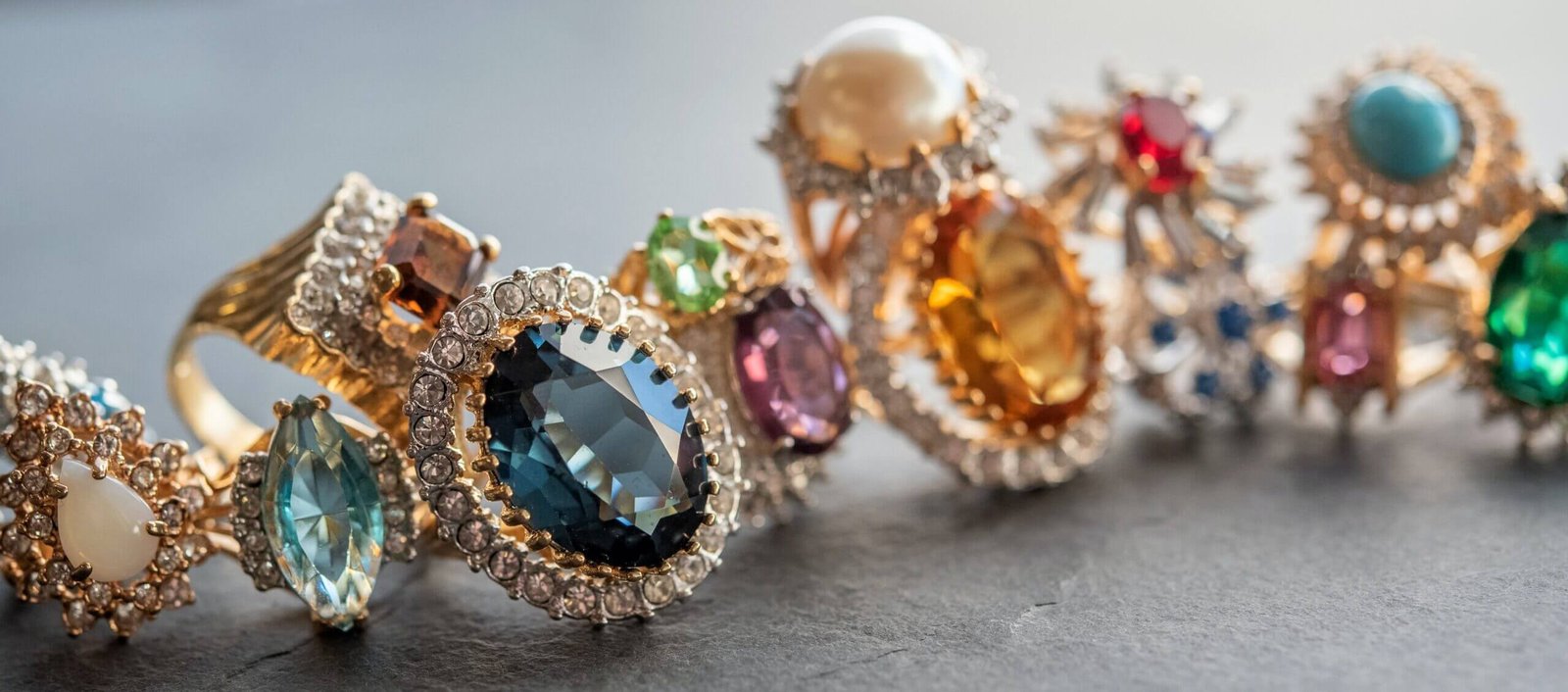
? Have you ever picked up a banded stone at a market stall or rummaged through a drawer of old jewelry and wondered whether that striped, glassy slice might actually be worth something?


Is Agate Worth Money?
You’re not alone if the thought has nagged at you while you sip coffee and scroll through mineral photos. Agate can be worth money, but whether yours will buy you a new pair of shoes or just make a nice Instagram post depends on a handful of specific factors. This article walks you through what agate is, why some pieces command high prices, how the market works, and practical tips for buying, selling, and caring for agate.
What Is Agate?
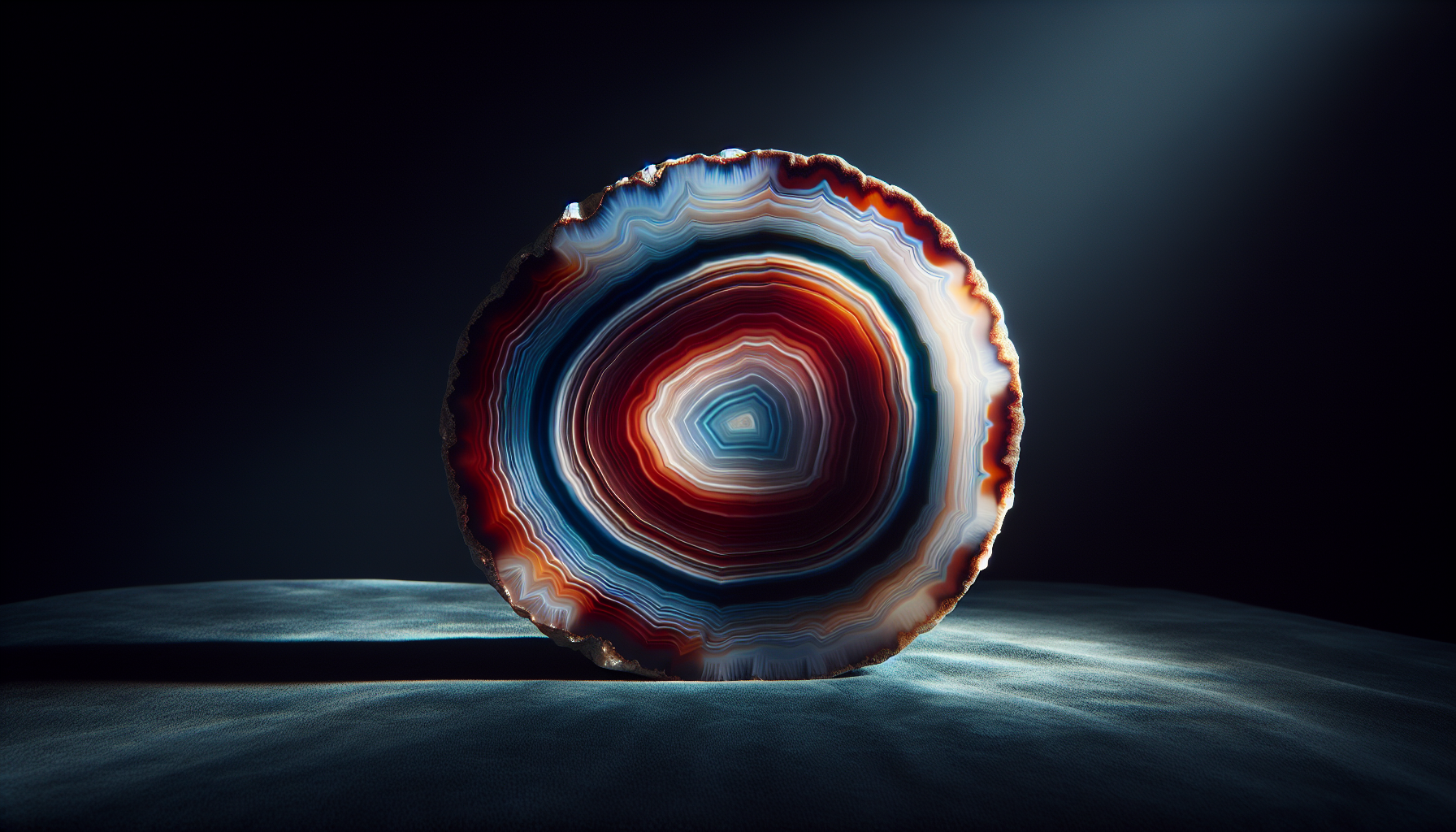
You’ll find agate described as a variety of chalcedony, which itself is a form of microcrystalline quartz. That means agate is mostly silicon dioxide, but its signature is in the pattern: thin banding, translucent layers, and occasional mossy or dendritic inclusions. The bands form when silica-rich fluids fill cavities in volcanic rock and precipitate in layers, sometimes over millions of years. In short: it’s geology showing off.
Why People Value Agate
You value agate for a few basic reasons: aesthetics, rarity of particular patterns or colors, size and condition, and cultural or historical significance. Some agates are striking enough that collectors will pay more for the pattern than for the material itself. Others are loved for their stability and affordability as wearable gems. If you’re deciding whether your stone could be money, these are the qualities you’ll need to consider.
Types of Agate and What Makes Each Special
There are many varieties of agate and the names often hint at where they come from or what they look like. Each type can carry different market expectations.
Moss Agate
Moss agate has tree- or fern-like inclusions that look like moss, but they are mineral inclusions (often iron or manganese oxides). You’ll find it prized for that natural, scenic appearance and used a lot in artisan jewelry.
Banded Agate (Fortification Agate)
Fortification agates show very fine concentric bands that can resemble fort walls—hence the name. Collectors prize complex, well-contrasted banding.
Blue Lace Agate
Delicate pastel banding in blue tones makes this a favorite for soft, feminine jewelry. High-quality, uniformly colored Blue Lace Aagate can be more valuable.
Botswana Agate
Known for fine, precise banding and muted color palettes, Botswana agate from southern Africa is a collector favorite. It often fetches higher prices in serious collections.
Laguna and Mexican Fire Agates
Laguna agates (from Mexico) and fire agates show iridescent colors and are sought after for their fire and color play. Exceptional specimens can be pricey.
Dendritic Agate
Dendritic varieties display branch-like or fernlike inclusions and are often cut into portraits or scenic slices. Their uniqueness fuels collector interest.
Ocean Agate, Crazy Lace, and Others
Ocean agate’s wavy, sea-like patterns and Crazy Lace agate’s swirling bands are prized for decorative use and jewelry. Names can be regional or commercial; provenance sometimes increases value.
What Determines Agate Value?
If you’re trying to place a number on agate, consider these main value drivers.
Color and Pattern
You’ll pay more for rare, striking colors and for patterns that are balanced, well-defined, and aesthetically pleasing. Symmetry, contrast between bands, and unusual motifs (like scenic landscapes) all help.
Translucency and Luster
Translucent agates that transmit light—especially in thin slices—are more desirable because the banding appears luminous. A good polish that brings out luster also raises value.
Size and Cut
Larger, intact pieces or sizable cabochons command premiums. A skilled cut that centers an attractive pattern (and avoids cracks) raises the price dramatically compared with a dull, uneven slice.
Rarity and Provenance
Some localities are famous for exceptional agate (Botswana, Laguna, Lake Superior, certain Brazilian sources). Provenance can increase demand and price, especially among collectors.
Treatment and Stabilization
Untreated, natural agate is usually more valued than dyed or reconstituted material. However, skillful dyeing or stabilization can create attractive stones that sell well in the commercial market. Disclosure is key: treatments lower value to collectors but may be acceptable in fashion jewelry.
Condition
Cracks, pits, or poor polish lower value. A flawless cabochon with centered patterning is much more marketable than a similar-sized piece with blemishes.

How Much Is Agate Worth? — Price Ranges
You want numbers. Here’s a practical guide in table form to give you a feel for the market, with broad price ranges you might expect for various item types and qualities.
| Item Type | Low Quality / Mass-Market | Mid-Range (Nice Pieces) | High-End (Collectors, Exceptional Specimens) |
|---|---|---|---|
| Small polished bead (per bead) | $0.25 – $2 | $2 – $20 | $20 – $200+ |
| Small cabochon (10–20 mm) | $1 – $10 | $10 – $80 | $80 – $1,000+ |
| Medium cabochon (20–40 mm) | $5 – $50 | $50 – $300 | $300 – $3,000+ |
| Slab slice (thin, decorative) | $2 – $20 | $20 – $150 | $150 – $2,000+ |
| Large display specimen (untreated) | $10 – $200 | $200 – $2,000 | $2,000 – $50,000+ |
| Rare, named locality or spectacular fire agate | $50 – $500 | $500 – $5,000 | $5,000 – $100,000+ |
These ranges are approximate and influenced by market fluctuations, the venue (online, museum auction, craft fair), and the expertise of the seller. You’ll notice that the highest prices are reserved for unique, museum-quality, or historically significant specimens.
How Agate Compares to Other Gemstones
It helps to understand agate in the context of the broader gem market.
| Feature | Agate | Quartz (amethyst, citrine) | Jasper | Opal |
|---|---|---|---|---|
| Mohs Hardness | 6.5–7 | 7 | 6.5–7 | 5–6.5 |
| Typical Price Range | Low to high (see table) | Low to high | Low to mid | Mid to very high |
| Rarity | Common, but rare patterns exist | Common, but rare colors can be valuable | Common | Some varieties are rare and expensive |
| Common Uses | Cabochons, beads, slices, decor | Faceted and cabochons | Decorative and beads | Jewelry and collectors |
| Market Drivers | Aesthetics, pattern uniqueness | Color saturation and clarity | Pattern and color | Play-of-color and clarity |
In plain terms: agate is generally more affordable than rare faceted gemstones, but exceptional agates with unusual banding or provenance can rival more expensive stones.
Can Agate Be a Good Investment?
You’ll find mixed answers. Most agate purchases are for enjoyment—jewelry, decoration, or casual collecting. As an investment, agate is a niche play:
- For the general collector or buyer, agate is not a growth investment like some blue-chip gemstones.
- For specialists who learn the market, source rare finds, and have patience, certain agates (historic pieces, museum-quality sights, or unique named finds) can appreciate.
- Provenance, museum exposure, or association with a famous find dramatically increases possible returns.
If you’re hoping to “invest” in agate, think like a collector: learn the names, the localities, and what makes a pattern exceptional. Treat the purchase as personal enjoyment first and speculative investment second.
How to Tell Real Agate from Fakes and Treatments
If you’re handling a potential sale or purchase, you’ll need practical tests.
Visual Inspection
You’ll first look for consistent banding and natural transitions. Artificial dye often leaves unnaturally vivid, uniform color or pools in fractures.
Magnification
Under a loupe, natural pattern edges should be diffuse and organic. Dye lines, bubbles (indicating glass or resin), or perfectly round inclusions suggest treatment or imitation.
Quick Tests (Table)
| Test | What You Do | What It Tells You |
|---|---|---|
| Acetone or alcohol rub | Rub a cotton swab with acetone on an inconspicuous spot | Dye may come off; real agate won’t discolor |
| UV light | Shine under short-wave UV | Some dyes fluoresce; natural agate typically doesn’t glow strongly |
| Hot needle / scent (not recommended on valuable pieces) | Gently press a heated needle near an edge (avoid on valuable items) | Resin/fake materials may soften or smell; agate inert |
| Touch and weight | Feel temperature and heft | Real agate feels cool and has mineral weight; plastic feels warm and light |
| Scratch / hardness test (avoid on finished jewelry) | Try to scratch glass with the stone or vice versa | Agate (7) can scratch glass; resin and plastic cannot |
Never perform destructive tests on pieces you might keep or sell for meaningful value. When in doubt, get a professional appraisal.
Common Imitations and Treatments
You’ll encounter dyed agate (especially bright colors), reconstituted agate (ground material reformed with binders), glass imitations, and silicone or resin-based “stones.” Treatments aren’t inherently bad, but they should be disclosed. Reconstituted agate is stable for jewelry but usually sells for less.
Where to Buy and Where to Sell Agate
You’ll have options, each with pros and cons.
Local Rock and Gem Shows
You’ll see a wide variety and haggle in person. Good for learning and comparing pieces. Beware of over-priced tourist stands.
Reputable Dealers and Lapidary Shops
You’ll get knowledgeable sellers and often documentation. Prices may be higher, but risk is lower.
Online Marketplaces
eBay, Etsy, forums, and specialized mineral auction sites offer reach. You must be vigilant about photos, return policies, and seller reputation.
Auctions and Museums
Great for high-end pieces. You’ll pay buyers’ premiums and must authenticate.
Selling Tips
If you’re selling, clear, high-resolution photos from multiple angles, a brief provenance, and honest disclosure of treatments will help. Consider multiple venues: collector forums for rare pieces, Etsy for artistic items, and local shows for general stock.
How to Care for Agate
You’ll want to keep agate beautiful for decades.
- Clean with mild soap and warm water; use a soft brush for grooves.
- Avoid harsh acids, strong alkalis, and prolonged exposure to chemical cleaners.
- Ultrasonic cleaners are usually safe for solid, untreated agate but avoid if the piece has fractures, glue, or delicate inclusions.
- Store separately to avoid scratches; keep wrapped in soft cloth or in individual boxes.
- Heat can change dyes and damage certain inclusions—don’t leave agate in a hot car or near heaters.
Cutting, Polishing, and the Lapidary Process
If you’re thinking about creating value through cutting, a skilled lapidary can dramatically improve a raw piece’s appeal.
- Sawing: A trim saw creates workable slabs or preforms.
- Grinding: Wheels shape the cabochon or slice.
- Sanding and Polishing: Finer grits and compounds bring out banding and luster.
- Centering: A successful cut centers the most attractive portion of the pattern.
- Stabilization and backings: Some thin slices are backed with epoxy or mounted in jewelry to strengthen them.
Good lapidary work increases value; poor cutting destroys potential.
Famous Agates and Historic Uses
You’ll find agate in ancient intaglios, cameos, and seals because it takes a fine polish and records carved detail well. Historically, people used agate for signets and amulets. Famous locality names carry weight: Botswana and Laguna are prized by collectors; Lake Superior agates are iconic in North American collecting culture. A rare Laguna or a spectacular fortification agate illustrated in a well-known book can carry a premium.
Ethical and Environmental Considerations
You’ll want to be mindful that mining—even small-scale—has environmental impacts. Ask sellers about legal and ethical sourcing. In some regions, unregulated collecting can harm habitats or violate land use rules. Reputable dealers will have documentation and will be transparent about origin when it affects value.
Quick Reference: What to Look for When Valuing a Piece
A short checklist to take with you to a market or to examine a piece at home:
- Pattern: Distinctive, balanced, and visually interesting?
- Color: Natural or obviously dyed? Subtlety often wins.
- Translucency: Can it transmit light nicely?
- Size: Does the size amplify the pattern?
- Condition: Any cracks, chips, or poor polish?
- Provenance: Known locality or dubious origin?
- Treatment: Disclosed? Undisclosed treatments reduce ethical value.
- Market comparisons: What do similar pieces sell for online or in catalogs?
Price Guide at a Glance
Here’s another simple table to help you estimate quickly when you’re at a stall or evaluating a collection.
| Item | Typical Market Value |
|---|---|
| Small drilled bead (mass-produced) | <$5< />d> |
| Polished cabochon (1–3 cm, decent) | $10–$150 |
| Well-polished slice (for display) | $20–$500 |
| High-quality cab for bespoke jewelry | $150–$3,000 |
| Museum-quality or unique specimen | $1,000–$100,000+ |
Frequently Asked Questions
You’ll likely have more questions. Here are some quick answers.
Is dyed agate worthless?
No. Dyed agate has a market and can be attractive in jewelry. It’s just worth less to collectors than an equivalent natural-colored piece.
Does size always mean more value?
Not always. A small, uniquely patterned Labradorite or Botswana agate can be more valuable than a large, dull slab. Pattern and quality matter more than size alone.
Can you wear agate every day?
Yes. With a Mohs hardness of roughly 7, it resists scratches well. Avoid extreme impacts and harsh chemicals.
Should you get an appraisal?
If you suspect a piece is rare or worth several hundred dollars or more, a professional appraisal is wise—especially if you plan to insure, sell at auction, or consign.
Final Thoughts: Is Your Agate Worth Money?
You’ll find that agate is a charming, often affordable gem that can occasionally spike into pricey territory when aesthetics, rarity, and provenance align. For most buyers and collectors, the money question is secondary to the pleasure of owning something beautiful and ancient. If you’re holding a stone with unusual banding, vivid natural color, excellent polish, or a known collectible locality, get a second opinion and consider having it appraised. You might be pleasantly surprised—and even luckier if your slice turns out to be one of those pieces that makes a dealer gasp in the best way.
If you’d like, you can describe the piece you’re curious about—size, photos, where you got it, any markings—and you’ll get practical feedback on likely value and next steps you can take.