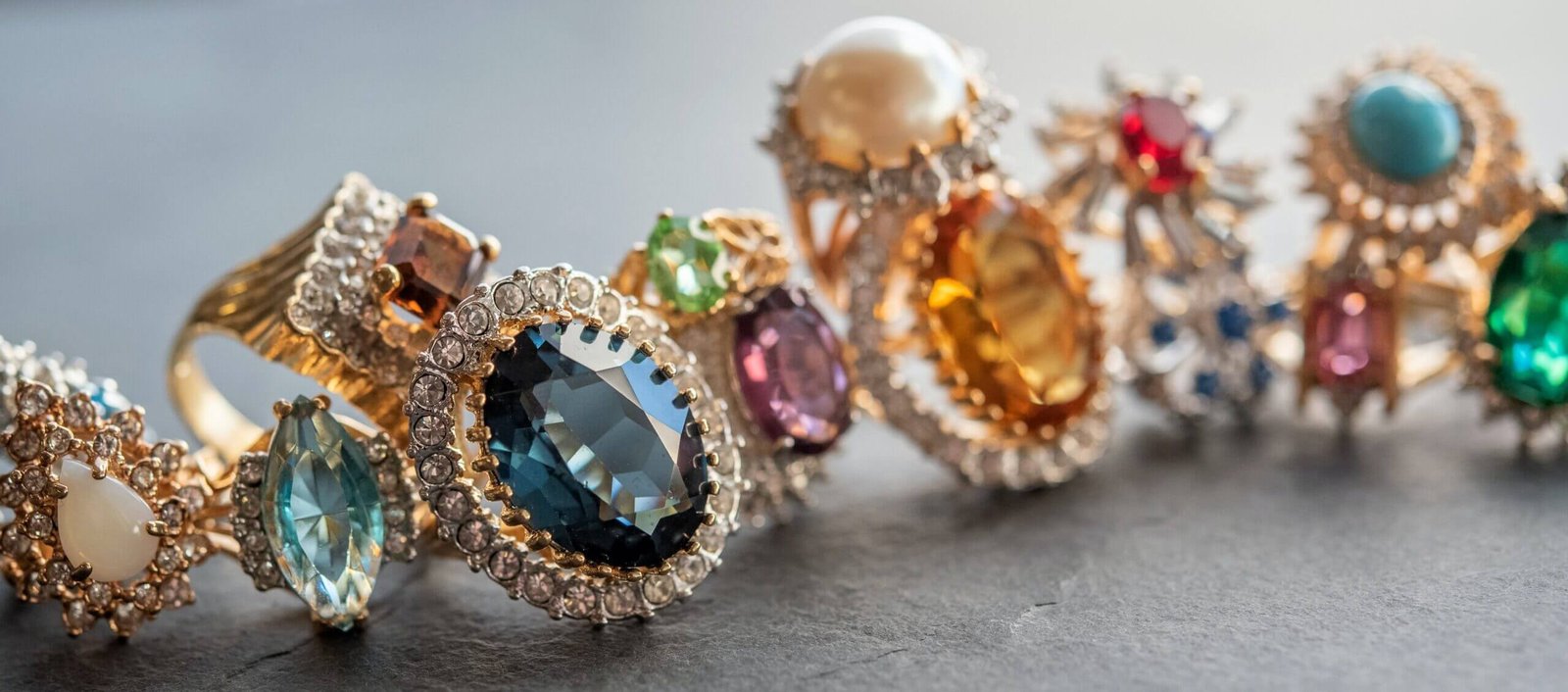
Do you ever find yourself wondering if that lovely agate sitting on your shelf is more than just a pretty stone? It’s certainly captivating, with its swirling patterns and vibrant hues. But the big question remains—could it also be worth some money? Agate has been admired for centuries, appreciated for its beauty and the fascination of the natural world encapsulated in a single stone. Let’s delve into the world of agates and uncover whether they hold any monetary value.


What is Agate?
Before gauging its worth, it’s essential to understand what agate actually is. Agate is a variety of chalcedony, a mineral of the quartz family, known for its fine grain and bright colors. This semiprecious gemstone forms over thousands of years, typically in the cavities of volcanic rocks. The characteristic patterns and layers are created as mineral-rich water passes through the rock cavities, depositing layers over time.
Properties of Agate
Agate is not just stone; it’s a timeline of geological history. This history is etched in every band and layer, making each piece unique. Agate is relatively hard, scoring a 7 on the Mohs scale, which measures the hardness of minerals. This durability, coupled with its beauty, makes it a favored choice for jewelry and decorative objects.
Formation of Agates
Have you ever pondered how nature crafts such intricate designs and colors? The formation of agates is a slow, artistic process. It begins with silica-rich waters seeping into rock cavities. Over time, as the water evaporates, it leaves behind layers of minerals, creating distinctive concentric patterns. The variety of colors in agates comes from trace elements found in these waters, like iron, which can give red and yellow hues, or chromium for green tones.
Historical Significance of Agate
Agate isn’t just a modern fascination. Throughout history, it has been cherished for both its aesthetic and purported mystical properties. In ancient times, societies believed agate could protect them from natural disasters or dangerous situations. People carried agate amulets and pendants, hopeful of its protective qualities and ability to bring strength and enhance focus.
Agate in Ancient Cultures
Did you know that the Egyptians, Greeks, and Romans held agate in high esteem? The Egyptians wore it as protection against thunderstorms and as a powerful talisman. In contrast, the Romans used agate to make seal stones for carving their official seals. Similarly, Byzantine jewelers embedded agates in their artworks, contributing to this stone’s rich cultural legacy.

The Aesthetic Appeal of Agate
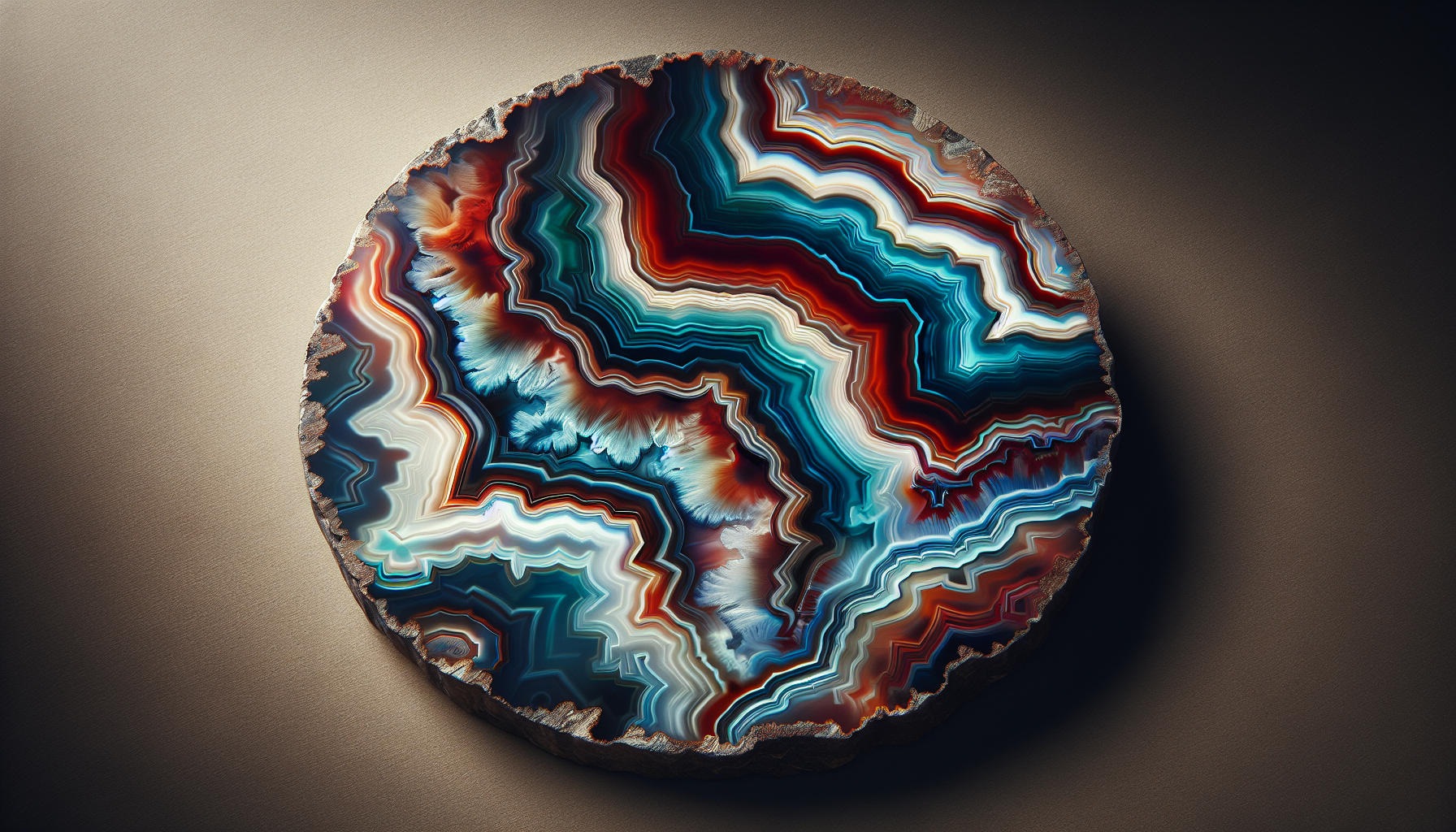
Agate is beloved for its natural beauty. No two agates are identical, and this uniqueness elevates their appeal. The stone’s vibrant colors and complex patterns make it a favorite medium for artisans and jewelers.
Types of Agate
Agate comes in several varieties, each distinct in appearance. Some popular types include:
- Moss Agate: Named for its resemblance to dark green moss or trees.
- Fire Agate: Displays a fiery iridescence due to its layer formations.
- Blue Lace Agate: Known for its delicate blues and lace-like patterns.
- Botswana Agate: Recognizable by its swirling bands and earthy colors.
These variations depend on the location where they are mined and the specific environmental conditions during their formation.
Evaluating the Value of Agate
So, is your agate worth money? The worth of an agate depends on several factors, including rarity, size, color, and overall quality. Let’s break it down a bit further.
Factors Influencing Agate Value
Understanding what makes some agates more valuable than others can help you assess your collection.
- Color Intensity: Brighter and more striking colors are typically more prized.
- Pattern Complexity: Unique and intricate patterns enhance an agate’s allure.
- Clarity: Stones with fewer impurities or flaws fetch higher prices.
- Size: Larger specimens are generally more valuable.
- Rarity: Uncommon varieties or those from specific locations may be worth more.
Distinction Between Raw and Polished Agate
Is a raw or polished agate more valuable? That depends. While raw agates may allow collectors to appreciate the natural artistry of the stone, polished agates are often more marketable. Their smooth surface and enhanced colors can increase their appeal, especially in jewelry.
The Market for Agate
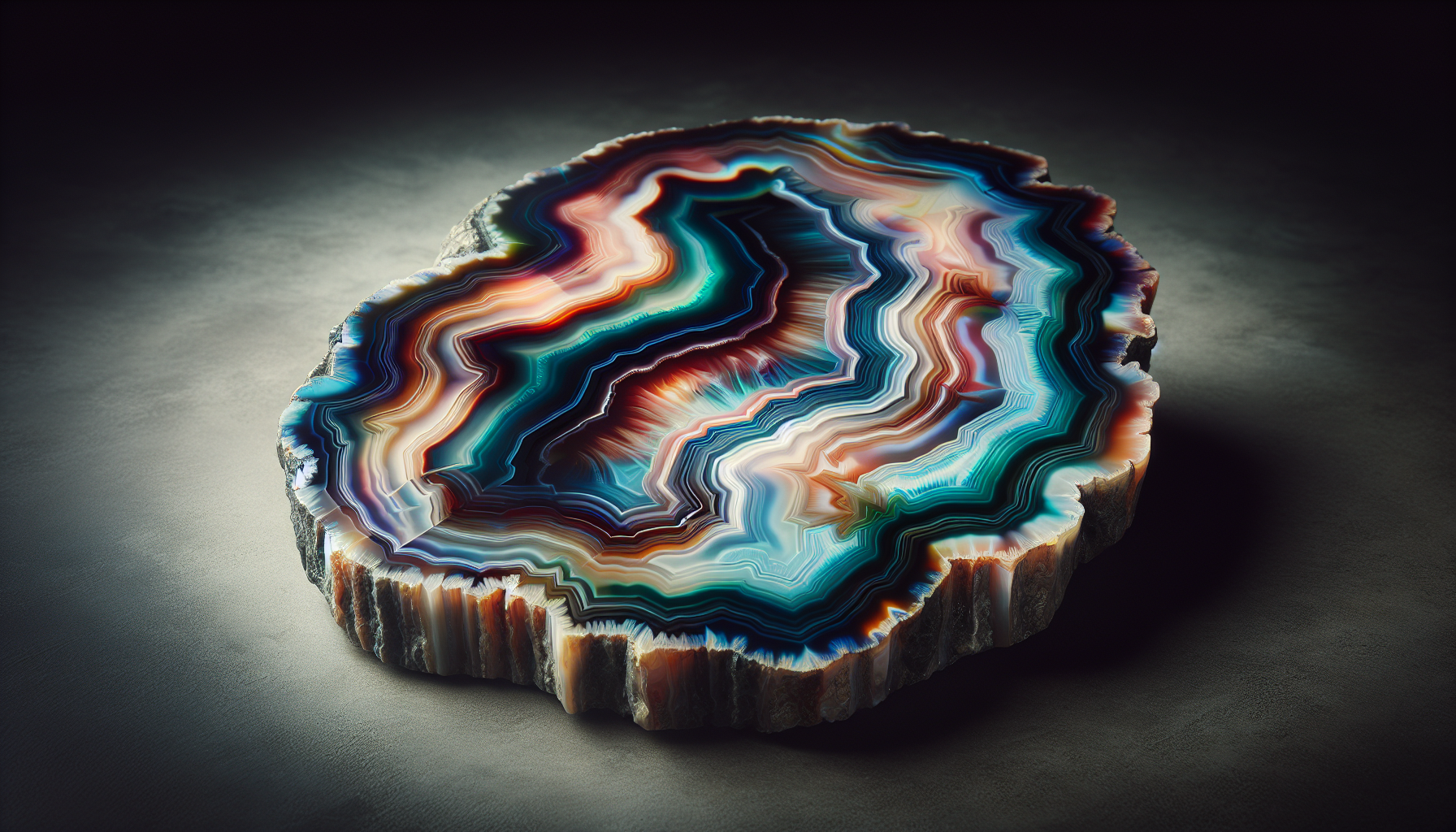
The market for agate encompasses both fine jewelry and collectors’ pieces. Though not as expensive as some other gemstones, agates enjoy a diverse range of applications, maintaining a steady interest.
Agate in Jewelry
Agate’s durability and varying colors have made it a popular choice for jewelry. From rings and necklaces to bracelets and earrings, jewelry artists prize agate for its versatility and natural beauty. This consistent demand helps sustain its value.
Collectible Agates
For many, the allure of agate lies in the collecting. Some collectors seek specific patterns, colors, or types, building expansive collections. The rarity of certain agates can drive up prices among enthusiasts who relish the thrill of finding a unique specimen.
Appraising Agate
It is wise to have your agate examined by a professional, especially if you suspect it’s of significant value. A professional appraisal can provide a detailed evaluation based on the factors discussed earlier. However, whether for personal satisfaction or as a potential investment, understanding the intrinsic and market value of your agate is beneficial.
Factors to Consider During Appraisal
When seeking an appraisal, prepare to discuss your stone’s provenance, its physical attributes, and any unique characteristics that might contribute to its value. An expert can assess the stone’s quality and identify if it is a valuable collectible or more suitable for decorative purposes.
Caring for Your Agate
Agate may be hardy, but proper care ensures it endures beautifully over the years.
Cleaning and Maintenance Tips
For cleaning, use a mild detergent and warm water, avoiding harsh chemicals that could damage the stone. Gently scrub with a soft brush to remove grime. And always store agate jewelry in a soft pouch or separate compartment to prevent scratches.
Storing Agate
Agates should be kept away from extreme temperatures or direct sunlight to avoid fading. By providing gentle care, you’ll maintain the agate’s natural beauty and integrity.
Agate: Mystical and Metaphysical Properties
For many, agate’s appeal extends beyond the tangible. Agate is often associated with spiritual and metaphysical properties. Known as a stone of balance and grounding, it is said to harmonize the mind, body, and spirit.
Healing Properties
Adherents of crystal healing maintain that agate can enhance mental function and improve concentration and perception. It’s suggested to balance emotions and impart a calming influence, making it a favored stone for meditation.
Emotional and Spiritual Significance
Agate is said to promote inner stability, composure, and maturity. Its warm, protective qualities encourage security and self-confidence, which may be why many choose to keep agate close as personal amulets.
Conclusion: Is Agate Worth Money?
Ultimately, like many things of beauty and character, the worth of agate can be both monetary and sentimental. Financially, certain agates can indeed command higher prices, especially rarer and uniquely patterned specimens. However, the real value often lies in personal connection, historical richness, and the sheer joy of appreciating these masterpieces crafted by nature.
Each agate, with its distinct style and story, offers something different—a precious opportunity to own a slice of natural art. Whether a collector, enthusiast, or simply intrigued by these wondrous stones, understanding agate’s true worth offers not only insight but also a greater appreciation for what this captivating gem can offer.