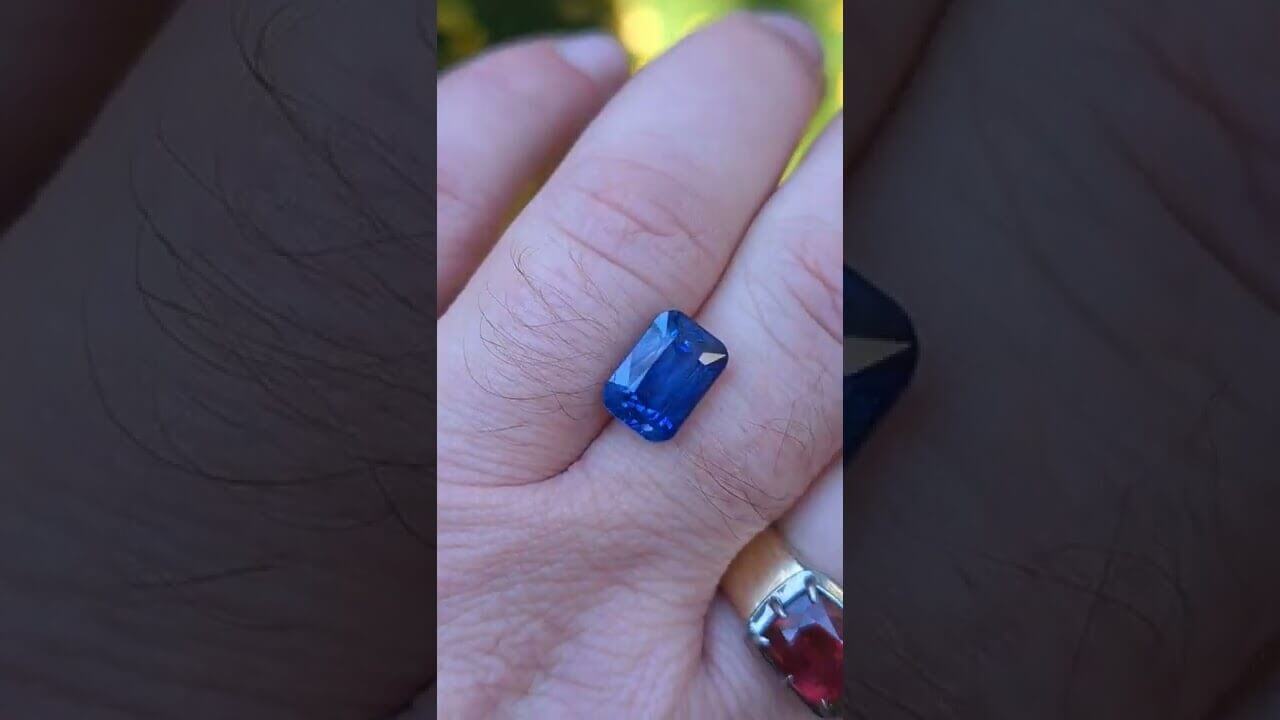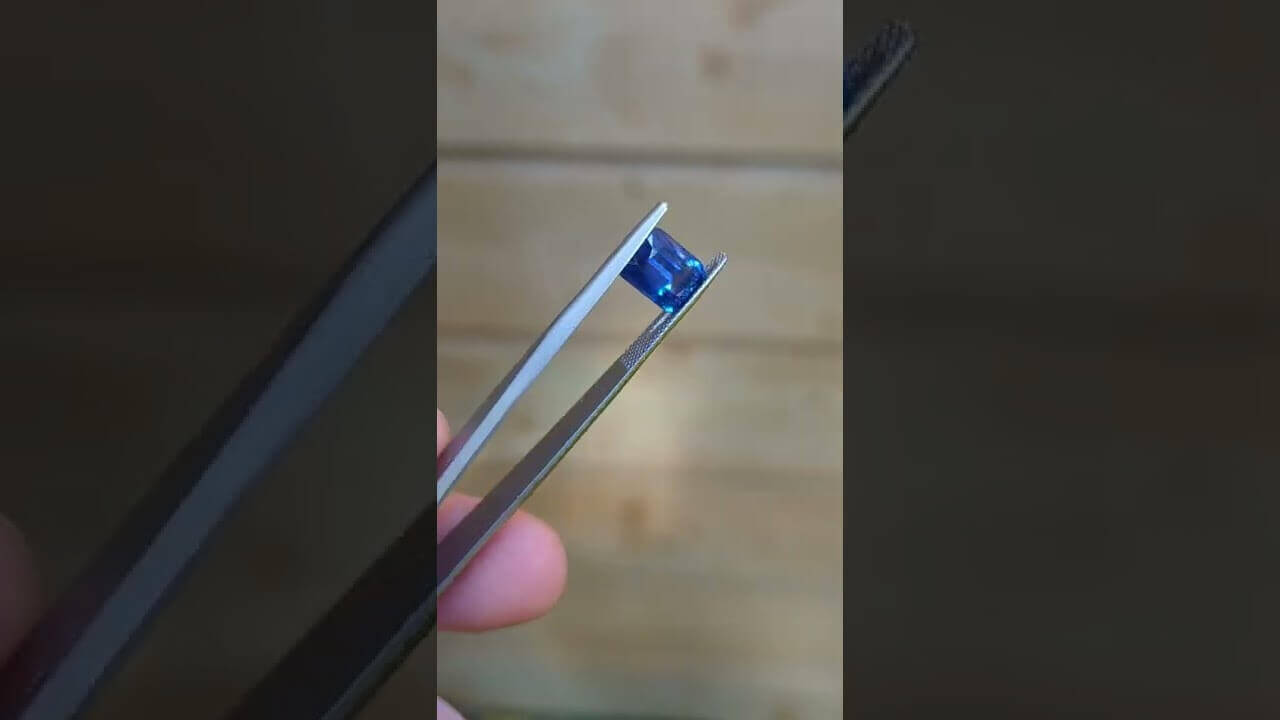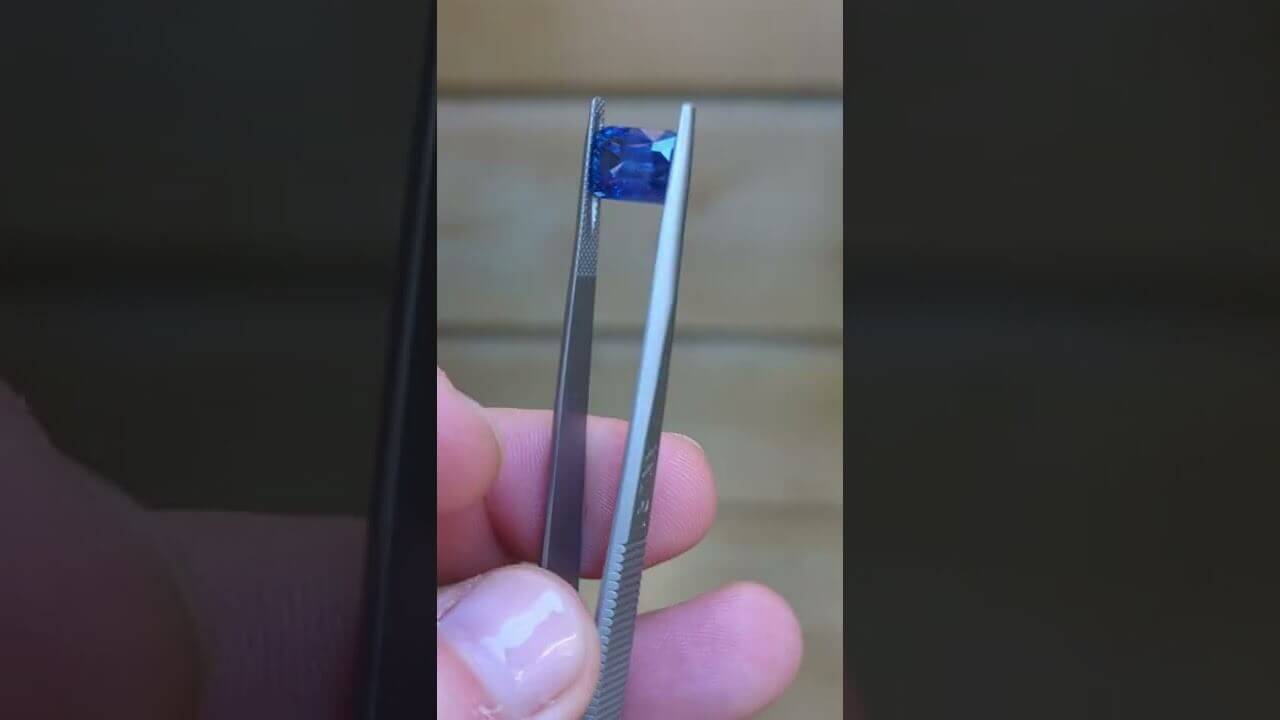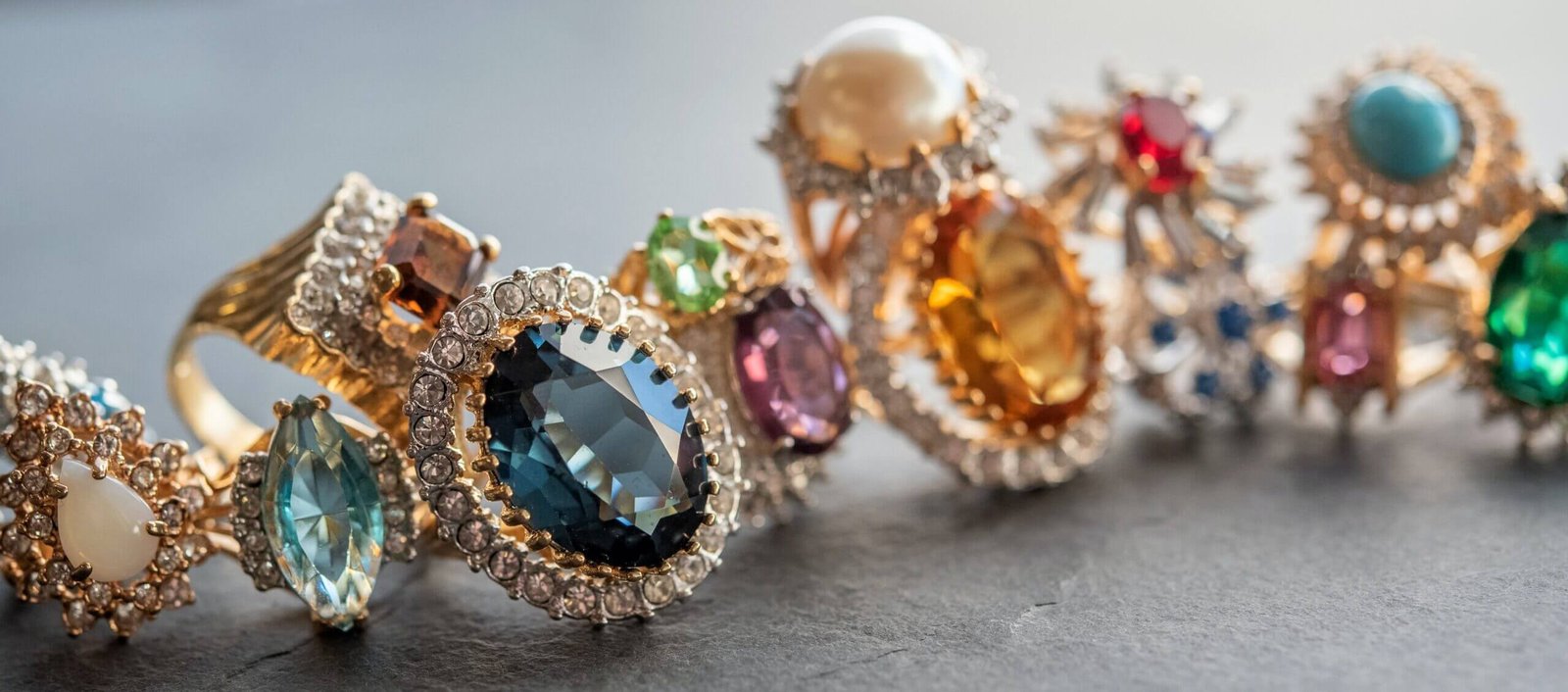
Have you ever held a cool blue stone in your hand and wondered whether it belongs in the same exalted club as diamonds and emeralds?
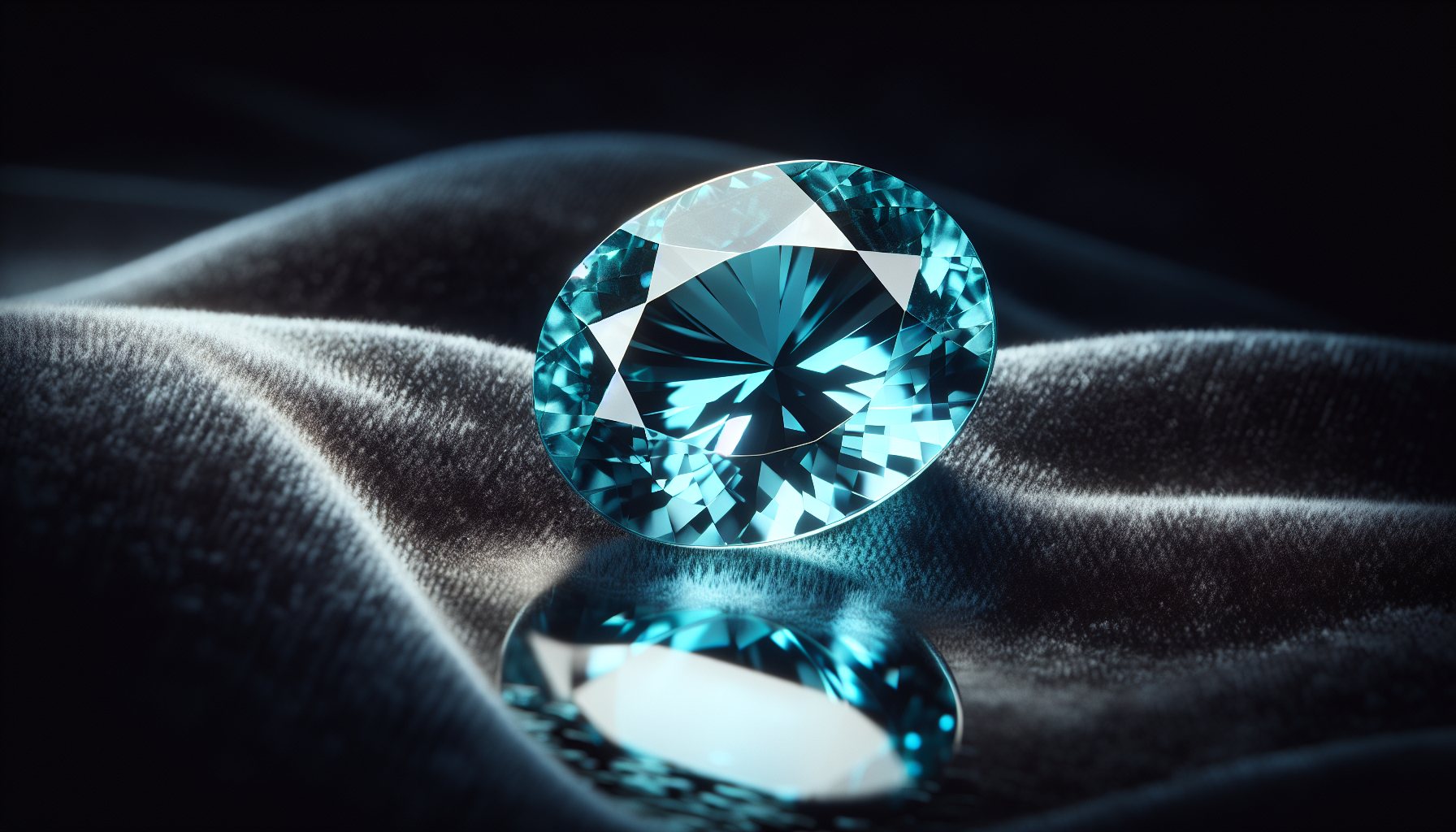

Is Aquamarine A Precious Gem?
If you’re looking for a short answer you can whisper into a jewelry shop’s ear, here it is: aquamarine is usually classified as a semi-precious gemstone. That feels disappointingly tidy for something that manages to look like the Pacific in miniature, but the truth is a bit messier — and more interesting — once you start looking at history, market behavior, and the science that makes the color.
A quick orientation: what you’re actually holding
When you pick up an aquamarine you’re holding a member of the beryl family, the same mineral family that includes emerald. That kinship explains why aquamarine can sometimes look like a pale cousin to emerald, and why they behave similarly under the jeweler’s loupe. But while emeralds owe their green to chromium (or vanadium), aquamarines owe their icy blue to iron — and that difference changes everything about value, rarity, and the way the market treats the stones.
Gemology basics
You deserve to know the technical stuff without feeling like you’re reading a mineralogy textbook written by someone who never learned to be charming.
Chemical composition and crystal system
- Aquamarine is beryl, with the chemical formula Be3Al2Si6O18.
- It crystallizes in the hexagonal system, typically forming long, prismatic crystals.
- Because it’s beryl, it shares a family resemblance to emerald and morganite — each sibling with distinct coloring elements.
Color origin
Aquamarine’s blue comes from traces of iron. Different oxidation states of iron produce different tones:
- Fe2+ produces blue hues.
- Fe3+ tends to introduce yellowish or greenish tones; heating can reduce these and intensify blue.
If you’ve ever been disappointed by a “blue” stone that looks suspiciously seaweed-tinged, that’s the Fe3+ showing off.
Physical properties
- Hardness: 7.5–8 on the Mohs scale — tough enough for everyday wear with reasonable care.
- Refractive index (RI): approximately 1.577–1.583 — contributes to its brilliance when well cut.
- Specific gravity: about 2.68–2.74.
- Cleavage: indistinct to poor — you can wear it without constant heart attacks, but it can chip if treated roughly.
- Pleochroism: usually weak to moderate (you might notice slightly different blues when you tilt the stone).
Table: Key Physical Properties of Aquamarine
| Property | Typical Range / Note |
|---|---|
| Chemical formula | Be3Al2Si6O18 |
| Crystal system | Hexagonal |
| Hardness (Mohs) | 7.5 – 8 |
| Refractive index (RI) | 1.577 – 1.583 |
| Specific gravity | 2.68 – 2.74 |
| Cleavage | Indistinct / poor |
| Color cause | Iron (Fe2+, Fe3+) |
| Typical clarity | Often eye-clean |
Historical and cultural significance
You’ll appreciate that aquamarine has always had a romantic résumé. Ancient Romans associated it with the sea and sailors, believing it protected against stormy seas. By the Middle Ages, it was a stone of calming, a kind of lapidary Xanax. If you enjoy that sort of thing — talismans, folklore, the human tendency to bestow agency on shiny rocks — aquamarine performs very well.
Later, in Victorian jewelry, aquamarine was popular for its pale, ladylike blues. In the 20th century, richer blues from Brazilian mines made it fashionable for bold cocktail rings. You can picture your great-aunt squeezing it into her hand while lecturing you about proper table manners — or, if you’re me, you can imagine giving the stone the stern look usually reserved for microwaves that beep too often.
Classification: precious vs semi-precious — what does that even mean?
This is where you should sit down if you’re prone to strong opinions, because the “precious vs semi-precious” distinction is part historical, part marketing, and part bureaucratic shorthand.
Historical perspective
Traditionally, gem trade lore labeled diamonds, rubies, sapphires, and emeralds as “precious.” Everything else — from amethyst to turquoise to aquamarine — was shoved into “semi-precious.” This system is old, partly arbitrary, and inadequate for the modern market.
Market reality
Today, jewelers and gemologists often avoid rigidly using those two terms, because they erase nuance. In practical terms, aquamarine is generally treated like a semi-precious stone — but some aquamarines, especially large, intensely saturated blue stones with superb clarity, sell for prices that rival or exceed many labeled “precious” stones.
Table: Traditional Classification vs Modern Nuance
| Category | Traditional Examples | Modern perspective |
|---|---|---|
| Precious | Diamond, Ruby, Sapphire, Emerald | Still prestigious, but the list is partly historical |
| Semi-precious | Aquamarine, Amethyst, Topaz, Opal | Many can be high-value depending on quality; aquamarine sometimes reaches top-tier prices |
So you can say aquamarine is “semi-precious” and be correct in a historical/trade sense, but you’ll want to avoid saying it’s unimportant — particularly when you encounter a Santa Maria or a gem-quality stone that makes you want to sell a kidney.


What determines aquamarine’s value?
If you’re thinking of buying, selling, or just wanting to sound like you have thoughtful opinions at parties, here’s what matters.
Color
Color is king. The best aquamarines are a deep, saturated blue, often described as “ocean blue” or “Santa Maria blue” (after a mine in Brazil producing notably vivid specimens). Pale, washed-out blues are common but command much lower prices. If you’re offered a stone that looks like diluted lemonade with a blue tinge, the price should reflect that.
Clarity
Aquamarines are often eye-clean, meaning you don’t see inclusions without magnification. Stones with visible fractures or inclusions are less desirable. Because of their typical clarity, even medium-quality aquamarines can look impressive.
Cut
A well-cut aquamarine maximizes color and brilliance. Step cuts (emerald cuts) are common because they can show off the stone’s clarity and color evenly, but brilliant cuts or customized cuts for large pieces can be stunning.
Carat weight
Aquamarine grows large. You should expect to see three-carat stones with ease and twenty-carat stones in well-stocked collections. Larger sizes with intense color escalate in value quickly, because it’s hard to find big stones with both size and rich color.
Origin and provenance
Some sources have a cachet — Santa Maria (Brazil) or certain Pakistani pockets — which can increase value if the origin is documented. Provenance, such as being part of a famous collection, also adds to allure.
Table: Relative Impact on Value
| Factor | Impact (Low/Medium/High) |
|---|---|
| Color saturation | High |
| Clarity (eye-clean) | High |
| Cut quality | Medium–High |
| Carat size | Medium–High |
| Origin/provenance | Medium |
| Treatments disclosed | Medium |
Treatments and enhancements: what you should know
You want your purchase to be honest. Most aquamarines on the market have been treated, and that’s not necessarily a scandal — it’s a standard technique to improve appearance.
- Heat treatment: This is the most common. Heating reduces greenish-yellow tones (from Fe3+) and enhances the blue. It’s widely accepted and should be disclosed by reputable sellers. Heat treatment is stable and permanent.
- Irradiation: Rare for aquamarine; more commonly used for other blue gems.
- Dyeing or filling: Very uncommon for aquamarine; if present, it’s a red flag.
Disclosure matters. If a jeweler claims a “natural, untreated” vivid blue aquamarine for much less than market expectation, you should squint at them like you would at someone who suggests you eat a casserole that’s been sitting out for three days.
Detecting treatments and synthetics
If you value certainty, insist on gem lab reports from reputable labs (GIA, AGS, AGL, etc.). They identify heat treatment, enhancements, and whether a stone is natural, synthetic, or imitation. The worst conversational faux pas is buying a “natural gem” at full price and later learning it was glass.
Synthetic aquamarine and imitations
- Synthetic beryl (hydrothermal) can be produced in labs. These are real beryl crystals grown by scientists; they’re chemically and optically similar but are created rather than mined. They’re rarer in the market than synthetic emeralds or sapphires, but they exist.
- Imitations include blue glass, blue synthetic spinel, and lower-cost blue topaz or zircon passed off dishonestly. Simple tests (specific gravity, refractive index, and magnification for growth features) can reveal fakes.
If you treasure audits and lab reports, you will sleep better.
Aquamarine versus its blue cousins
When you’re comparing aquamarine with other blue gems you’ll notice differences that matter for aesthetics, wear, and budget. Here are a few direct comparisons.
Table: Aquamarine Compared with Similar Blue Gems
| Gem | Hardness (Mohs) | Typical Color | Typical Price Tier | Notes |
|---|---|---|---|---|
| Aquamarine | 7.5–8 | Blue to blue-green | Mid-range; high for vivid stones | Often eye-clean and large |
| Blue Topaz | 8 | Sky blue to Swiss/ London blue | Lower to mid-range | Often irradiated/heat-treated |
| Blue Sapphire | 9 | Deep violet-blue to cornflower blue | High to very high | Very durable; rich market demand |
| Blue Zircon | 6–7.5 | Bright, vivid blue | Low to mid-range | High dispersion (sparkle) but softer |
| Emerald (green beryl) | 7.5–8 | Green; can be included | High | Traditionally one of the “precious” four |
You’ll notice that sapphires and emeralds are often more expensive because of rarity, market perception, and historical prestige. Aquamarine’s advantage is often sheer size and that oceanic hue for less money.
Major sources and what they mean for you
Knowing the locality can be fun and sometimes meaningful. Some origins are associated with certain colors or qualities.
- Brazil: The most important source historically. Brazilian aquamarines range from pale blue to richly saturated Santa Maria blue. Minas Gerais is famous.
- Pakistan (Skardu, Gilgit areas): Produces intense blues and often gemmy crystals. Stones from these areas can be very appealing.
- Madagascar: Increasingly important source, varied colors.
- Nigeria, Mozambique, Zambia: Newer commercial sources, sometimes producing darker blues.
- Russia (Ural Mountains): Historic but limited production today.
When a seller mentions Santa Maria, you might respond like someone who knows their wines: nod appreciatively and accept that some names carry weight beyond the physical object.
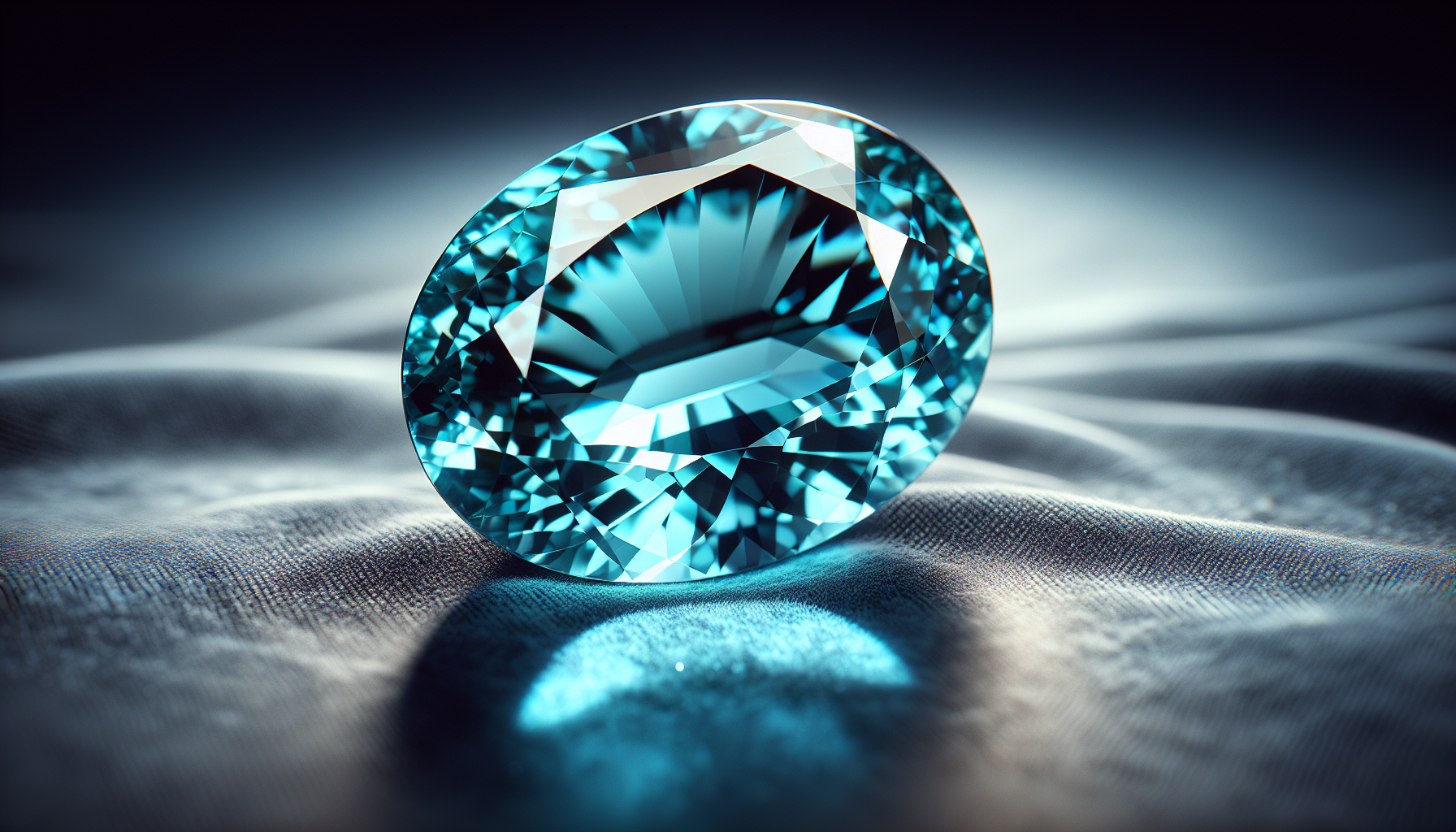
Caring for your aquamarine
You want your aquamarine to remain as diplomatic and unwrinkled as you do after a long family dinner.
- Cleaning: Use warm soapy water and a soft brush. Ultrasonic cleaners are generally safe for untreated stones, but avoid them if the stone has fractures or has been filled. Always check with a reputable jeweler.
- Storage: Store separately to avoid scratches from harder gems. Fabric pouches or separate compartments are ideal.
- Avoid: Harsh chemicals and extreme heat. If you leave the stone on a car dashboard in August while you drive to confront someone about a household matter, you have only yourself to blame.
Buying advice: what you should ask and expect
Whether you’re buying an aquamarine engagement ring or a pendant to make an outfit sing, keep a simple checklist in mind:
- Ask for certification if the stone is large, costly, or if color/treatment matters.
- Check for disclosure of heat treatment (most reputable sellers will disclose).
- Inspect for color saturation and clarity in various lights — outdoors, under LED, and under incandescent if possible.
- Consider the setting: aquamarine looks lovely in white gold, platinum, and even in warm rose gold for a contrast effect. For everyday wear, choose protective settings (bezel, halo) over exposed prongs.
- Set a budget with expectations: pale aquamarines are affordable; vivid, large stones can be expensive.
If you find an aquamarine that makes you want to call your mother and tell her you’ve finally done something responsible with your money, that’s usually a sign of a good buy.
Market trends and investment potential
You’re not likely to become a millionaire by hoarding aquamarines in a sock drawer. That said, exceptional aquamarines — intense color, large clean stones — can appreciate and make for satisfying investments. The overall gemstone market fluctuates with fashion and global wealth, so treat big purchases as both personal enjoyment and potential long-term assets. Auction records show that the most exceptional aquamarines, especially historically important pieces, fetch significant sums. For the average buyer, think of aquamarine as a beautiful personal object rather than a guaranteed financial instrument.
Why the “precious” label matters less than you think
You might be tempted to insist your aquamarine be called “precious” because it makes you feel dignified. Labels matter socially, but in practical terms, the qualities that make a gem desirable are color, clarity, cut, and rarity. A deeply saturated aquamarine can be more desirable, visually and monetarily, than a pale sapphire in some contexts. Jewelers now focus more on these characteristics than the old “precious vs semi-precious” shorthand.
Famous or notable aquamarines
You’ll enjoy tales of oversized, museum-worthy aquamarines because they read like the kind of overreach humans are fond of participating in.
- Large aquamarines have been set into crowns and museum pieces in the past century.
- Some auctioned aquamarines have sold for prices that surprised even seasoned collectors — not because aquamarine became “precious” overnight, but because individual stones achieved exceptional size and color.
If you ever find yourself at a cocktail party that inexplicably includes a giant aquamarine on display, behave as if you understand the subtle difference between a museum label and a promotional placard. Tilt your head, murmur about “crystal structure,” and perhaps no one will ask whether you have an airtight will.
Environmental and ethical considerations
If you care about where your objects come from — and you should, if you plan to wear them regularly — look into the mining practices of your jeweler. Artisanal mining can be a source of livelihood but also of environmental degradation and unsafe labor conditions. Reputable dealers will be able to discuss sourcing and may provide documentation that their stones are mined responsibly or purchased from miners with traceable supply chains. You can also look for fair-trade certifications or ask for stones that have chain-of-custody documentation.
Practical uses: jewelry types and settings
You’ll see aquamarine used in many ways:
- Rings: Because of its hardness and clarity, aquamarine makes a fine center stone, though you’ll pick protective settings if you intend daily wear.
- Earrings and necklaces: Large, striking aquamarine drops in pendants or earrings can be dramatic without being gaudy.
- Men’s jewelry: Aquamarine cufflinks and signet stones have classic appeal.
Designers love aquamarine for its range of blues and its capacity to feel both oceanic and icy. You can make it modern or antique, modest or theatrical.
Summary: the verdict
If you’re looking for a single sentence to carry away to the store like a talisman, say this: aquamarine is generally considered a semi-precious gem, but many individual aquamarines are precious in the truest sense — rare, beautiful, and capable of commanding high prices when color, clarity, and size align. The market has outgrown the simple precious/semi-precious split, and that’s good news for you: it means you can choose a gem that fits your taste and budget without worrying about outdated labels.
Final practical tips you can use immediately
- If you want a stone for everyday wear (engagement ring), choose one with good hardness and consider protective settings.
- For a dramatic pendant, prioritize color and size. Large aquamarines are often the best value per carat compared with other gems.
- Insist on disclosure of heat treatment and ask for lab reports for large purchases.
- If you love a particular locality (Santa Maria, Pakistan, Madagascar), ask the seller to document it — origin can affect both aesthetics and price.
- If you’re buying on a budget, a paler aquamarine can still be lovely and wear well; saturation increases cost exponentially.
If you take anything away from this, let it be practical: don’t buy on label alone. Let the color, the cut, and the little pang of recognition when you hold the stone tell you whether it’s worth the price. And if you ever get the chance to own one that looks like the Mediterranean on a perfect day — let nobody tell you that language matters more than the thing itself.