Do you find yourself captivated by the tranquil blues of aquamarine and wonder whether this stone holds the esteemed status of a precious gem? The allure of aquamarine has ensnared many an admirer with its serene hues reminiscent of the sea, stirring the imagination and evoking the charm of mythical treasures. This stone has a splendid history, exquisite beauty, and a unique charm that make it a topic of endless fascination.
While it might be alluring to answer your curiosity with a simple “yes” or “no,” the truth is, the world of gemstones is a bit more complex and intriguing than simple binary answers. This rich tapestry of sparkling rocks is more than glitz and glamour, offering stories that stretch back through time, raise questions of intrinsic value, and brace you for the subtle intricacies of gemstone classification.

Understanding Gemstones: Precious vs. Semi-Precious
Before you can declare aquamarine a precious or semi-precious gem, you need to first unravel the general classification of gemstones. Traditionally, gemstones were separated into two broad categories: precious and semi-precious. This distinction, though straightforward, is tinged with exceptions and historical nuances worth considering.
The Legend of Precious Gems
Historically, the label “precious” was reserved for ruby, sapphire, emerald, and diamond. These stones have long been cherished for their exceptional beauty, rarity, and significant meaning and symbolism through history. The term “precious” evokes an image of opulence and grandeur, perhaps bringing to mind the opulent crowns of royalty or the fine jewelry passed through generations.
Precious stones are often associated with value, not just monetarily but also through cultural and emotional lenses. Historically, these gems served as talismans of power, status, and wealth; they were used by ancient civilizations as worn tokens and symbols of the sacred and mystical.
The World of Semi-Precious Gems
On the flip side, semi-precious gemstones are often viewed as the supporting cast in the gemstone universe. This category encompasses a kaleidoscope of stones that offer their own form of magic, character, and beauty. Gems like amethyst, garnet, peridot, and, yes, aquamarine fall under this classification.
Don’t let the term “semi-precious” fool you into thinking these stones don’t hold significant value or allure. They, too, have a storied place in history, cherished for their unique colors, healing properties, and captivating allure. Semi-precious stones are like hidden treasures, waiting to be discovered and admired, each with a story to tell.
The Identity of Aquamarine
The Ocean’s Jewel
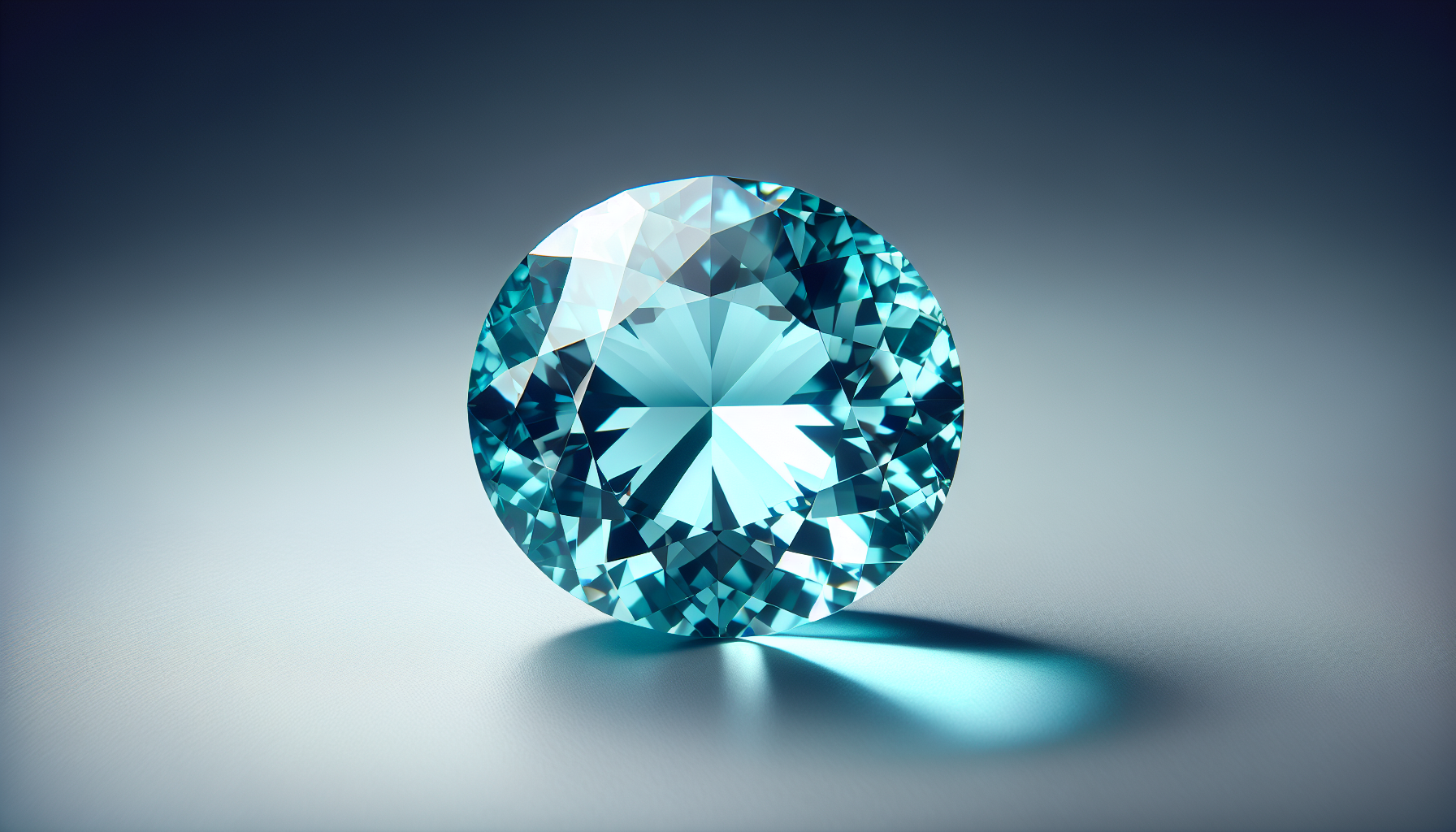
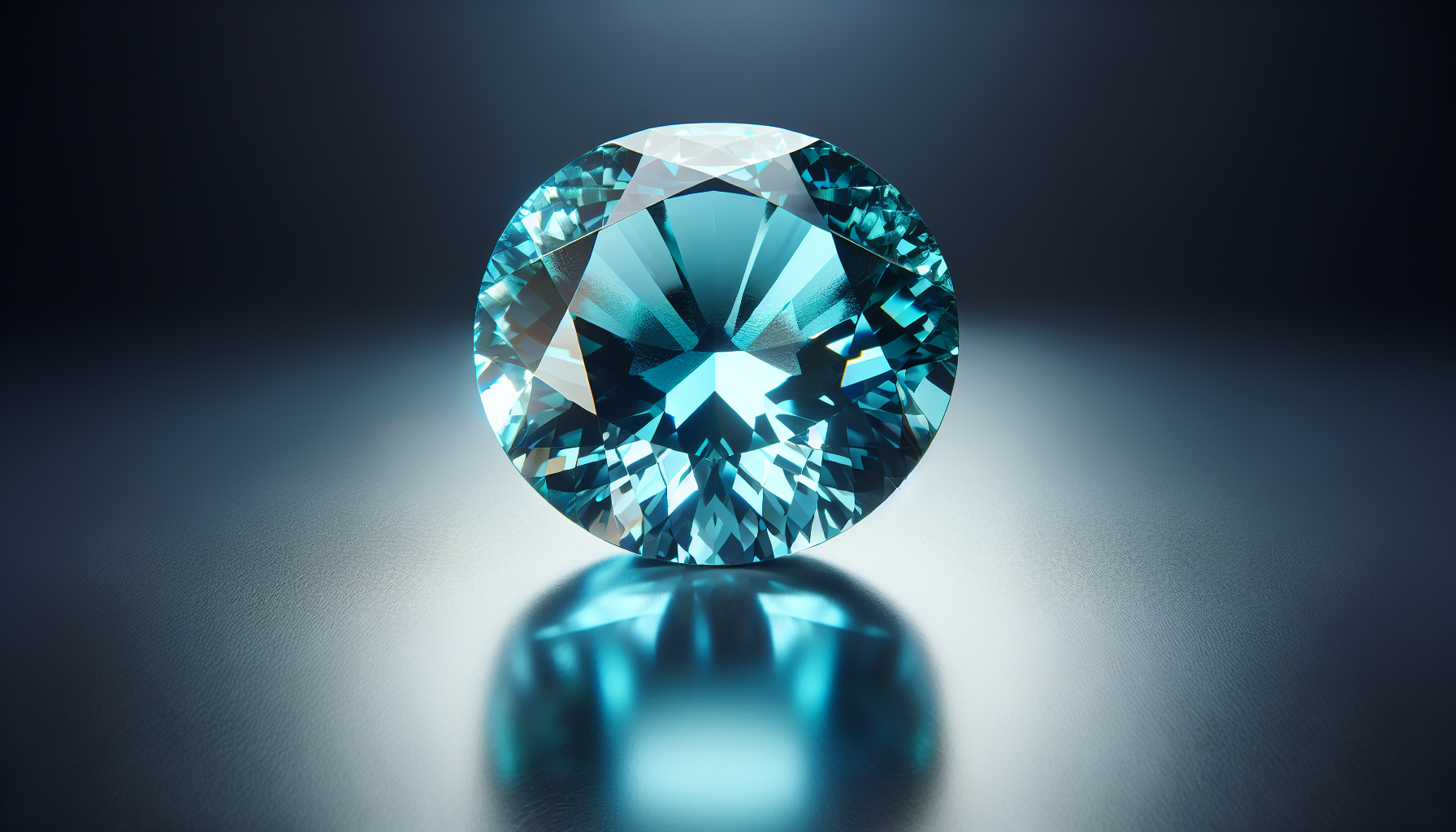
Aquamarine, with its subtle blue to blue-green hues, is named after the Latin words for water (aqua) and sea (mare). This is fitting, as the stone captures the essence of the sea, with colors that shift like the ocean during different times of the day. Its mesmerizing hue is reminiscent of the tranquil depths of the ocean, beckoning you with its soothing and calming presence.
The Birth and Evolution of Aquamarine
Found primarily in Brazil, aquamarine also surfaces in Nigeria, Madagascar, Zambia, and Mozambique, among other locations across the globe. Historically, the stone has been cherished by various cultures, often linked to legends and stories of mermaids and sailors. Ancient mariners believed it was the treasure of mermaids and carried it as a talisman against oceanic perils.
An Inside Look at Beryl
Aquamarine belongs to the beryl family, a mineral group that includes other captivating stones like emerald and morganite. Unlike its cousin emerald, known for its lush green hue, aquamarine tends to be free of inclusions that are visible to the human eye, often exhibiting a clear and lucid quality.
Color and Clarity
In the gem world, the value of aquamarine is driven largely by color. Stones with a deeper blue are typically valued higher, but the stone is also appreciated for its range of lighter tones that provide a unique kind of charm. Clarity is another essential factor for consideration. Aquamarines are desired for their transparency, often free from inclusions, which amplifies their appeal significantly.


Is Aquamarine a Precious Gem?
The Traditional Lens
From a conventional standpoint, aquamarine does not meet the historical threshold to be categorized as a precious gemstone. As previously mentioned, that esteemed group is limited to diamonds, sapphires, rubies, and emeralds. The exclusivity of this traditional categorization is one of the norms established in the gemstone market.
The Modern Perspective
However, perspectives can change. In today’s world, beauty and allure may matter more than strict traditional labels. Aquamarine, despite its classification, possesses qualities that many consider ‘preciously’ appealing. What truly makes a gem precious? The answer may lie more in personal sentiment and the intrinsic qualities cherished by those who admire them.
Sentiment and Value
Much of our attachment to gemstones stems from their representation of somewhere between grandiosity and personal significance. Whether aquamarine holds significant personal value, resembles a family heirloom, or adorns the jewelry of loved ones, its worth cannot be simply vested in monetary terms.
Market Value
When it comes to economic factors, aquamarine maintains considerable merit in the gemstone world. Its desirability relies on factors such as hue, saturation, and overall quality. Although not positioned at the market’s pinnacle as other “precious gems,” aquamarine still holds itself as a worthy contender in jewelry collections, often admired for its versatility and elegance in design.
The Cultural and Healing Significance
A Symbol of Tranquility
For centuries, aquamarine has been associated with tranquility, calmness, and clarity. It is often regarded as a protector for sailors and a talisman for good fortune and minimal harm at sea. It embodies a calming influence, not unlike the peaceful effect of gazing at a calm sea.
The Lore of Communication
Aquamarine is believed by some to enhance communication, making it an excellent adornment for those who seek eloquent expression in both personal and professional matters. It is thought to soothe tempers, promote resilience, and foster a sense of understanding and truthfulness.
The Stone of Courage
In lore, aquamarine is said to offer courage and has often been used in practices and meditations to reach tranquility in mind. It is thought to align more clarity and purpose when life appears turbulent, aligning closely with the peaceful nature of its blue aura.
Conclusion
In the end, the question of whether aquamarine is a precious gem doesn’t so much hinge on its traditional classification but rather its timeless beauty and the personal value we assign to it. Its luster and hue capture the imaginative sparkle of the ocean, sitting splendidly in both grand jewelry pieces and cherished daily wear tokens.
Whether you are moved by its serene beauty, enchanted by its mythical history, or drawn to its perceived healing properties, aquamarine stands unrivaled in its ability to connect generations with the timeless allure of gemstones. With each glance at a piece of aquamarine jewelry, you experience a spirit of calm resonating from a stone forever connected to the sea’s enchanting embrace. In the end, perhaps what makes a stone precious isn’t just its rarity, but the many stories it tells and the feelings it evokes within you.