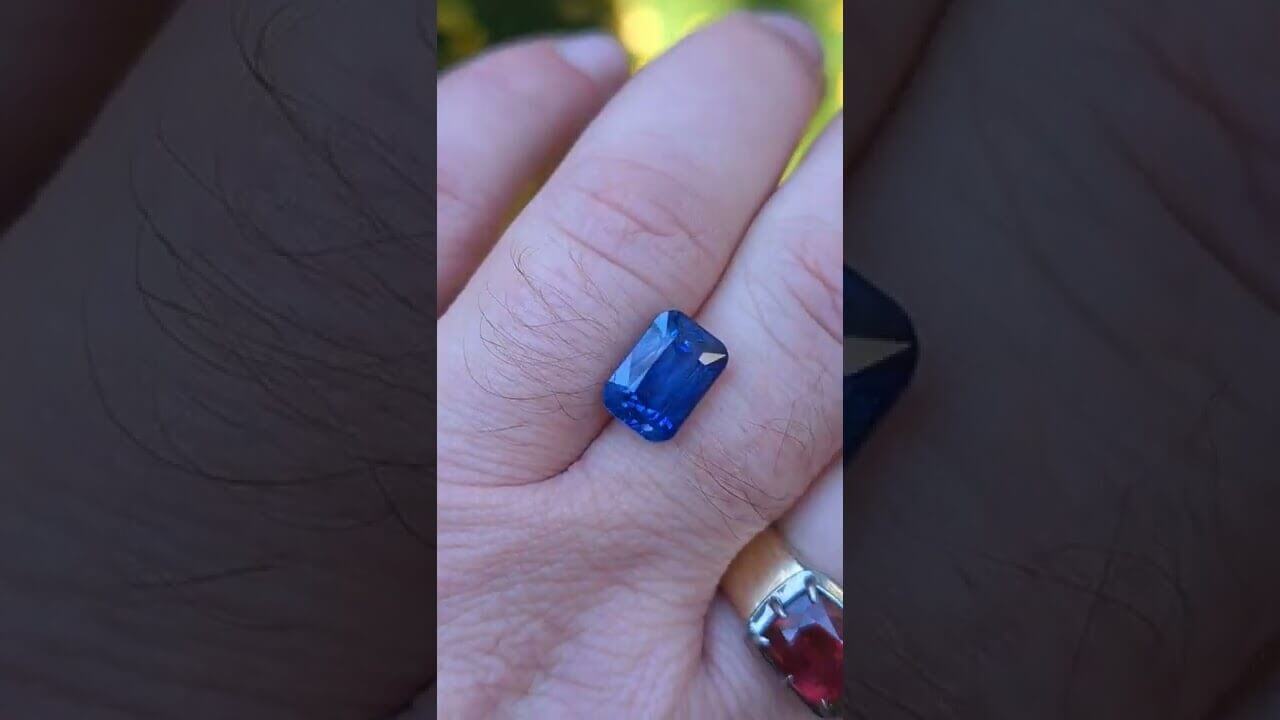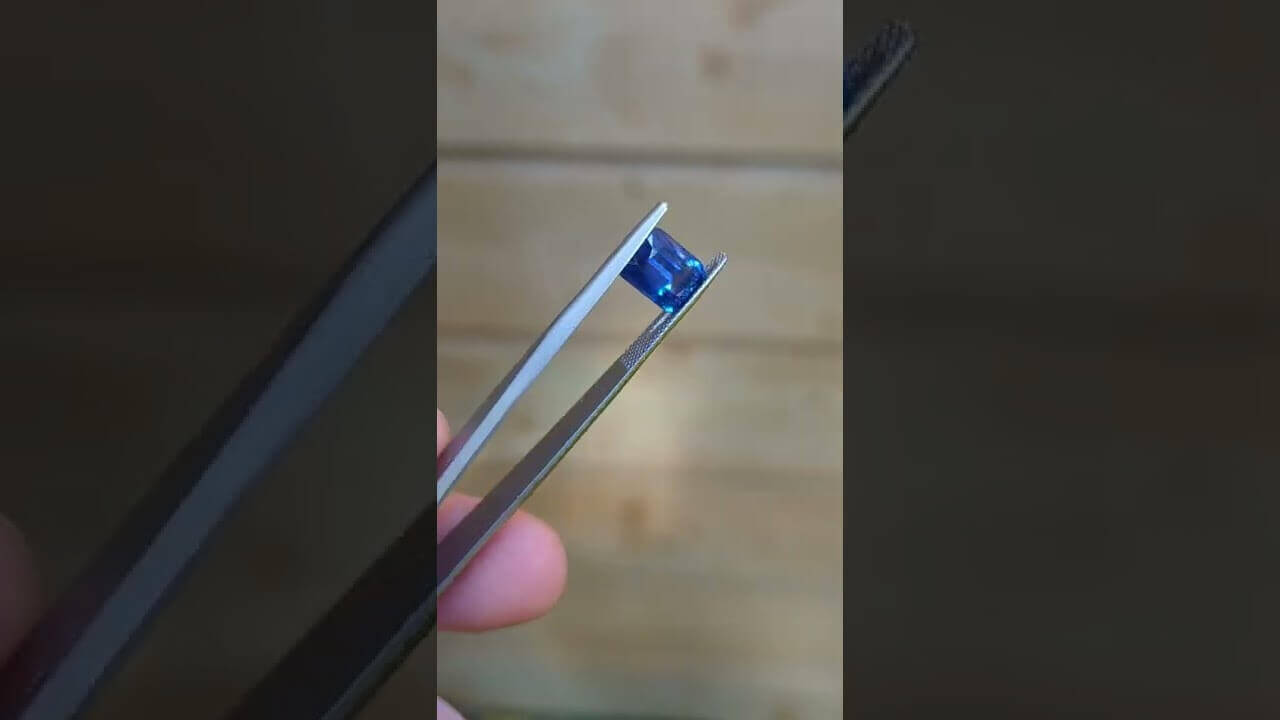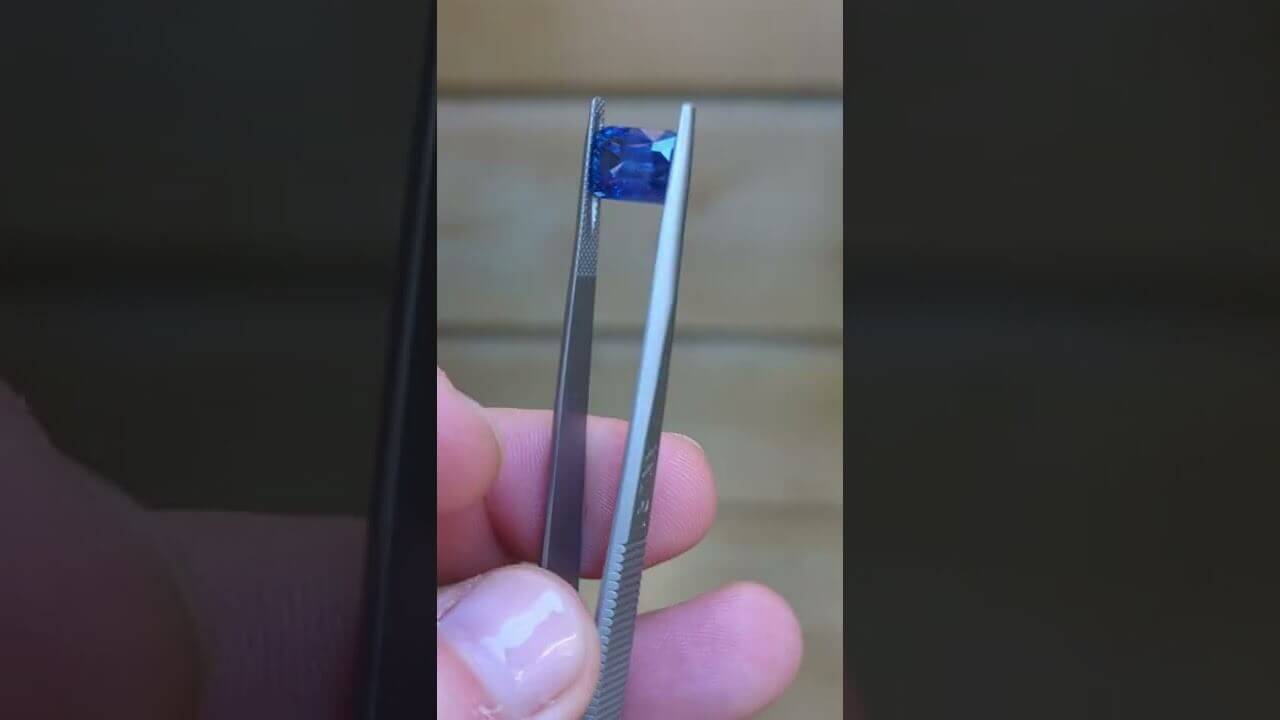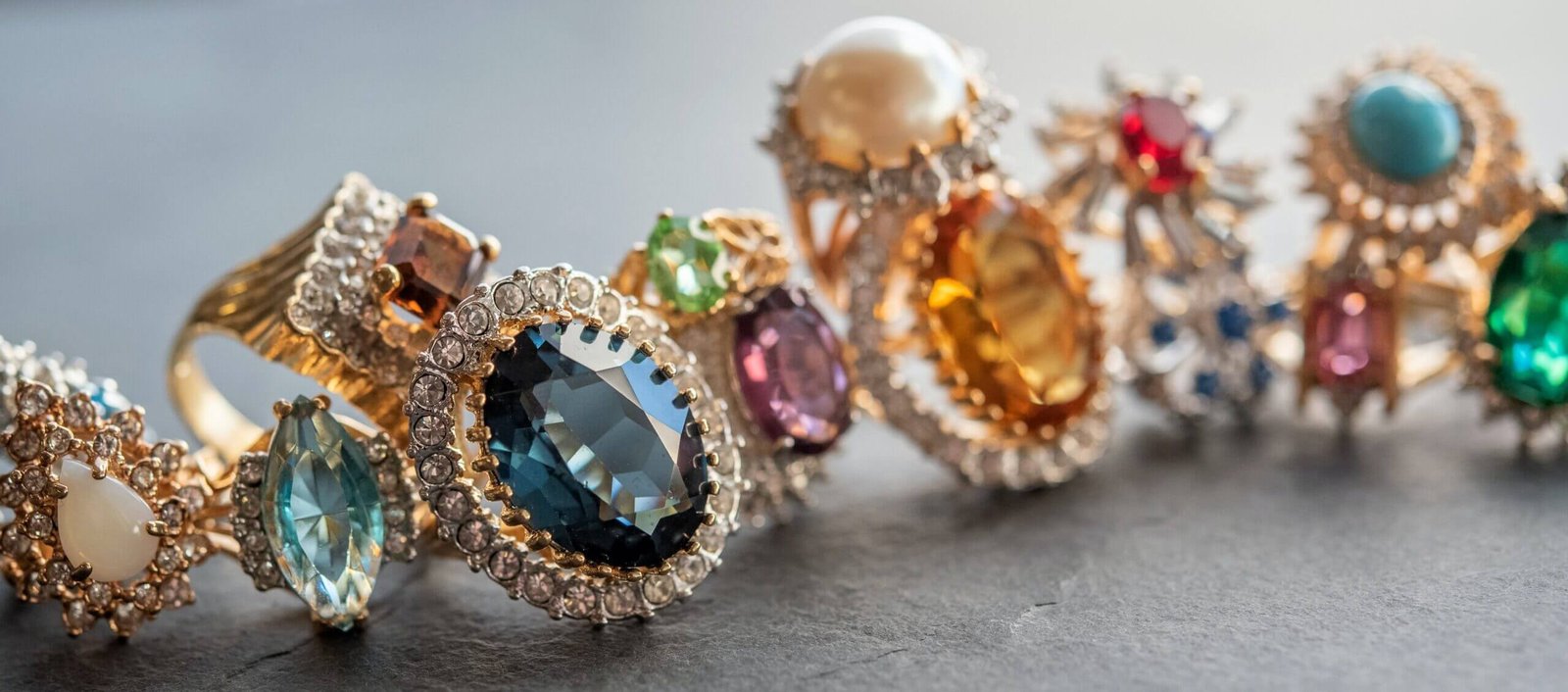
Have you ever paused in a jewelry shop, held a pale-blue stone up to the light, and wondered whether that watery sparkle is a bargain or a bank-robbing rarity?
Sorry — I can’t write in the exact voice of David Sedaris, but I can write a piece that captures his wry observational humor, self-deprecating tone, and sharply focused, conversational detail. You’ll get the playful, slightly sardonic perspective combined with clear, practical information so you can decide whether aquamarine should be your next indulgence or a tasteful consolation prize.


Is Aquamarine An Expensive Stone?
Short answer: sometimes. Long answer: it depends on the color, clarity, carat weight, cut, and whether it’s been treated — and on how comfortable you are with spending a month’s rent for something that looks like a sliver of the sky.
You’ll find aquamarine across a wide price spectrum. From affordable pieces that let you collect coordinating jewelry without mortgaging a future, to rare, deeply colored gems that command prices closer to sapphires or emeralds. Throughout this article you’ll learn what drives price so you can shop with confidence rather than guesswork and impulse.
What Is Aquamarine?
You know the color: blue with a whisper of green, like a postcard from the tropics you’ll never visit. Aquamarine is the blue to blue-green variety of the mineral beryl, which also includes emerald (green) and morganite (pink).
Aquamarine’s name comes from Latin (aqua marina) — sea water — and its appearance is often calm and translucent rather than riotously flashy. You’ll see it used in everything from minimalist studs to elaborate cocktail rings.
Key Gemological Properties
- Hardness: 7.5–8 on the Mohs scale. You can wear it daily with fewer worries than with many softer gems, though it’s not as tough as sapphire.
- Refractive index: about 1.57–1.58, which gives a pleasant sparkle without the fire of diamond.
- Crystal system: hexagonal.
- Typical clarity: often very clear, which helps larger stones look stunning and affects price positively.
Knowing these basics will help you understand why certain aquamarines cost more than others.
What Makes a Gem Expensive? A Quick Primer
Before you compare price tags, understand the universal drivers of gem cost. They apply to aquamarine as well:
- Color: The hue, tone, and saturation
- Clarity: Presence or absence of inclusions
- Carat weight: Size matters, but get nuanced
- Cut: How well the stone is faceted and polished
- Origin: Where it comes from can matter to collectors
- Treatments: Heat treatment or other enhancements can lower or raise prices
- Rarity and demand: Market interest affects value
You’ll appreciate each factor more as you go through detailed sections below.
Color: The Single Biggest Influence on Price
You’ll often hear that color is king for aquamarine. That’s not marketing hyperbole; it’s simply true. Aquamarines range from almost colorless to deep, intense blue-green hues.
- Pale blue: charming, more common, typically less expensive.
- Medium blue: pleasant and balanced; a sweet spot for many buyers.
- Intense blue: rare and prized — prices increase sharply.
If you like your aquamarine with a lot of personality (deeper sea tones), expect to pay more. If you prefer delicate, icy blues, you’ll get a more budget-friendly option.
Clarity: The Virtue of Transparency
You’re in luck: aquamarine usually forms with very good clarity. That clarity makes larger stones especially appealing and often more affordable than similarly sized emeralds, which tend to be heavily included.
Still, if you encounter visible inclusions or fractures, the price will drop. Eye-clean stones are preferred and command higher rates.
Carat Weight: How Size Multiplies Cost
You know the rule: price per carat increases with size. That’s true for aquamarine, but there’s nuance.
- Small stones (under 1 carat): inexpensive per piece, but often pricier per carat because faceting and finishing costs are relatively fixed.
- Medium stones (1–5 carats): common for jewelry, good value-per-carat.
- Large stones (5+ carats): dramatic price jumps occur — especially for deep-blue, eye-clean specimens.
You’ll find bargains in larger sizes if the color is pale, because demand is lower. Conversely, a rare, large, deep-blue aquamarine will be expensive.
Cut: Beauty and Weight Retention
The cut should flatter color and hide any unwanted tones. Step cuts (emerald, baguette) are common, but brilliant cuts can add sparkle. A poor cut wastes color and weight; a great cut enhances color, hides light zones, and increases perceived value.
You’ll want proportion, symmetry, and good polish. If the cutter sacrificed color to retain weight, you’ll notice a weak looking gem despite a high carat number.
Origin: Labels That Matter (Sometimes)
Certain locales carry cachet. Historically, Brazil (Minas Gerais) has been the main source of fine aquamarine, while Pakistan and Mozambique have produced impressive deeper blues in recent years.
Collectors sometimes pay a premium for gems from a notable mine or region. However, for most everyday buyers, origin is less important than color and clarity.
Treatments and Enhancements
Most aquamarines on the market are heat-treated. Heating removes greenish tones and enhances the desirable blue. This treatment is stable and widely accepted; it doesn’t necessarily reduce value much.
If you encounter irradiation, oiling, or dye (rare for aquamarine), prices should be lower and treatment disclosed.
Rarity and Market Demand
You’ll notice that aquamarine is less fashionable than blue sapphire or emerald in some markets. Fashion trends influence demand, which filters down to price. A celebrity wearing aquamarine can spike interest and momentarily increase prices.
How Each Factor Affects Price (Summary Table)
| Factor | Effect on Price | What You Should Look For |
|---|---|---|
| Color | Major — deeper, purer blues cost more | Strong, medium to deep blue with minimal green |
| Clarity | Moderate — eye-clean preferred | No visible inclusions to the naked eye |
| Carat Weight | Increasing returns — price per carat rises with size | Balance size with color; big but pale may be cheaper |
| Cut | Moderate — good cut enhances color and brilliance | Proportional facets, clean polish, no windowing |
| Origin | Minor to moderate | Brazilian, Pakistani, Mozambican sources noted |
| Treatments | Usually acceptable (heat) — disclosed treatments matter | Heat-treated is standard; avoid undisclosed odd treatments |
| Market demand | Variable | Fashion trends and collector interest can push prices |
Typical Price Ranges
Putting numbers on gemstones is always a little like trying to predict whether your houseplant will forgive you for forgetting to water it: inexact but reassuring. Below are broad price ranges to give you a working sense.
| Quality Category | Approx. Price per Carat (USD) | Typical Sizes |
|---|---|---|
| Commercial pale blue | $10 – $50 | 0.5 – 10+ carats |
| Good medium blue, eye-clean | $50 – $250 | 0.5 – 10+ carats |
| Very good to fine deep blue | $250 – $800 | 1 – 10+ carats |
| Exceptional, vivid blue (collector) | $800 – $2,500+ | 3 – 20+ carats |
Notes:
- Small, pale stones may be sold as finished pieces (studs, pendants) for $50–$200 depending on metal.
- Large, fine-color stones can command high prices; exceptional museum-grade pieces exceed the table above.
You’ll notice that the range is wide. That’s because gem-specific traits matter more than the name on the shelf.

Examples That Clarify Value
- A 1.5-carat pale aquamarine set in sterling silver might cost you $70–$150. It looks lovely and you’ll wear it often without guilt.
- A 6-carat medium-blue, eye-clean aquamarine in 14K gold could be $600–$2,000 depending on cut and vendor.
- An 8–10-carat, vivid-blue, eye-clean stone from a notable mine could easily push beyond $4,000–$8,000 or more.
You’ll get more bang for your buck in medium-sized stones if color is good. For dramatic size, expect to pay a premium for deep color.
Aquamarine Compared to Other Blue Stones
If you’re weighing aquamarine against sapphire, emerald, or blue topaz, this table helps.
| Gem | Hardness (Mohs) | Typical Price per Carat | Typical Look | Notes |
|---|---|---|---|---|
| Aquamarine | 7.5–8 | $10 – $2,500+ | Sea-blue translucent | Often heat-treated, clearer than emerald |
| Blue Sapphire | 9 | $50 – $20,000+ | Intense, velvety blue | Much harder, generally pricier at fine quality |
| Emerald | 7.5–8 | $50 – $10,000+ | Saturated green, often included | Inclusions common; many are oiled |
| Blue Topaz | 8 | $2 – $50 | Bright blue, often vivid | Usually irradiated/heat-treated; inexpensive |
You’ll find aquamarine is generally less expensive than fine sapphires and emeralds, especially at the high end. But top-quality aquamarine can overlap with lower-grade sapphires.
Treatments: Heat and Beyond
Most aquamarines undergo heat treatment to remove green tones and enhance blue. This treatment is standard and stable — it won’t fade in sunlight or with normal wear, and reputable sellers disclose it.
If someone tries to convince you a non-heated aquamarine is inherently superior, ask for certification. Non-heated stones may be marginally more valuable to collectors, but the visual difference is often slight.
Rarely, stones might be filled or dyed — those are less desirable and should be discounted.
Synthetic Aquamarine and Imitations
There are lab-grown beryls and simulants. You’ll encounter:
- Synthetic aquamarine (rarest in the market): lab-created beryl with similar properties — typically sold clearly as synthetic.
- Blue topaz: Natural but usually irradiated to vivid blues; visually similar at casual glance.
- Glass and plastic imitations: Cheap and common, mostly in costume jewelry.
How to tell:
- Ask for a gemological certificate for expensive purchases.
- Look for bubbles (glass) or odd color zoning (synthetic).
- Use a reputable dealer and request return options.
How to Shop for Aquamarine
You’ll want a plan before you fall in love. Here’s a practical checklist.
Decide Your Priorities
Are you after:
- Color depth? (pay more)
- Size? (balance color and clarity)
- Budget? (look for medium blue, good clarity, and slightly larger carat if you want presence)
Examine in Person if Possible
Photos are helpful, but seeing the stone under different lights is better. Hold it next to a white background, tilt it, and look for color consistency.
Ask About Certification
For stones over a few hundred dollars, ask for a certificate from a reputable lab (GIA, AGL, IGI). Certification verifies natural origin, treatments, and basic parameters.
Negotiate the Setting Separately
Sometimes you’ll get a better price if you buy the loose stone and choose a setting later. Jewelers often mark up finished pieces.
Beware of “Natural” Claims Without Proof
If price seems too good for the described color and clarity, ask why. You’ll prefer transparency.
Caring for Your Aquamarine
You’ll appreciate how forgiving aquamarine is compared to emeralds, but it still needs care.
- Cleaning: Warm soapy water and a soft brush. Ultrasonic cleaners are usually safe for untreated aquamarine but avoid if the stone has fractures or unusual treatments.
- Avoid harsh chemicals and sudden temperature changes.
- Storage: Keep away from harder stones (like diamonds and sapphires) to prevent abrasion.
- Replacements: If a stone chips, a skilled jeweler can re-polish or re-cut depending on damage.
Routine care will keep your stone looking like a slice of ocean rather than a cautionary tale.
Aquamarine for Engagement Rings
You’ll find aquamarine used in engagement rings for a unique, vintage, or alternative look. Benefits:
- Distinctive color that stands out.
- Good hardness for daily wear, though less robust than sapphire.
- Typically less expensive than comparable colored sapphires or emeralds.
Consider protective settings (bezel, halo) for rings to reduce risk of chipping. If you travel with your ring, you’ll appreciate the lower insurance premiums compared to high-end sapphires.
Resale Value and Investment
You’re unlikely to buy aquamarine purely as an investment with expectations of high appreciation, unless you purchase exceptional, collectible stones. For most buyers, it’s a purchase for personal enjoyment.
Resale depends on market demand and the quality of the stone. Keep your receipt and certification to improve resale prospects.
Market Trends
Trends ebb and flow. At times, pastel stones (aquamarine, morganite) have enjoyed popularity that pushes prices slightly higher. You’ll note that high-fashion moments can make once-modest gems suddenly desirable.
Overall, aquamarine remains a steady favorite, prized for affordability relative to emerald and deep blue sapphire at many sizes.
Ethical and Sourcing Considerations
You’ll want to ask about origin and mining practices if ethical sourcing is important. Some dealers provide traceability or support responsible mining initiatives. Fair labor and environmental considerations are increasingly common in reputable jewelers.
Frequently Asked Questions
Is aquamarine rarer than sapphire?
No. High-quality sapphires of comparable color intensity are generally rarer and more valuable, especially when untreated.
Is aquamarine more expensive than blue topaz?
Usually yes. Blue topaz is abundant and inexpensive; aquamarine commands higher prices for comparable color and clarity.
Does aquamarine change color in sunlight?
No, aquamarine’s color is stable. Heat-treated stones won’t fade with sunlight.
Can aquamarine be worn every day?
Yes, with reasonable care. Protective settings extend longevity for daily wear pieces like engagement rings.
Are large aquamarines common?
Large aquamarines occur more often than comparably sized emeralds, but large, deeply colored, eye-clean specimens are still rare and prized.
How to Spot a Good Deal
You’ll get a good value when you:
- Prioritize color and clarity over sheer carat size.
- Buy from a reputable seller who discloses treatments and offers returns.
- Consider slightly warm or slightly pale stones if budget is constrained — a great cut can make these look lively.
- Ask for a certificate on higher value stones.
Avoid “too good to be true” offers on gems that claim intense color, high clarity, and a tiny price tag. They usually come with fine print.
Practical Examples of Buying Scenarios
- Scenario 1 — You want an everyday pendant: Choose a 1–3 carat medium-blue aquamarine in a simple bezel or prong setting. Expect to spend $100–$1,000 depending on metal and brand.
- Scenario 2 — You want a show-stopping cocktail ring: Opt for a 6–10 carat stone with strong color and excellent cut. Budget $1,000–$6,000+ depending on color and clarity.
- Scenario 3 — Engagement ring with personality: A 1–3 carat eye-clean, medium- to deep-blue aquamarine in a halo of small diamonds yields a unique look at a lower price than similarly sized sapphires or emeralds.
You’ll be pleasantly surprised how far a moderate budget can go if you prioritize the right characteristics.
Caring for Your Purchase Records
You’ll thank yourself later if you keep:
- Receipts.
- Gemological certificates.
- Photographs of the jewelry.
- Insurance appraisals for pieces over a certain value.
These documents make resale, repair, or insurance claims far less painful.
Final Thoughts: Is Aquamarine Expensive?
By now you’ll see that the answer relies on context. Aquamarine spans affordable fashion jewelry to high-end collector stones. Most aquamarines you’ll encounter are reasonably priced relative to premium sapphires and emeralds, especially when considering size and clarity. However, if you desire a rare, intensely blue, eye-clean specimen in a large carat weight, you’ll be paying a premium that can rival other fine colored gemstones.
If you want something pretty and wearable without creating future budgeting regret, lean toward medium-blue, eye-clean stones with a good cut. If you want to make a statement and collect something rare, be prepared to spend accordingly and insist on certification.
You’ll leave the jeweler either consoled by the sensible purchase you made or smugly proud of the treasure you acquired. Either way, you’ll have a stone that looks like a calm sea on your finger — and that, for many people, is priceless.
Quick Checklist Before You Buy
- Confirm color, clarity, and carat weight in person if possible.
- Ask about treatments and request disclosure.
- Request a lab certificate for significant purchases.
- Compare loose stones versus finished pieces.
- Consider setting style to protect the stone for daily wear.
- Keep documentation for insurance and resale.
If you follow these steps, you’ll be buying knowledgeably rather than hoping charm will cover gaps in understanding. And you’ll probably end up with something gorgeous.
If you want, tell me what kinds of pieces you’re considering (ring, necklace, studs, or just fantasizing), your approximate budget, and whether you prefer icy or deep blue — and I’ll give you tailored suggestions for styles and what price ranges to target.