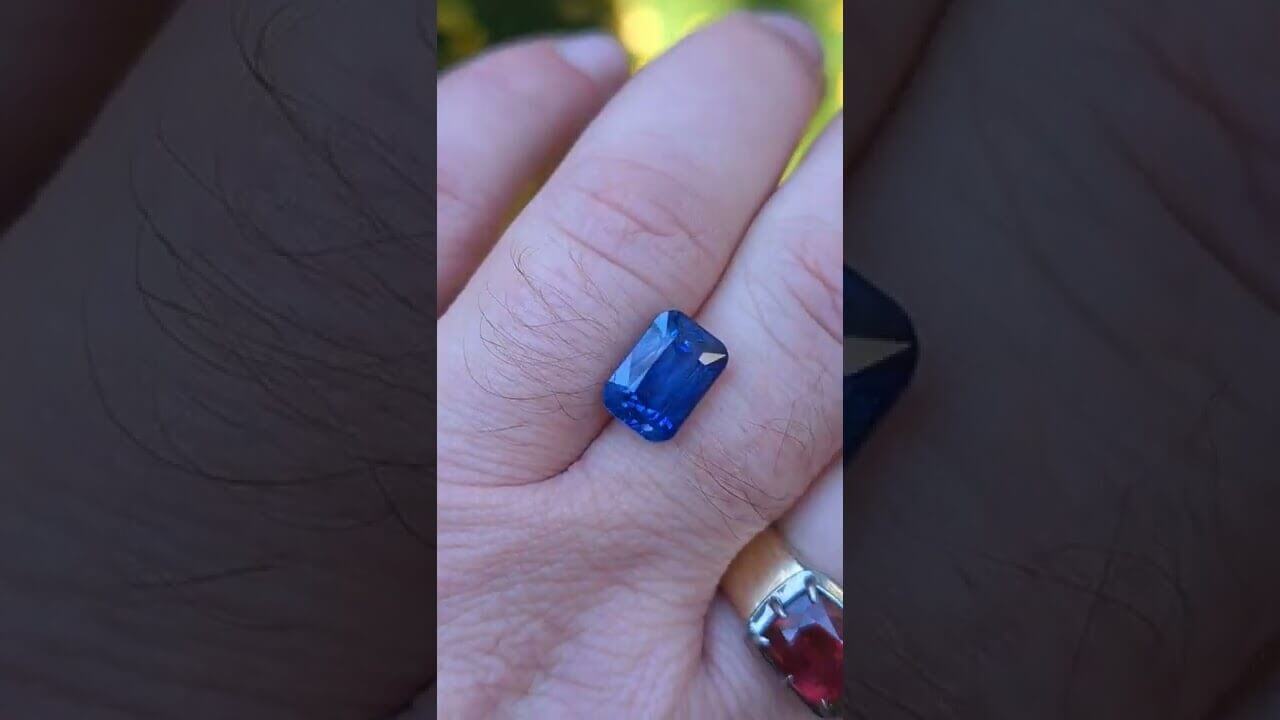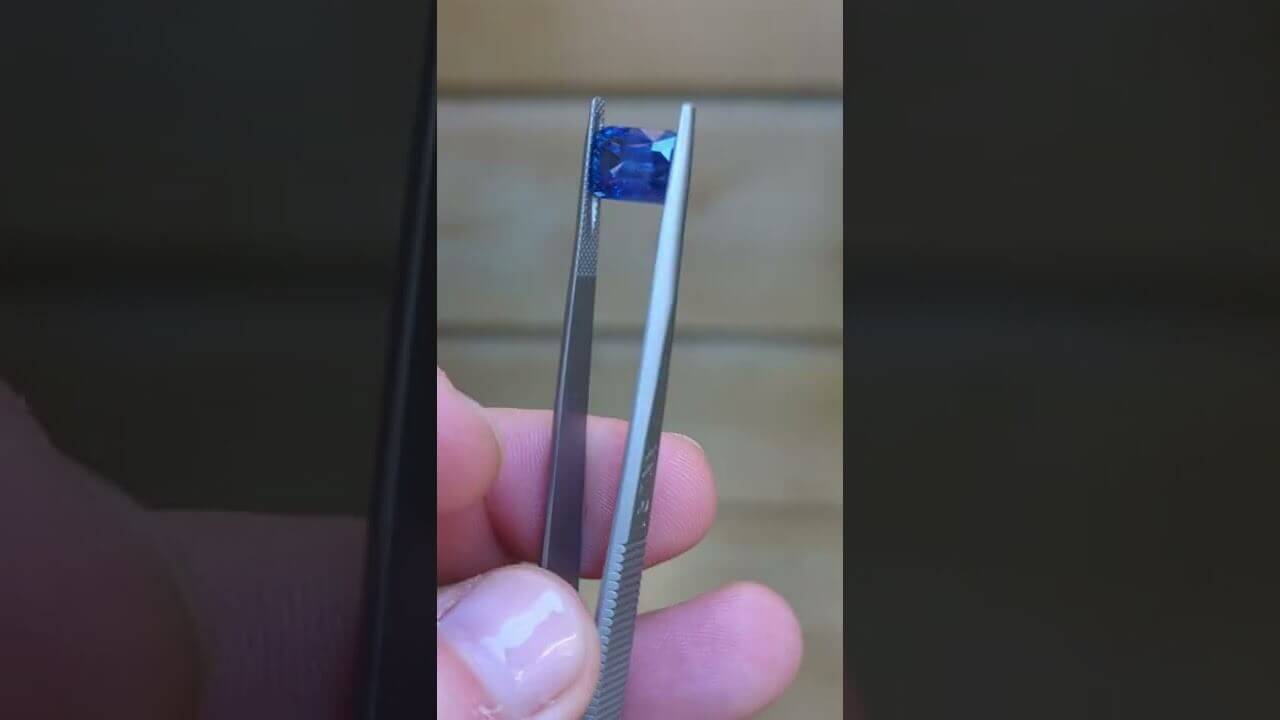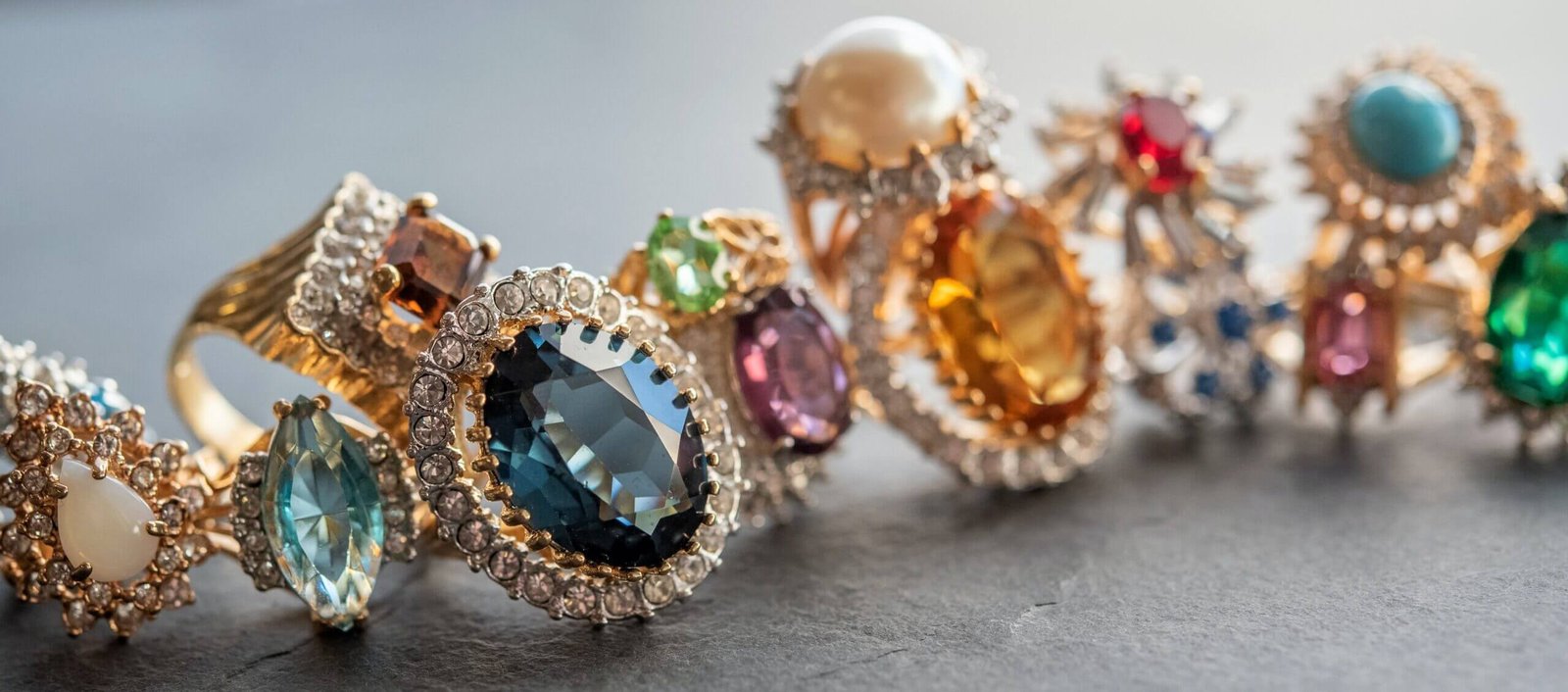
Have you ever found yourself captivated by the serene, aquatic hue of an aquamarine gemstone while pondering if it could possibly outshine diamonds in the coveted realm of value? In a world dazzled by glittering jewels and captivating stories of origins, uncovering the true worth of these gems is an intriguing pursuit. Is aquamarine more expensive than diamonds? Embark on this deep-dive into the gem-crusted ocean of truths, prices, characteristics, and charms that make these stones worth knowing.


What Determines the Value of a Gemstone?
Value in the world of gemstones is a nuanced dance of many factors. When it comes to determining whether a gemstone will make your eyes pop or your wallet flop, several key elements come into play.
The Four Cs: Color, Clarity, Cut, and Carat
Much like your favorite meal, each gemstone’s appeal lies in its color, clarity, cut, and carat weight. These four Cs have a habit of dictating the headline prices at auctions and stores worldwide.
Color: Think of color as the soul of a gem—the more vivid and intense the hue, the more it tends to stir the heart (and the market). While diamonds are most prized when colorless, aquamarine wins hearts with its enchanting ocean-blue shade.
Clarity: This is the gemstone equivalent of clear skies over a weekend getaway. Fewer inclusions mean clarity, leading to a higher valuation.
Cut: Imagine a brilliant dancer needing the right stage. The cut brings out the best in a gemstone’s innate beauty, balancing light and giving it that mesmerizing sparkle.
Carat: Bigger isn’t always better, but it often costs more. Carat reflects size and weight, drawing eager eyes (and wallets) when large and lustrous.
Rarity and Demand: The Tug of War
Some gemstones simply waltz into rarity and find themselves in the limelight due to limited supply and soaring demand. Rarity can elevate a stone’s status, mingling with market demand to sway prices in surprising directions.
Origin and Treatments
Where a gemstone hails from can add layers to its narrative and, often, its price tag. Similarly, the spotlight shines brighter on untreated, natural gems than their cosmetically-enhanced counterparts.
The Aquamarine: A Glimpse Into Its Mystique
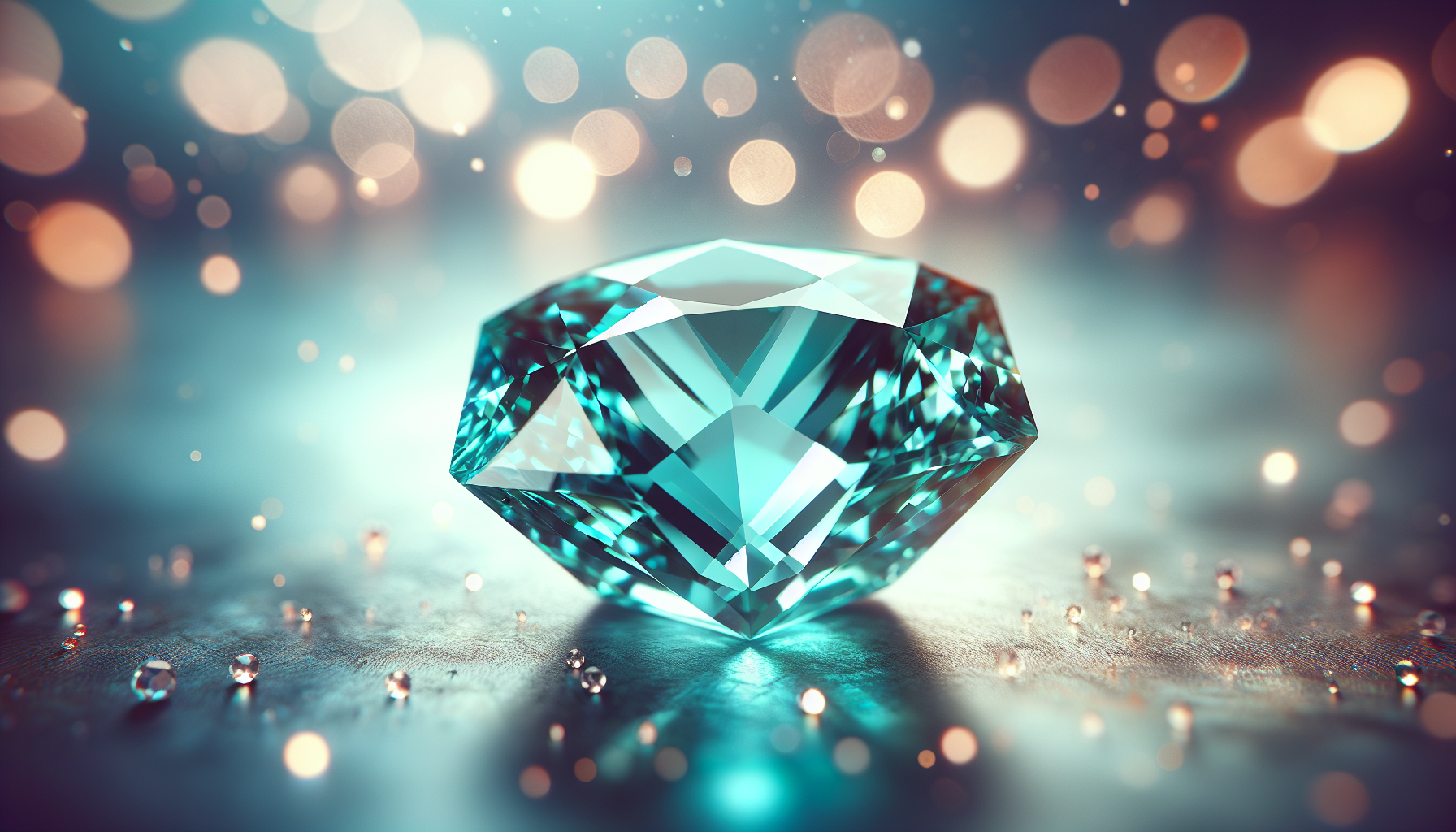
Step into the world of aquamarine—a stone that doesn’t just shine but tells delicate tales of the sea. Known for its soothing blue-green colors that resemble the calming waters of a tropical paradise, this gemstone carries allure like few others.
Appearance and Characteristics
Aquamarine is a variety of beryl, cousin to the emerald, and boasts an appeal all its own. Its glassy, translucent appearance offers a luxurious charm.
Color Spectrum: Tones of blue, light to deep, sometimes with hints of green. The pure blue hues are often the most desired and hence, can fetch higher prices.
Durability: On the Mohs scale of hardness, it slots comfortably at 7.5 to 8. Think of it as a good companion for everyday elegance.
Natural Birthplace: Often sourced from Brazil, Madagascar, and Nigeria, its geographical journey can rival the voyage of a seafarer.
Price Range of Aquamarine
So, how does price mirror beauty in aquamarines? Factors like color, clarity, and size weave a tapestry of price variations. Here’s a glimpse to anchor your understanding:
| Quality | Price per Carat (Approx.) |
|---|---|
| Low | $20 – $150 |
| Medium | $150 – $400 |
| High | $400 – $1,000+ |
The more vivid the blue, the deeper you may need to reach into your treasure trove. Whether it’s clarity dancing with color or an impressive knot of carats, the price adjusts accordingly.
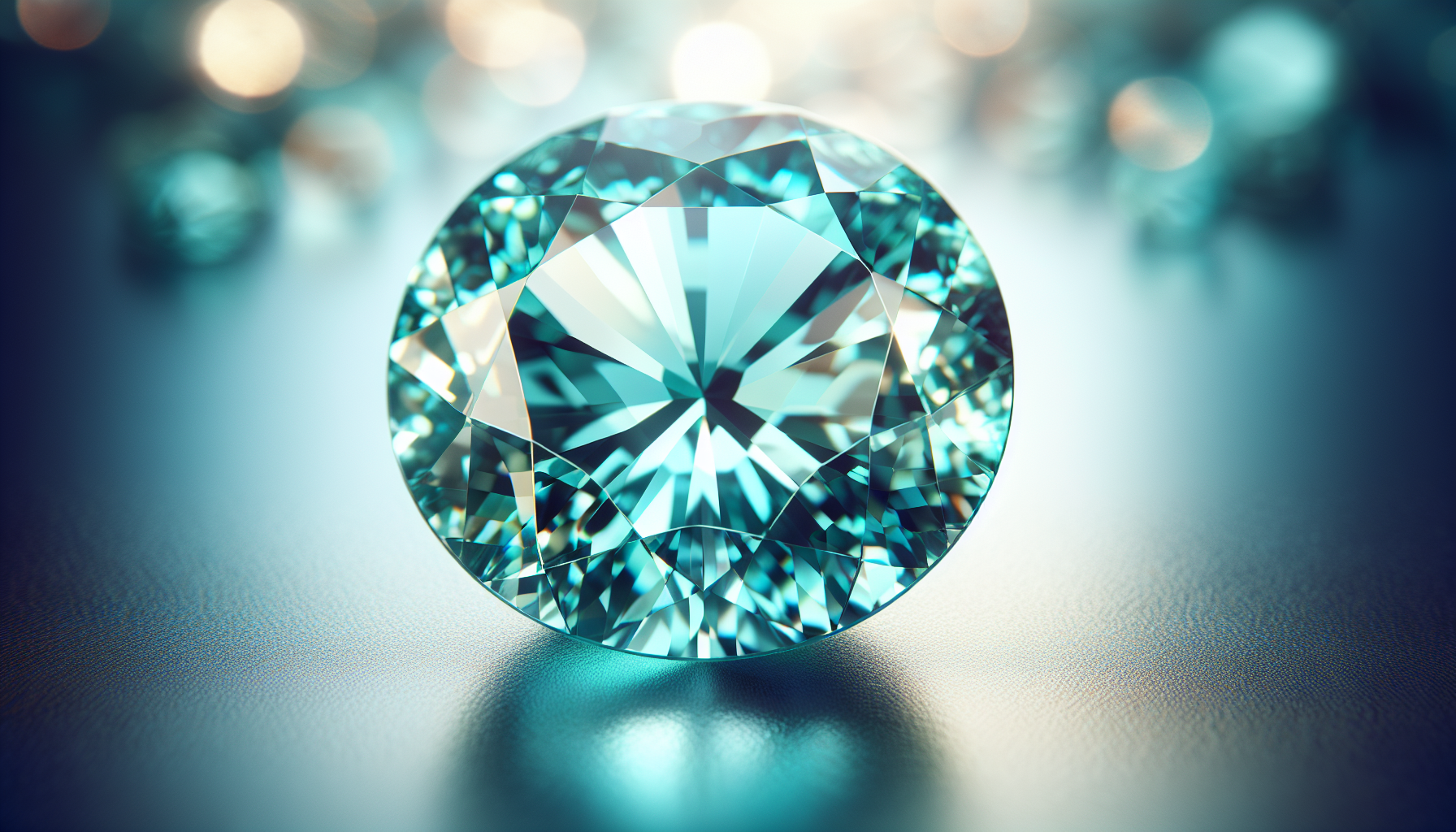

Enter the Diamond: The Timeless Contender
As you turn the page from aquamarine, you find yourself amidst the dazzling promise of diamonds. Synonymous with love, commitment, and luxury, diamonds have a reputation as clear-cut as their sparkling façade.
The Majestic Aura
diamonds are so much more than mere shiny objects—they embody stories, emotions, and financial dreams.
Spectrum of Colors: Though white diamonds steal the spotlight with their multi-colored refractions, fancy diamonds come in a whole rainbow of possibilities. However, rarity and price also elevate these extraordinary hues.
Eternal Hardness: With a perfect 10 on the Mohs scale, diamonds are unrivaled in hardness, standing the test of time quite literally.
Global Roots: Unearthed from places like Russia, Canada, and Botswana, each diamond’s home adds an exotic flair to its backstory.
Price Metrics of Diamonds
Undoubtedly, sizing up a diamond requires understanding that prices can soar and spin at a moment’s notice, based on the almighty four Cs.
| Quality | Price per Carat (Approx.) |
|---|---|
| Low | $1,000 – $3,000 |
| Medium | $3,000 – $7,000 |
| High | $7,000 – $20,000+ |
The type of setting, presence of fluorescence, and renowned first-name brands can also push those numbers skyward, making diamonds as intriguing as they are enduring.
Aquamarine vs. Diamonds: Let’s Crunch the Numbers
Now comes the ultimate question: When you line them up side by side, how do aquamarines and diamonds compare in terms of price and value?
Price Comparison
At a glance, diamonds are typically more expensive than aquamarines, even when comparing higher-end aquamarines to lower-end diamonds. This gap is rooted in several factors.
Narrative of Rarity
Diamonds often claim precedence due to cultural narratives of rarity, romance, and investment value. They have, over decades, built an unparalleled reputation as a universal symbol of wealth and prestige.
The Emotional Factor
Emotion plays a starring role here—society’s inclination to lean diamonds toward matrimonial treasures pushes demand to a steady zenith. Meanwhile, aquamarines, with their deeply personal and varied meanings, carve their own niche in beauty and uniqueness without the burden of extensive tradition.
Are Aquamarines the Hidden Gems of Investment?
While diamonds hold their ground in investment lore, aquamarines offer a fresher face for those adventurous glitter-chasers looking for unique returns with a pleasing aesthetic.
Market Trends
Lately, aquamarines have been catching seasoned investors‘ eyes as an intriguing alternative to more conventional stones. Over the years, the excitement around colored gemstones has grown, opening doors to novel opportunities in the market.
Longevity and Versatility
Aquamarines’ worth celebrates more than monetary returns; it embraces timeless beauty and an affordable slice of luxury, doused in a cascade of oceanic serenity. The stone suits those who appreciate craftsmanship over conformity—an alluring choice for both collectors and casual admirers.
Making Your Gemstone Choice
If you find yourself poised at a crossroads, more uncertain than Alice in Wonderland, remember, choosing between aquamarines and diamonds is a matter of heart, soul, and personal style.
Personal Aesthetics
Which hue reflects your inner light—a blue that captures the endless sky or a clear canvas for the colors of life? Your personal style will guide your decision.
Purpose and Significance
Whether it’s an engagement ring, a beloved necklace, or an investment piece, your intended use plays a significant role in directing your pick. Diamonds might woo traditionalists, but aquamarines beckon with promise to those intrigued by their unique charm.
Budget Considerations
The wallet whispers here—understanding your budget can nudge you toward a suitable choice. With aquamarines often offering a more accessible luxury, they fit snugly into a wider range of price points.
Conclusion: The Gem You Choose
In this dazzling exploration, you’ll note aquamarines might not eclipse diamonds in monetary might, but they certainly rival them in beauty and allure. Ultimately, it’s not whether the stone is pricier but whether it resonates with your narrative.
So, what will it be? Will you be swayed by the perennial allure of diamonds, draped in tradition and prestige? Or will the enchanting blue whispers of the aquamarine call to the dreamer in you, forging a personal path amid the sea of stones? Your journey, and your gem, awaits your answer.