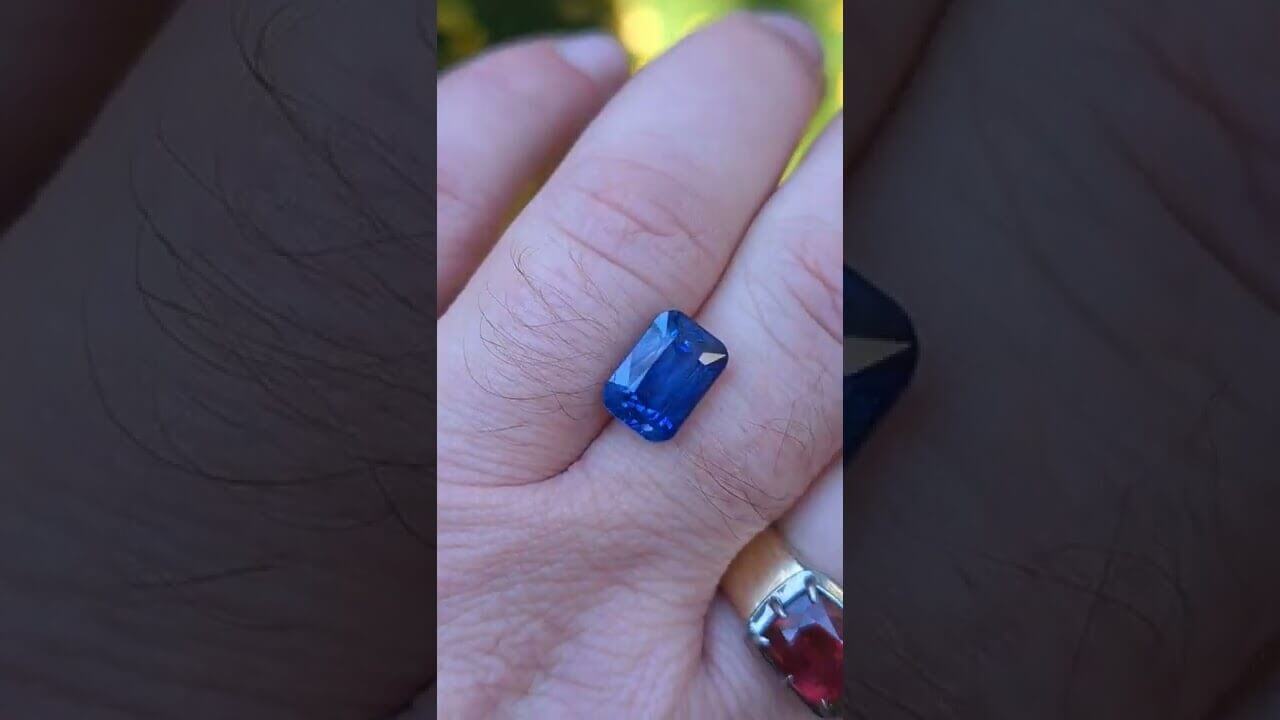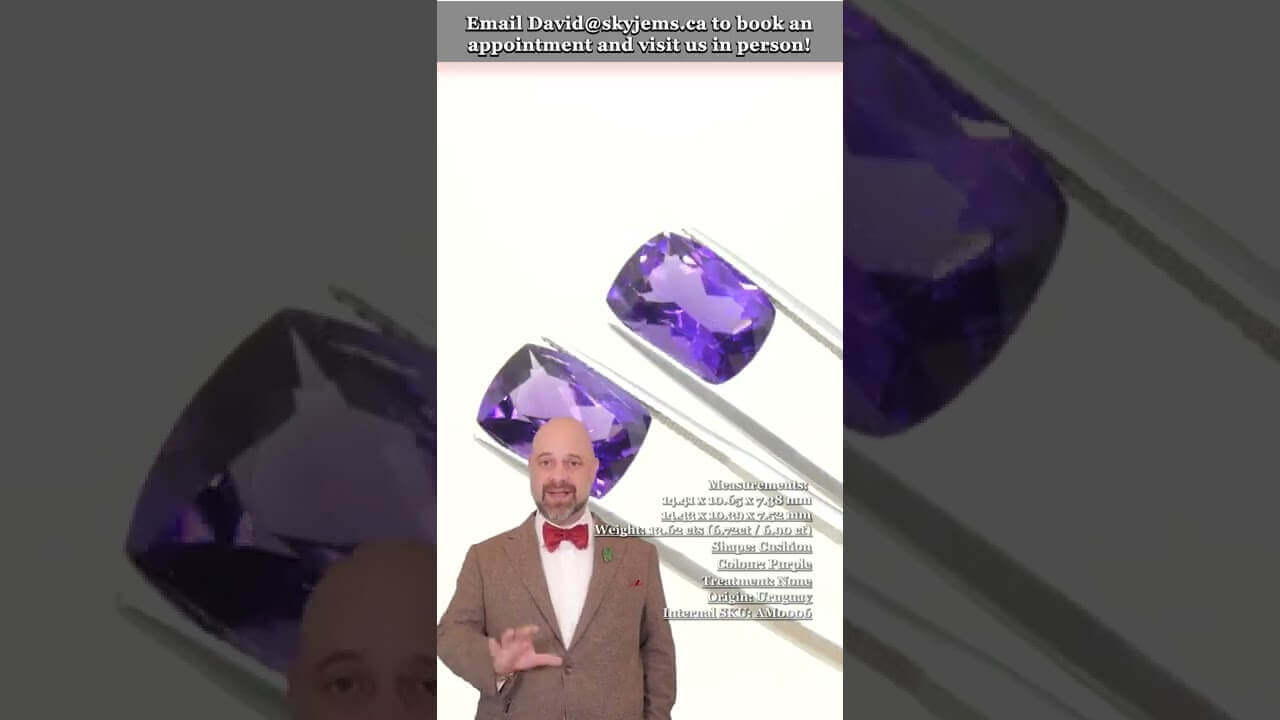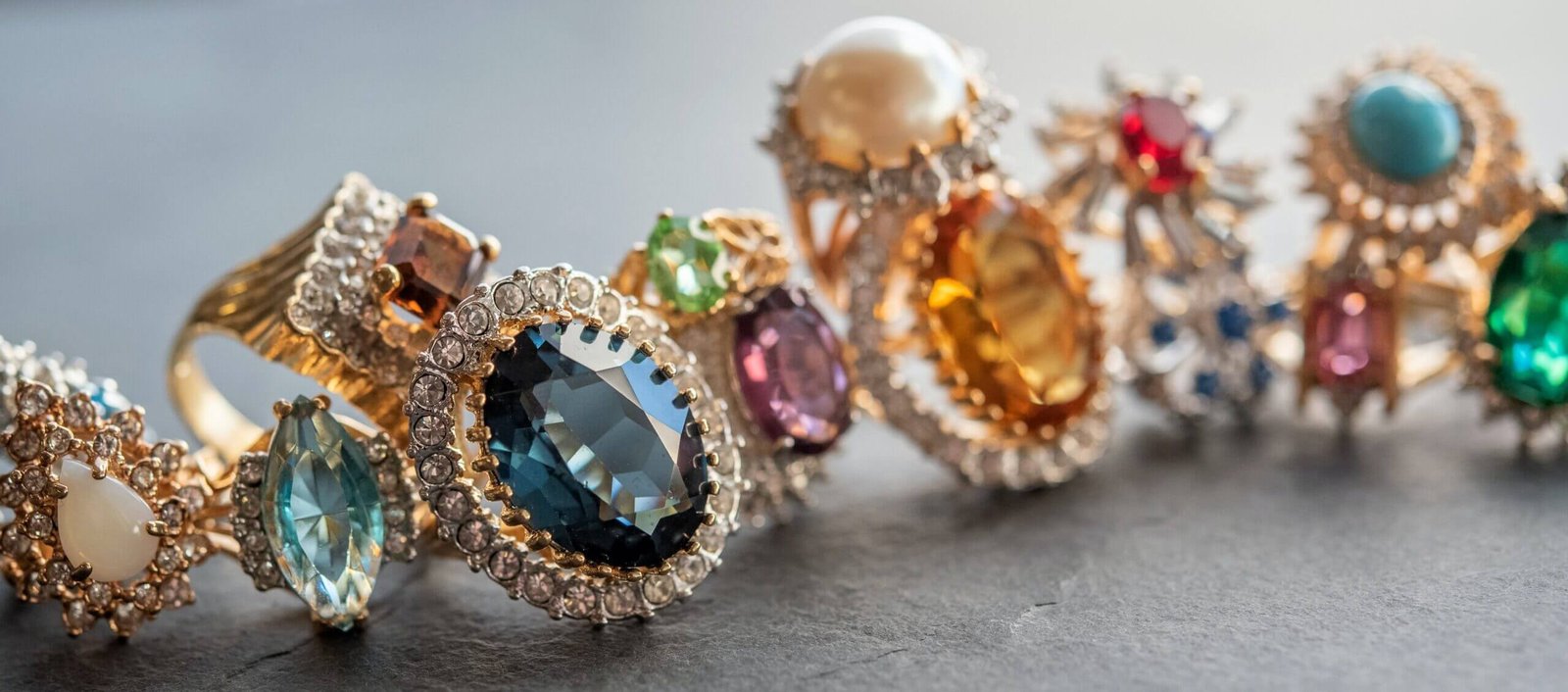
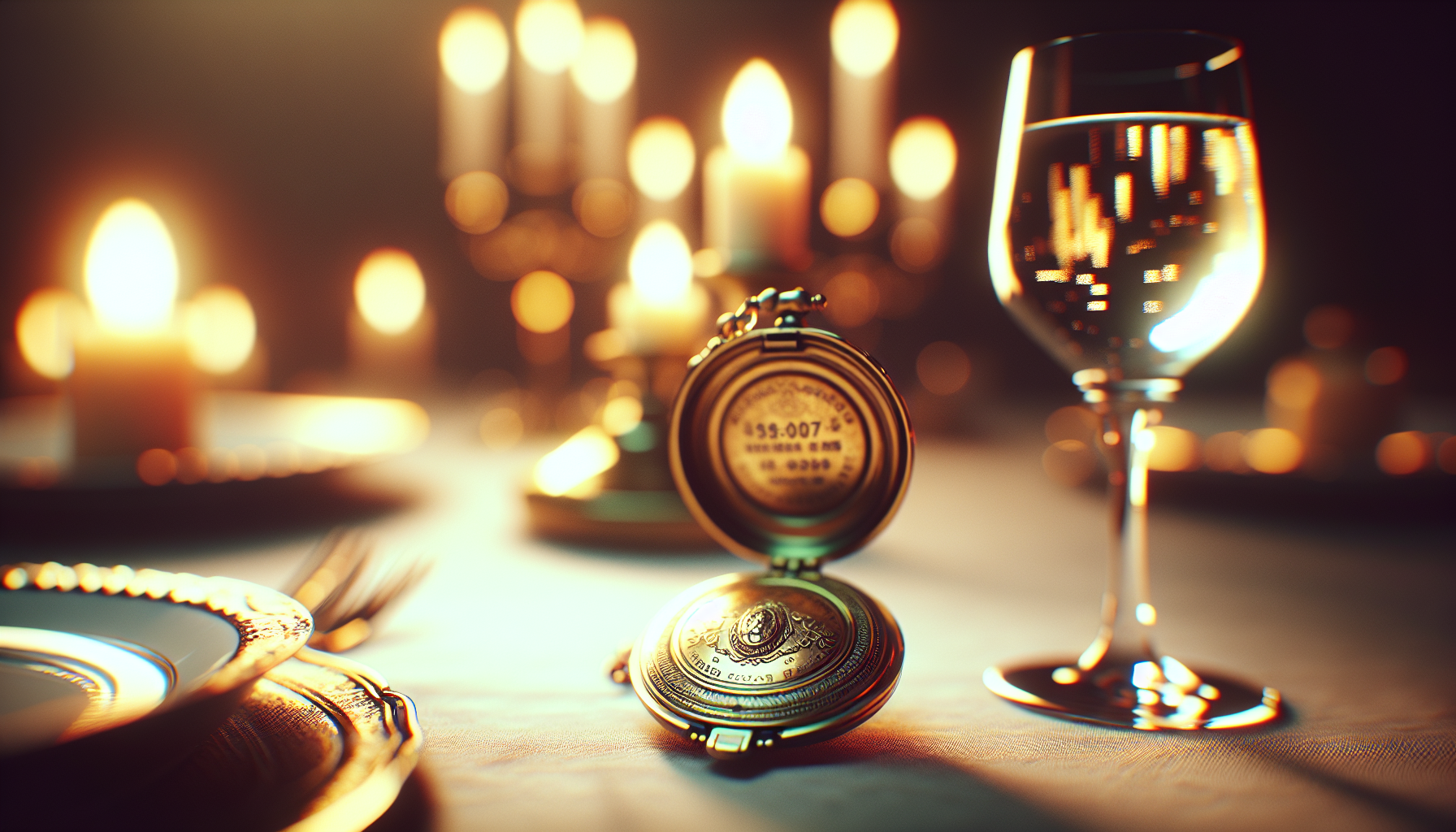
? Have you ever found yourself inventing a slightly more glamorous origin story for a necklace while everyone at the table innocently sips their wine?

Jewelry and the Compulsive Lie You Tell at Every Dinner Party
You think the lie is small, harmless, like adding a pinch of salt to a recipe; it makes the evening taste better. You tell it with the same confident lift of the chin you reserve for pretending the bathroom downstairs is a powder room you designed yourself.
The Lie: What It Sounds Like and Why You Repeat It
You claim the brooch was a flea-market miracle; you say the earrings belonged to an eccentric aunt who used to host salons; you insist the cuff bracelet is “vintage.” Your voice drops to a conspiratorial whisper as if provenance is a gossip worth trading and you are the keeper of a secret.
Why You Tell It: Social Comfort and Small Theatrics
You tell it because storytelling softens awkwardness and your jewelry becomes another prop in the scene you curate for company. Your embellishment works as social lubrication: you avoid the silence after someone asks where you acquired the piece, and you sidestep a deeper question about why you buy what you buy.
Dinner Party Rituals and Jewelry: The Performance Begins
You bring jewelry into the conversation the way someone brings out a cheese plate—because it is both edible and decorative, and people will gather around it. When the room tilts toward silence, you tuck a shard of story into that pause and watch as it settles pleasantly over the table.
Jewelry Basics: Metals, Gems, and Common Terms
You should know the language of jewelry if you plan to talk about it credibly, even if you occasionally invent stories about its origins. Knowing just a few terms can make your little dinner-table tales sound convincing and keep you out of accidental embarrassment.
Metals: Gold, Silver, Platinum, and Alternatives
You know gold is not only pretty but malleable, and that platinum is dense and often pricier because it’s heavier. You understand that silver tarnishes, brass can green, and that vermeil means gold over silver—useful words to toss into conversation when you want to sound informed.
| Metal | Durability | Tarnish | Hypoallergenic | Care Tips |
|---|---|---|---|---|
| 18K Gold | High | Low | Usually | Wipe with soft cloth; store separately |
| 14K Gold | High | Low | Usually | Periodic cleaning; avoid chlorine |
| Platinum | Very High | None | Yes | Gentle soap; professional polishing as needed |
| Sterling Silver | Medium | Yes | Sometimes | Anti-tarnish cloth; store in airtight bag |
| Brass/Bronze | Medium | Yes (patina) | Sometimes | Mild soap; can be lacquered |
Gemstones: Diamonds, Sapphires, Pearls, and Colored Gems
You talk about gemstones as if they’re characters in a novel: diamond is the hero, sapphire is the calm confidante, ruby is the temperamental lover, and pearls are the theatrical old-school aunt. If you mention the Mohs hardness scale, people will nod like they were told to do so at an opera.
| Gemstone | Hardness (Mohs) | Care Notes | Typical Uses |
|---|---|---|---|
| Diamond | 10 | Clean with warm water & mild soap | Engagement rings, studs |
| Sapphire | 9 | Safe for most daily wear | Rings, pendants |
| Ruby | 9 | Similar care to sapphires | Statement rings |
| Pearl | 2.5–4.5 | Avoid chemicals and water immersion | Necklaces, delicate earrings |
| Emerald | 7.5–8 | Often treated; avoid steam | Rings, carefully worn pieces |
Clasps, Hallmarks, and Settings: Small Things That Suggest Legitimacy
You find that using words like “lobster clasp,” “hallmarked,” or “prong setting” gives your anecdotes a texture of truth. Even if the story of the piece is fabricated, these tiny factual touches make your tale feel like it could have been true.
Caring for Jewelry: Practical Tips You Can Quietly Use
You don’t have to live in a vault to keep your jewelry lovely; simple habits will protect pieces better than expensive solutions. A few minutes of care after a night out keeps those baubles performing their supporting roles in many future stories.
Daily Care: Habits That Make a Big Difference
You should avoid sleeping in jewelry, swimming with it, or wearing precious items when you cook with lemon or bleach. You’ll find that removing your rings before washing dishes or applying lotion preserves stones and metal.
Storage: Organization and Peace of Mind
You store pieces separately to prevent scratches and tangling, and you keep sensitive pieces like pearls in soft cloth pouches. A small, compartmentalized box will do more to save relationships between delicate chains than any other single act.
Cleaning: At-Home Techniques and When to Seek a Professional
You can clean most gold and diamonds with warm water and mild dish soap, a soft brush, and a microfiber cloth. For softer or porous stones—pearls, opals, turquoise—professional cleaning and careful spot-cleaning are safer.
| Item | Home Cleaning | Professional Needed When |
|---|---|---|
| Gold & Diamonds | Soap + soft brush | Every few years for inspection |
| Pearls | Soft damp cloth | If string is frayed or color fades |
| Silver | Anti-tarnish cloth or mild cleaner | For intricate antique pieces |
| Gemstones like opal | Dampen cloth only | For chips, re-gluing settings |
Buying and Selling: How to Choose, What to Ask, and What to Avoid
You’ll make better purchases if you approach jewelry like a combination of thrift shopping and archaeology: you look for signs, provenance, and a sense of what the piece has seen. Whether you buy new, custom, or secondhand, a few questions will prevent buyer’s remorse.
Setting Your Budget: Aspirations vs. Reality
You set a budget before you fall in love; otherwise, romance will cost you more than you intended. You also decide if the piece is an investment, a seasonal trend, or a sentimental buy—each category comes with different price expectations.
Certification and Appraisals: The Documents You Should Ask For
You ask for certificates for diamonds and high-value gems and an independent appraisal for insurance purposes. If a seller balks at documentation, that’s a red flag, unless the seller is charming and elderly and has other redeeming features like an impressive tea tray.
Secondhand Market and Estate Buying: Scavenging With Style
You learn to love estate sales and vintage shops because they offer history and unpredictability at reasonable price points. You still check for hallmarks and repairs; a makeup of mismatched stones under the table is less romantic when illuminated by a guest’s phone flashlight.
Investment vs. Fashion: What You’re Really Buying
You decide whether you want liquidity (sellability) or story (aesthetic pleasure). Investment pieces often prioritize classic metals and gems; fashion buys let you experiment without financial guilt.
Ethics and Sourcing: The Questions You Whisper to Yourself at Night
You should be aware that behind many shiny stones and gleaming metals are complex supply chains with human consequences. Asking about sourcing, fair labor, and recycled materials doesn’t make you a killjoy; it makes you responsible.
Mined vs. Lab-Grown: The Tradeoffs
You consider lab-grown diamonds for cost-effectiveness and ethical clarity, while some traditionalists still prefer mined stones for their natural origin. Both have environmental and social implications that are worth weighing.
Fair Trade and Artisanal Programs: Real Efforts and Marketing Claims
You recognize programs that support artisanal miners and transparent supply chains as positive, but you also know marketing can spin noble-sounding phrases into thin air. You do your research, and when possible, you buy from brands that publish traceability reports.
Recycling and Vintage: Ethical Choices That Also Look Good
You buy recycled gold and vintage pieces not only because they can be ethical choices, but because they come equipped with a narrative. It’s satisfying when your jewelry’s story is both true and flattering.
Styling and Wearing: Make It Feel Like You
You find that how you wear jewelry signals intent—are you quiet, theatrical, careful, or loud? The same piece can look different depending on whether you pair it with a linen shirt or a sequined dress; your choices narrate your mood.
Layering: The Art of Looking Casual and Intentional at Once
You layer necklaces starting with the shortest and work outward to avoid tangles; you mix metal tones confidently if you already have a foundation of simple pieces. Layering allows you to create a daytime persona and an evening persona without changing your skin.
Statement vs. Minimal: When to Be Quiet or Be Loud
You reserve statement pieces for when you want everyone to take a small step backward and say, “Oh.” Minimal pieces are for days you prefer people to notice you and not your jewelry. Both have their place, and the right choice depends on how talkative you plan to be.
Matching to Outfit and Occasion: A Simple Rule of Thumb
You match the formality of your jewelry to the event—save glittering necklaces for evening and tasteful studs for work. If you’re uncertain, favor subtlety: a modest, well-chosen piece will never harm your reputation.
The Performance of Honesty: An Anecdote You Know Too Well
You are at a dinner party where someone asks, with the most harmless curiosity, “Where did you get that?” Your instinct is the same as it is every time: to manufacture a story that garnishes the truth with glamour.
You tell them the earrings were from a tiny Paris atelier you “fell into” on a rainy afternoon while you were searching for a map your grandmother used to own. The truth is that you bought them online on a Tuesday at 2 a.m. because they were on sale and the website promised “limited quantities.” The room leans in—there’s an audible intake of breath that smells faintly of truffle oil—and suddenly you’re no longer a guest who brought wine; you are a protagonist of foreign intrigue.
You continue the narrative because you can feel people enjoying the tale, and you enjoy being the center of that enjoyment. You add that the owner of the atelier insisted on wrapping them in an old theater program and that a cat knocked over a stack of postcards while you were paying. These details are indulgent and unnecessary, yet they make the story feel lived-in.
At the end of the night, someone tells the story back to you in the foyer as if it were a fairy tale. You smile and let the myth stand because the truth—quiet, unremarkable, and delivered by a credit card—is unromantic. You rationalize the lie as kindness: it made the evening better, it gave people something to talk about, and no one was hurt.
The Moment You Almost Confess, and Don’t
You consider confessing once, as an experiment in absolution, but the confession feels like peeling away special effects after a play. You imagine everyone whispering, “She was online?” and the magic dissolving. So you let the lie ride out like a coat on the back of a chair.
What Happens When the Lie Gains Independence
You notice the lie takes on a life of its own: someone retells it later, adds a detail you never used, and the story grows. It becomes an urban legend within your friend group. You watch it blossom and think, not for the first time, that stories have a way of escaping their authors.
How to Stop (or Manage) the Lie Without Becoming Monastic
You don’t have to purge your life of storytelling, but you can steer it toward honesty without stripping it of charm. A few small adjustments will let you keep your reputation and spare your friends the theatrical baggage of fabricated histories.
Scripts That Feel True but Still Charming
You rehearse a few half-truths that allow you to be interesting without inventing an atelier. “I picked these up at a market in town” or “They were a lucky find” are truthful, vague, and atmospheric. You’ll find they satisfy people’s curiosity while keeping you out of elaborate storytelling.
Pivoting Techniques: When You Want to Change the Subject Gracefully
You prepare a pivot question to hand the conversation back to someone else: “Do you have a favorite travel find?” or “What about you—any pieces with a history?” You’ll notice that people like to tell stories almost as much as you do, and they’ll take the bait.
Embracing Confession as a Conversation Starter
You try a confession once: “I actually bought these online, and I made up a story.” People laugh. They confess similar minor fabrications. You experience a warm sense of community from shared truth. Honesty doesn’t ruin the romance; it often makes the dinner more human.
What Jewelry Says About You (and Why That’s Okay)
You realize jewelry is shorthand for identity: the pieces you wear say something about the life you imagine. That’s not deceit—it’s costume design for your daily narrative.
Jewelry as Identity and Aspirational Storytelling
You wear certain pieces because they’re a promise to yourself about who you’d like to be—elegant, adventurous, tasteful, or rebellious. Sometimes you are paying rent on an identity you hope to one day inhabit fully.
How to Align Your Jewelry with Your Values
You can choose pieces that reflect ethical choices, quality over quantity, and a clearer provenance that you won’t feel the need to fictionalize. Aligning your purchases with your values makes your stories easier to tell and harder to embellish.
Practical Checklist: Things to Ask before You Tell a Tale
You use a small mental checklist that keeps you from spinning extravagant yarns and helps you buy better pieces from the start. This clarity reduces the urge to fabricate.
| Question | Why It Helps |
|---|---|
| Is there documentation or a certificate? | Prevents being tripped up by details later. |
| Can I afford this without regret? | Avoids financial stress and the need to justify purchases. |
| Is this aligned with my style? | Reduces buyer’s remorse and future story-building. |
| Is the seller transparent about sourcing? | Helps keep your conscience light and your anecdotes honest. |

A Few Practical How-Tos: Repair, Insurance, and Restringing
You keep an eye on the pragmatic side of ownership: you repair rather than replace, insure the really valuable pieces, and restring pearls every few years. These acts are quietly adult and make future stories less fraught.
Repair Versus Replace
You weigh repair when a piece is sentimental or truly special; often repair costs less than replacing and keeps the story intact. You ask a trusted jeweler for an estimate before deciding because surprise expenses ruin both wallets and moods.
Insurance and Appraisals
You insure pieces worth a significant portion of your savings; an appraisal documents value for insurers. If you’re careless about paperwork now, you’ll regret it at the wrong time—like when a ring walks away at an airport security line.
Restringing Pearls and Checking Settings
You restring pearls when the silk looks worn and have prongs checked annually if you wear a ring daily. Small maintenance prevents the big and embarrassing moment when a stone goes missing at a formal event.
Final Thoughts: Truth, Trinkets, and Finding Peace
You accept that stories and embellishments are part of social life, but you also learn the value of small, truthful pleasures. Wear pieces you love and tell stories that aren’t mean; sometimes the smallest true detail is the most luminous.
How to Keep Telling Stories Without Losing Yourself
You continue to tell stories—because storytelling is human—but you choose stories that celebrate rather than deceive. You’ll discover that the best tales are those that return to the truth with a wink.
Closing Advice That’s Not Really Advice
You keep the jewelry you truly love, clean it gently, ask questions when you buy, and steer your dinner-party narratives toward warmth rather than invention. In doing so, you’ll find people like your company for your presence, not the provenance of your baubles—and that is a more lasting sparkle than any crystal.
If you want, the next time someone asks where you got your earrings, you can try a small experiment: tell the truth and watch what happens. You might find the room tilts in toward you anyway.