?Have you ever told your mother a small, well-intentioned untruth about a diamond — and then watched her eyes sparkle anyway?
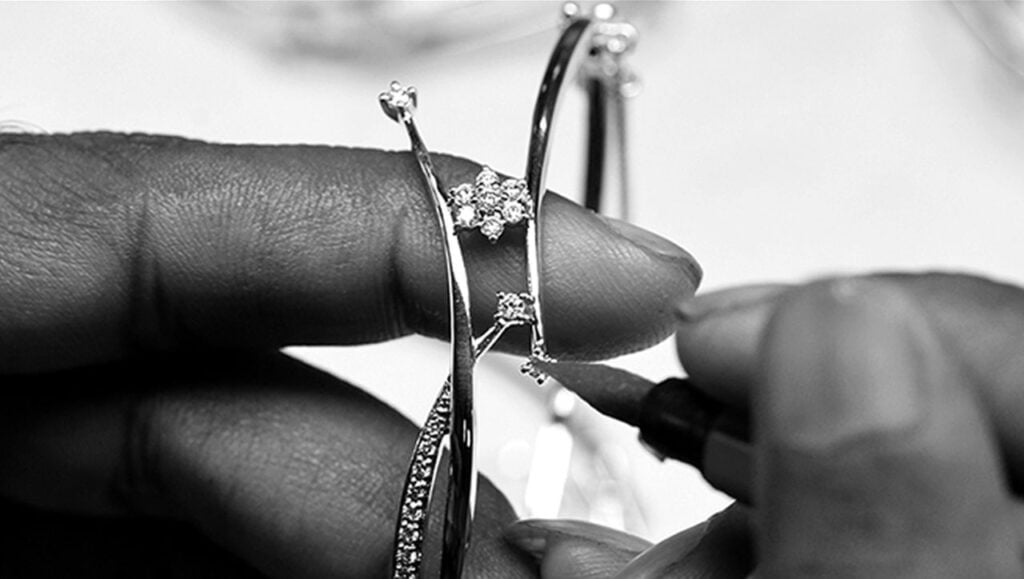
News From a Diamond Dealer and the Tiny Lies We Tell Our Mothers
You’ll read industry news like it’s a ledger: facts, figures, and bullet points. You’ll also recognize the private ledger that sits in your kitchen drawer, the one with receipts, little notes, and the fibs you tell your mother about why that ring “wasn’t expensive.” Both ledgers matter, and both tell stories about value, identity, and the ways you protect people you love.
Why this piece combines trade news with domestic confessions
You’ll find the facts you need to run or understand a jewelry business and the confessions that make you human. You’ll be reminded that the diamond trade, like family life, depends on trust — and on a few small myths that smooth social friction.
The Rapaport Group: What it is and why it matters to you
You probably already know Rapaport as the often-cited authority on diamond pricing. The Rapaport Group is a network of services that support ethical, transparent, and competitive diamond and jewelry markets. If you buy or sell polished diamonds, you live in a world Rapaport helps shape.
Core offerings and how they affect your pricing and inventory decisions
Rapaport publishes the Rapaport Price List, operates RapNet (a major online marketplace), and runs auctions that recycle polished diamonds. These services influence how you price inventory, who your customers are, and whether you can move stones quickly when the market shifts.

RapNet and Rapaport Auctions: marketplaces that move stones — and cash
You’ll use RapNet to list, buy, and trade diamonds; it’s the largest online marketplace for diamonds, gems, and jewelry. Rapaport Auctions is a different animal: an organized way to recycle polished diamonds, often through timed or live sales.
How RapNet membership changes your reach
Being on RapNet means exposure to international buyers and rapid matching with sellers who need the exact specifications you hold. It can reduce the time a stone is on your shelf, but it also exposes you to global competition and pricing pressure.
Why Rapaport Auctions can be a lifeline for inventory
If you have slow-moving stock or need immediate liquidity, auctions can turn inventory into working capital. They also set market signals: what price diamonds actually fetch when they leave controlled retail environments and face open bids.
Rapaport Price List: the benchmark and its limits
The Price List is considered the international benchmark for polished diamond prices. Members subscribe for detailed pricing per size, cut, color, and clarity. But you’ll also understand that a benchmark is not a prophecy — it’s a reference point.
When to rely on the Price List and when to adjust
Use the Price List as a baseline for offers and negotiations. Adjust for local market trends, client profiles, and the emotional value of a stone. You’ll sometimes pay a premium for provenance, brand, or a particularly flattering cut.

Recent headlines that should make you sit up — and perhaps call your accountant
You’ll want a quick digest of recent industry headlines and what they mean for your business. The following table translates selected Rapaport headlines into immediate takeaways.
| Headline | Short summary | What it means for you |
|---|---|---|
| NDC: Average Engagement-Ring Price Tops $7,000 | Engagement ring prices rising; round and oval most popular | Consider stocking popular shapes; monitor demand for higher-priced items |
| Retail US Sales Continue to Rise in January | US retail revenues up slightly month-over-month and year-on-year | Retail customers have slightly more spending power; plan promotions |
| Victoria and Albert Museum Acquires Boucheron Brooch | High-jewelry pieces still capture museum interest | Curate story-driven pieces for clients who value provenance |
| Weak Diamond Market Hits Asian Star Revenue | Company sales down 4% year-on-year | Expect regional volatility; diversify markets |
| Angola Pays $8M to Boost Natural-Diamond Marketing | Significant funding for natural-diamond marketing | Prepare for potential uplift in mined-diamond demand |
| Former GIA Governor George Rossman Dies at 81 | Industry figure remembered for years of service | A moment of industry reflection; possible shifts in educational leadership |
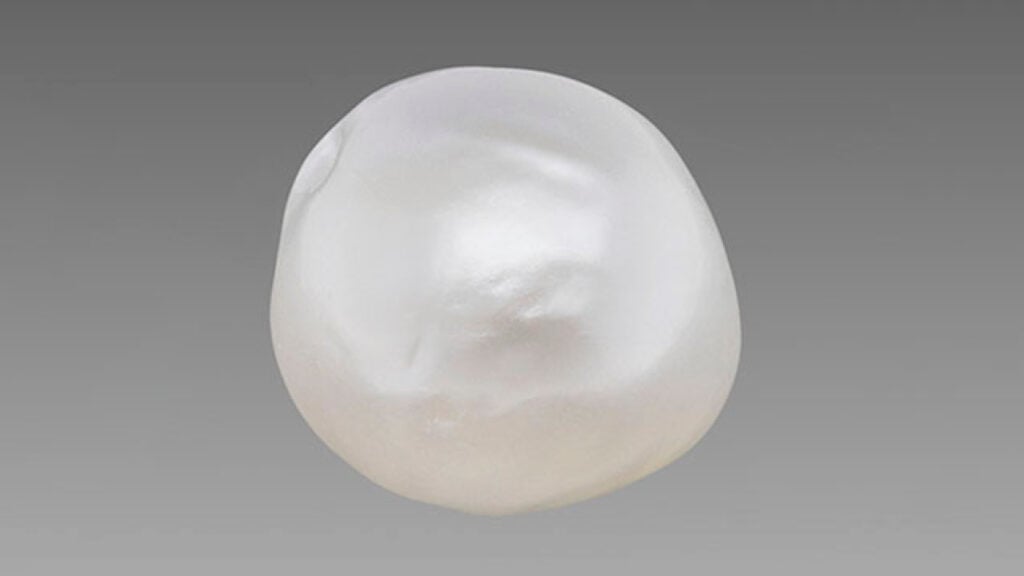
| GIA Identifies an Atypical Saltwater Pearl | Scientific and grading interest in unique gem types | Be ready to educate clients about unusual gem characteristics |
| Bad Bunny, Great Marketing for Natural Diamonds | Pop culture moments can create demand spikes | Use cultural events for timely marketing campaigns |
| Jewelry Revenue Surges at Titan | Festive demand and brand campaigns drive sales | Invest in local marketing during key buying seasons |
How to use this table every week
You’ll print or save a small cheat sheet like this and review it during inventory meetings. It lets you link macro headlines to concrete actions: which shapes to order, when to sell, and what stories to tell customers.
Market context: demand, supply, and the story you tell at the counter
You’ll notice the market moves are not only economic but narrative. Whether it’s a pop star wearing mined diamonds or a country investing in marketing, stories change demand. Your job is both logistical and rhetorical: you move stones and you translate them into meaning for clients.
Demand drivers and the psychology of purchase
Engagement rings topping $7,000 on average signals sentiment: consumers associate certain price ranges with commitment and status. Shape popularity (round and oval) reflects aesthetic trends and resale desirability. You’ll use these signals to recommend pieces that fit both aspiration and practicality.
Supply-side pressures: auctions, inventory, and liquidity needs
Weak markets in certain regions mean diamonds pile up in some inventory pools while others remain scarce. Auctions and platforms like RapNet create liquidity. If you’re holding inventory, you’ll need a plan: rotate stock, promote to new demographics, or auction aging pieces.
Marketing moments: what Bad Bunny and Angola teach you about timing
You’ll learn to watch cultural moments. Bad Bunny’s halftime appearance and Angola’s $8M campaign are reminders that marketing can come from both pop culture and national programs.
Using pop culture effectively without being tacky
You can reference cultural moments to make diamonds feel current. Show a photo of a comparable stone on Instagram, craft an email newsletter about “celebrity-inspired” settings, or host a small in-store event. You’ll keep the tone tasteful so the marketing feels aspirational rather than opportunistic.
Preparing for government-supported campaigns
Angola’s investment in natural-diamond marketing could shift supply-demand dynamics and affect prices. You’ll watch the outcomes and adjust procurement — perhaps favoring natural stones when demand spikes, or diversifying with lab-grown alternatives if supply chain dynamics change.
Ethics, traceability, and the conversation your mother never asked for — but should
You’ll navigate the ethics of sourcing every time you inspect a parcel. The Rapaport Group emphasizes transparency and ethical markets, and you’ll find customers asking more questions about provenance, treatment, and environmental impact.
How to answer tough questions without sounding defensive
Practice a few calm, honest lines: where the stone was sourced, what certifications exist, and what your return policies are. Your mother might not ask, but her subtle moral judgments will be part of family lore, and you’ll want to be proud of your answers.

The tiny lies you tell your mother — why they feel necessary
You’ll recognize these: “It was a discount,” “It was a family heirloom,” “It’s not that expensive.” These small untruths smooth the emotional terrain between you and your mother. They’re social lubricants more than crimes.
A few confessions that sound like David Sedaris — but about diamonds
You’ll laugh at yourself when you recall telling your mother that a ring was “a simple purchase” when in truth it was a careful investment, made after sleepless nights and spreadsheets. You’ll have said the brooch was “just something” and watched her sigh with relief. These tiny deceits tie you to your family’s emotional economy.
Why the lies feel protective rather than malicious
You’ll find most of these lies are aimed at preserving your mother’s sense of well-being, not protecting you. Saying a purchase was cheaper or less lavish helps everyone keep their status quo. In the trade, you do similar things: you soften prices, you sugar-coat negotiations to avoid offense, and you tell clients that the stone will “look larger” on the hand. The small hypocrisies lubricate relationships.
Case studies: when industry news collided with family truths
You’ll learn faster from stories. Here are three case studies where industry developments intersected with personal fibs.
Case study 1: The auction that saved a birthday — and your conscience
You once told your mother you’d returned a ring she didn’t like. In reality you sold it at a Rapaport auction. Prices were soft that week, but you converted dead stock into cash and bought her a simple pendant that made her cry with happiness. You slept better than you expected.
Case study 2: A celebrity surge and a Valentine’s fib
When a pop star flashed a particular oval-cut trend, demand for ovals spiked. Your customer wanted to look like a celebrity but couldn’t afford full retail. You told your mother you’d purchased “an antique” ring at a reduced price and set it aside for a client. The client was pleased; your mother was pleased; and you both agreed that truth, like cut, has many facets.
Case study 3: The provenance conversation that embarrassed you
A client asked about the origin of a stone; your mother later asked the same. You told the client the supplier was fully traceable, and you told your mother a softer version: “It’s ethically sourced.” Later, when a Rapaport report raised new questions about a supplier, you had to tell both the truth and apologize for the shorthand you’d used. You found that honesty, though awkward, prevents bigger lies later.

Practical advice: how to run your business and tell better stories
You’ll find practical steps to integrate the day’s headlines with your daily practices: pricing, inventory management, and client relations. Adopt systems that reduce the temptation to invent or exaggerate.
Inventory checklist tied to current headlines
- Review Rapaport Price List weekly for baseline pricing changes.
- Cross-check slow-moving SKUs with auction schedules.
- Prioritize round and oval stones if your local data reflects the NDC trend.
- Mark any unusual or atypical gems (e.g., an atypical saltwater pearl) for special documentation.
You’ll find this checklist reduces stress and makes your stock conversations more factual and less defensive.
Client conversation scripts that are honest and reassuring
You’ll use short, prepared scripts:
- “This diamond is GIA-graded and registered; here’s the report.”
- “Round and oval shapes sell faster right now; I’ll show you similar cuts that give good value.”
- “If you’d prefer, we can look at lab-grown options with similar looks at a lower price.”
You’ll notice that prepared lines keep you calm and reduce the need for fabrications.
Pricing strategies given current market signals
You’ll balance Rapaport benchmarks with local demand and store positioning. Pricing is both data and narrative: how you present the price matters as much as the number itself.
Margin models you can use this quarter
- Cost-plus: simple and transparent; add a standard markup to landed cost.
- Market-based: price relative to Rapaport and recent auction results.
- Value-based: price higher for pieces with compelling provenance or design stories.
You’ll choose a model that fits your customers; value-based works well for boutique clients, while market-based helps when competing on RapNet.
How Rapaport Research Report and industry analysis help your decisions
You’ll read Rapaport’s news and analysis for trends and to verify anecdotal impressions from customers and suppliers. These reports are your industry mirror — they reflect aggregate behavior and help you hedge risk.
What to pull from industry reports each week
- Pricing trends by size and cut.
- Shifts in popular shapes or settings.
- Regional differences in demand.
- Notable supply concerns (e.g., mining, shipments, sanctions).
You’ll convert these insights into ordering decisions and promotional timing.
Traceability and compliance: the mother-in-law test
You’ll appreciate that compliance isn’t just legal; it’s social. When your mother asks where the diamond came from, she’s really asking, “Do you buy things you can stand behind?” You’ll want to answer with facts.
Documentation to keep on every stone
- Certificate (GIA, IGI, HRD, etc.)
- Supplier invoices and chain-of-custody details
- Any treatments or enhancements noted by lab reports
- RapNet listing history or auction provenance if applicable
You’ll present these confidently to clients and your own relatives.
Communicating price increases and soft markets without panic
You’ll gently explain to clients why prices moved. Use recent headlines to provide context without scaring buyers.
Scripts for the sensitive conversation
- If prices rise: “Prices have adjusted due to recent market demand; this is why this stone may now cost more than similar ones you saw last month.”
- If prices fall: “The market softened recently, which can be a window for buyers like you to get better value.”
You’ll find that transparency builds trust and reduces the need for evasions.
A short glossary you can use when your mother asks questions
You’ll be grateful for a shortlist you can recite to family members who don’t speak industry. Use this as a cheat sheet for both clients and relatives.
| Term | Simple explanation |
|---|---|
| Rapaport Price List | A widely used industry price benchmark for polished diamonds |
| RapNet | An online marketplace where diamonds are listed, bought, and sold |
| Auction | A public sale that can set market prices for specific stones |
| GIA | A leading gemological lab that certifies diamonds and pearls |
| Natural vs lab-grown | Natural stones formed in the earth; lab-grown are created in a lab with similar elements |
| Traceability | Documentation showing where a stone was sourced and how it moved |
You’ll find this glossary useful when translating trade-speak into human terms.
The art of the small truth: how to be candid without causing drama
You’ll learn to tell partial truths that are honest and kind. Instead of saying “It was inexpensive,” say, “I found a good deal I felt comfortable with.” That’s honesty with texture, and your mother will sense it.
Rehearsed phrases that preserve dignity
- “I wanted something special and I saved for it.”
- “I chose what I believed would have meaning for the family.”
- “I researched the certificate and the supplier first.”
You’ll see that these lines reduce defensive flipping and create space for real conversation.
Risk management: what to watch for in the next 12 months
You’ll monitor a few big risks: regional market weakness, changing consumer tastes, supply chain disruptions, and geopolitical influences on mining and trade. Rapaport news items are early warning lights.
Specific indicators to track weekly
- Rapaport Price List volatility for sizes you frequently trade.
- Auction clearance rates and average selling prices.
- Regional sales reports (e.g., US retail upticks, Asian softening).
- Marketing pushes from producing countries.
You’ll use these indicators to hedge purchases and prepare promotions.
Practical checklist: what to do after reading industry news
You’ll do better if you act. Here’s a short checklist you can implement right after reviewing a Rapaport news digest.
- Update pricing for at-risk SKUs.
- Identify three stones to move to auction or Promoted Listings.
- Contact top suppliers to confirm lead times.
- Draft one customer email tying a current headline to a product suggestion.
- Review provenance documents for high-value pieces.
You’ll find these five steps keep you proactive instead of reactive.
Final confessions: why honesty with your mother makes you a better dealer
You’ll find that being candid in small domestic matters builds the same muscles needed for ethical trade: accountability, humility, and the ability to explain value. When you stop inventing comforting stories for family members, you’re better equipped to tell true, compelling stories to buyers.
How small domestic truths translate into better customer service
When you practice clarity at home, it becomes easier to be transparent at the counter. You’ll deliver certificates without flinching, discuss pricing without evasions, and tell provenance stories with real pride. Your customers will trust you — and your mother, when she notices, will nod with quiet approval.
Resources and next steps
You’ll want sources and practical next steps. Subscribe to Rapaport newsletters for daily industry news, monitor RapNet for market activity, and schedule monthly inventory audits. Build a small family-communication ritual so that your mother feels included but not burdened.
Quick list of subscriptions and habits
- Rapaport Newsletters — daily headlines and analysis.
- RapNet membership — market exposure and listing tools.
- Rapaport Price List — weekly review for pricing baseline.
- A monthly “family ledger” — a light conversation with your mother about major purchases, framed with honesty.
You’ll find these habits reduce stress and improve both your business and family life.
Closing thoughts: where your grandmother’s brooch meets modern markets
You’ll remember that diamonds are objects and stories. They carry commerce, culture, and family myths. When industry news tells you how markets move, and when you tell your mother why you bought a certain stone, both acts are about crafting meaning. If you keep your facts tidy and your compassion intact, you’ll do right by customers and relatives alike.
A final note on style and truth
You’ll probably not adopt every Sedaris aside about family dinner, but you’ll take the spirit: people are complicated, trade is human, and stories matter. Tell the truth when it counts. Tell the small, kind untruths seldom. And when your mother asks whether you paid too much, smile, offer the certificate, and say, “I bought something lovely,” which is both true and elegantly minimal.