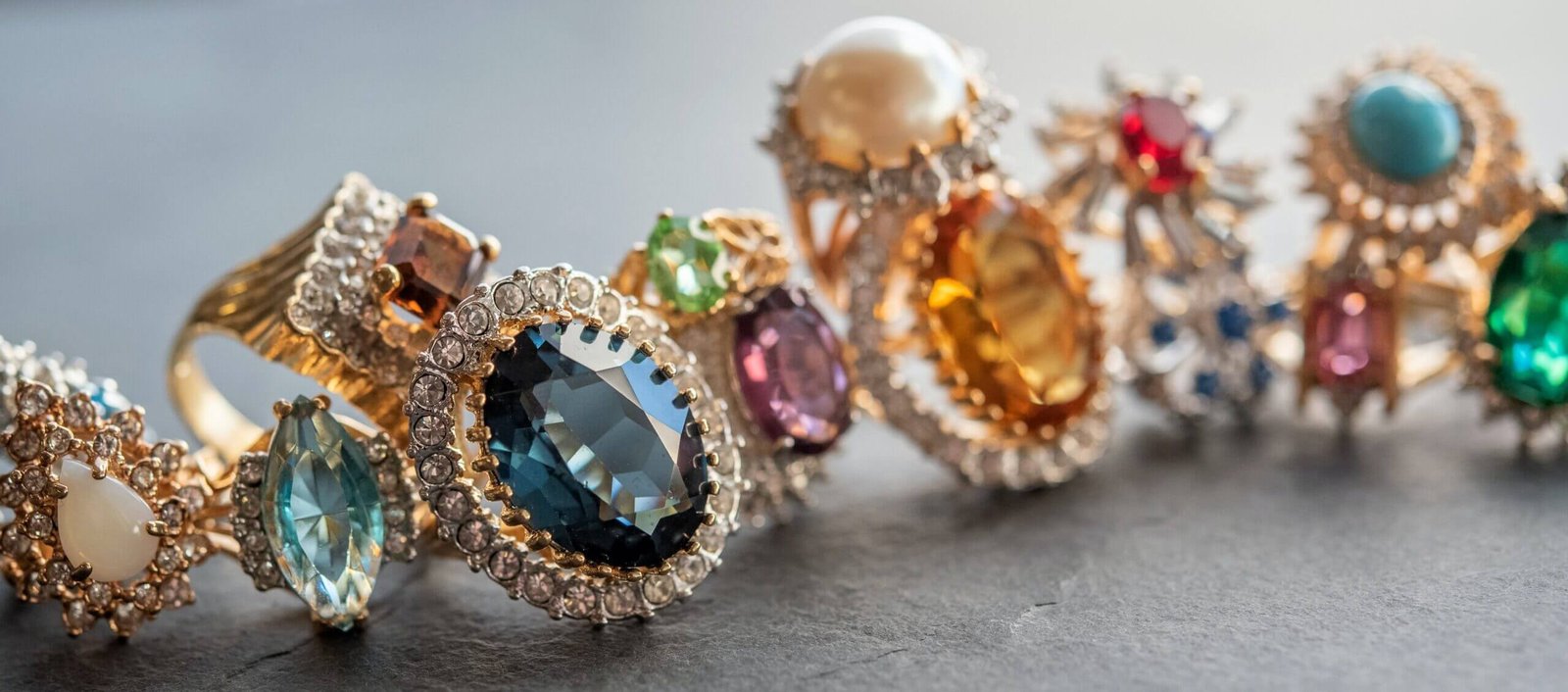
Have you ever opened a velvet box and felt guilty before you even saw what was inside?

Pearls and Other Family Secrets I Pretend Not to Inherit
You will find, if you inherit jewelry, that the objects themselves are only half the inheritance. The rest is an archaeological dig of small betrayals, inexplicable receipts, and the faint perfume of people who once thought a brooch could solve everything.
A confession that may reassure you
You are not unusual if you have mixed feelings about family heirlooms; many people treat inherited jewelry like a relative who asks too many questions at dinner. It might be easier to say nothing and put a necklace into a drawer, but avoiding the conversation rarely makes the inheritance lighter.
Why pearls carry more than their weight
Pearls are odd among gems because they came into being inside a living creature, which gives them an uncanny air of intimacy. When you hold a pearl, you are touching a process that involved timing, irritation, and a wildly indifferent mollusk — and your grandmother’s name is now attached to that narrative.
Emotional freight versus market value
You will notice quickly that value splits into two parallel universes: emotional worth and market appraisal. One might make you cry, the other will make you reach for your phone and search “how much is a pearl worth.”

The pearl primer: types and characteristics
Before you can make decisions, you should know what you actually have. Pearls vary wildly in origin, appearance, and value, so a quick primer will save you from assuming every round white bead is an heirloom.
Quick taxonomy of common pearls
You can expect to encounter Akoya, Freshwater, Tahitian, and South Sea pearls most often, though baroque shapes and modern hybrids will complicate matters. Each has distinct size ranges, colors, and customary uses in jewelry.
| Pearl Type | Typical Size | Common Colors | Luster & Surface | Typical Price Range (general) |
|---|---|---|---|---|
| Akoya | 6–9 mm | White, cream | High luster, usually round | Moderate |
| Freshwater | 4–8 mm (can be larger) | White, pink, lavender | Variable luster, often baroque | Low–Moderate |
| Tahitian | 8–16 mm | Black, grey, peacock | Strong luster, dark overtones | Moderate–High |
| South Sea | 9–16+ mm | White, silver, gold | Silky luster, large sizes | High–Very High |
| Natural (untreated) | Variable | Natural shades | Rare, uneven | Very High |
You will notice the table is not a guarantee, only a roadmap. Market nuances, treatments, and provenance will always nudge the final value one way or another.
How to identify whether the pearls are real
If you want to avoid a family scandal, you should learn a few basic tests you can do without sounding like a convict interrogating a piece of jewelry. Most tests are simple, reversible, and polite enough to perform at a dining table.
Simple home checks you can perform
You will feel tempted to bite the pearls. The “tooth test” — gently rubbing a pearl against your front teeth to detect a slightly gritty surface — works, but is tacky and risks damage. Instead, check the drill holes for nacre layering, inspect the surface for imperfections (real pearls are rarely perfect), and compare weight — real pearls are usually heavier than plastics.
When to stop poking and get an expert
If there’s any doubt about authenticity or value, you should stop improvising and seek a professional appraisal. An accredited gemologist can run luster, X-ray, and UV tests and will tell you what you paid for your mistakes, in the kindest way possible.

Care and custody: preserving pearls and jewelry
Pearls are finicky; they resent perfumes, hairspray, and aggressive relatives with a penchant for harsh cleaning. You will get more life out of pearls if you treat them like fragile, slightly temperamental pets.
Daily handling and storage
You will keep pearls away from chemicals, cosmetics, and direct sunlight. Store them flat in a fabric-lined box to protect soft surfaces and avoid chains that might scratch the nacre.
Cleaning and maintenance basics
You should clean pearls gently with a soft, damp cloth after wearing them to remove oils and sweat. Avoid ultrasonic cleaners and harsh detergents; instead, use a mild soap solution when necessary and have strings restrung every few years if you wear a strand frequently.
| Task | Frequency | Notes |
|---|---|---|
| Wipe after wear | Every use | Removes oils; quick and effective |
| Professional restringing | Every 1–3 years (if worn often) | Knots protect against loss if the string breaks |
| Deep clean by pro | As needed | Avoid home ultrasonic cleaners |
| Inspection for damage | Annually | Look for weak clasps and worn settings |
You will find owning pearls is similar to owning a secret: it requires vigilance and occasional honest conversation about whether it still fits your life.
Valuation, appraisals, and the art of letting go
Deciding whether to keep or sell a piece is both a financial and psychological exercise. You will find that paperwork — receipts, appraisals, and photos — countries of provenance, and the story attached to the piece all affect its monetary and sentimental value.
How appraisals work and what they mean
You should get an appraisal from a certified gemologist if you need insurance or if you consider selling. An appraisal gives replacement value and market value, two different things; replacement tells you what it would cost to buy a similar item, while market value tells you what you might get if you sold it today.
When to get multiple opinions
You will benefit from multiple appraisals if the piece is unusual, has conflicting documentation, or you suspect it might be worth significantly more than your first estimate. Multiple voices in valuation reduce the risk of being persuaded by charm or the salesperson with the neat pen.
Selling, consigning, or redesigning: your options
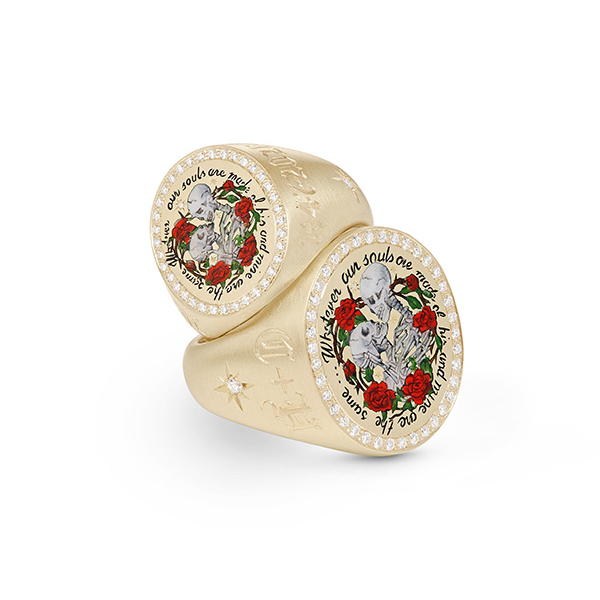
When you inherit jewelry, you have choices, and you should treat every option like a conversation in which you slowly reveal what you want. You may want cash, a new design, or to sleep with fewer reminders under your pillow.
Selling options and what to expect
You can sell to a local jeweler, use a consignment shop, try an auction house, or list privately. Each method has trade-offs in speed, fees, and final price; auctions can fetch higher amounts for rare items, consignment spreads payments over time, and local buyers give immediate cash.
| Selling Method | Speed | Typical Fees | Best for |
|---|---|---|---|
| Local jeweler | Fast | Lower than auction | Quick sale, fair price |
| Consignment | Medium | Commission (20–50%) | Unique items, boutique buyers |
| Auction house | Slow | Buyer’s premium + seller commissions | High-value, rare pieces |
| Private sale | Variable | Negotiated | Personal connections, control |
You will find that patience can convert jewelry into a better price, if you have the emotional stamina to wait.
Redesigning heirlooms without losing the story
You might want to modernize a ring or re-string a pearl necklace so you’ll actually wear it. You should photograph the original first, then work with a jeweler who respects provenance and will repurpose rather than erase family history.
Provenance, paperwork, and the secrets they reveal
Behind many pieces lies a folder with receipts, clumsy handwriting, and receipts written in languages you pretend to read. Those scraps of paper often quiet arguments and answer oddly specific questions like whether a brooch was bought in 1963 or 1973.
Why provenance matters to you
You will find provenance can elevate an object from sentimental to historically significant, affecting both insurance cost and market interest. Provenance can also reveal family secrets: a receipt from a distant jeweler, a letter tucked in the lining, or a jeweler’s note about a stone’s origin.
How to assemble a provenance file
You should photograph every angle of the piece, keep receipts, appraisals, and any stories in writing, and ask older family members for details while they can still remember them. A tidy file will prove invaluable if you ever want to insure, sell, or tell a less dramatic lie about its origin.

Baroque pearls and modern trends
Fashion has made pearls rebellious; they are no longer just reserved for funerals and debutante balls. You will see baroque shapes, colorful coatings, and mixed-media designs that demand attention, and the market has responded with creative energy.
Why baroque pearls are appealing now
You might like baroque pearls because they appear honest and accidental, the way a story sounds when a relative is telling it and cannot stop. Their irregularity makes them wearable in ways perfectly round Akoyas never were: chunky necklaces, mismatched earrings, and sculptural rings.
Market note: what collectors want
You should know collectors look for rarity, provenance, and condition; trend-driven pieces often sell well to fashion buyers but less so to purists. If you are selling, identify whether your piece will attract a fashion house, a collector, or an Instagram moment.
Ethical and environmental considerations
You may not think of oysters when you discuss ethical sourcing, but pearl farming can be both sustainable and exploitative. As a buyer or heir, you should consider how the piece was produced and whether the people and places behind it were treated well.
What responsible pearl farming looks like
You will find responsible farms prioritize water quality, fair labor practices, and traceability. Certifications and the reputation of the farm or supplier can be a guide, though the field is not as standardized as it is for other gems.
How to ask about origins without sounding accusatory
You should practice a few neutral questions: “Where did this come from?” and “Do you know if the farmer or source has a certification?” These are normal queries that don’t require you to accuse anyone of ancestral sins.
Family secrets pearls are good at hiding
Pearls, like envelopes, are often used to hide fortunes, letters, and awkward relationships. You will discover forgotten rings that belonged to a neighbor, a strand perhaps purchased on a Mediterranean holiday that never happened, or a locket with a second photograph pressed inside.
Typical surprises you’ll find in jewelry boxes
You will uncover receipts from different cities, mismatched sets, and evidence that an item was repaired multiple times by hands you once trusted. Sometimes you’ll find small notes, locks of hair, or a tiny key that leads to another story entirely.
Handling the emotional fallout
You should prepare for the possibility that a piece triggers family gossip, legal questions, or the sudden recall of stories you had not wanted to hear again. Keep your responses measured: you can be curious without being combative, and you can ask for time before making decisions.
Legal considerations around inherited jewelry
Inheritance laws vary, and family expectations can collide with legal reality in ways that make you grateful for paperwork. If you suspect a contested item or if jewelry is part of a larger estate, you should seek legal advice sooner rather than later.
Steps to protect yourself legally
You will want to document how the item came to you, especially if there are wills, estate plans, or multiple heirs. Get written agreements for gifts, appraisals for tax purposes, and legal counsel for contested inheritances.
Taxes, estates, and appraisals
You should know that estate taxes and capital gains rules might apply, depending on jurisdiction and how you dispose of the jewelry. Appraisals help establish value for tax and insurance purposes and can prevent future disputes from becoming melodramatic.
When you should insure inherited jewelry
Insurance is a dry but necessary form of devotion that proves you care enough to spend money in case a catastrophe occurs. You will sleep better with a policy that recognizes both monetary and sentimental value.
Choosing coverage and documentation
You should get a current appraisal and photographs before you buy insurance to ensure the policy matches the piece’s value. Decide between homeowner’s coverage (which might not cover full value) and a dedicated jewelry policy that offers scheduled coverage.
Practical steps to protect physical pieces
You will store high-value items in a safe deposit box or high-quality safe when not wearing them, and keep backup photos and appraisals in a secure cloud location. This makes claims simpler and reduces the chances that your grandmother’s pearls will turn into yet another family mystery.
Practical checklists for inheriting jewelry
You will feel more in control if you follow a checklist when a piece arrives in your care. Simple steps reduce second-guessing and the late-night compulsive Googling that follows every unlabeled box.
Immediate actions checklist
- Photograph the item from multiple angles. Take detailed shots of clasps, hallmarks, and any damage.
- Locate any paperwork: receipts, appraisals, letters, and notes.
- Store the piece in a soft-lined box until you decide.
- Get a preliminary opinion from a local jeweler if you plan to insure or sell.
- Ask family members for the backstory while they are present.
You will notice that each step is about gathering information rather than making irrevocable choices.
Longer-term decisions checklist
- Get a full professional appraisal if necessary.
- Decide whether to insure, sell, redesign, or donate.
- Update estate plans to reflect your wishes for the piece.
- Consider digitizing stories and provenance for future generations.
- If you sell, choose the method that aligns with your priorities: time, price, or sentimental closure.
You will find the checklist helps you postpone impulsive choices until you are calm and reasonably caffeinated.
Red flags and what to avoid
You will encounter tricky scenarios: a “pearl” sold at a suspiciously low price, a family member insisting on an oral promise, or a jeweler who answers questions with charm and no specifics. These are red flags; treat them like a persistent cough.
Common scams and pitfalls
You should beware of overly eager buyers, “guaranteed” high values, and pressure to sell immediately. Also be cautious about quick “upgrades” that involve a swap of stones — these sometimes conceal a transfer of value without clear consent.
How to respond if you suspect something is wrong
You will pause, document everything, and seek a second opinion. Consult a certified appraiser, and do not sign anything until you feel certain of the terms.
The art of storytelling with heirloom jewelry
You will find that stories enhance a piece’s value in ways paper cannot match. Framing a narrative — not fabricating, but contextualizing — helps future recipients appreciate the item beyond its material worth.
How to capture and preserve stories
You should ask relatives to record their memories, write them down, and attach the story to the piece’s documentation. A simple voice memo can be more valuable than an extra appraisal page, because it preserves the human angle.
Passing on meaning alongside the metal
When you give, sell, or bequeath a piece, include its story: who wore it, on what awkward occasion, and why it mattered. You will be rewarded with fewer mysteries and more honest laughs at family gatherings.
Conclusion: choosing your inheritance
You will learn that inheriting jewelry is never purely about gems and metal; it is an invitation to join a story you did not write but can edit. You can pretend not to inherit the secrets that come with pearls, but very occasionally you will inherit peace of mind as well — and that is rarer than a flawless natural pearl.
Final practical thought
You should take your time, gather facts, and keep an eye out for any keys, notes, or receipts hidden inside velvet boxes. When the emotional dust settles, you will either wear the piece with a new story attached, or you will let it go in a way that honors both the object and the messier inheritance that came with it.