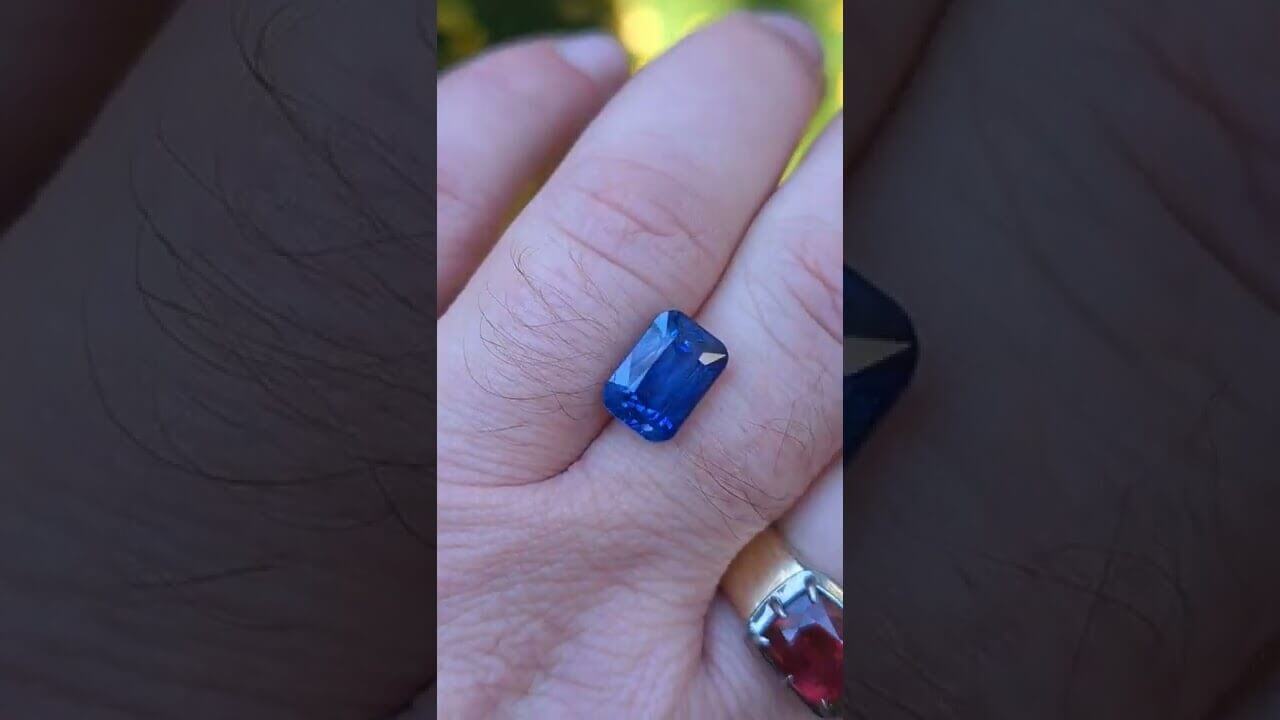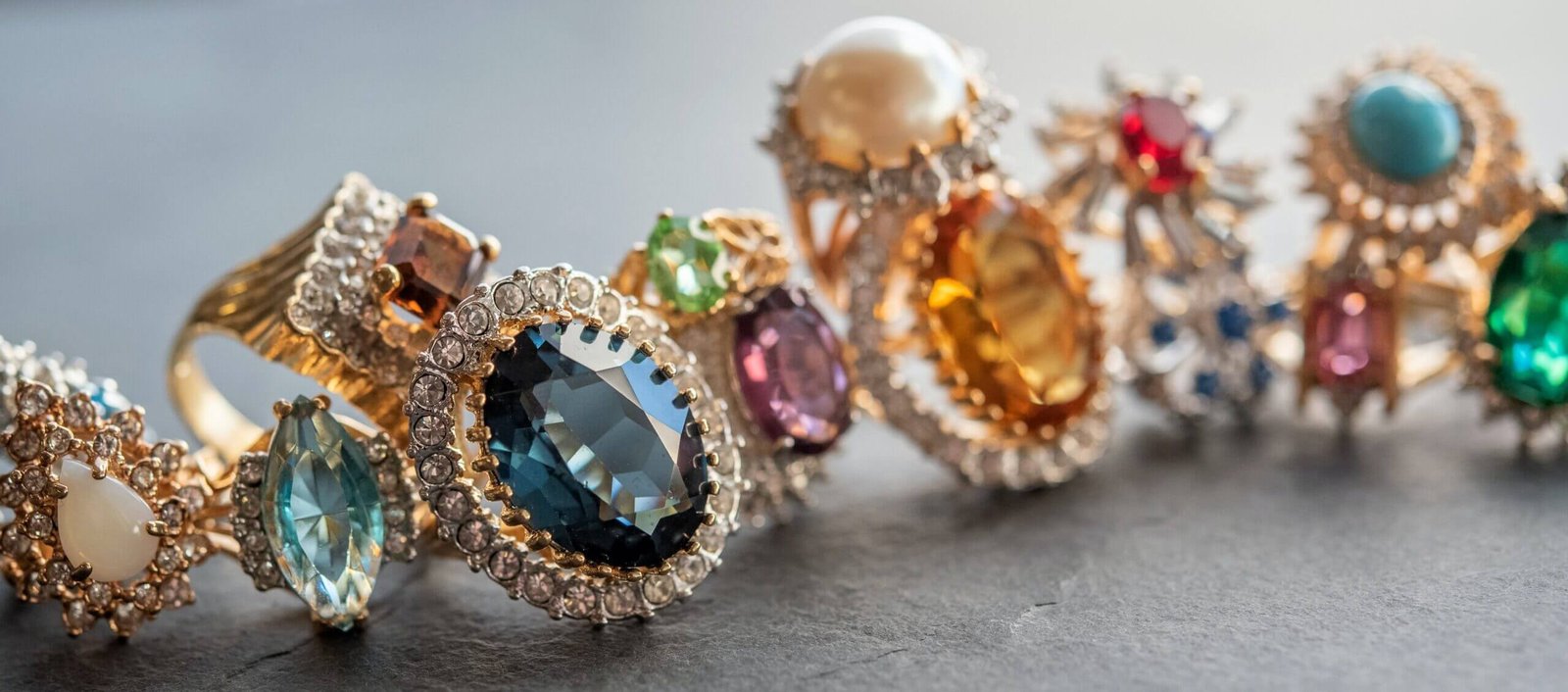
Have you ever held a ruby and felt as if your palm were secretly auditioning for a scene in a very small, very dramatic movie?

What Does Ruby Represent?
You know a ruby when you see one: a jewel that insists it’s wearing a tuxedo to a picnic. But what ruby represents goes beyond its color and sparkle. It stands for passion, courage, and a kind of quiet authority that expects a soft chair and compliments. In this article you’ll get a generous helping of history, symbolism, and practical advice so you can appreciate rubies with more than just a squint and a hopeful wallet.
Why do cultures assign meaning to gems?
Humans love stories, especially about shiny things. You give objects meaning so they can stand in for feelings that are too complicated to describe—like bravery, love, or the weight of regretting your second coffee. Gems are small enough to carry and dramatic enough to anchor a myth. Rubies, in particular, have been coaxed into meaning because their color and rarity make them useful metaphors for blood, fire, and royal temperament.
The Core Symbolism of Ruby
Think of the ruby as a symbol with many hats—sometimes it’s a crown, sometimes a torch, sometimes an unfriendly pigeon. Here’s what ruby commonly represents across contexts.
Passion and Love
You’ll find rubies in the classic “I love you” repertoire because their red reads as love in a font larger than romance novels. The color resonates with heart, sensuality, and desire. If you give someone a ruby, you’re signaling an intention that’s more volcanic than seasonal.
Courage and Strength
Rubies project bravery. Historically, warriors and leaders carried rubies as talismans to embolden them. Today, you might wear one before a nerve-wracking presentation, as if the stone offers moral support—like a tiny coach with no whistle.
Royalty and Power
Rubies have sat in crowns and scepters for centuries, partly because red is showy and partly because rulers liked things that emphasized their status. You don’t arrive at an empire in fleece and a ruby; you arrive in velvet and a ruby.
Protection and Vitality
Some traditions credit rubies with protecting the wearer from harm, boosting life force, and keeping misfortune at bay. You might think of it as emotional insurance: not foolproof, but comforting.
Wealth and Prosperity
Because rubies are rare and valuable, they’ve long symbolized wealth and a proclivity for making tasteful financial decisions—at least in jewelry.
A Brief History of Ruby in Human Culture
If you like traceable origin stories, rubies have plenty. Their globe-trotting journey helps explain why they have so many symbolic layers.
Ancient Civilizations
In ancient Southeast Asia, rubies were traded and treasured long before many modern conveniences. People in Burma (now Myanmar) prized them so highly that kings were said to embed rubies into their flesh to become impervious to harm—a custom you can admire for its commitment, not its hygienic standards.
Medieval Europe
In medieval times, doctors and royals both treated rubies as medicinal or magical aids. Those who believed had interesting bedside manner: a stone might stand in for a more scientifically efficacious treatment, but at least it looked regal.
Asia and India
In Indian traditions, rubies have long been associated with the sun, kingly rule, and celestial favor. They were worn by rulers and considered one of the most precious stones in a courtly setting.
Modern Era
In the Victorian and Edwardian eras, rubies became staples in romantic jewelry, then later increased in symbolic roles as birthstones and anniversary gifts. Today, you can find rubies in everything from minimalist rings for pared-down tastes to show-stopping pieces that require a safe and sympathetic friend to carry them.
Ruby in Myth and Legend
Rubies are dramatic; their myths are dramatic too. You’ll find stories of blood, fire, and bargains with unstable deities. It’s as if the stone were an actor who insists on tragic roles.
Stories of Blood and Life
Because rubies are red, people interpreted them as drops of life, often linked to blood. In certain tales, rubies could stop bleeding or heal wounds: take that, antiseptics.
Fire and Sun Myths
Rubies are sometimes called “the gem of the sun,” connected to vitality and warmth. You might imagine warriors or priests using them to courteously request a brighter day.
Protective Talismans
Various cultures believed rubies warded off danger. This belief was perhaps less about the stone and more about the comfort of thinking you owned something actively working on your behalf.
Ruby in Religious and Spiritual Contexts
Whether you’re prone to ritual or prefer the calming thought of cosmic order, rubies appear frequently in religious symbolism.
Hinduism and Vedic Tradition
In Vedic astrology, rubies are associated with the Sun (Surya) and are thought to improve leadership abilities and public influence. You’ll find recommendations for ruby wearing in astrological charts for specific people whose life charts might benefit from more “sun.”
Buddhism
In some Buddhist traditions, rubies are seen as a symbol of devotion and spiritual growth. They’re less dramatic and more meditative—still fashionable for those who like their symbolism with a side of calm.
Christianity and Western Mysticism
In Western mysticism, rubies sometimes represented Christ’s blood and sacrifice in medieval iconography. It’s a poetic, somber interpretation that matched the era’s aesthetic.
The Color: Why Red Matters
Colors have cultural dictionaries; red’s entry is very conversational. It speaks in loud tones: love, danger, power. Ruby’s specific shade of red—ranging from pinkish to deep crimson—gives it nuanced meanings.
Hue and Emotional Perception
A lighter ruby can feel youthful and affectionate, while a deeper “pigeon blood” ruby feels regal and intense. You’ll notice that your emotional reaction often depends on shade and saturation, like choosing between a rom-com and a melodrama.
Red vs Other Reds
Not all reds behave the same. Rubies have a distinctive warmth and depth that make them less flirty than a poppy red and more composed than a scarlet tantrum.
Types of Rubies and What They Symbolize
Different rubies carry slightly different symbolic baggage. Some are old world and noble; others are modern and accessible.
Burmese Rubies
Burmese rubies, particularly the famed “pigeon blood,” are often associated with the highest level of prestige. If you buy one, you might imagine the ghost of a king nodding in approval.
Thai Rubies
Thai rubies are often darker with a brownish tinge and are associated with resilience and pragmatic beauty. They’re the reliable friend in a wardrobe of show-offs.
African Rubies
African rubies vary, with some exceptionally fine examples carrying connotations of contemporary elegance and growing significance in global trade.
Lab-Grown Rubies
Lab rubies represent modernity and ethics to some people: you get the look without the same price tag or complicated provenance. If you wear one, you’re saying you like convenience and clarity.
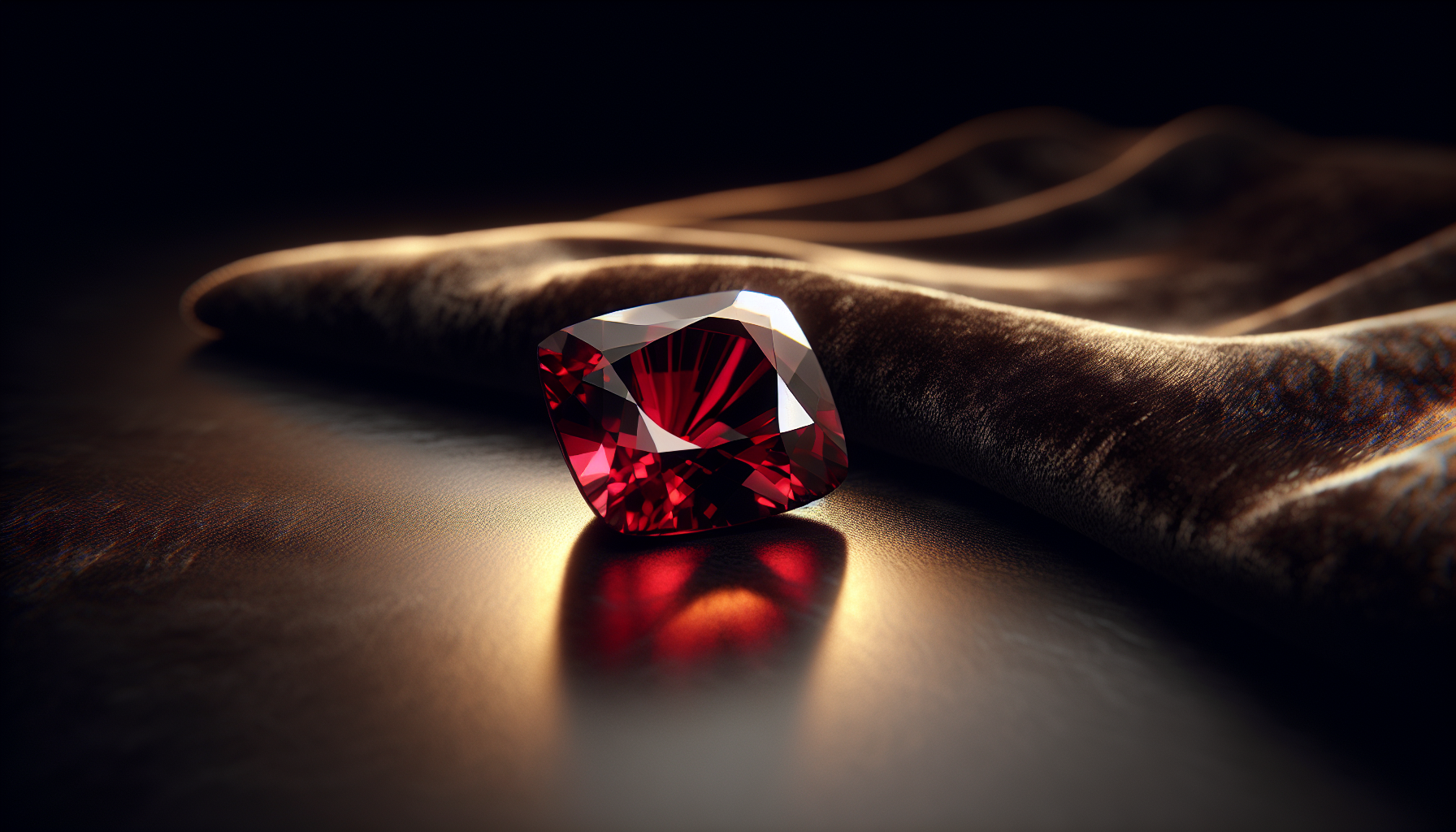

Table: Quick Symbolism Summary
| Symbolic Theme | What It Communicates to You |
|---|---|
| Passion & Love | Intense affection, commitment, desire |
| Courage & Strength | Internal fortitude, boldness |
| Royalty & Power | Status, leadership, dignity |
| Protection | Safety, warding off misfortune |
| Vitality & Energy | Life force, enthusiasm, activity |
| Wealth & Success | Financial stability, prosperity |
Ruby as a Birthstone and Anniversary Gem
If you were born in July, ruby is your birthstone, which is a polite way the universe has of ensuring you receive at least one memorable gift. It’s also traditional for 15th and 40th anniversaries, offering chances to celebrate milestones with some serious sparkle.
July Birthstone
As a July person you’re told the ruby can amplify your passions and bestow good fortune. Whether that happens depends on whether you like literal stones as pep talks.
Anniversary Associations
A ruby for an anniversary signals long-standing passion and commitment—an ideal present if you prefer symbolism that holds up under the strain of life, kids, and questionable DIY projects.
Table: Birthstone & Anniversary Associations
| Occasion | Gemstone | Typical Meaning |
|---|---|---|
| Birth (July) | Ruby | Passion, vitality |
| 15th Anniversary | Ruby | Enduring love |
| 40th Anniversary | Ruby | Deep, mature affection |
Ruby in Astrology and Chakra Work
If you consult astrology or energy systems, rubies have special duties.
Astrology (Vedic and Western Variants)
In Vedic practice, rubies strengthen the Sun’s influence, boosting confidence and leadership. In Western astrology, rubies are sometimes linked to Mars-like passion, although opinions vary. You’ll find your astrologer will either recommend one enthusiastically or approach it with interpretive caution.
Chakra Correspondence
Rubies are often associated with the root and sacral chakras—those centers tied to survival, stability, creativity, and sexuality. If you meditate with a ruby you might visualize warmth at your core, and that visualization may be oddly comforting even if metaphysics isn’t your usual sport.
Caring for Your Ruby: Practical Guidance
If you own a ruby, you’ll want it to look like a red comet rather than a red crusted button. Caring for rubies is straightforward, but respectful.
Cleaning and Maintenance
You can clean most rubies with warm, soapy water and a soft brush. Avoid extreme heat or harsh chemicals. If your ruby is set in a piece with fragile metal or side stones, a professional jeweler’s advice won’t be wasted.
Storage
Store rubies separately so they don’t rub against softer stones. Think of it as giving each gem its own tiny apartment rather than a communal dorm where scratches happen at two in the morning.
Regular Checks
Have your settings checked periodically. A lost ruby is regrettable both financially and emotionally—mourners are welcome.
Table: Care Quick Tips
| Task | What to Do |
|---|---|
| Cleaning | Warm water, mild soap, soft brush |
| Avoid | Harsh chemicals, ultrasonic cleaners if set with fracture-filled rubies |
| Storage | Separate compartments or soft cloth |
| Inspection | Check prongs and settings annually |
Ruby Value: What Determines Price?
If price matters to you (and it likely does), understanding value helps. The main determinants are color, clarity, cut, carat weight, and origin—plus some subjective drama.
Color
Color is king. The most prized rubies have a deep, vivid red with subtle undertones. People will call the best color “pigeon blood,” which sounds whimsical until you learn it’s metaphorical.
Clarity
You want a clean-looking ruby, but unlike diamonds, some inclusions are accepted, even romanticized as “fingerprints of the earth.” Too many inclusions affect brilliance and durability, though.
Cut
A good cut maximizes the stone’s color and sparkle. Rubies don’t need to be perfectly symmetrical to be beautiful, but a skilled cutter can enhance a mediocre piece into something unexpectedly charming.
Carat Weight
Bigger rubies become exponentially more expensive because quality large stones are rare. If you see a massive ruby, suspect both the seller’s optimism and your own.
Origin
Origin adds cachet. Burmese rubies often command a premium due to historical desirability. Provenance can be a conversation starter at parties you may or may not enjoy attending.
Treatments
Many rubies are heat-treated to improve color and clarity. Heat treatment is respected and common; fracture-filling or lead glass treatments are more controversial and can affect value and care.
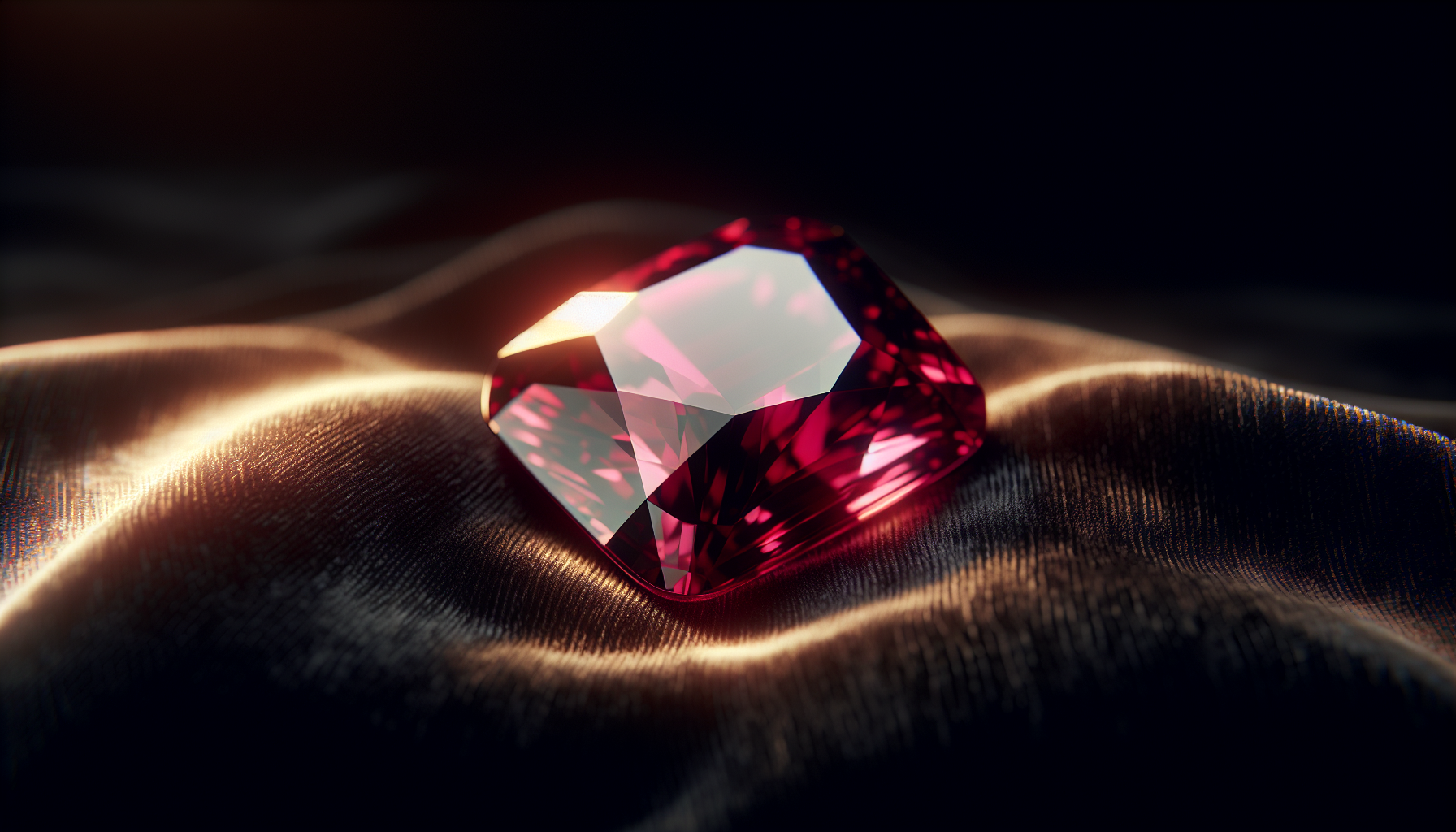
Table: Value Factors at a Glance
| Factor | Why It Matters |
|---|---|
| Color | Primary determinant of beauty and price |
| Clarity | Affects brilliance and durability |
| Cut | Enhances color and sparkle |
| Carat | Size significantly influences price |
| Origin | Historical prestige and desirability |
| Treatment | Influences price and care requirements |
Natural vs Lab-Grown Rubies
This topic can trigger tasteful debates. You’ll find strong opinions on both sides, often delivered with a sigh.
Natural Rubies
Natural rubies are formed under conditions you can’t easily replicate, which makes them rare and often more valuable. They come with geological backstories that are fun to tell on dinner guests.
Lab-Grown Rubies
Lab-grown rubies are chemically and optically the same as natural ones but created in weeks instead of eons. They’re an ethical and affordable alternative, especially if you prioritize looks and budget.
How to Choose
If provenance and natural rarity appeal to you, opt for a natural ruby. If price and ethical concerns dominate, a lab-grown ruby may be your perfect compromise.
Table: Natural vs Lab-Grown Comparison
| Feature | Natural Ruby | Lab-Grown Ruby |
|---|---|---|
| Formation Time | Millions of years | Weeks to months |
| Cost | Generally higher | More affordable |
| Ethical Concerns | Depends on origin | Easier to verify |
| Appearance | Natural inclusions common | Often cleaner for price |
| Resale Value | Typically higher | Lower but improving |
Buying Tips: What You Should Ask and Look For
Shopping for rubies can feel like dating—you’ll want to ask good questions and pay attention to red flags.
Questions to Ask the Seller
- Is the ruby natural or treated?
- What is its origin?
- Is there a certificate from a reputable lab?
- How should I care for this stone?
Asking is not rude; it’s smart. If a seller balks, consider it a sign.
What to Observe
Look at the stone in different light: daylight and indoor light. Check the setting for security and quality. If something seems too good to be true, it probably is—unless it’s a really nice birthday card.
Budgeting
Decide on a budget and prioritize which factors matter most: color, size, origin. You’ll sometimes get more satisfaction from a smaller, superbly colored stone than a larger, murky one.
Ethical and Environmental Considerations
You might have values about where your stones come from. Ruby mining can have environmental and social impacts, so asking about origins is both fashionable and responsible.
Traceability
Ask about the mine, the chain of custody, and certifications that indicate ethical practices. Transparency is increasingly available and increasingly expected by thoughtful consumers.
Alternatives
If ethical concerns trouble you, lab-grown rubies or responsibly sourced stones can give you the look and symbolism without the guilt trip.
Ruby in Contemporary Fashion and Design
Rubies aren’t relics. They move through fashion like well-dressed time travelers.
Everyday Wear
You can wear rubies casually if your lifestyle permits. A small ruby stud or pendant adds a red punctuation mark to your outfit.
Statement Pieces
Bold rubies make excellent statement pieces for events. If you opt for one, you’re choosing drama that arrives punctually and leaves no crumbs.
Mixed Media and Modern Settings
Contemporary designers pair rubies with unusual metals, enamel, or mixed gemstones. If you like surprise, modern designs let ruby mingle with eccentrics.
Famous Rubies and Their Stories
Some rubies have biographies. Knowing their stories can increase your appreciation and provide excellent conversation material.
The Sunrise Ruby
Once one of the priciest rubies ever sold, the Sunrise Ruby set a record. Its story includes celebrity collectors and auctions, which is glamorous in a slightly regulated way.
Historical Royal Jewels
Many royal collections worldwide include rubies, each with tales of war, marriage, and tax season. They’re proof that rubies have always been social instruments as much as adornment.
Common Misconceptions About Rubies
You’ll hear a few myths. Let’s bust the ones that deserve clarifying.
“All Rubies Are Blood Red”
Not true. Rubies range from pinkish to deep crimson. The specific hue affects symbolism and price, but all shades are legitimate.
“Lab Rubies Are Inferior”
Visually, lab rubies can be identical to natural ones. The primary difference is provenance and rarity, not aesthetics.
“Rubies Are Indestructible”
They’re durable but not invincible. They can chip or crack like other gemstones, especially if struck with force.
Styling Tips: How to Wear Rubies
If you want to incorporate rubies into your life without looking like you wandered off a medieval pageant, try these gentle suggestions.
Casual Elegance
Pair a small ruby pendant with a simple sweater. The stone will give your outfit a subtle sense of purpose.
Work and Events
A modest ruby ring or stud can convey polish without screaming for attention. It’s the jewelry version of an efficient but gracious handshake.
Evening and Formal
For formal settings, rubies work beautifully with black or deep green. They pop elegantly and won’t compete with your speech.
Ruby Alternatives for the Budget-Conscious
If a natural ruby is out of reach, there are alternatives that mimic the look and keep your financial life intact.
Garnet
Garnet is often red and available at accessible prices, but it has different optical properties and symbolism.
Spinel
Spinel can be ruby-like and historically was mistaken for rubies in royal collections. It’s a stylish substitute with respectable personality.
Lab-Grown Ruby
As mentioned, lab-grown rubies often look indistinguishable at a fraction of the cost and with less drama.
Final Thoughts: What Should Ruby Mean to You?
Now that you’ve toured the ruby’s historical, emotional, and practical territories, you can decide what it should represent in your life. You might want a ruby for sentiment, status, fashion, or spiritual reasons—or all of the above. The important thing is that the meaning you assign should feel true to you. Rubies will happily play the part you give them: lover, protector, crown, or token of stubborn optimism.
If you do choose a ruby, treat it with care and a few kind words now and then. The stone won’t compose sonnets for you (that’s unfair to both of you), but it will look astonishing when caught in good light and will probably make your hand feel slightly more decisive at cocktail parties.