Have you ever gazed into the swirling, vibrant colors of an agate and wondered what makes this beautiful gemstone so special? There’s something undeniably mesmerizing about the intricate patterns and rich hues of agate, which has captivated curious minds and creative spirits for centuries. While its appearance might be the first thing to draw you in, agate’s utility goes well beyond its eye-catching beauty.

What Is Agate?
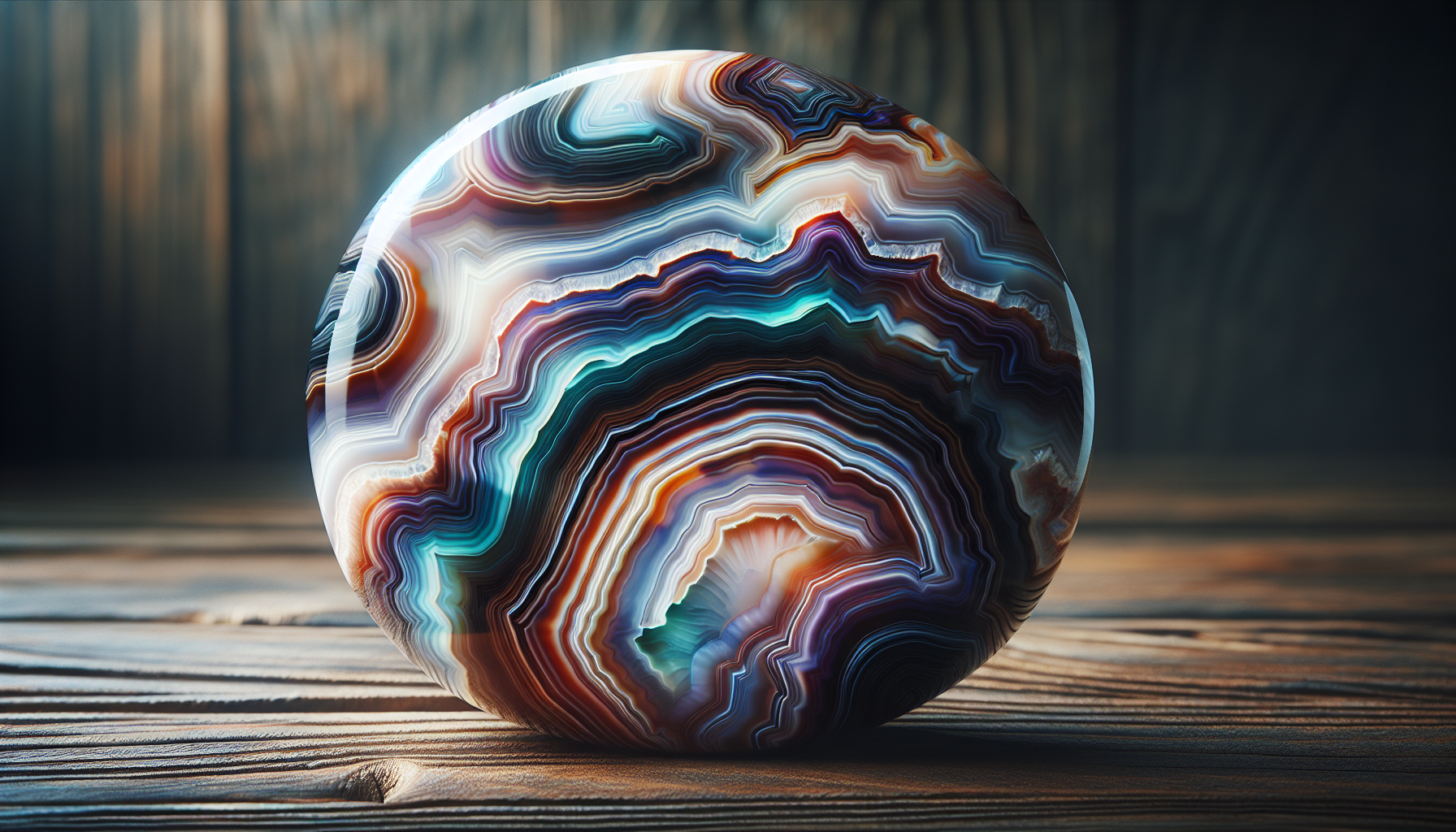
Before we explore how agate is mainly used, it’s worth understanding what agate actually is. Agate is a variety of chalcedony, a mineral in the quartz family, characterized by its fine grain and bright, vivid colors. Its formation involves volcanic activity, where cavities in cooling lava fill with silica-rich fluids, eventually hardening over thousands of years. The result is a gemstone distinguished by its unique banding patterns, each layer representing a distinct snapshot in its geological timeline.
Agate’s colors and patterns vary based on the minerals present during its formation. This variety means agate is not only a feast for the eyes but is also quite versatile in its applications.
Historical Significance of Agate
Throughout history, agate has held a special place in the hearts of jewelers, healers, and artisans. Ancient cultures, such as the Egyptians, Greeks, and Romans, were particularly fond of agate, using it in everything from jewelry to amulets. The belief was that agate provided protection and brought good fortune. Many people today still hold onto these beliefs and use agate in similar ways, reflecting a continuous reverence for this gemstone through the ages.
Understanding the historical context can lend a deeper appreciation for how agate is used today. It’s always fascinating to see how the past finds expression in the present, don’t you think?


Agate in Jewelry and Fashion
Aesthetic Appeal
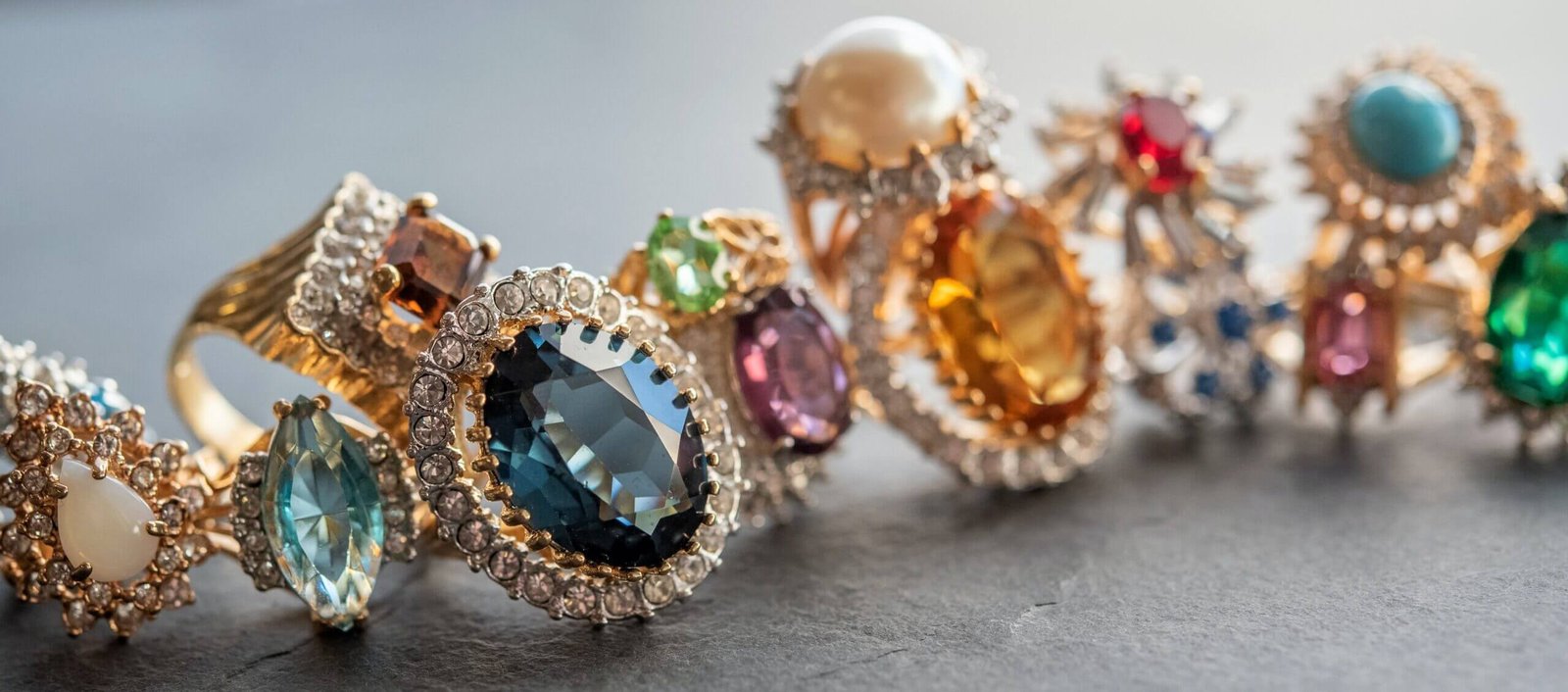
One of the most prominent uses of agate is in jewelry making. Its array of colors and patterns make it a versatile choice for rings, necklaces, bracelets, and more. Jewelers often cut and polish agate to highlight its natural beauty, turning each piece into a miniature work of art. The unique characteristics of each agate slice mean no two pieces are ever truly identical, which adds to its appeal.
Market Availability and Popularity
The demand for agate in the fashion industry is undeniable. In certain fashion circles, agate is valued for its ability to add a pop of color or a touch of elegance. Whether as a bold statement piece or a subtle accent, agate has carved a niche for itself in modern fashion.
The availability of agate in various forms—such as rough, polished, or carved—caters to a wide range of preferences. Its affordability compared to other gemstones, like diamonds or sapphires, makes it accessible to a broader audience, allowing everyone to enjoy a touch of elegance without breaking the bank.
Agate in Interior Design
Creating a Soothing Environment
In interior design, agate is prized for its natural aesthetics. Home decorators use agate to craft elegant visual themes that convey luxury and sophistication. From bookends to coasters to even agate slice wall art, the stone adds an element of nature-inspired creativity to any space.
Functional and Decorative Uses
Functional items like agate-topped tables and lamps can provide both beauty and practicality. Decorating with agate often results in a calming and peaceful environment, which is why it’s sometimes found in places like spas and meditation rooms. The intricate swirls of agate may evoke the soothing essence of a natural landscape, bringing tranquility into your home.
Agate in Metaphysics and Healing
The Therapeutic Side
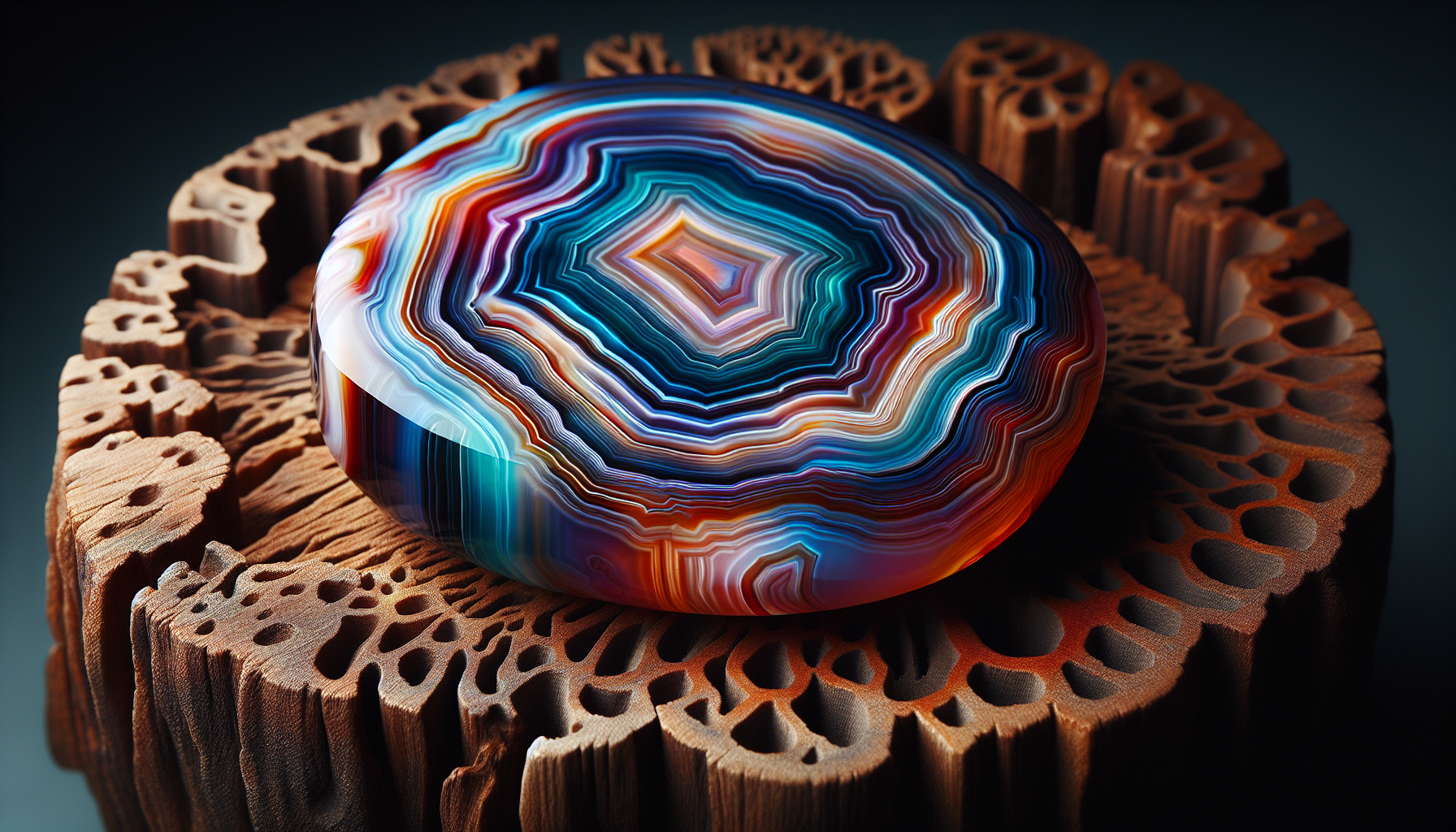
Agate’s reputation extends beyond physical beauty into the metaphysical realm. Many believe agate has healing properties, suggesting it can aid in balancing energy and harmonizing the mind, body, and spirit. Practitioners often recommend agate for grounding and stability, attributing to it the ability to enhance mental clarity and reduce stress.
Practical Applications
Though scientific backing is scarce, enthusiasts incorporate agate into meditation practices, using it as a focal point to foster concentration and mindfulness. Some healers may use agate as part of their toolkit, either placing it on specific parts of the body or using it in spiritual rituals. Whether or not you believe in its metaphysical properties, it’s clear that agate holds a deep, symbolic significance for many people.
Agate in Collecting and Crafting
Collectors’ Item
Agate isn’t just for wearing or decorating; it’s also a collector’s dream. Rock hounds and mineral enthusiasts often seek out rare or particularly beautiful specimens of agate for their collections. The thrill of unearthing a unique pattern or color combination makes agate collecting a satisfying hobby for many.
Artistic Uses
Artists and craftsmen frequently use agate slices to add a unique touch to their creations. Whether embedded in furniture, incorporated into mosaic art, or crafted into intricate carvings, the distinctive characteristics of agate can elevate any piece of work. The possibilities for creativity are as limitless as the variations of agate itself.
Types of Agate and Their Specific Uses
The types of agate are as diverse as their applications. While all agates share certain fundamental characteristics, each type has its own unique features, creating distinct benefits and uses.
| Type of Agate | Primary Uses and Benefits |
|---|---|
| Moss Agate | Used primarily in gardening and agricultural amulets. Believed to promote growth and prosperity. |
| Fire Agate | Generally used in meditation as it is thought to enhance personal vitality and energy. |
| Blue Lace Agate | Popular in jewelry for its calming hues. Believed to bring peace and tranquility. |
| Crazy Lace Agate | Known as the “happy lace,” it’s often used in jewelry and deco for its vibrant colors and believed to promote laughter. |
Exploring the Diversity of Agate
This diversity in agate varieties opens the door for even more specialized uses, allowing you to choose a type of agate that best suits your personal style or intended purpose.
Understanding Care and Maintenance
Keeping Your Agate in Top Shape
Caring for agate, whether you wear it in jewelry or display it as décor, is relatively straightforward. Agate should be cleaned regularly to maintain its luster. A simple solution of lukewarm water and mild soap, used with a soft cloth, should do the trick.
Avoid Harsh Chemicals
Avoid exposing agate to harsh chemicals or extreme temperatures, as these can cause damage. If your agate jewelry involves other gemstones or metals, consider professional cleaning to maintain the integrity of the entire piece.
By taking these steps, you’re ensuring that your agate pieces retain their beauty for years to come.
Conclusion
Agate is more than just a pretty stone. Its varied uses in jewelry, interior design, metaphysical practices, and art underscore its versatility and enduring appeal. The allure of agate lies not just in its physical characteristics but also in its cultural and historical layers, which add deep and lasting value. Whether you appreciate agate for its beauty, spiritual significance, or functionality, it remains a gemstone that continues to inspire and captivate.
You may find that once you start discovering the many uses for agate, you’ll become just as enchanted with it as countless others have throughout history. That’s the magic of agate—it’s both timeless and ever-evolving, just like the stories we tell about it.
So, what’s your favorite way to appreciate agate?