Have you ever gazed into the swirling colors of an agate and wondered which hue might be the most elusive of them all? Agates, with their vivid patterns and mesmerizing allure, hold a special place in the world of gemstones. Known for their unique bands of color, these stones are as fascinating as a rainbow after a storm, yet in a more solid, lasting form.

Understanding Agate: A Marvel in the World of Gemstones
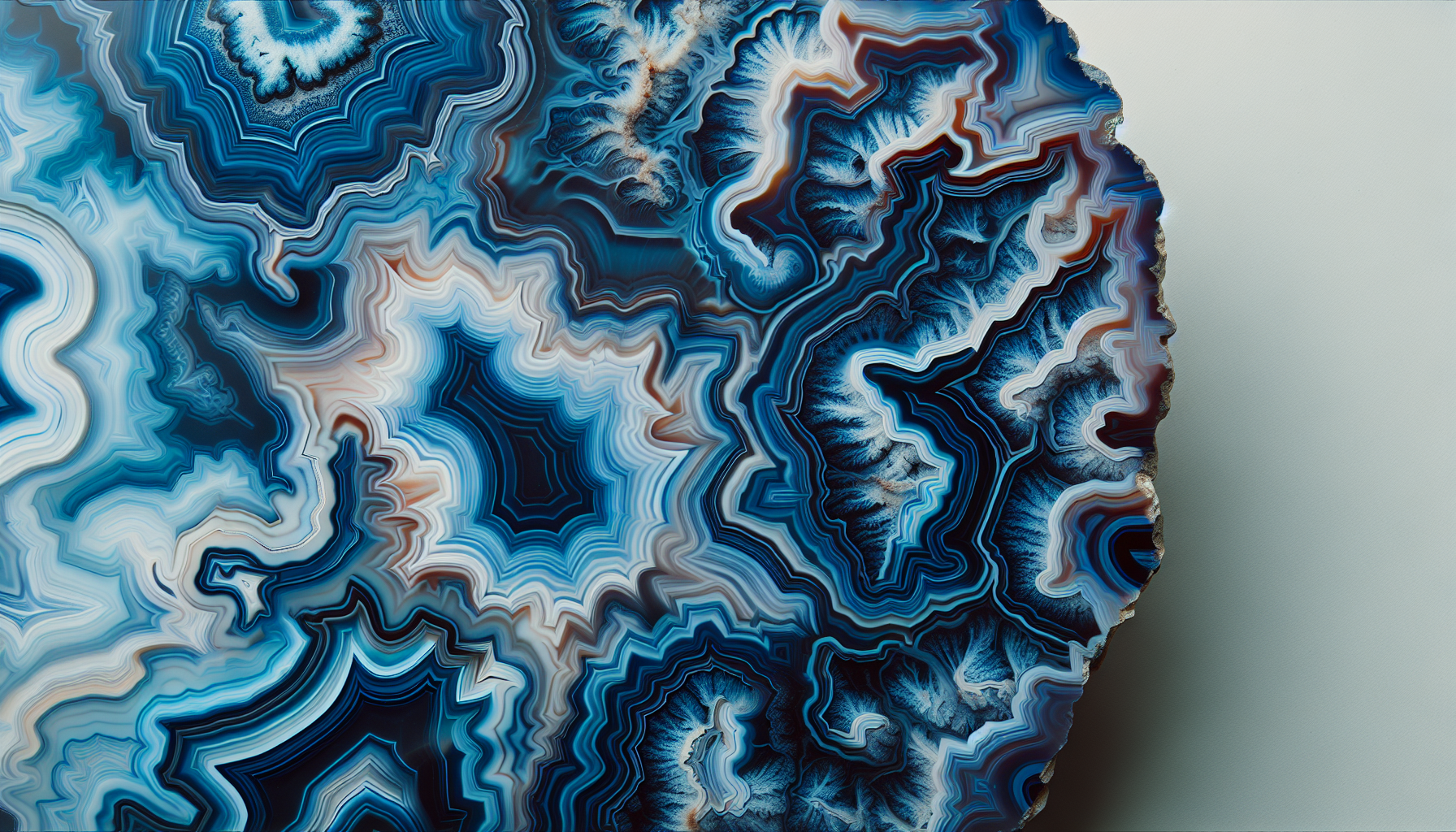
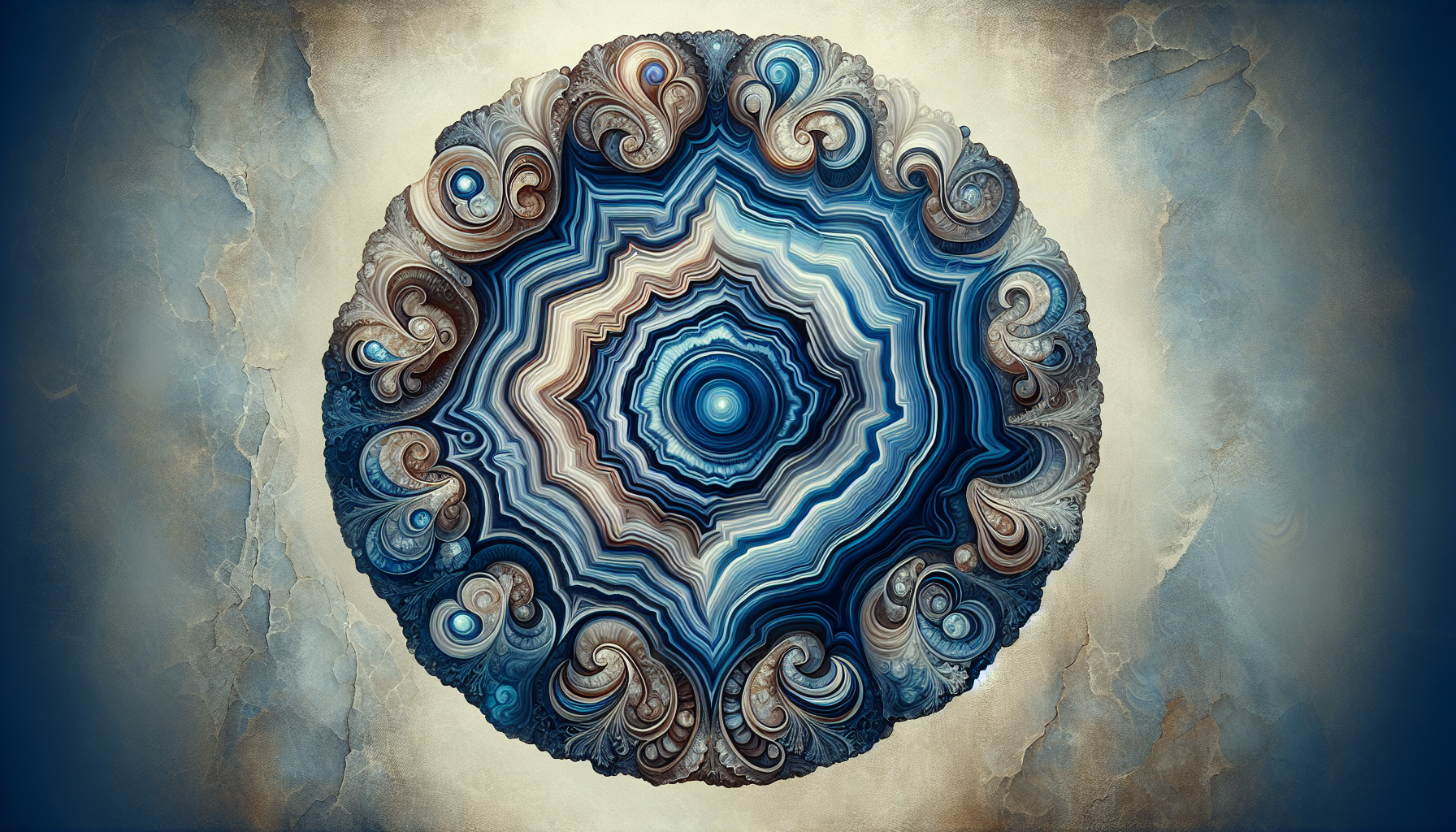
Agate is essentially a type of chalcedony, itself a variant of quartz. It’s the result of volcanic activity, where silica-rich water permeates pockets of lava, eventually cooling and forming concentric layers. The result? A gemstone that not only boasts a multitude of colors but also forms unique patterns, making no two agates alike. Each agate is a piece of natural art, with layers akin to the chapters of a captivating book you can’t put down.
The Formation Process of Agates
Agates form in nodules in volcanic rocks or ancient lavas. As silica-rich solutions fill these cavities, layers begin to form over a substantial period. Each layer, contributing a different shade, depends on the mineral content at the time of deposition. The element of surprise and the passage of geological time play crucial roles in the agate’s development, effectively crafting nature’s version of a fingerprint.
Shades of Agate: A Spectrum as Diverse as Nature Itself
From soft pastels to rich, earthy tones, agates showcase an incredible diversity of colors. The typical colors include blues, reds, greens, yellows, browns, and even purples. These colors arise due to the various impurities that mix within during formation. It’s a bit like baking a cake but one where the ingredients are mixed by the hands of time and nature rather than a lesser mortal.
The Intrigue of the Rarest Agate Color
Amidst this rich palette that agates offer, there is one color that piques more interest than others due to its rarity. But what color might that be, and why does it seldom appear?
Identifying the Rarest Color
Blue lace agate, with its soft, lace-like bands of light blue, is often considered one of the rarest. However, rarest and most desirable don’t always sit side by side in the gemstone world. For instance, green agates are more infrequent, commanding higher desirability due to their scarcity and distinct hue. Meanwhile, fire agate, with its brilliant play of colors, is a spectacle that exposes the creative artistry of nature gone wild.
What Makes an Agate’s Color Rare?
Rarity in agate colors stems from the specific geological conditions needed for certain colors to form. A particular hue might require a specific mineral presence at precise conditions that align about as often as a solar eclipse. Given this delicate timing, some colors became rare, sought-after, and written into the annals of coveted gemstone history.
The Role of Minerals in Color Variation
Certain minerals imbue agate with their respective colors. Iron oxides create red and orange shades, chlorite lends greens, and manganese contributes to pinks and purples. In the rarest scenarios, these minerals are either present in minuscule amounts or require unusual environmental conditions, making the specific colors emerge as less common.


Recognizing the Majesty and Variety of Agates
Agates are celebrated for more than just their colors; their bands and patterns are equally enthralling. The natural artistry etched into each piece is akin to nature’s calligraphy, each stroke purposeful and deliberate.
Agate Varieties and Their Unique Attributes
Moss Agate
Often transparent to milky white, moss agate resembles a lush forest floor. Its green color is due to the presence of minerals such as manganese or iron. Imagine a pause in a busy city, a breath of fresh countryside air enclosed within the confines of stone.Fire Agate
With colors rippling like a canopy of flames, fire agate features a dynamic play of colors, as though an array of iridescent echoes caught in stone. It’s not just a gem; it’s a performance.Blue Lace Agate
Features delicate blue bands resembling laces or waves washing over sand. This stone embodies serenity and calm, much like gazing at the open sky.Dendritic Agate
Known for its tree-like inclusions, dendritic agate transports you to the heart of a tranquil, ancient woodland encapsulating the whispered secrets of the trees.
Table: Common Agate Colors and Associated Minerals
| Agate Type | Dominant Color | Key Mineral |
|---|---|---|
| Moss Agate | Green | Chlorite, Manganese, Iron |
| Fire Agate | Multicolored | Iron, Hematite |
| Blue Lace Agate | Light Blue | Manganese |
| Dendritic Agate | White/Tan | Iron, Manganese |
The Appeal of Collecting Agates
Agates aren’t just admired for their physical beauty. They also serve as historical records — storytellers of the earth’s vibrant past. Gem enthusiasts and collectors often search for specific varieties not just for their beauty but also for the stories they signify.
The Journey of an Agate Collector
Collecting agates is more akin to a treasure hunt, one where rewards lie not just in rarity but also in narrative. Each stone holds not just eclectic hues and patterns but the whispers of bygone eras, geological nuances, and the intoxicating unknowns of Mother Nature’s mood.
Crafting and Using Agates in Jewelry and Art
Due to their aesthetic appeal, agates are widely used in jewelry making, lending a splash of vibrant color to adornments. Agate is wearable art; from necklaces to bracelets, each piece is unique, offering its own dialogue of hues and shapes.
The Healing and Metaphysical Properties of Agates
Some believe agates hold healing and protective properties, claiming these stones harbor energies that soothe, protect, and inspire. Whether calming anxieties or facilitating communication, each color allegedly harbors distinct properties. Even if you don’t subscribe to these beliefs, wearing or admiring these stones can create a palpable connection to the earth through pure visual magic.
Conclusion: The Eternal Allure of the Rarest Agate
Color and rarity in agates involve a composite dance of natural artistry and geological happenstance. While certain colors enjoy more limelight due to their rarity, the charm of agates lies in their complexity and individuality. Each discovery is like finding a frame from a nature-painted tapestry where the wonder is endless.
Your hunt for the rarest of colors might call you to various corners of the earth or spark a newfound appreciation for this gemstone’s historical beauty. As you engage in this pursuit, remember that every agate is a keeper of secrets, a slice of time and history carved thoughtfully by nature itself.
In suggesting a rare color, you’ve found more than just a gemstone; you’ve discovered a narrative, forever entwined with natural history. Surely there’s charm and serene satisfaction in briefly holding nature’s remarkable novelty in the palm of your hand.