Have you ever wondered what kind of diamond is the most expensive? It’s a curiosity that might arise when you’re admiring the sparkle and elegance of these gems, considering them for a special occasion, or just enjoying a moment of daydreaming. Diamonds, those glimmering marvels of nature, vary in price more dramatically than a cat getting a bath. Several factors contribute to the cost. Let’s unravel the complexity of what makes a diamond the most expensive.
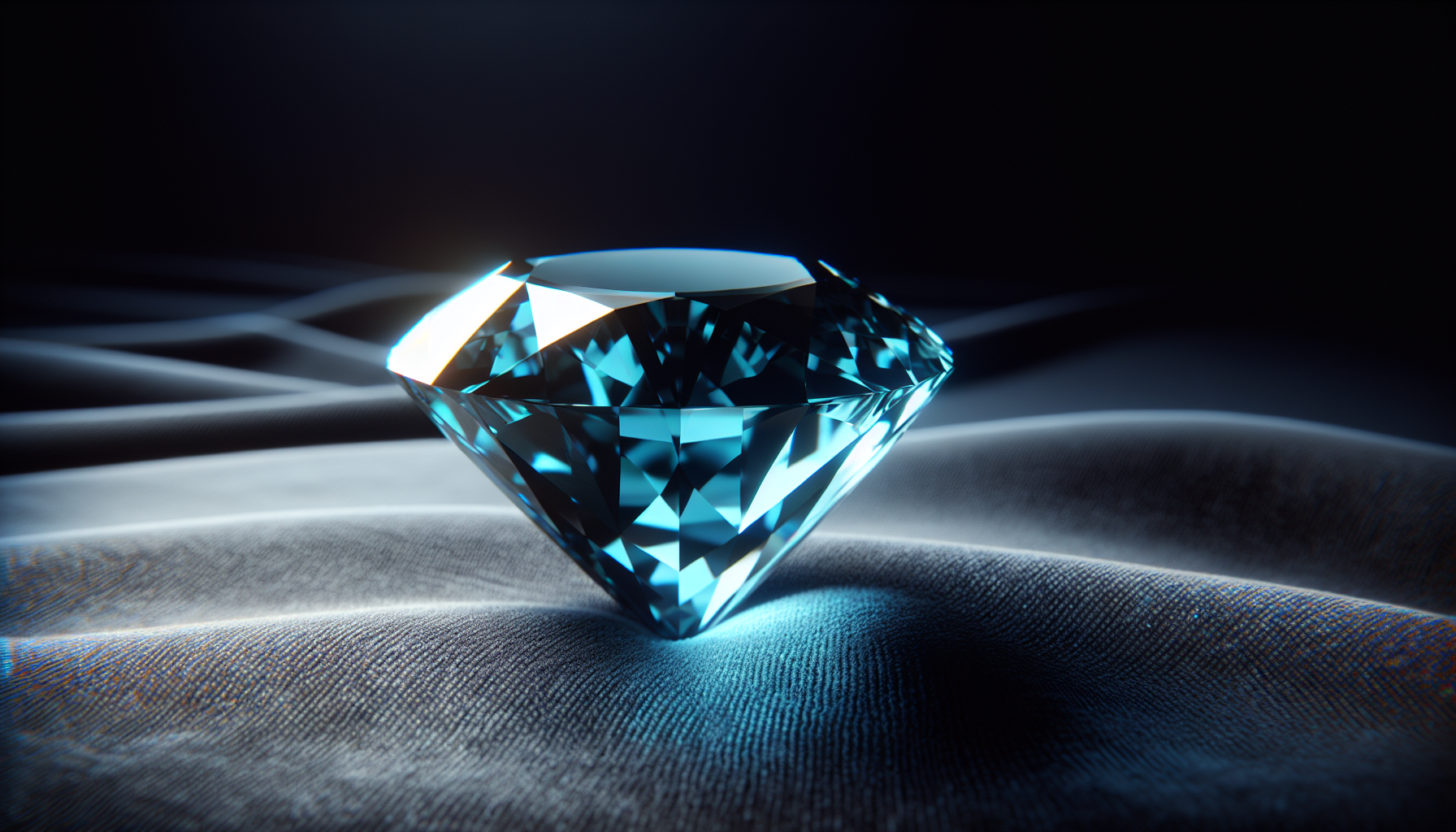

Understanding Diamond Value
Before delving into specifics, it’s essential to understand how diamonds are valued. This involves a bit of gemological intel that’s more intricate than untangling the holiday lights. Jewelry professionals use the “Four Cs” as a guideline for valuing diamonds: Carat, Cut, Color, and Clarity. Yet, the mystery doesn’t stop there; there’s often a secret sauce in luxury markets that makes certain diamonds stand out.
The Four Cs
The Four Cs are the core principles of diamond pricing, much like salt, fat, acid, and heat are to cooking. Each “C” plays its intricate part in making a diamond more desirable and, consequently, pricier.
Carat
Carat refers to the diamond’s weight. As carat weight increases, so does the rarity of the diamond, which, conveniently for retailers, also increases the price. However, bigger isn’t always better, unless you’re trying to impress an elephant with an enormous engagement ring. A well-proportioned diamond can appear larger than its carat weight suggests.
Here’s a fun tidbit—a single carat is equivalent to 200 milligrams. To put it in less medical terms, it’s about the weight of a small paperclip, but infinitely more glamorous.
Cut
The cut is all about how a diamond interacts with light, which, let’s face it, is what gives it that “come hither” glint and makes you consider applying for a second mortgage. A well-cut diamond is like a charming conversationalist; it captures attention and doesn’t let go.
The most common cuts include the round brilliant, princess, emerald, and cushion. Each style has a unique personality, from the classic round brilliant that dances with light, to the modern and edgy princess cut. A bad cut can make even a large, clear stone appear lifeless, so getting this right is essential for that breathtaking sparkle.
Color
When it comes to color, or rather, lack of color, diamonds aim for the translucent ideal. The Gemological Institute of America (GIA) rates diamonds on a color scale from D (colorless) to Z (light yellow or brown). Much like finding true love, getting closer to D means you’re closer to perfection—hence, more expensive. Exception to this rule? The dazzlingly rare fancy colored diamonds, which we will explore in more detail shortly.
Clarity
Clarity is the measure of a diamond’s internal purity. Inclusions and blemishes can happen during a diamond’s natural formation, which, granted, takes place under more pressure than hosting your first family Thanksgiving. Diamonds are rated from Flawless (F) to Included (I), with fewer inclusions equating to higher prices.
Other Factors
While the Four Cs are the go-to metrics, they are not the entire story. The quality of the diamond’s certification, potential ethical considerations, and even historical significance can all send a diamond’s price soaring faster than a billionaire’s rocket trip to space.
The Fascinating World of Fancy Colored Diamonds
While many strive to find a colorless gem, fancy colored diamonds are the rebellious teenagers of the diamond world, with values that can set the record books ablaze. Their unique hues occur due to various trace elements and structural anomalies, reminding us that sometimes imperfections make things even more desirable.
Intensity and Rarity
Fancy colored diamonds are graded based on the intensity of their color. More intense colors are rarer and, as you might expect, more expensive. These are the reds, greens, blues, and pinks that defy the typical diamond norms and have storied histories that would make a Victorian novelist envious.
Famous Fancy Colored Diamonds
Some colored diamonds have made such a splash in history that they deserve their red-carpet moment—or should it be a rainbow carpet?
The Hope Diamond: Deep blue and weighted with myths of curses, this diamond is one of the most famous. Its unique color is due to the presence of trace amounts of boron.
The Pink Star: Flawless and of intense pink color, this diamond was sold for a record-breaking sum in Hong Kong in 2017, the equivalent of buying roughly three spectacular homes in Malibu.
The Argyle Pink Jubilee: Discovered at Australia’s famed Argyle mine, this pink diamond is another example of history meeting rarity for an explosive price combination.

Record-Breaking Diamonds
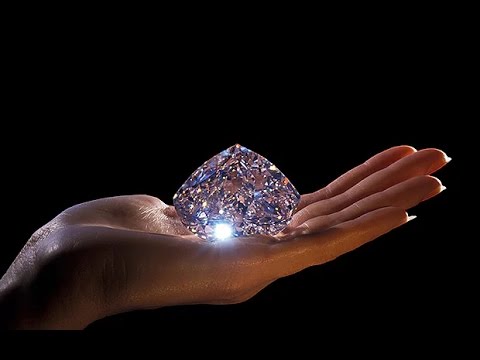
What’s more captivating than a reality TV show featuring opulent absurdity? The stories of diamonds that break pricing records and set new standards in luxury and investment opportunities. There have been a few showstoppers over the years:
The Pink Star
Previously mentioned, the Pink Star sold at Sotheby’s for $71.2 million, boasting impeccable characteristics and a color so eye-catching that it probably needs its security detail.
The Oppenheimer Blue
This vibrant blue diamond fetched $57.5 million at auction, making it the most expensive blue diamond ever sold. Its rectilinear cut and storied provenance make it a gem connoisseur’s dream.
The Cullinan Collection
Let’s not overlook the Cullinan diamonds—the world’s largest rough gem-quality diamonds ever found. Its pieces grace the Crown Jewels of the United Kingdom, embedding the stone with a dash of royal allure that adds immeasurable value.
The Intersection of Artistry and Nature
The world of expensive diamonds is not only a meeting of rarity and beauty but also a mix of art and nature. The journey from a rough diamond to a cut masterpiece involves skilled artisans and state-of-the-art technology, each step adding to the diamond’s overall value.
Diamond Cutting
Expert cutters transform rough, unremarkable stones into sparkling treasures, much like a hairstylist magically turning bedhead into a red-carpet-ready style. The intricacies of cutting affect not only how a diamond looks but also how it maximizes the carat potential, making some shapes more favorable from an economic standpoint.
Ethical Considerations
In today’s conscientious world, ethical considerations have become a significant part of diamond pricing. Conflict-free diamonds, sustainably sourced and responsibly mined, have seen increased demand, sometimes attracting a premium for the peace of mind they offer.
Investment Potential
For some, diamonds aren’t just an accessory but a portfolio addition. However, the diamond market can be more unpredictable than the fashion choices at an awards show. Investments often focus on rarity factors, quality certifications, and provenance to predict future value.
Trends and Analysis
Trends tend to oscillate like a pendulum; one moment intense colors rule, another sees sleek modern cuts take precedence. Keeping an eye on industry trends, analysis, and auctions can give potential investors a better grip on the sometimes slippery gemstone market.
Risks and Rewards
The allure of diamonds as an investment can be strong, thanks to historical appreciation and timeless appeal. However, risks include market volatility, potential difficulty in liquidating, and the nuances of verifying a stone’s authenticity and value. The rewards, though, can match the heights of a well-placed stock bet—diamonds, when chosen wisely, offer both emotional and financial returns.
Conclusion: The Uniqueness of Pricey Diamonds
So, what kind of diamond is the most expensive? In your quest for answers, you’ve navigated the multi-faceted world of light, color, rarity, culture, and craftsmanship that defines diamond pricing. Each diamond tells its own distinct story, reflecting the delicate dance of nature and human skill. Most expensive diamonds capture the essence of this dance—they embody uniqueness, intrigue, and unparalleled beauty. They remind us that more than just monetary transactions, diamonds hold historical narratives, cultural significances, and emotional connections, elevating them from mere objects to coveted treasures. Whether you view them as a luxury, investment, or simply appreciate their beauty from afar, diamonds hold a place of perennial fascination in our world.