Have you ever picked up a smooth, banded stone from a beach or roadside and felt as though you’d found a secret someone had left just for you?

Why Are Agates So Special?
You probably know agates when you see them: those neat concentric rings, translucent patches, mossy inclusions that look suspiciously like tiny ferns or miniature clouds. What makes them special isn’t just one thing; it’s a ledger of small, seductive qualities that add up until you start stashing them in drawers, telling yourself it’s “for display,” and then wondering why you have 73. Agates hit a sweet spot between accessibility and mystery — they’re common enough you can find one on a weekend trip, but each specimen has a personality that feels as deliberate as handwriting.
What Is an Agate?
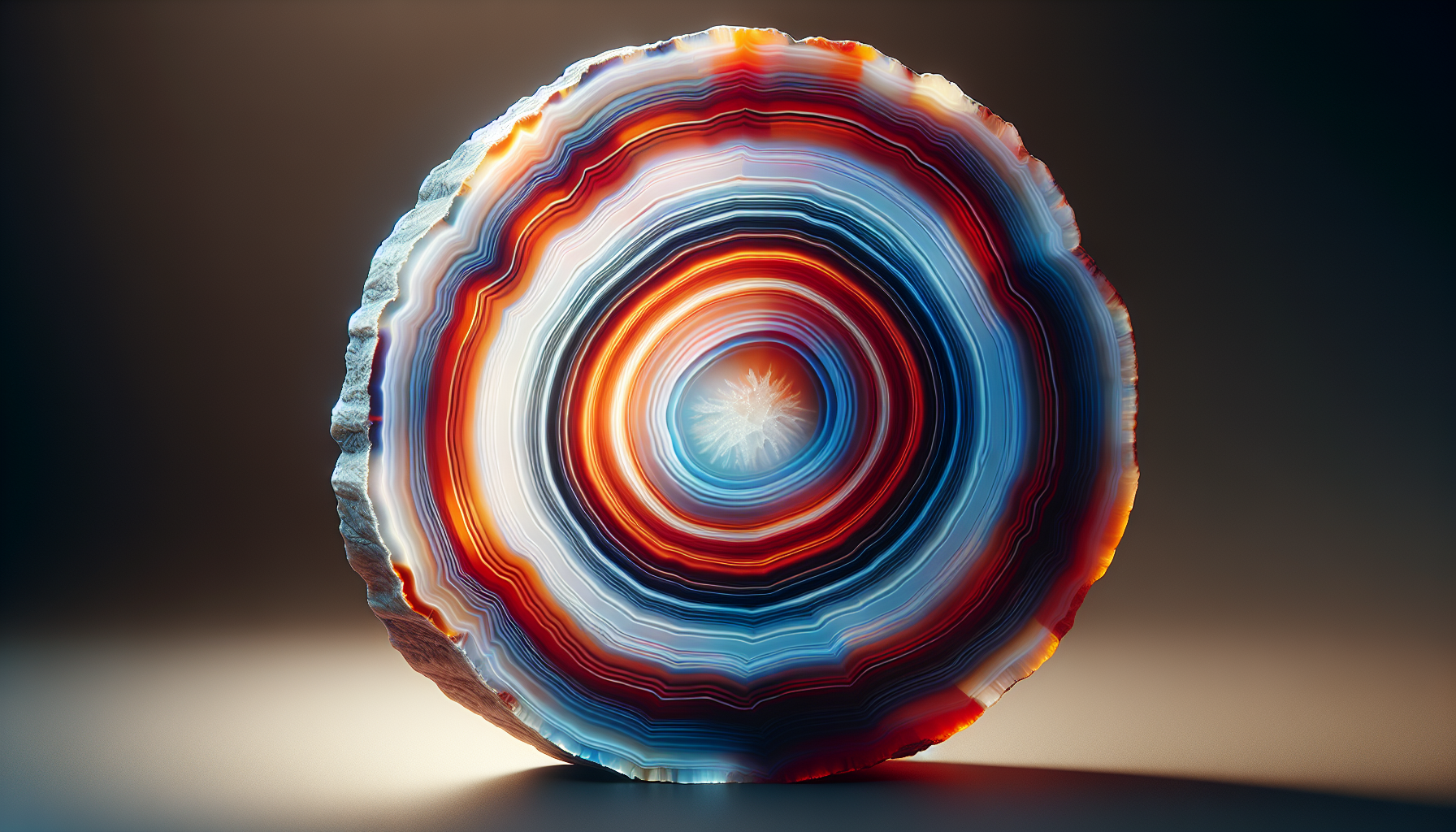
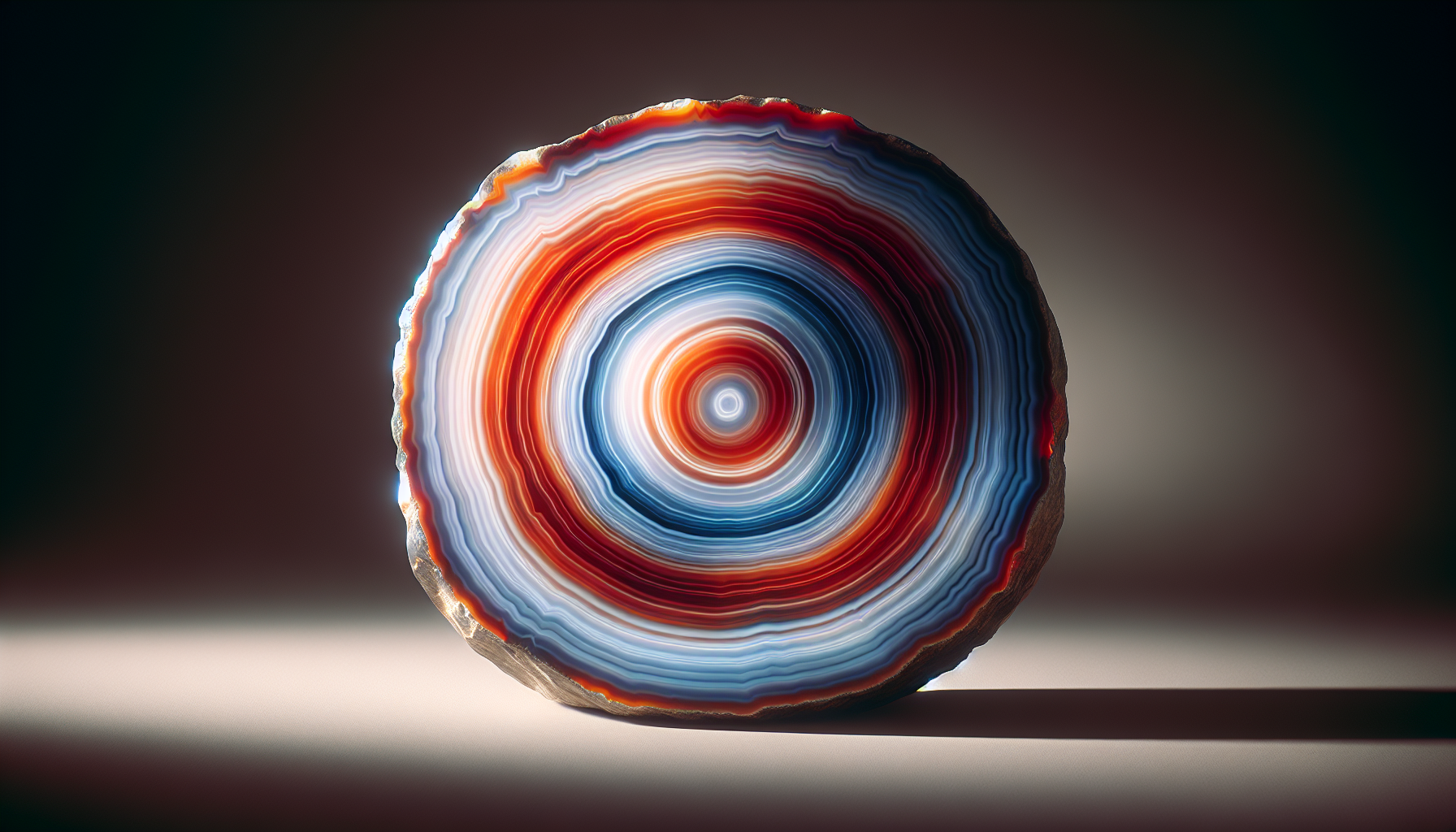
You might assume agate is a specific mineral, but it’s really a form of chalcedony, which is microcrystalline quartz (silica). Chalcedony lays down in fine, fibrous structures that can create remarkable textures and optical effects. An agate is generally recognized by its banding — layers of silica deposited in rings or waves — and by the play of translucency and color that gives it life.
When you hold an agate to the light you can see that it isn’t a single color slab; it’s a geological diary. Those bands are records of changing conditions while the stone formed, frozen like tree rings but with more personality and fewer mosquitoes.
How Agates Form
Agates most commonly form in cavities of volcanic rock. Imagine molten lava with gas bubbles trapped inside; later, silica-rich fluids percolate through the rock and slowly deposit layers of chalcedony along the cavity walls. Each slight change in the chemistry or the flow conditions can shift color, texture, or crystal orientation, producing the distinctive banding you admire.
You should picture it as exquisitely slow artisanal work: layers laid down millimeter by millimeter over thousands to millions of years. If you get sentimental about long processes — knitting, sourdough starters, the slow burn of a warranty claim — agate formation speaks to you.
Visual Characteristics
Agates are prized for attributes you can actually see and feel: banding (both thick and striated), translucency, colorful seams, and internal inclusions like dendrites or moss-like features. Light reacts with the layered structure to create depth; you can trace a path through the bands and feel a little smug about your geological literacy.
You’ll also notice internal cavities sometimes filled with crystals (geodes) or hollow pockets that create glittering focal points. These features make agates excellent for jewelry and display because they combine pattern, depth, and sparkle.
The Many Faces of Agate
Agate isn’t a one-note entity; it shows up in a bewildering variety of forms. You’ll find names like “moss,” “plume,” “fortification,” and “crazy lace,” which are as evocative as they are useful for collectors. Each variety has defining traits you’ll learn to love or ignore depending on your impulsiveness and your tolerance for organizing.
Below is a table to help you quickly recognize common agate types and what makes each one distinct.
| Agate Type | Visual Cue | Typical Localities |
|---|---|---|
| Banded (Classic) | Concentric rings, alternating translucent and opaque layers | Worldwide (Brazil, Uruguay, USA) |
| Moss/Dendritic | Branching, fern-like inclusions (dark manganese/iron) | India, USA, Mexico |
| Plume | Feather-like mineral patterns (often radial) | Mexico, USA |
| Fortification | Sharp, maze-like concentric bands resembling fort walls | Mexico, Brazil |
| Eye (Orbicular) | Circular “eye” spots within bands | Namibia, Madagascar |
| Crazy Lace | Intricate, multicolored bands, often with lacy patterns | Mexico (Chihuahua) |
| Agate Geode | Hollow center lined with crystals | Brazil, Uruguay |
| Botswana Agate | Fine banding with subtle colors; highly prized | Botswana |
Why You Find Agates So Compelling
There are scientific reasons you might be attracted to agates — the human brain likes patterns, symmetry, and contrast — but you shouldn’t discount the personal reasons. You like the idea that something so ordinary as hardened silica can look like a miniature landscape when cut and polished. You may also like being able to hold an agate and feel something that feels handcrafted without having to buy it from an artisan or explain to a partner why one more object is necessary.
You also get to play two roles: contemplative naturalist and interior decorator. An agate can sit on a bookshelf and make you feel cultivated, but it will also politely pretend not to care if someone knocks it into the sink.
The Pleasure of Touch
There’s a tactile satisfaction to agate that you’ll discover as soon as you pick one up. Smooth, cool, and satisfying to roll between your fingers, agates are worry stones given the geological stamp of approval. If you have a nervous habit, an agate can be a legitimate replacement for catastrophic spending or talking to your houseplants like they owe you rent.


Agates in Jewelry
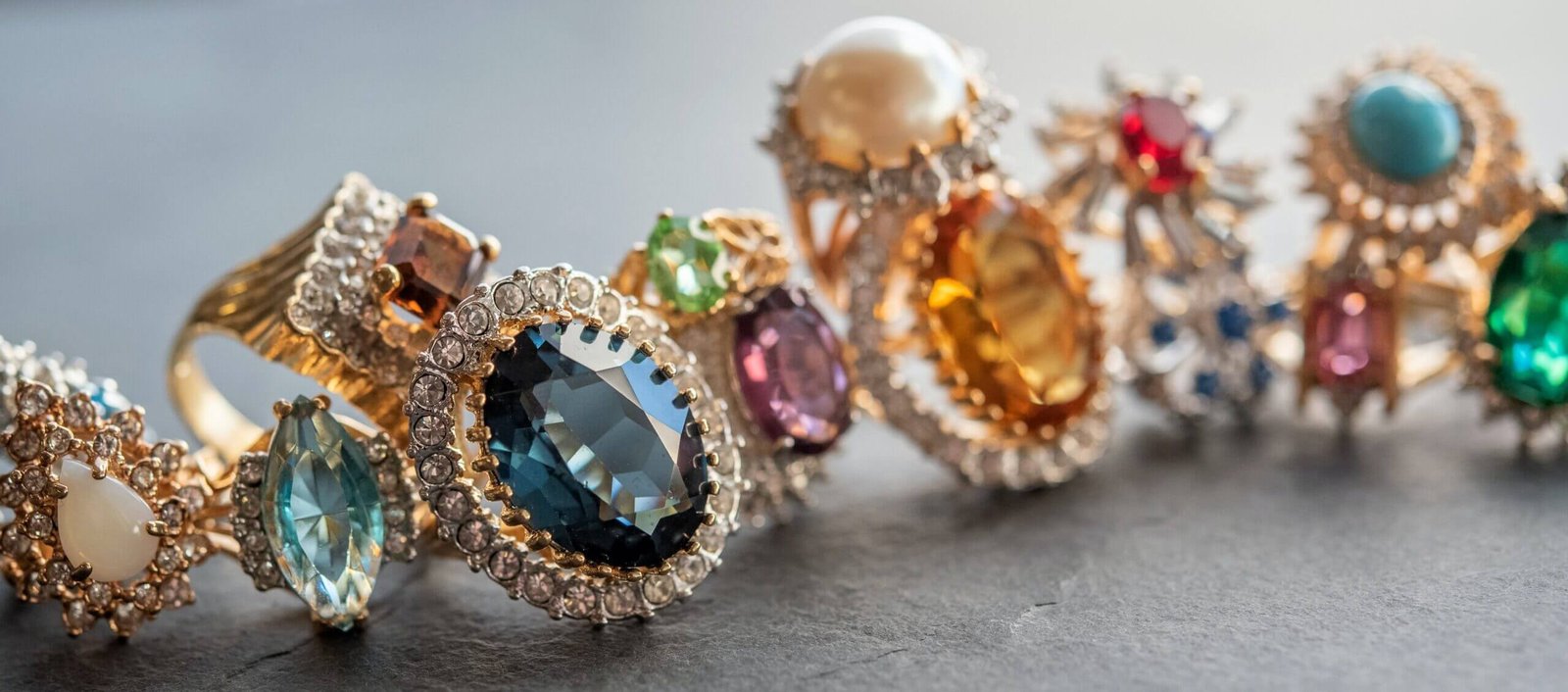
Agate translates beautifully into jewelry because it polishes to a brilliant sheen and shows off banding and inclusions. You’ll see it as cabochons (dome-shaped cuts), beads, pendants, and even statement rings. Because agate is relatively hard (see the table later), it can withstand everyday wear better than softer stones, but it also carries the kind of visual interest that elevates a simple setting into a conversation piece.
You’ll notice designers love agates because they’re versatile. They can be rustic in a raw bezel or elegant in a high-polished gold setting. If you’re trying to bridge a gap between your “I’m trying to look expensive” moment and your “I am not pretending to be rich” aesthetic, agate is your diplomatic envoy.
How Agates Are Cut and Polished
The lapidary process for agate starts with cutting rough specimens with a diamond saw, then grinding them to shape with progressively finer abrasives, and finishing with polishing compounds to bring forward the depth of banding and color. You’ll see terms like “cabochon,” “slice,” and “freeform” — each describing how the material is cut to best showcase internal features.
If you ever try this yourself (and you might, because a weekend class sounds like responsible self-improvement), the satisfaction of transforming a dull rock into a luminous object is the kind of triumph usually reserved for baking bread or completing a jigsaw puzzle without missing pieces.
Mohs Hardness and Jewelry Suitability
Here’s a short table that clarifies where agate sits on the hardness scale and how that translates to wearability in jewelry.
| Property | Detail |
|---|---|
| Mohs Hardness | 6.5 – 7 |
| Jewelry Use | Suitable for rings, pendants, earrings, bracelets (with care) |
| Durability Notes | Good scratch resistance; avoid heavy impact to prevent chips |
| Polishing | Takes a high polish, enhancing banding and translucency |
Caring for Your Agate Jewelry
Caring for agate is straightforward. You clean gently with warm, soapy water and a soft cloth, avoid ultrasonic cleaners if the stone has fracture-filled or treated areas, and keep agates away from prolonged exposure to acids or high temperatures that could alter dyed colors. You’ll also want to store polished pieces separately to prevent them from getting scratched by harder stones like diamonds.
If your agate is dyed (a common enhancement), avoid harsh chemicals and prolonged sun exposure, which can fade the color. You don’t need to treat your agate like a fragile antique, but basic common-sense precautions will preserve its luster.
How to Spot Real Agate vs. Fake
You can be fooled by glass, resin, or dyed quartz that imitates agate, especially when polished. You’ll want to sharpen your eye with a few reliable checks, which are listed below.
| Test | What to Look For |
|---|---|
| Visual Inspection | Natural agate shows irregular bands and subtle color transitions; uniform color may suggest dye. |
| Magnification | Under a loupe, natural banding shows fine fibrous or granular textures; glass will reveal swirling and bubbles. |
| Hardness | Agate should scratch glass (Mohs 6.5–7); glass will not scratch agate. |
| Specific Gravity | Natural chalcedony has consistent density; reconstituted materials may feel lighter or more uniform. |
| Dye Test | Acetone on an inconspicuous spot can reveal surface dye; true color should remain stable. |
| UV Light | Some treatments fluoresce differently than natural agate, but this is not definitive alone. |
Refrain from drastic at-home tests that could damage the stone. If you’re unsure, ask a reputable gemologist to evaluate the piece.
Where to Find Agates
You can find agates in many regions around the world. Some localities are famous for distinctive types: Brazilian geodes for glittering pockets, Botswana for silky fine-band agate, Mexico for crazy lace, and the shores of the Great Lakes for beautifully tumbled agates. Germany’s Idar-Oberstein was historically the center of agate cutting and trade, and Madagascar has become a major source of colorful specimens.
If you’re the type who packs a hammer and a sense of entitlement, check local rockhounding laws. Public beaches and river beds can be great places to find agates; private land requires permission, and some parks ban collecting entirely.
Rockhounding Tips
If you want to go looking for agates, bring sturdy shoes, a small rock hammer, a bucket, and patience. Look in areas with exposed volcanic rock or in stream beds where heavier stones collect. You’ll notice that agates stand out when they’re wet — a simple trick: dunk that rock in a puddle and see which ones suddenly look like they’re trying harder.
Respect landowners and local regulations, and pack out what you pack in. You can make a modest but satisfying hobby out of collecting without becoming the subject of an angry online forum about irresponsible rockhounding.
Historical and Cultural Significance
Agates have a long human history. Ancient civilizations used them for seals, amulets, and beads; they were prized for their durability and the perceived symbolism of their bands. The Romans carved engraved gemstones, while Native cultures used agates in ceremonies and personal adornment. If you like stories linking material objects to human life across millennia, agates provide generous narrative territory.
You’ll also find them in folklore: purported protectors against storms, luck-bringers, or talismans for eloquence. Presently, agate shows up in metaphysical circles as a stabilizing, grounding stone. If you’re skeptical (or enjoy being a little sarcastic), you’ll find a certain pleasure in the rituals people create around beautifully patterned rocks.
Grading and Valuation
Agates are typically valued on aesthetic criteria rather than strict gemological scores. Factors that influence price and desirability include color intensity, banding complexity, translucency, size, cut quality, and rarity of pattern. A small, spectacularly patterned agate slice can command more than a larger, drab specimen.
Here’s a practical table summarizing those factors:
| Value Factor | What It Means to You |
|---|---|
| Pattern | Unusual or distinct patterns (plume, eye) increase desirability |
| Color | Vivid, even mottled, or attractive contrasts add value; natural colors are prized |
| Size & Thickness | Larger, intact slices or geodes can be more valuable |
| Polish & Cut | Skillful cabochons or slices that maximize pattern fetch higher prices |
| Rarity/Provenance | Certain localities and rare forms command a premium |
| Integrity | Cracks and fractures lower value unless they contribute to character |
When buying, you’ll want to balance emotional reaction with practical appraisal. Yes, you are allowed to buy the piece that makes you feel something, but you’ll avoid buyer’s remorse if you know what drives the price.
Ethical and Environmental Considerations
You likely prefer your purchases to have moral clarity — you don’t want to be responsible for environmental damage or exploitative labor practices. The agate trade, like many natural-resource industries, can have ethical concerns, including habitat disruption and poor working conditions in some locations.
Ask your dealer about sourcing, support local, reputable sellers where possible, and consider specimens that are either sustainably collected or small enough to avoid fueling destructive practices. If a dealer can’t tell you anything about where an agate came from, treat that as a yellow flag and maybe shift your attention to another shiny thing.
Common Mistakes New Collectors Make
You’ll learn the ropes faster if you avoid the obvious missteps others have already paid for. New collectors often fall into a predictable pattern:
- Buying the first thing that looks “striking” without checking for treatments or fakes.
- Overpaying because the dealer’s presentation felt like an invitation to a private show.
- Neglecting proper storage, leading to scratched or discolored pieces.
- Ignoring legalities when collecting in the field.
You should indulge a little — collecting is part appreciation, part therapy — but be strategic. If you start invoking the phrase “limited edition” for a pebble you picked up on a walk, at least be honest with yourself about what you’re collecting and why.
Display, Storage, and Cataloging
If you accumulate more agates than you can effortlessly hold in one hand, you’ll need a system. Labeling each specimen with a small tag noting location and acquisition date will help you tell stories later without lying. Store polished pieces on soft cloths or in compartmentalized boxes; slices can be displayed on stands or mounted in window frames to show off translucency.
You will enjoy arranging them by color, pattern, or size — and then either keeping that order religiously or rearranging them at 2 a.m. when you can’t sleep. Both behaviors are perfectly normal.
Buying Advice: How to Get the Best Piece
When you buy agate, whether from a show, online, or a local shop, keep these guidelines in mind:
- Buy from reputable dealers who provide provenance and are transparent about treatments.
- Inspect pieces under good light. Look for dye lines, unnatural brightness, or perfectly uniform colors.
- Ask for return policies. If you’re purchasing an item of significant cost, request a certificate or third-party appraisal.
- Compare prices at shows and online to develop a sense of typical ranges.
- Don’t be afraid to negotiate — small sellers expect it, and larger dealers sometimes include modest discounts for cash or bundled purchases.
If you’re the sort to make emotional purchases, allow yourself one “wow” piece a year and allocate the rest of the budget to learning and reasonable finds. That way you won’t have to explain a sudden, inexplicable monthly delivery of rocks to your partner.
Metaphysical Claims and Skepticism
Many sellers and enthusiasts will tell you that agates have grounding or healing properties. You may enjoy the ritual: carrying a stone, setting intentions, or using it as a focus in meditation. That said, if you require empirical evidence for therapeutic claims, agate — like much spiritual paraphernalia — performs largely through placebo and the meaning you choose to give it.
If having an agate makes you calmer or more centered, that’s a valid benefit even if it’s not measurable on a lab report. You get to decide whether your faith is ornamentation or doctrine; either way, your stone remains useful.
Final Thoughts
You will find agates compelling because they bridge a space between the familiar and the extraordinary. They are modest stones that contain miniature worlds: banded strata, suspended plumes, moss-like inclusions, and geode cavities that glitter like confetti in a snow globe. You can hold one in your pocket without guilt (most people expect you to carry keys), admire it in your hand, and slowly learn the lexicon that names their varieties.
If you are tempted to start a collection, know this: it is a forgiving hobby. You can begin with an inexpensive slice bought for curiosity and end up curating an impressive array that reflects your taste, patience, and capacity for sentimental hoarding. In a world of planned obsolescence and empty subscription boxes, agates are honest objects — durable, beautiful, and unashamed of their age. They ask for nothing more than your attention, and if you give it, they will give you a small, geological miracle you can put in your pocket.
So pick one up, turn it in the light, and let it do what agates do best: look like it was made just for you.