Have you ever held a stone and marveled at its beauty, perhaps pondering the secrets it might hold? If you’ve ever taken a closer look at an agate, those swirling, colorful bands may have piqued your curiosity about why these stones are so mesmerizing. Agates are indeed special, and there’s much to discover about them beyond their aesthetic appeal. Let’s take a journey into the captivating world of agates and uncover the mysteries and charm that have fascinated humans for centuries.


What Exactly is an Agate?
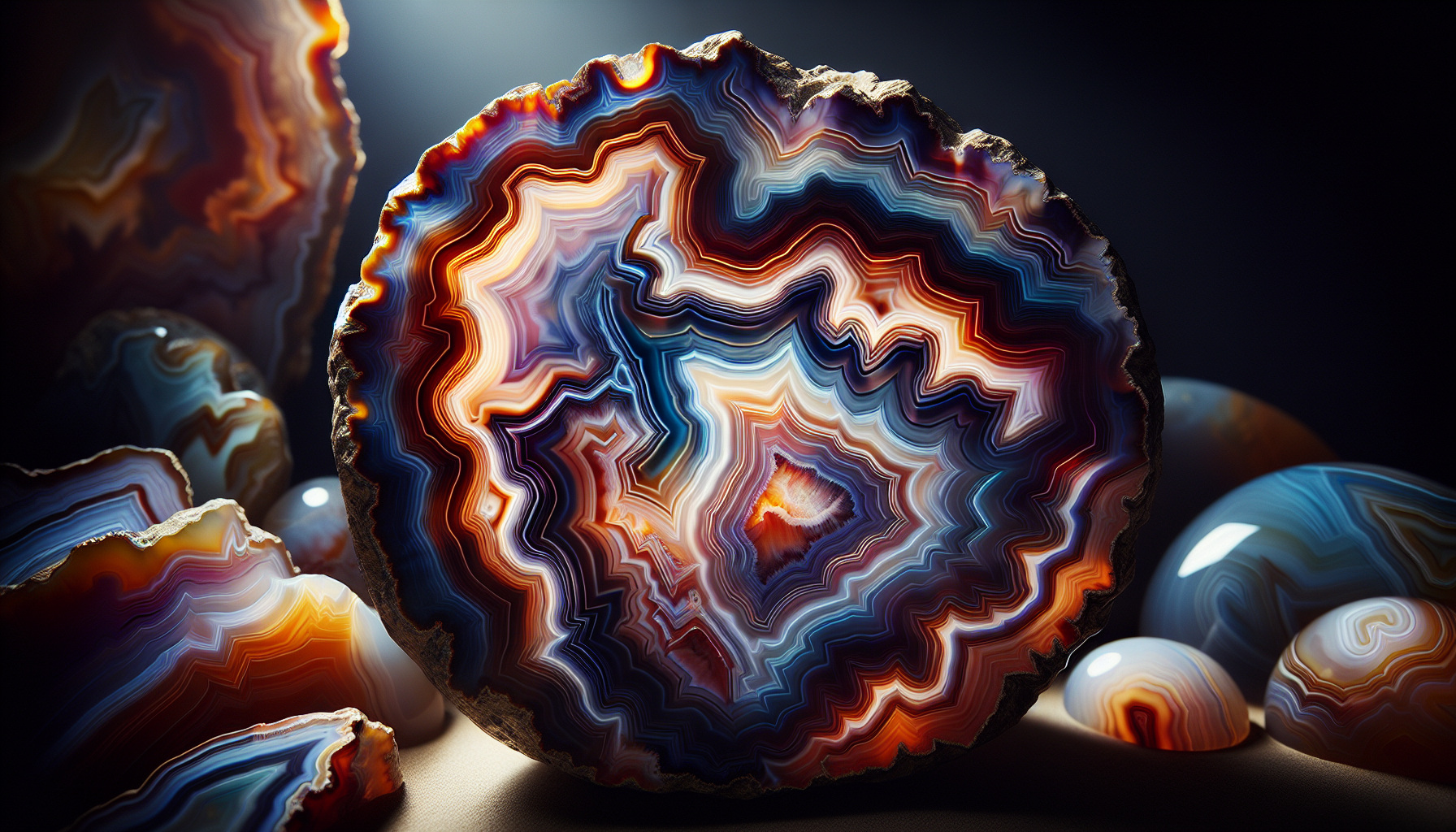
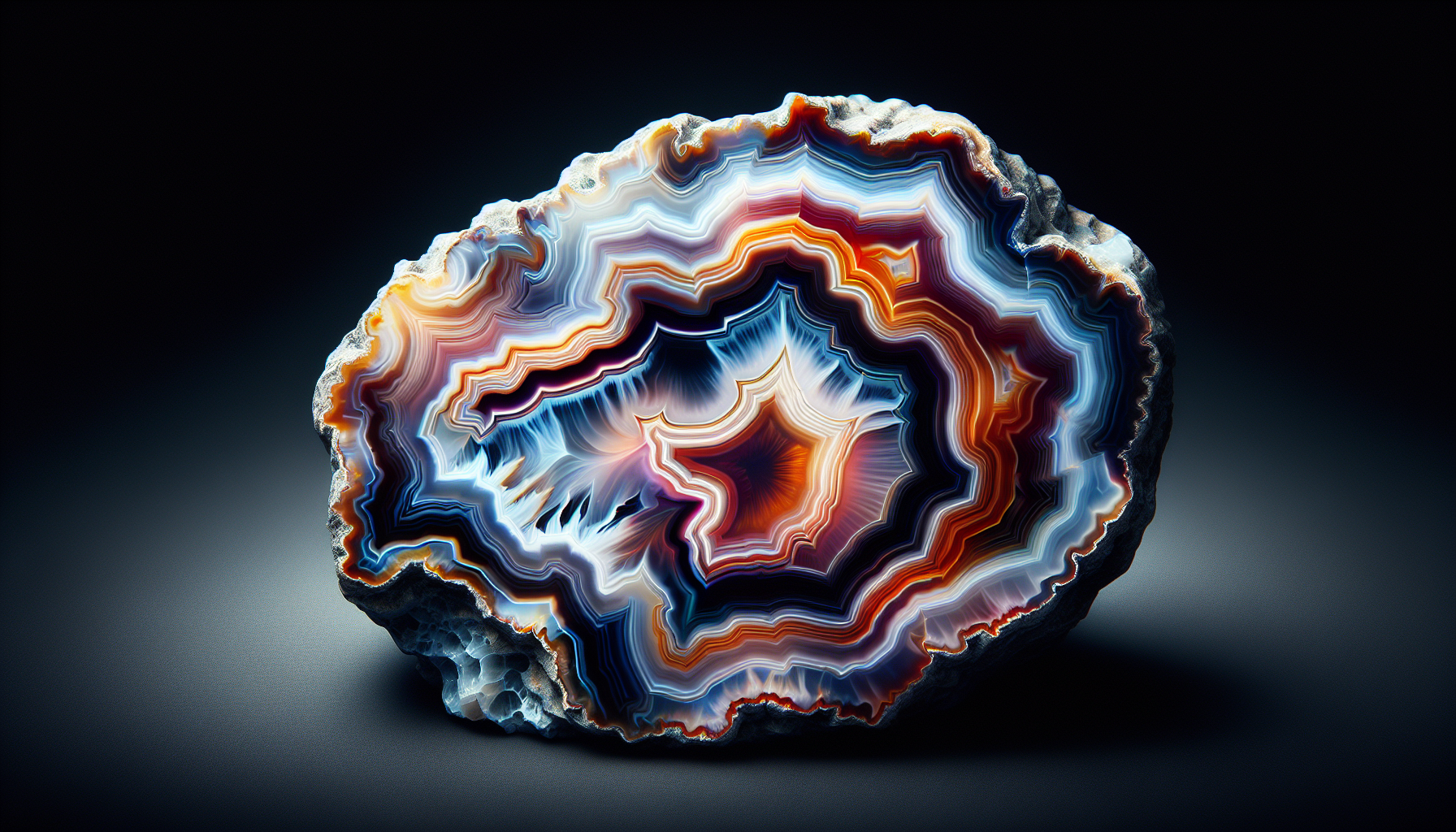
The name might sound exotic, and the stone itself can often seem like a painting created by nature. But what makes an agate, an agate? For starters, agates are a type of chalcedony, which is a form of silica made essentially of quartz and moganite. They are known for their vibrant colors and banded appearance, often found within volcanic rocks. These bands are layers of different minerals that form over time, creating patterns that are as unique as fingerprints.
How do Agates Form?
The formation of agates is a slow dance of nature, a process that demands both time and patience. They originate in the cavities of volcanic rocks. As mineral-rich water seeps into these hollow areas, it leaves layers of silica over immense periods. Changes in temperature, pressure, and water conditions adjust the minerals being deposited, resulting in the distinct bands you see in an agate.
Layering Process of Agates:
| Stage | Description |
|---|---|
| Initial Stage | Water infiltrates volcanic rock cavities, leaving behind a gel-like silica substance. |
| Growth Phase | Over several million years, the silica gel hardens, creating layers. |
| Variation | Changes in environmental conditions lead to different minerals being deposited, creating the unique bands and colors. |
Where Can You Find Agates?
Agates might be hiding in places you least expect. They’re found worldwide, from sandy beaches to secluded hills, each location contributing to the agate’s unique characteristics. Popular locations include Brazil, Uruguay, and the western United States, particularly in areas like Oregon and Arizona. The specific conditions of each region, from mineral content to environmental factors, contribute to the agate’s appearance.
The Varieties of Agates
With names that sound as varied as the colors they exhibit, there are numerous types of agates. Each variety has distinct characteristics attributed to its formation process and location.
Famous Types of Agates
Moss Agate: Despite its name, moss agate doesn’t contain organic material. Instead, delicate, moss-like inclusions are the result of mineral deposits, often resembling the earthy, tangled patterns of forest undergrowth.
Fire Agate: A true gem of the desert, this type of agate shimmers with radiant layers reminiscent of flames, caused by the reflection and refraction of light off thin layers of iron oxide.
Lace Agate: Characterized by intricate, lacy patterns, this variety includes the Blue Lace Agate, known for its soothing light blue hues that resemble gentle waves.
Dendritic Agate: Unlike banded agates, dendritic agate displays tree-like inclusions, which are manganese or iron deposits that bear a striking resemblance to branches and leaves.
What Determines the Agate’s Color?
Believe it or not, the striking colors of agates arise from the minerals incorporated during their formation. No two agates are alike due to the vast array of conditions that influence their development. Iron might leave red or orange streaks, while manganese or titanium can create shades of purple or black. These colorful arrays make agates a canvas painted by the geology of the Earth.

Historical Significance of Agates
People have valued agates for thousands of years, not just for their beauty but also for their perceived protective and mystical qualities. Used as amulets, talismans, and in various forms of jewelry, agates were believed to offer protection from evil and promote health and wellness.
Agates in Ancient Cultures
Back in ancient times, people didn’t have the science we do today to understand the natural world. Instead, they relied on observations and beliefs. The Romans and Greeks extensively used agates in seals and rings, believing in their power to ensure success and protect warriors going into battle. Ancient Sumerians and Egyptians also crafted amulets from agates, convinced they would bring protection and prosperity.
The Spiritual and Healing Properties
Fast forward to today, many people still believe in the metaphysical properties of agates. Though not scientifically proven, enthusiasts of crystal healing often use agates for their reputed ability to balance energies, soothe the mind, and aid in meditation. Each type of agate is said to possess specific qualities. For instance, blue lace agate may be used to encourage communication, while moss agate is thought to boost self-esteem and emotional stability.
Modern Uses of Agates
Agates have transitioned seamlessly into modern applications, thanks to their durability and stunning appearance. Besides being a cornerstone of jewelry making, agates find usage in various industries.
Agates in Jewelry and Art
If you’ve ever adorned yourself with a piece of agate jewelry, you know its eyes are a rich cultural and personal statement. Jewelers often highlight agate’s natural patterns or polish them into smooth cabochons, each piece telling its own story. Beyond personal adornment, artists and collectors appreciate agates for their singular beauty and often incorporate them into home decor.
Industrial Uses
Unbeknownst to many, agates aren’t just pretty to look at—they’re tough too. The hardness makes them excellent in industrial capacities, such as precision instruments and measuring devices. Various machinery and tools also employ agate components to take advantage of their resistance to wear and chipping.
The Science of Collecting Agates
Agate collecting is a hobby that merges the thrill of treasure hunting with a passion for geology. Whether you’re a rockhound or a casual enthusiast, knowing where and how to look for agates can make the process immensely rewarding.
Tips for Finding Agates
If you’re keen to start hunting, beaches, riverbeds, and old mines are excellent places to begin your quest. Before you head out, do some research on local regulations and the best spots in the area. The hunting part is in examining loose stones, keeping an eye out for those distinctive patterns.
How to Identify an Agate
At first glance, identifying agates can be daunting due to their array of appearances. However, a few key features can help in the identification process:
- Transparency: Agates have varying degrees of transparency; holding it up to the light can reveal intricate banding.
- Smoothness: When polished, agates have a glassy surface.
- Weight: Agates tend to feel heavier than regular stones due to their density.
Caring for Your Collection
Once you’ve amassed a few beauties, it’s crucial to care for them properly. Agates require little but mindful handling and a gentle cleaning routine. Mild soap and water usually do the trick, followed by drying with a soft cloth. Avoid harsh chemicals that might strip away their natural luster.
Why Agates Endure in Popularity
Is it the complexity or the simplicity of agates that keeps them perennial favorites? Maybe it’s a bit of both. Agates manage to stand out while quietly fitting in. Their bands tell stories of ancient formations and cosmic creations, and owning one feels like owning a piece of history. They have a universal appeal that transcends cultural and geographical boundaries, offering something delightful to everyone—from the scientifically curious to the aesthetically inclined.
The Allure of the Natural
In a world often dominated by synthetic substitutes, agates provide a direct connection to the Earth’s artistry. They remind us of nature’s ability to craft beauty from basic elements, with each pattern telling a different tale shaped over millennia. Just touching an agate can be a grounding experience, a tangible reminder of the Earth’s history and resilience.
Agates in the Digital Age
Even in our digital-centric world, where virtual appears to reign supreme, agates maintain their allure. Social media platforms brim with agate art and collections, inspiring bursts of creativity and sparking dialogue among enthusiasts worldwide. Virtual tours of agate-rich areas and online forums for collectors have sprouted, enabling more people to connect over this geological marvel.
Conclusion
So, Why are agates so special? Their appeal is multifaceted, blending natural beauty with historical significance and modern-day function. From ancient beliefs to contemporary uses, agates serve as a testament to the Earth’s intricate processes and humanity’s appreciation for natural art. Whether you’re an avid collector, a jewelry lover, or simply someone who admires their beauty from afar, agates offer something uniquely captivating. Let them draw you in with their vibrant patterns, and perhaps you’ll find in them a sort of silent companion, steadfast and ancient, whispering the secrets of the Earth.