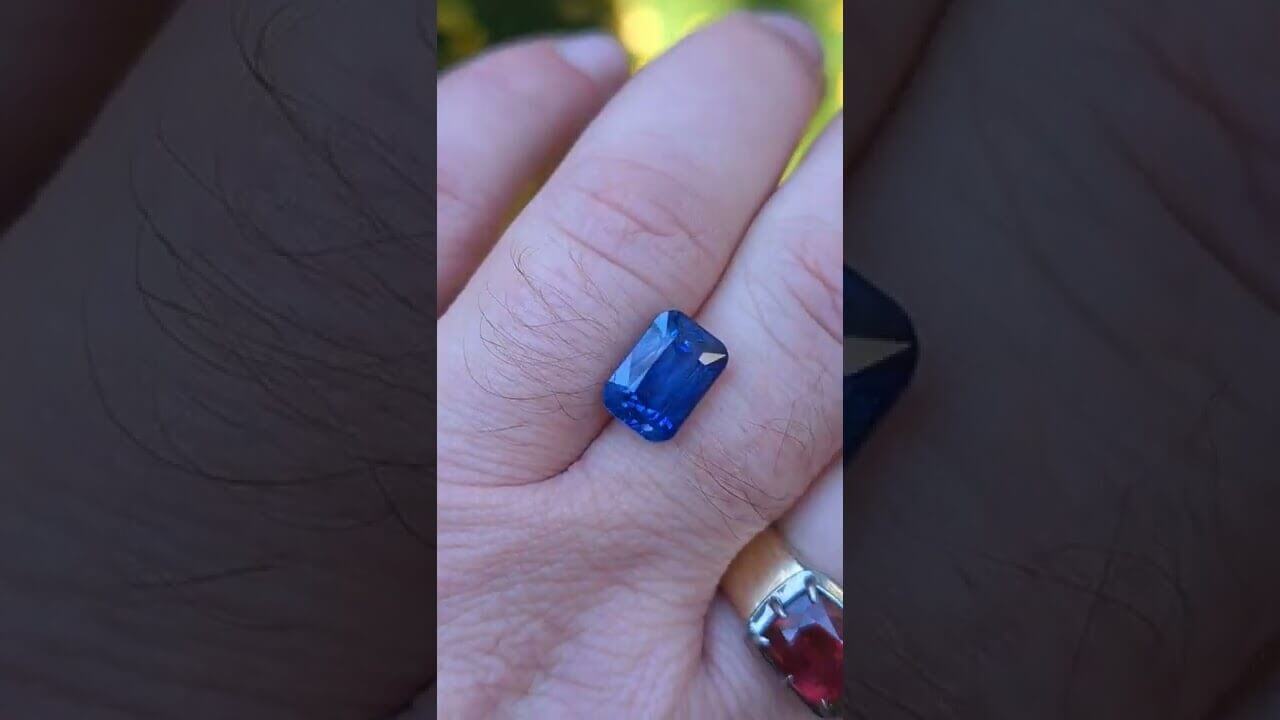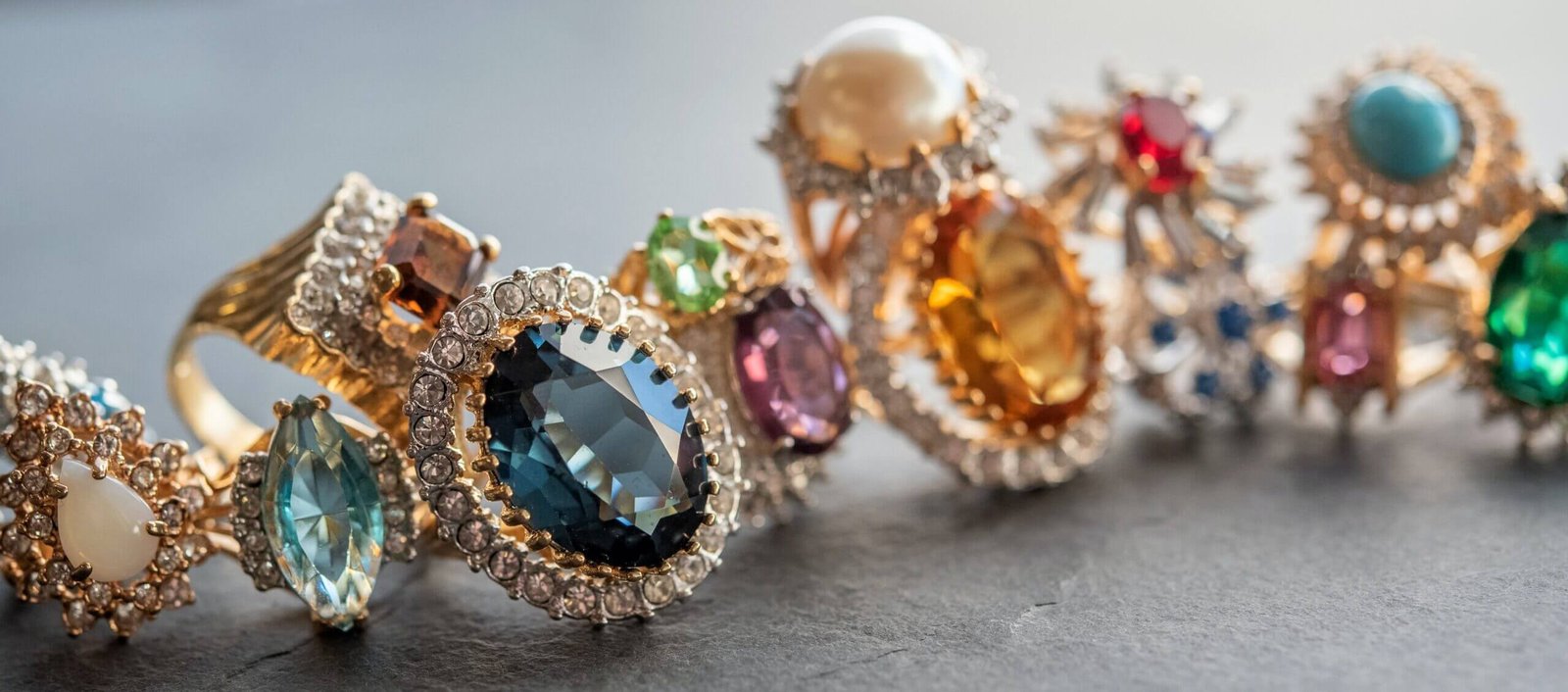
Have you ever gazed at your sapphire and thought, why does it look green? You’re not alone. Many people cherish their sapphires for their deep and mesmerizing blues, which seem as if they could capture the very essence of the ocean. Yet, finding a hint of green in its hue can feel rather disconcerting.

Understanding Sapphire Colors
To understand why your sapphire appears green, it’s essential to learn about the natural variation in sapphire colors. While blue is the most iconic and sought-after shade, sapphires encompass a range of colors including pink, yellow, and even orange. These variations are caused by trace elements present during the gemstone’s formation.
The Role of Trace Elements
The magic of a sapphire’s color primarily stems from trace elements. For instance, the breathtaking blue sapphire owes its shade to the presence of iron and titanium. When these elements are absent, sapphires can appear in different hues. Green can creep in when there’s an imbalance or an unusual combination of these elements.
Table: Elemental Influences on Sapphire Color
| Trace Element | Affect on Sapphire Color |
|---|---|
| Iron & Titanium | Blue |
| Vanadium | Violet |
| Chromium | Pink or Red (Ruby) |
| Iron | Yellow or Green |
Color Zoning in Sapphires
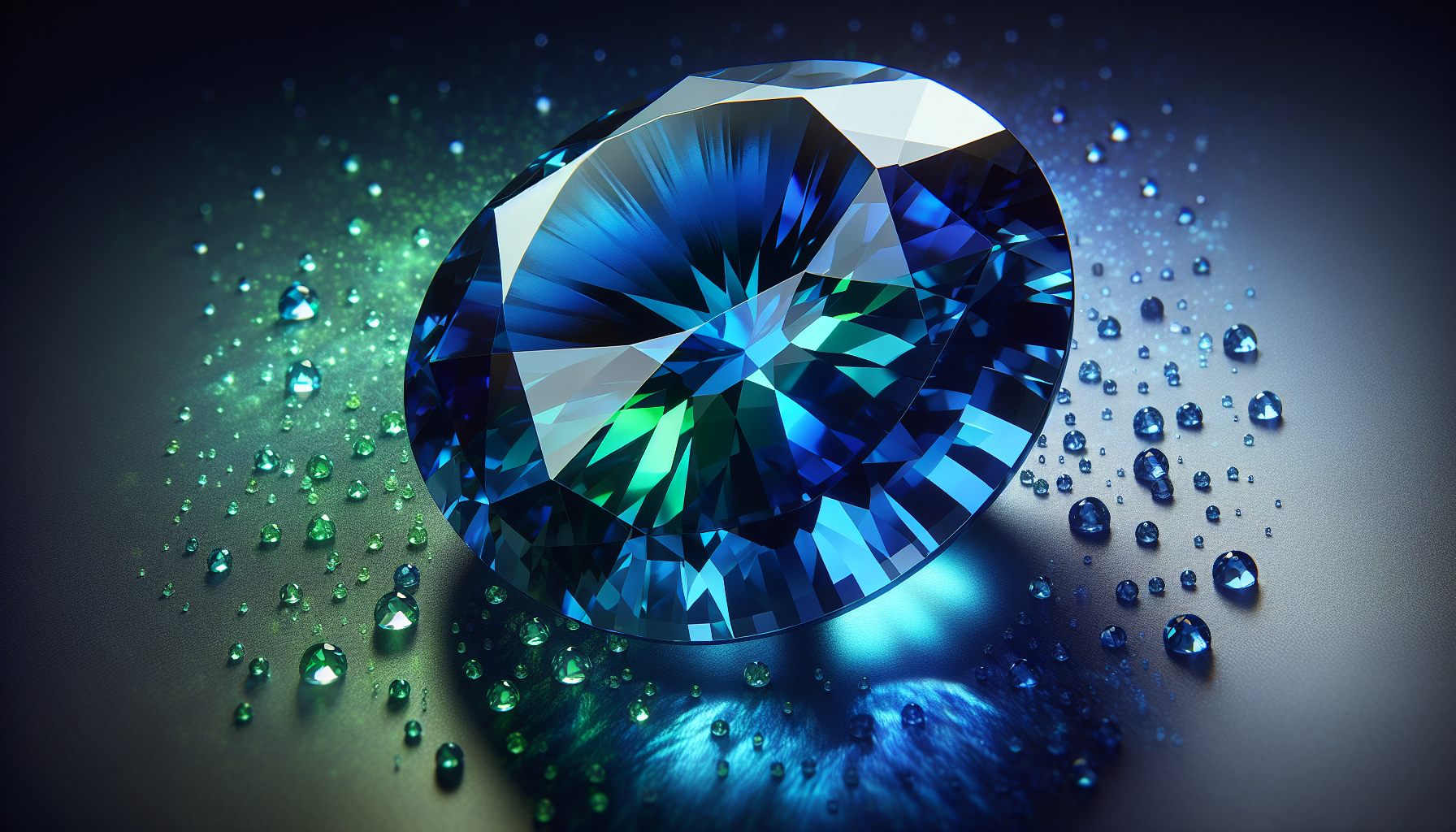
Another contributing factor to why your sapphire might look green is the phenomenon of color zoning. This occurs when different colors are present within a single gemstone, often due to fluctuating temperature and pressure during formation. A blue sapphire might contain zones of green or even other colors, giving the entire stone a variegated appearance.
Impact of Color Zoning
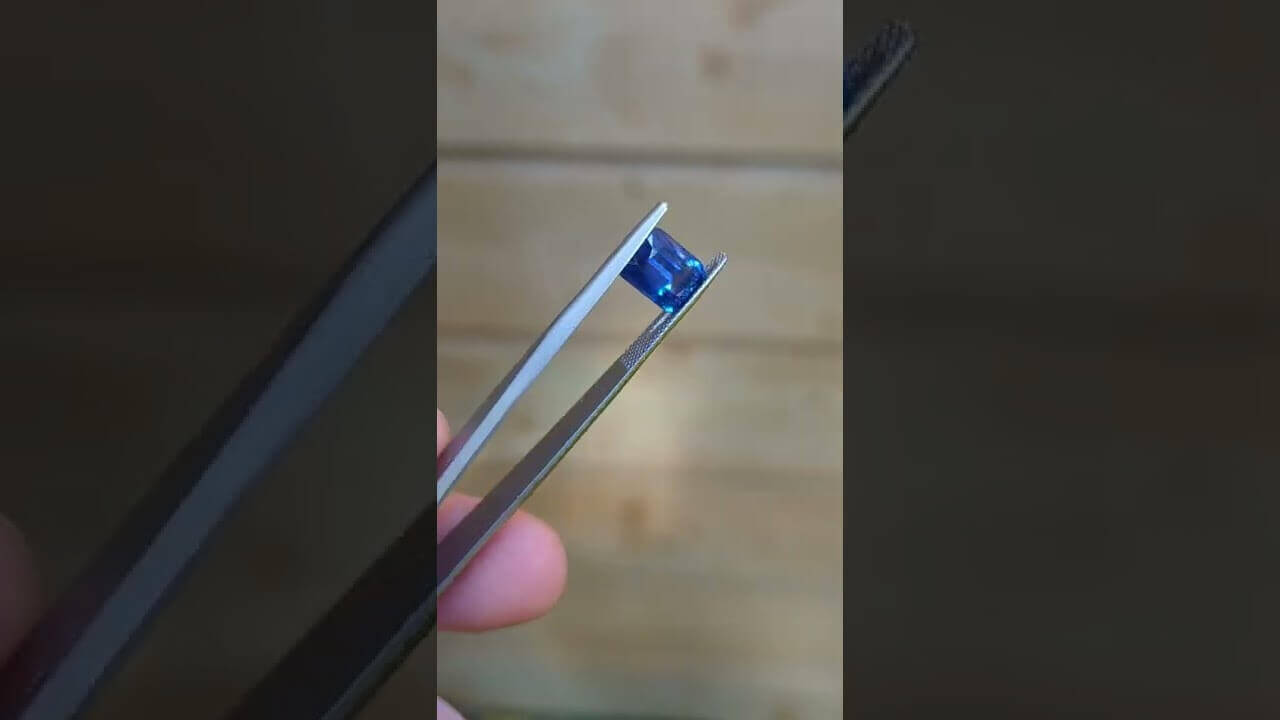
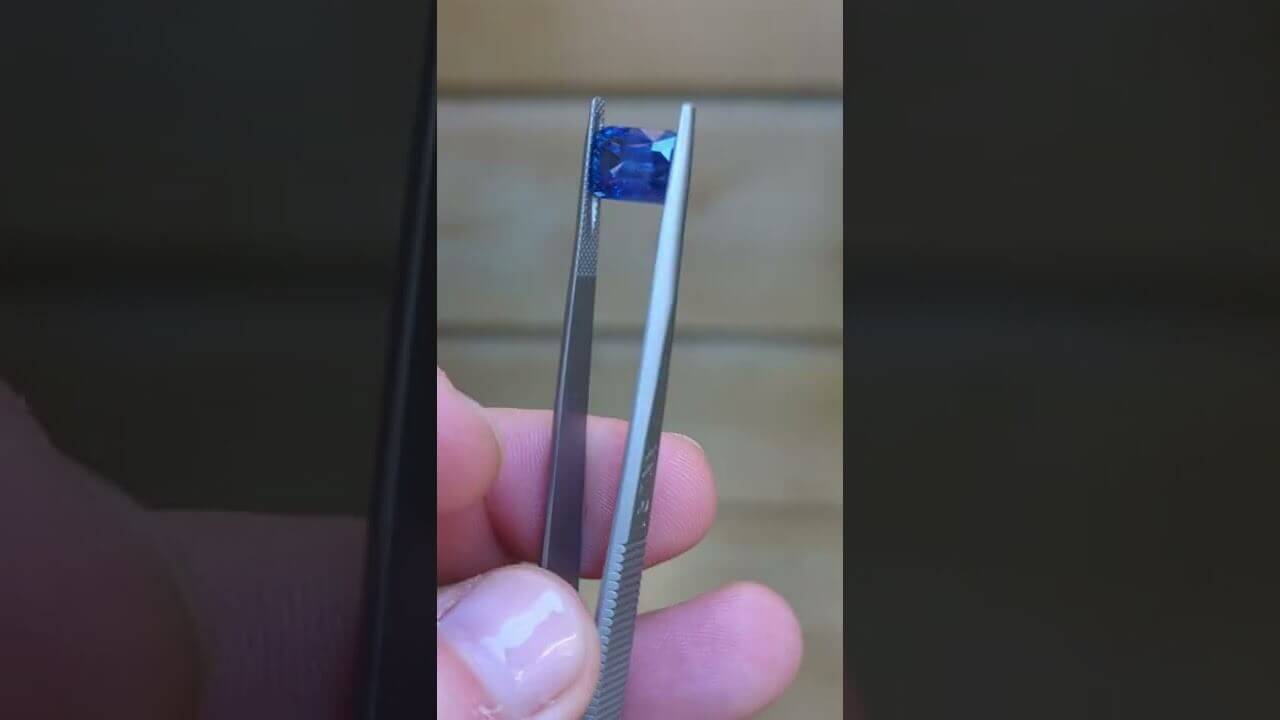
The presence of color zones can significantly influence the perceived color of the gemstone. Viewed from one angle, the sapphire might appear a robust blue, but change your perspective and green zones might become more prominent. This isn’t necessarily a flaw but rather a characteristic unique to natural stones.
Changes in Lighting Conditions
An unexpected factor influencing the color of your sapphire is lighting. Sapphires, like other gemstones, can appear differently under various lighting conditions. This feature can make a beloved stone seem to shift its color dramatically, almost as though it were alive.
Natural vs. Artificial Light
Natural light can reveal the true color of a sapphire, while artificial lighting might bring out unexpected tones due to its spectrum. A fluorescent bulb with a cooler spectrum, for example, can enhance greenish tints within the sapphire.
Time of Day and Sapphires
Even the time of day can cast your sapphire in a new light. Morning and evening light, with their golden and pink hues, might blend with the blue of your sapphire, giving it a greenish cast.


The Characteristics of Your Sapphire
Understanding the specifics of the gemstone can help determine why it might look green. From untreated stones straight from the earth to those that have undergone various treatments, a sapphire’s journey influences its final appearance greatly.
Untreated vs. Treated Sapphires
Each sapphire is unique, and whether or not it has been treated can affect its color. Untreated sapphires are less likely to be consistently blue, often containing natural inclusions and color zones that include green. Treated sapphires, on the other hand, may achieve a uniform color through methods like heat treatment.
Table: Treated vs. Untreated Sapphires
| Type of Sapphire | Characteristics |
|---|---|
| Treated | More consistent color |
| Untreated | Natural markings, color variations |
The Role of Inclusions
Inclusions are natural elements trapped within the sapphire as it forms. Not only do they add character, but they can also impact the gemstone’s color. Some inclusions might give the sapphire a clouded appearance, enhancing any underlying green hues.
Sourcing and Origin of the Sapphire
The origin of a sapphire plays a central role in determining its color. Different geographical regions produce sapphires of distinctive hues based on the regional geology and the trace elements prevalent in those local environments.
Sapphires from Various Regions
Sapphires hailing from regions like Kashmir, Sri Lanka, and Madagascar each boast unique characteristics. Kashmir, for example, produces sapphires noted for their intense, velvety blue. In contrast, sapphires from certain Madagascan deposits might naturally lean towards green.
Table: Sapphire Regions and Color Tendencies
| Region | Primary Color Characteristics |
|---|---|
| Kashmir | Velvety Blue |
| Sri Lanka | Range of Blues and Pinks |
| Madagascar | Varied, including greenish tones |
The Impact of Mining Practices
Modern mining practices can also influence the appearance of sapphires. Stones might be cut and polished with the goal of enhancing specific colors or minimizing less desirable tones. Knowing the origin and mining techniques can give you insight into why your sapphire appears green.
Engaging with Your Jewelry
While understanding the science behind your gemstone is enlightening, your emotional connection with it is equally as valuable. A sapphire’s particular hue should be seen as a testament to the individual journey each stone undergoes, from the heart of the earth to the palm of your hand.
Appreciating Your Unique Sapphire
A sapphire with a hint of green shouldn’t be seen as defective but as reflective of the earth’s diversity. Embrace the uniqueness of your stone and the myriad stories it contains within every shade.
Emotional Connections to Gemstones
Jewelry often carries sentimental value far beyond its aesthetic appeal. Each time you wear your sapphire, you’re embracing not only its physical attributes but also the memories and sentiments tied to it, making the green tint an integral part of its charm.
Conclusion
So what does all of this mean for you and your greenish sapphire? Your gemstone tells a story—a story of its formation, composition, and journey from the earth to you. While science offers explanations, the heart offers appreciation. Embrace the unique green of your sapphire as a reminder of the natural world’s unpredictability and beauty. In essence, your sapphire is a beautiful piece of art, as distinctive as you are. Celebrate its hue and wear it with pride!