Introduction: October jewelry in a wider range of color
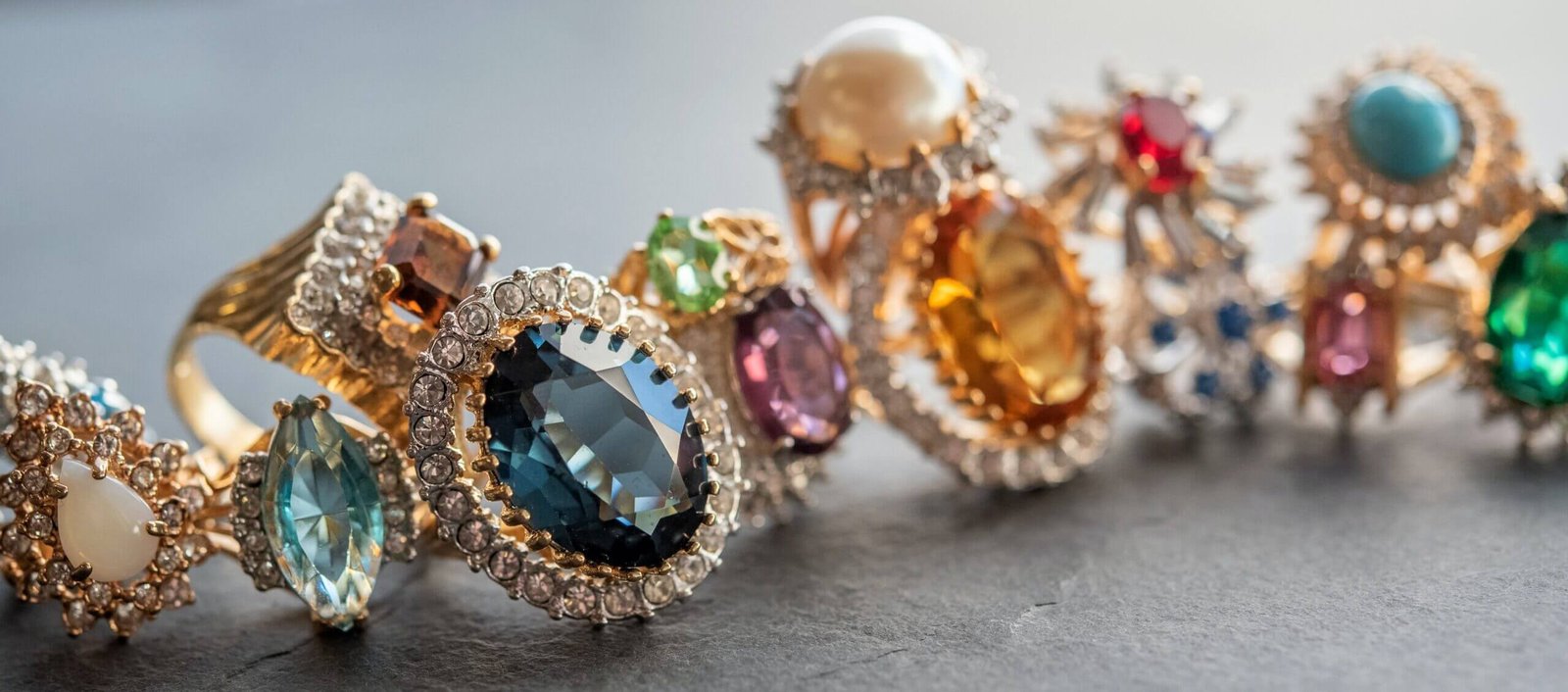
If you’re looking for October jewelry, you don’t have to settle on one shade to represent the month. Opal and tourmaline offer two distinct ways to wear color: opal can show shifting flashes, while tourmaline occurs in a range of more clearly defined hues. Together, they make October’s jewelry palette a starting point rather than a strict dress code.
You can explore that range through the gemstone itself, the metal and setting around it, and the way you like to dress. A small pendant in a shade you already wear may become an easy everyday choice; a larger ring or pair of vivid earrings can make a more deliberate statement. Neither approach is more correct. The useful question is whether you’ll enjoy wearing the piece once the occasion or season has passed.
This guide explains what gives October jewelry its color, how opal and tourmaline differ in appearance, and how to choose a piece that suits your wardrobe and routine. You’ll also find practical suggestions for styling, combining colors and metals, assessing a purchase, and caring for gemstone jewelry. The aim is simple: help you choose something that feels like yours, not merely something that happens to fit a calendar.

What gives October its distinctive color range?
October’s jewelry colors come from the visual variety of its two recognized birthstones, opal and tourmaline. Opal is known for changing flashes of color, while tourmaline is found in a range of hues. That contrast gives you options: a stone that catches the light in shifting ways, or one whose overall color reads more distinctly.
What are October’s birthstones? They are opal and tourmaline. The association is a helpful way to discover jewelry, especially if you’re choosing a birthday gift, but it doesn’t mean every October-themed piece has to contain either stone. You might prefer a different gemstone, a colored accent, or jewelry whose appeal comes from its design rather than a birthstone connection.
A color range is the set of hues and visual effects represented by the stones and jewelry in a feature. For October, that can include the varied flashes seen in opal and the different colors found in tourmaline, along with the way metal and setting influence their appearance. A stone’s color is only one part of what you see: its cut, placement, surrounding metal, and the light around you all contribute to the overall impression.
Think of the month as an invitation to compare, not a rule to follow. If you’re shopping, begin by looking at both stones and noting which appearance you return to. Then consider how each would sit alongside clothes and jewelry you already own. That simple comparison can make the birthstone connection useful without allowing it to dictate your choice.
Opal and tourmaline: two different ways to wear color
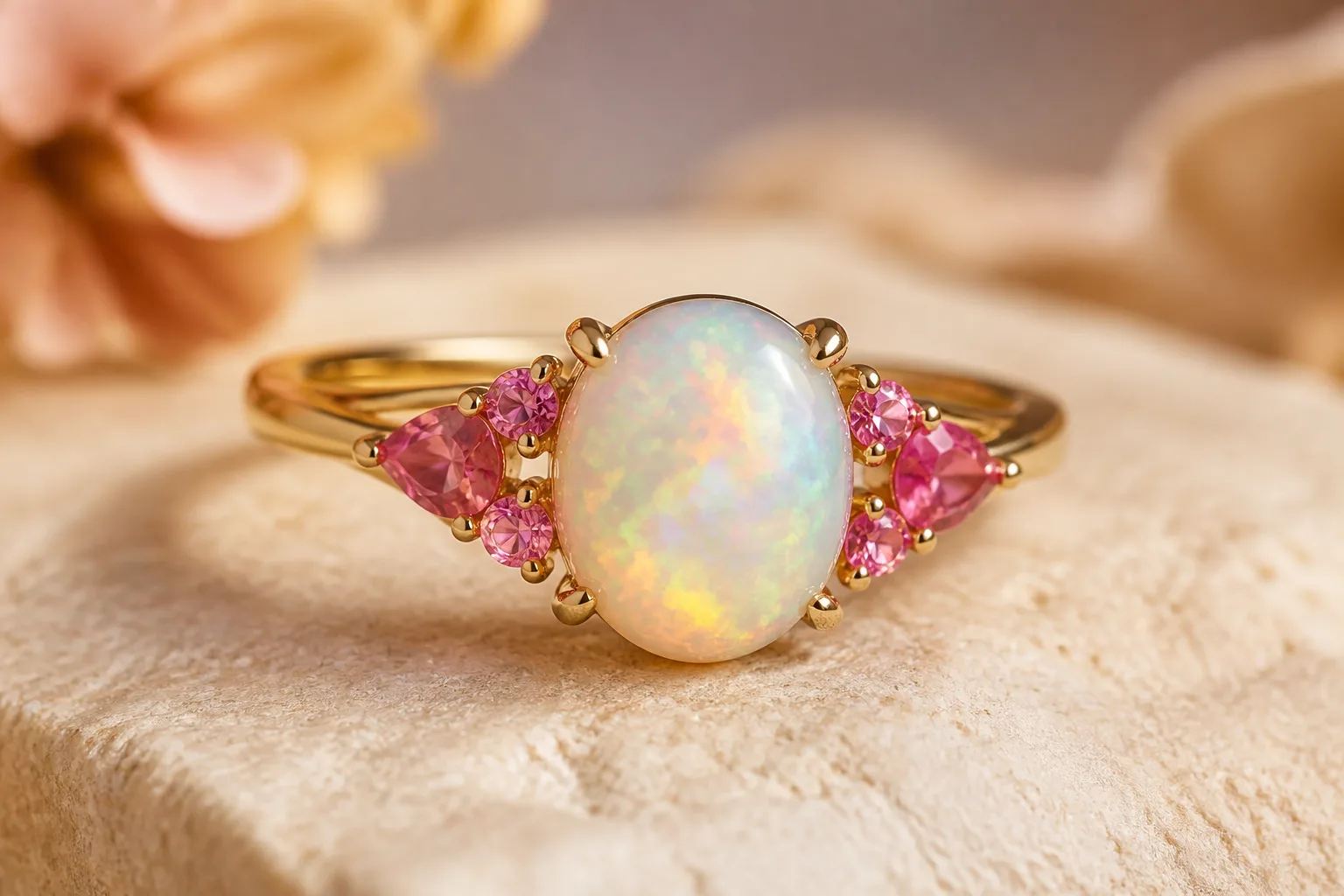
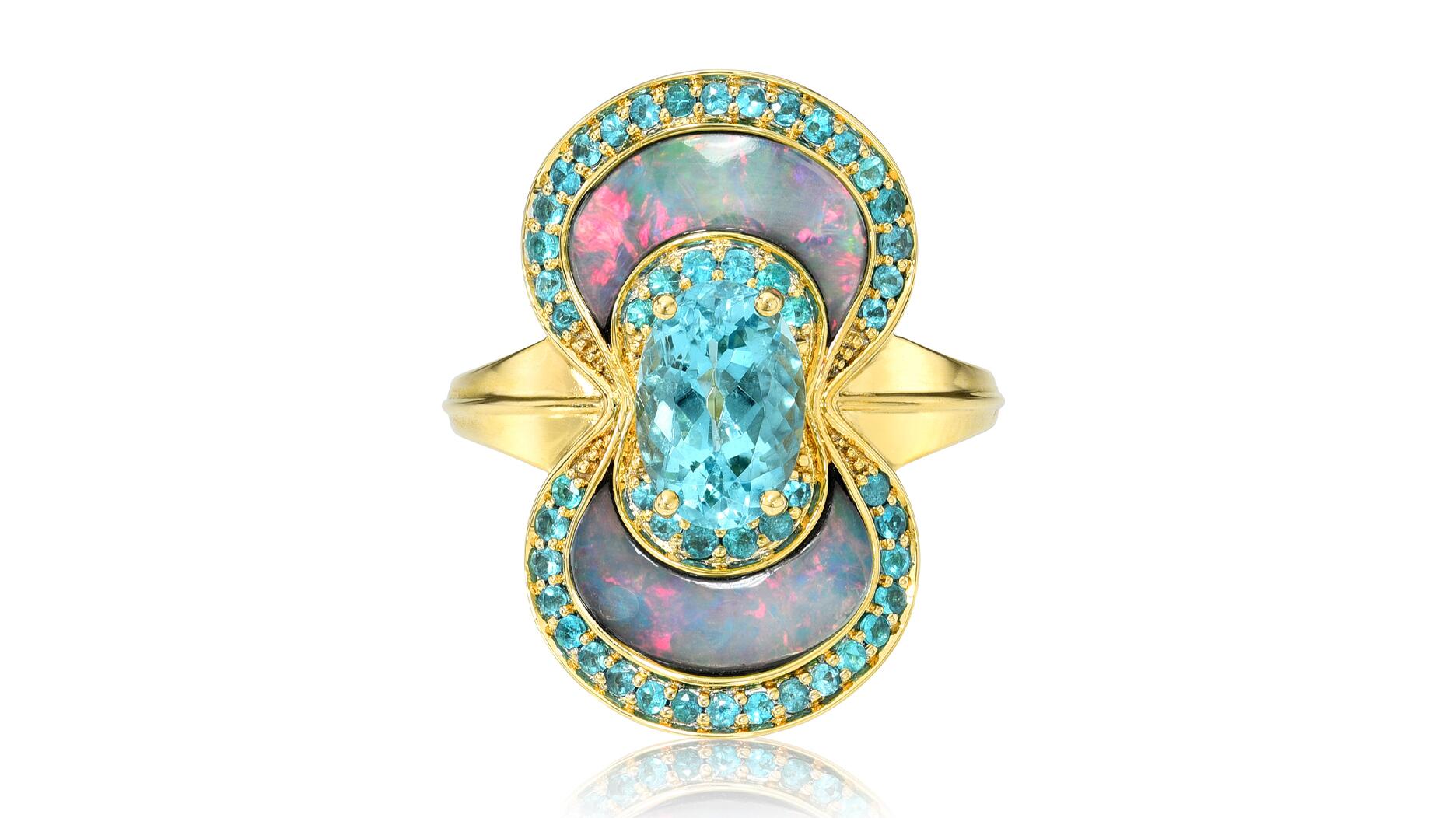
Opal’s appeal often lies in movement. A stone may show flashes of color that seem to shift as the angle or lighting changes, so its appearance can feel different from one setting to another. The precise effect varies with the individual stone and the light that reaches it. When you look at opal in a shop or in product images, check more than one angle if possible; a single photograph may not convey how its colors appear as you move.
Tourmaline offers a different experience. It’s a gemstone found in a range of colors, so a particular piece may present a more defined overall hue. The available appearance depends on the stone and the design; don’t assume that every color will be represented in every jewelry collection. If a specific hue matters to you, inspect the particular piece rather than relying on a general description of the gemstone.
Neither stone needs to win a contest. Opal can bring a changing, expressive quality to a simple setting, while a tourmaline in a color you love can give an outfit a clear point of focus. For example, you might choose opal if you enjoy a piece that looks a little different as you move from daylight to indoor lighting. You might prefer tourmaline if you want a more readily identifiable hue to coordinate with a favorite jacket or scarf.
A practical shortcut is to ask what kind of color experience you want. Consider opal for shifting flashes; consider tourmaline for a more clearly defined hue. Then look closely at the individual jewelry piece, because the stone, lighting, setting, and scale all affect the result.

How to choose an October jewelry color
October’s associated colors aren’t limited to a single required shade. Opal brings changing flashes, and tourmaline is available in a range of colors, so the useful answer to “What colors are associated with October?” is a varied palette rather than one official choice. Your own wardrobe and preferences can help narrow it down.
- Decide how you want the color to behave. If changing flashes appeal to you, look at opal. If you’d rather have a more consistent-looking hue, compare tourmaline pieces in colors you enjoy.
- Start with colors you already wear. Notice the clothing, accessories, and existing jewelry you reach for most. A gemstone that works with those colors is more likely to become part of your regular rotation.
- Consider the intended use. A piece for frequent wear may need to feel comfortable and work with everyday clothing. A special-occasion design can be more distinctive if that suits how you plan to use it.
- Compare the actual piece. If you can, view it in person and from different angles. If you’re shopping from clear product images, inspect all available views and read the description carefully rather than judging from a single image.
Metal color and setting can change the overall impression. A warm-toned metal may make a gemstone feel different from the same stone in a cooler-toned setting, while the setting’s shape and amount of visible metal influence how much attention the color receives. Compare the complete design, not only the stone photographed by itself.
Choose for personal preference and wearability, not solely because a shade is associated with October. If you love a color but can’t imagine wearing it with your usual clothes, consider a smaller accent or another design. If you keep returning to the same stone, that’s useful information too.
Styling October-colored jewelry for everyday wear
For an easy starting point, let one colorful piece lead. A vivid ring, pendant, or pair of earrings can stand out against simpler clothing without requiring the rest of your outfit to compete. If you wear a bright tourmaline pendant, for example, a plain top can give the color room to register. With an opal piece, a quieter outfit can also make its changing flashes easier to notice.
Prefer a subtle approach? Choose a smaller piece as an accent. Stud earrings, a modest pendant, or a ring with a low-key design can introduce color without becoming the center of attention. You can also repeat a color elsewhere—a detail in a scarf, bag, or clothing pattern—without matching every item exactly. Related shades can work together even when their tones aren’t identical.
How can you wear October birthstone jewelry every day? Start with comfort and routine. Consider whether a ring catches on clothing or interferes with tasks you do often. For earrings, think about weight and whether you’re comfortable wearing them throughout the day. For a pendant, notice how its length and shape sit with the necklines you commonly wear.
Next, try the piece with a typical outfit rather than saving it for an imaginary special occasion. If you can picture wearing it to work, while running errands, or to meet a friend, it may fit your routine. If it feels too bold for daily use, keep it for occasions when you want a focal point—or look for a smaller version. Jewelry should work with the life you have, not a fantasy schedule that requires changing outfits three times before lunch.
Combining colors, stones, and metals
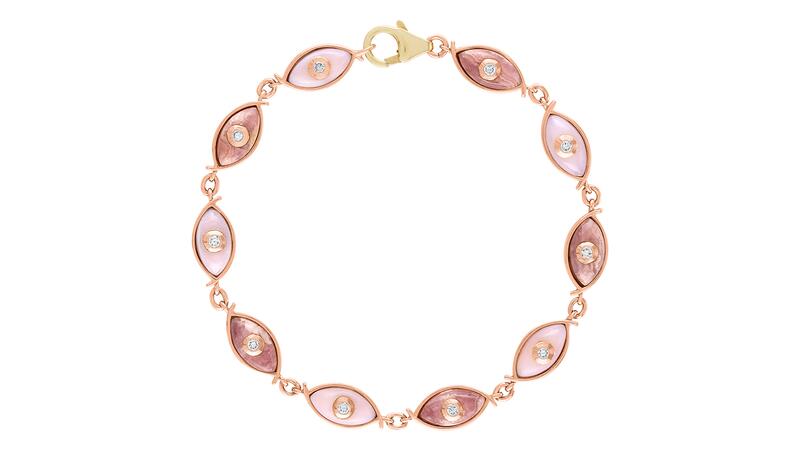
You can wear more than one gemstone color at a time; the trick is to give the eye somewhere to settle. Choose one dominant color, then add a smaller accent. If a colorful pendant is the main event, understated earrings can finish the look without competing. If you want to wear several pieces, vary their scale or let one piece carry the strongest color.
For example, pair a vivid pendant with simple earrings and a plain top. The pendant supplies the focal point, while the earrings support it. If you add a ring, choose one that doesn’t introduce another equally strong visual statement. Alternatively, let the ring lead and keep your necklace and earrings quieter. These are choices, not strict rules; the point is to notice how the pieces behave together before you leave the house.
Mixing metals can work when there’s a visible connection. You might repeat one metal in another accessory, or tie two metal colors together through a garment detail or a repeated gemstone color. If the combination feels unplanned, simplify: remove one piece, or choose a single metal as the main thread and let the other appear in a smaller amount.
When combining opal or tourmaline with other colors, compare the pieces in the same light and against the clothes you plan to wear. You don’t need exact matches. Similar tones, a shared color detail, or a clear difference in scale can make a combination feel considered. Before adding another statement piece, ask whether it adds something distinct or simply asks for the same attention.
Choosing a piece that suits your needs
Start by deciding how you expect to use the jewelry: frequent daily wear, occasional wear, or a gift. That decision gives you a practical way to compare designs. A piece intended for everyday use should suit your comfort and routine; an occasional piece can reflect a more specific style; a gift should feel connected to the recipient’s tastes, not just the date on the calendar.
Before choosing, check four things:
- Appearance: Look at the stone in the actual piece, from more than one angle where possible. Make sure its color and visual effect appeal to you.
- Setting: Consider how the stone is held and whether the design suits the way you plan to wear it. If you have questions about a setting, ask the seller or a qualified jeweler to explain it.
- Comfort: Think about scale, weight, shape, and how the piece sits against your body or clothing. A design that looks appealing but feels awkward may spend more time in a box than on you.
- Care: Ask what cleaning and handling the gemstone and setting require. Don’t assume that instructions for one gemstone apply to another.
For a gift, take a look at the recipient’s usual jewelry. Do they wear understated pieces or larger designs? Do they tend toward a particular metal color or gemstone hue? A piece that fits those preferences may be a more thoughtful choice than one selected only because opal and tourmaline are associated with the recipient’s birth month.
Keep the buying decision grounded in the piece itself. Compare designs, ask questions when details are unclear, and consider how often the recipient—or you—will realistically wear it. You don’t need to make a purchase more complicated than that. A good choice is one whose appearance, comfort, and care requirements make sense for the person who will wear it.
Caring for colorful gemstone jewelry
Follow care instructions for the specific gemstone and setting. Cleaning methods can differ, and a method suitable for one piece may not be right for another. If you don’t know what a particular stone or setting requires, pause before using household cleaners or trying an unfamiliar cleaning technique. Check the guidance provided with the piece or ask a qualified jeweler.
Remove jewelry before activities that could expose it to knocks, chemicals, or rough handling. That might mean taking off a ring before doing hands-on work or removing earrings and a pendant before a task where they could catch or be struck. The aim isn’t to treat every piece as too precious to wear; it’s to avoid exposing it to situations where jewelry can be damaged or become uncomfortable.
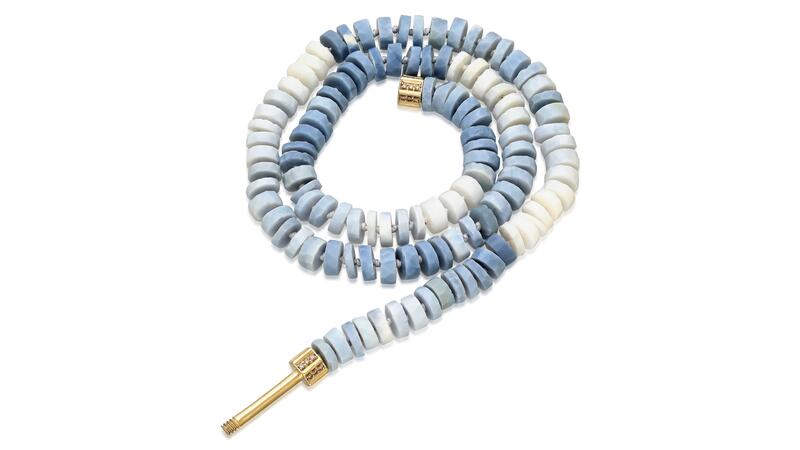
Store pieces separately to help prevent scratches and tangling. Give rings, necklaces, and earrings their own spaces rather than leaving them in a pile. Necklaces can become tangled with one another, and jewelry rubbing against other items may be harder to keep in good condition. Returning each piece to its own storage place also makes it easier to find and check for anything that needs attention.
If a stone seems loose, a setting looks damaged, or you’re unsure how to clean a piece, ask a qualified jeweler before proceeding. It’s better to get advice specific to that jewelry than to guess based on a different gemstone or an online tip intended for another kind of item. Care begins with knowing what you’re wearing and treating the piece according to its needs.
Conclusion: choose a color you’ll enjoy wearing
October offers a range of gemstone color rather than one required shade. Opal can show shifting flashes that change with the stone and light, while tourmaline is found in a variety of colors with a more clearly defined overall hue in a particular piece. Your choice depends on which appearance you enjoy and how you want the jewelry to fit into your life.
Before you choose, take three practical steps. First, identify the colors you naturally wear, including the shades already present in your clothes and accessories. Next, decide how often you expect to wear the piece and what level of comfort or ease suits that routine. Then compare designs in person or through clear product images, paying attention to the stone, setting, metal, and scale together.
If you’re buying for someone else, consider the jewelry they already reach for and choose a design that feels consistent with their style. If you’re choosing for yourself, don’t dismiss a piece simply because it isn’t the most obvious birthstone option—or choose one only to satisfy a calendar association. Your own preferences are better guides.
When you find a design you like, learn how to care for its particular stone and setting, and store it thoughtfully between wears. That combination of personal taste and practical attention is what helps October-colored jewelry remain a pleasure to wear well beyond October.

Key Takeaways
- October’s recognized birthstones are opal and tourmaline, but you don’t have to choose a birthstone to wear October-inspired color.
- Consider opal for shifting flashes and tourmaline for a more clearly defined hue, then assess the individual stone and setting.
- Choose jewelry based on colors you wear, the piece’s intended use, and how comfortable it feels in your routine.
- When styling, give one piece or color the leading role and use other jewelry as a quieter accent.
- Follow care instructions for the specific stone and setting, and ask a qualified jeweler when you’re unsure.
Frequently Asked Questions
What are October’s birthstones?
October’s recognized birthstones are opal and tourmaline. Their visual qualities differ: opal is known for changing flashes of color, while tourmaline is found in a range of hues.
What colors are associated with October?
October’s gemstone palette includes the shifting color effects of opal and the variety of colors found in tourmaline. There isn’t one required shade for October jewelry; the particular stone and design determine the look.
How can you wear October birthstone jewelry every day?
Choose a piece that feels comfortable with your usual routine, paying attention to its scale, weight, and how it sits. A smaller accent can be easier to wear regularly, while a more vivid or prominent design can serve as the focal point of an outfit.
What’s the difference between opal and tourmaline?
Opal can display flashes of color that appear to shift with the stone and lighting. Tourmaline occurs in a range of colors, and an individual piece can offer a more clearly defined hue.
How should you care for opal or tourmaline jewelry?
Follow care instructions specific to the gemstone and setting, since cleaning needs can differ. Remove jewelry before activities that may expose it to knocks, chemicals, or rough handling, and ask a qualified jeweler if you’re unsure how to clean or repair a piece.