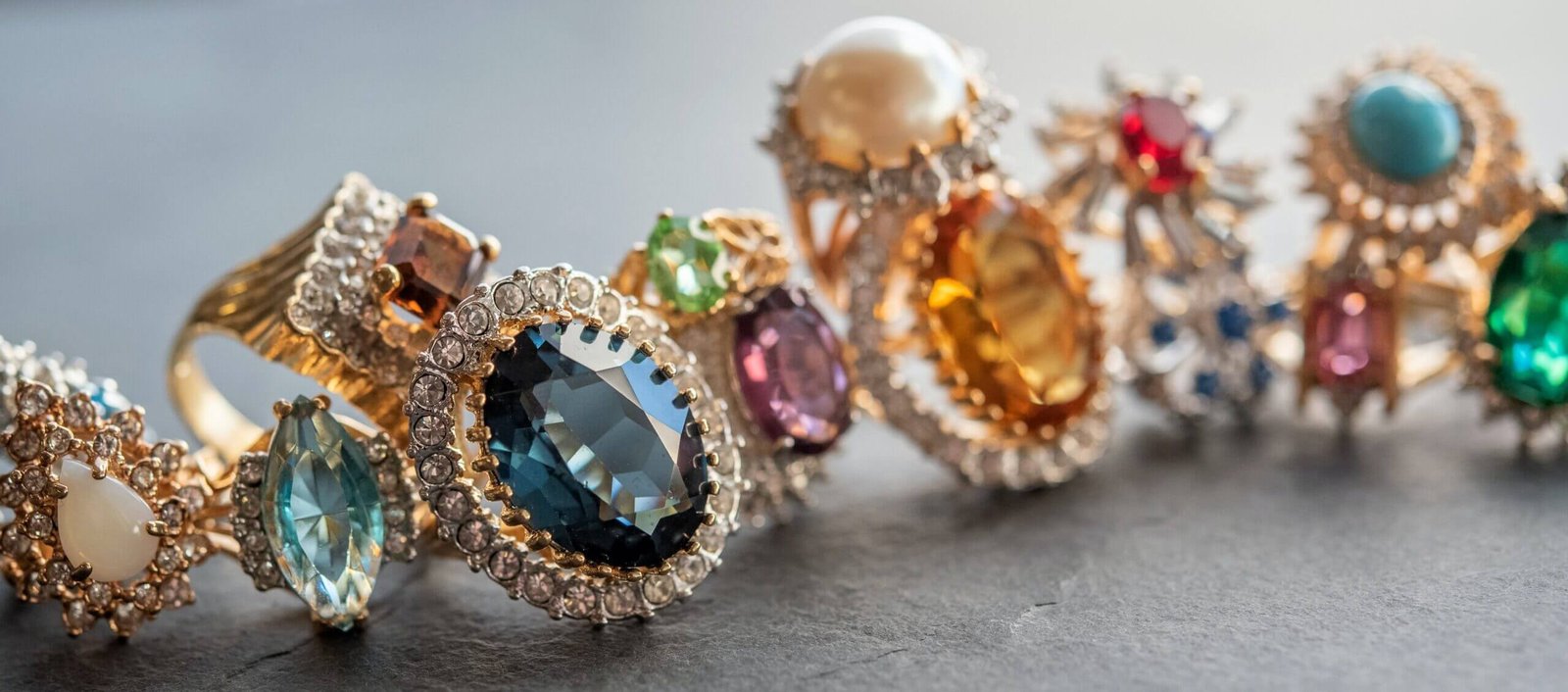
“Jewellery Valuation Guide: How to Know What Your Jewellery Is Worth”
“Jewellery Valuation Guide: How to Know What Your Jewellery Is Worth” Jewellery valuations help you find out the worth of your precious pieces. Jewellery is more than just an accessory; it holds sentimental value, stories, and often, significant financial worth. If you’ve ever wondered about the value of your treasured pieces, you’re in the right place. In this article, we will explore the importance of jewellery valuations, how to go about getting one, and what factors contribute to the value of your jewellery items. Let’s dive into the fascinating world of jewellery valuations and find out your piece’s worth!
Understanding Jewellery Valuations
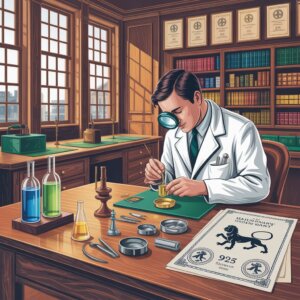
Valuations can vary in method and outcome based on the type of jewellery, its age, and other unique attributes. Professionals will consider these elements thoroughly to deliver an accurate and credible valuation. https://www.theassayoffice.co.uk/
“Jewellery Valuation Guide How to Know What Your Jewellery Is Worth”
Why You Should Get a Jewellery Valuation
There are many reasons why you might want to have your jewellery appraised. Here are some of the key reasons:
- Insurance: One of the most practical reasons for getting a jewellery valuation is for insurance purposes. Insuring your pieces adequately ensures that you can recover their value in case of loss or damage.
- Selling or Reselling: If you plan to sell or pass down your jewellery, knowing its worth can help you set a realistic price and ensure you receive fair value.
- Estate Planning: If you’re incorporating jewellery into your estate plan, an accurate valuation will help divide your assets fairly among heirs.
- Condition Assessment: Over time, jewellery can wear down or undergo changes. A valuation can help you understand its current condition and whether it needs any repairs or restoration.
- Investment Awareness: Jewellery can be a valuable investment. Knowing its true worth may help you make informed decisions about buying or selling.
The Jewellery Valuation Process
Now that you understand the importance of jewellery valuations, let’s go through the steps involved in the valuation process. Each step is crucial in ensuring that you receive an accurate and fair assessment of your jewellery.
Finding a Qualified Jeweller or Appraiser
To kick off your jewellery valuation journey, you will need to find a qualified jeweller or appraiser. Look for professionals with the following credentials:
- Gemological Institute of America (GIA) Certification: Appraisers with GIA certification have undergone rigorous training and education in gemology.
- Experience: Aim to work with appraisers who have experience in evaluating the type of jewellery you own, whether it’s antique, modern, or custom-made.
Initial Consultation
Once you’ve found a qualified appraiser, the next step is to schedule an initial consultation. During this meeting, you can discuss your expectations, the specific pieces you want to be valued, and any concerns you might have.
Don’t hesitate to ask about their experience, methodology, and any associated fees. A reputable appraiser should be able to explain their process clearly.
The Valuation Appointment
During the actual valuation appointment, the appraiser will carefully examine each piece of jewellery. Here’s what you can generally expect:
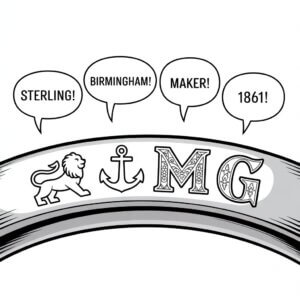
- Inspection: This includes assessing the piece visually and using specialized tools to examine its components. They’ll check for hallmarks, stones, and the overall craftsmanship.
- Research: Appraisers often conduct research on market trends related to your jewellery’s specific type and style.
- Comparison: Similar items may be compared to gauge market value. Look for comparable pieces in terms of design, materials, and craftsmanship.
- Documentation: The appraiser should provide you with detailed documentation of their findings, including photographs, descriptions, and a written valuation report.
Understanding the Valuation Report
Upon completion of the valuation, you will receive a report detailing the appraisal results. The report will typically include:
- Description of the Piece: This will include details about the materials, gemstones, and any special attributes.
- Market Value: The appraiser will indicate the estimated market value, which may vary depending on where and with whom you choose to sell.
- Replacement Value: This is often the figure you would require to replace the piece in the event of damage or loss.
Make sure to keep the valuation report in a safe place, especially for insurance documentation or estate planning.
Key Factors That Affect Jewellery Value
Jewellery’s value can be influenced by a variety of factors. Understanding these can help you appreciate and maximize the worth of your own pieces.
Type of Metals
The type of metal used in your jewellery significantly affects its value. Here are some metals commonly found in jewellery:
- Gold: This timeless metal has intrinsic value due to its rarity and desirability. Its value varies based on purity, measured in karats (e.g., 10K, 14K, 18K).
- Silver: Often more affordable than gold, silver is also widely used in jewellery. Its value can fluctuate based on market conditions.
- Platinum: This premium metal is more valuable than gold or silver. Its rarity and density make it a sought-after choice for high-end jewellery.
Gemstone Quality
If your jewellery contains gemstones, their quality can significantly influence overall value. Here are some factors to consider:
- Cut: A well-cut gemstone optimizes how light passes through it, enhancing its brilliance and overall appearance.
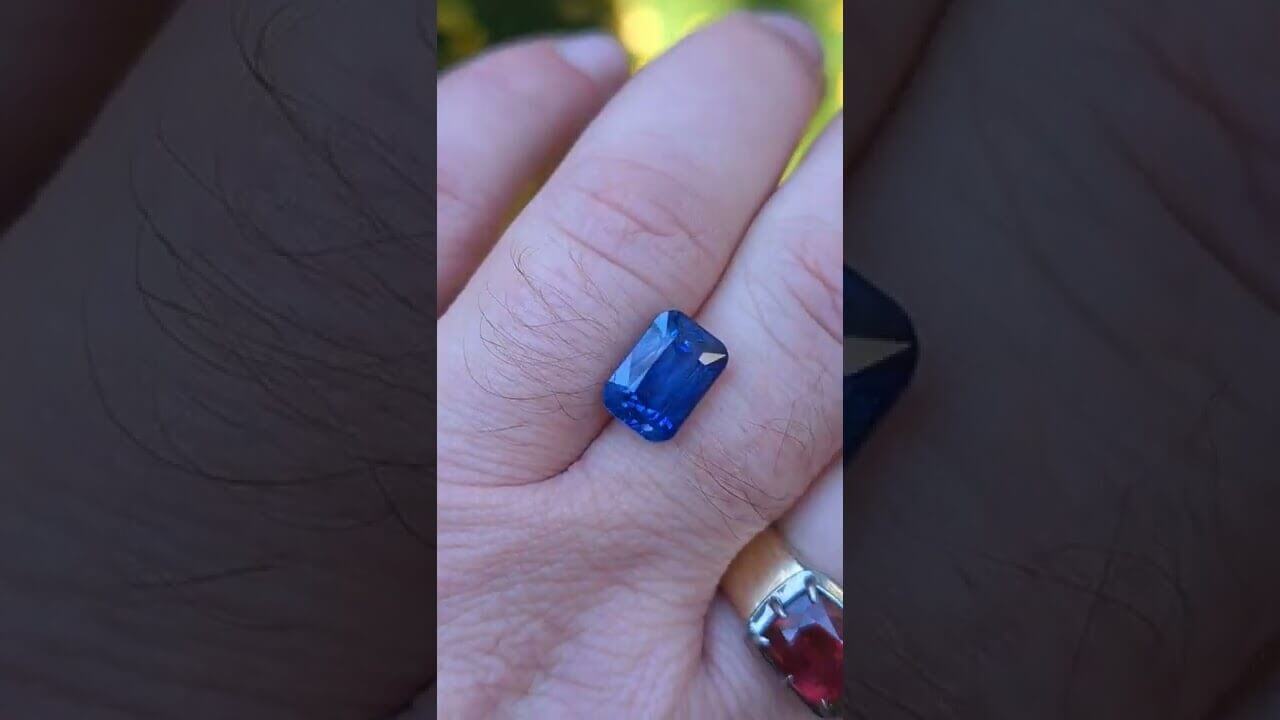
- Color: The hue, saturation, and tone of the gemstone can influence its desirability and, consequently, its value. For instance, a vibrant blue sapphire is usually worth more than a pale one.
- Clarity: The presence of inclusions or imperfections can also affect the value. The better the clarity, the more valuable the gemstone.
- Carat Weight: Generally, the larger the gemstone, the higher its value; however, this also depends on the type of stone and its quality.
Age and History
Antique or vintage jewellery can often carry a higher value due to its uniqueness, history, and demand among collectors. Pieces from renowned designers or historical eras may possess much higher intrinsic value compared to modern pieces of similar materials.
Craftsmanship
The level of craftsmanship put into creating the jewellery has a direct impact on its value. Handcrafted pieces often hold more worth than mass-produced items because of the skill and artistry involved. Additionally, bespoke designs tailored to individual preferences can enhance value through their uniqueness.
Brand Reputation
Certain brands have built strong reputations in the jewellery industry, and pieces from these brands can command higher prices. If you own branded jewellery from reputable designers, it may raise the appraisal value significantly.
Market Trends
Finally, market trends can heavily influence jewellery values. Fluctuations in metal prices, gemstone demand, and fashion trends can all lead to changes in market value. Keeping an eye on these trends can help you make informed decisions if you ever consider selling your pieces.
Keeping Your Jewellery Valuated
Once you know your piece’s worth, it’s essential to understand how often you should revisit the valuation. Here are some tips to keep in mind:
Regular Check-Ups
As a general rule, it’s a good idea to have your jewellery re-evaluated every three to five years. This will take into account any changes in market trends or the condition of your piece. Gemstones: The Ultimate Guide to Buying and Caring for Your Collection
Changes in Condition
If you’ve had any repairs made or if your piece has undergone significant wear and tear, it’s advisable to seek a new valuation sooner. Keeping an accurate valuation aligned with your jewellery’s current condition is vital for insurance and resale purposes.
Insurance Updates
Always ensure that your insurance policy reflects the most up-to-date valuation. This will help avoid any discrepancies should you need to make a claim.
Where to Get a Jewellery Valuation
If you are in a particular area looking for jewellery valuations, here are some steps to find reliable services:
- Online Research: Start with a simple online search for jewellery valuation services in your area. Look for reviews and testimonials to find trustworthy appraisers.
- Local Jewellers: Many local jewellers provide valuation services or can recommend reputable appraisers in the community.
- Gemology Institutes: Contact accredited gemology institutes that may offer valuation services or have a directory of certified professionals.
- Associations: Check with national or local associations of jewellers and appraisers; they often have resources for finding qualified professionals in your region.
Conclusion: Your Jewellery Matters
Understanding jewellery valuations is an essential step for any jewellery owner. Knowing how to assess your piece’s worth allows you to protect your investment, make informed decisions about selling, and enjoy your treasures with more confidence.
Whether you’re looking to inscribe a family heirloom in your estate plan or simply curious about the value of that sparkly ring, getting a professional valuation is a smart move. Remember to factor in the various influences that shape your jewellery’s worth, and don’t hesitate to seek professional guidance in your local area.
Your jewellery tells a story, and knowing its worth is an integral part of appreciating that story. If you haven’t had your pieces valued recently, perhaps it’s time to make an appointment and discover just how valuable your jewellery truly is!